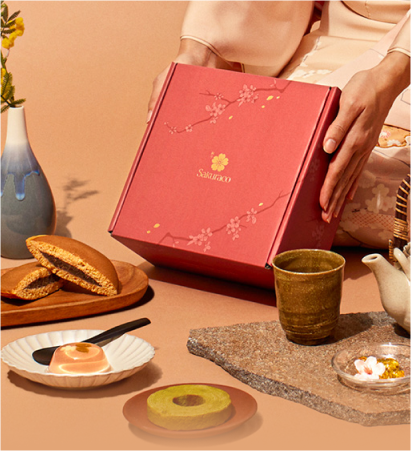


Discover authentic flavors with Sakuraco
Enjoy new Japanese sweets, snacks & tea every month starting from $32.50 USD

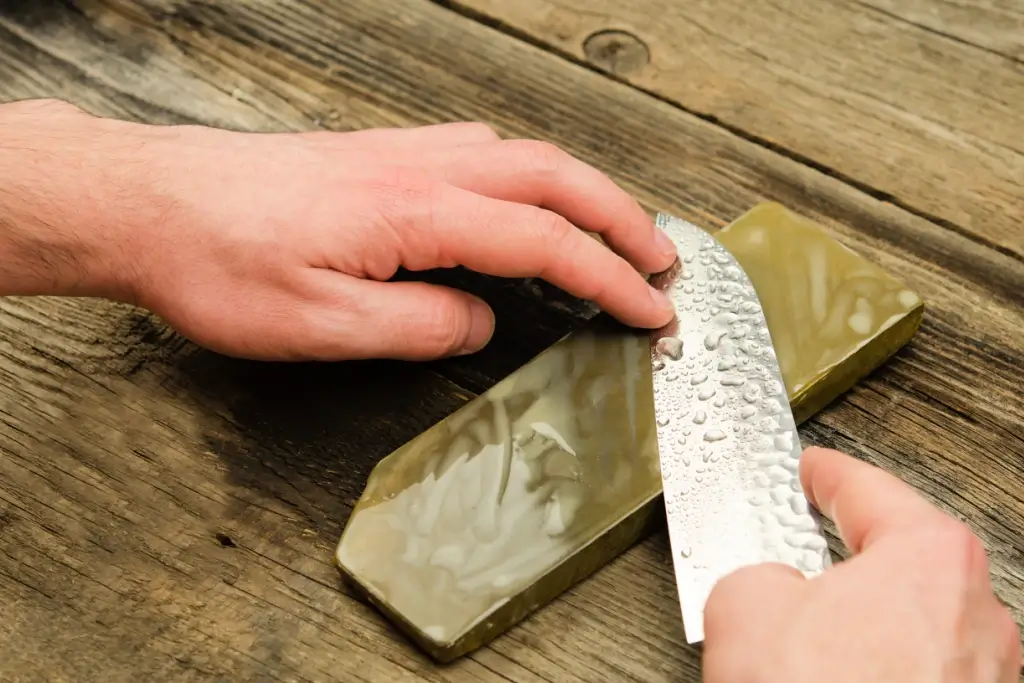
Sakai, Osaka is one of Japan’s most prestigious knife-making regions. Its storied history and many artisans have culminated in hōchō (kitchen knives) used by chefs worldwide in professional restaurants and home kitchens. Join us as we take a closer look at Sakai knives, the reasons for their popularity, and some of the city’s premier knife-making…

A look at Rachel and Jun’s Japanese bathroom makeover, featuring simple DIY upgrades, smart storage solutions, and practical ideas you can try at home.
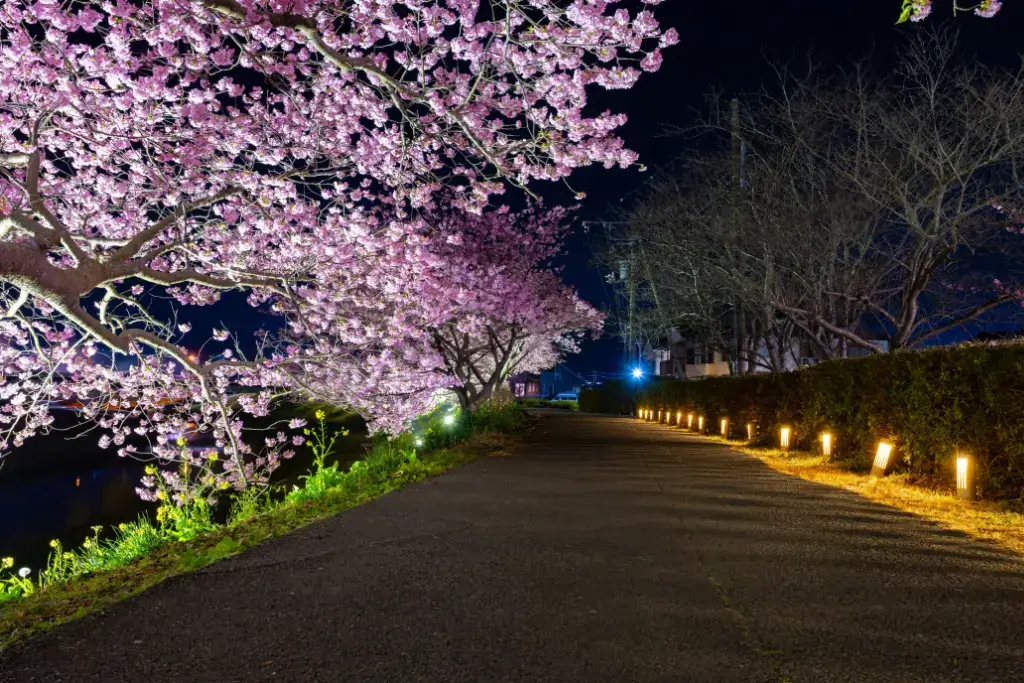
Spring evenings in Japan have a way of slowing everything down. When the sun sets, and lanterns start to glow, the country’s famous cherry blossoms begin to feel a little different—quieter, softer, and somehow more personal.
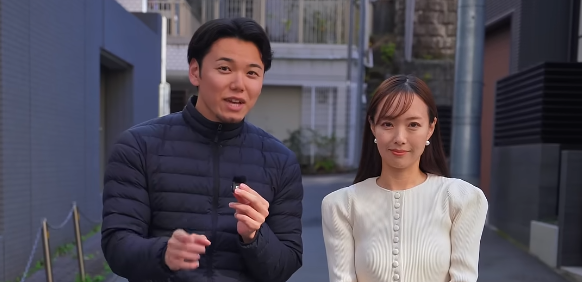
Today, we’re excited to feature Takashii, (TAKASHii from Japan), a creator known for his thoughtful street interviews that explore perspectives, culture, and human connection.
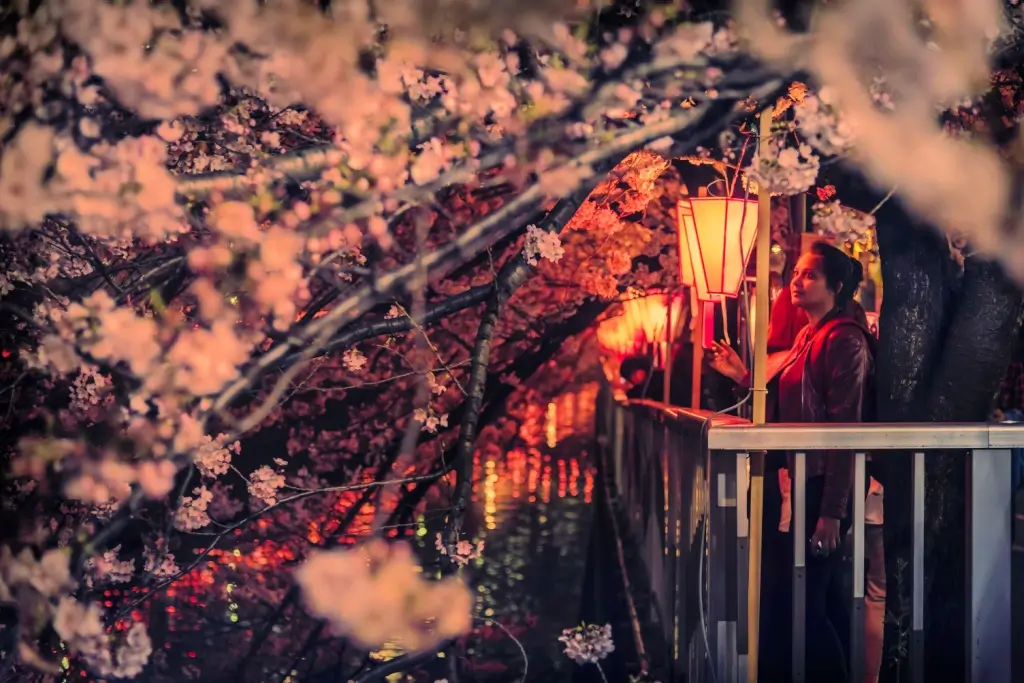
While Nakameguro is a must-visit, it’s far from the only place to enjoy night cherry blossoms in Japan. From peaceful moat-lined walkways to historic gardens and castle parks, exploring beyond Nakameguro reveals just how diverse and memorable yozakura can be.
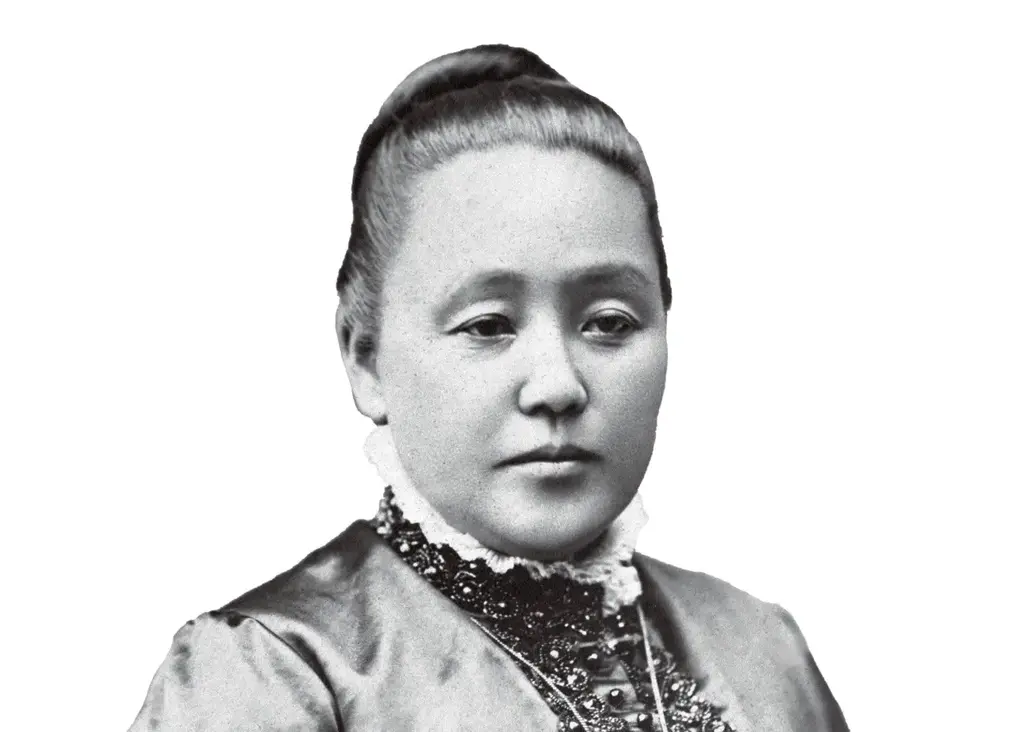
Niijima Yae stands among the most remarkable figures to emerge from Japan’s transition from the late Edo period to the modern Meiji era.
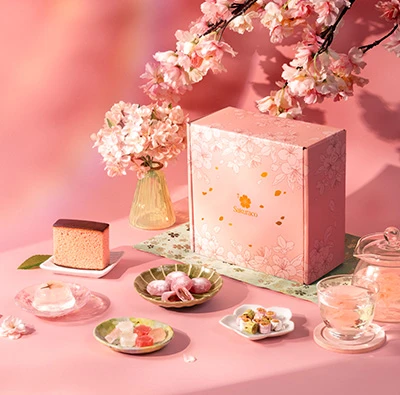
Hello, Sakuraco community! We hope you’re doing well. Here are the winners of the March 2026 Reviewer Contest!
Enjoy new Japanese sweets, snacks & tea every month starting from $32.50 USD





 brand.