


samurai armor
Samurai Armor Purses: A Blend of History and Modern Craft

Tokyo Terry

Posted on June 30, 2025
Share:
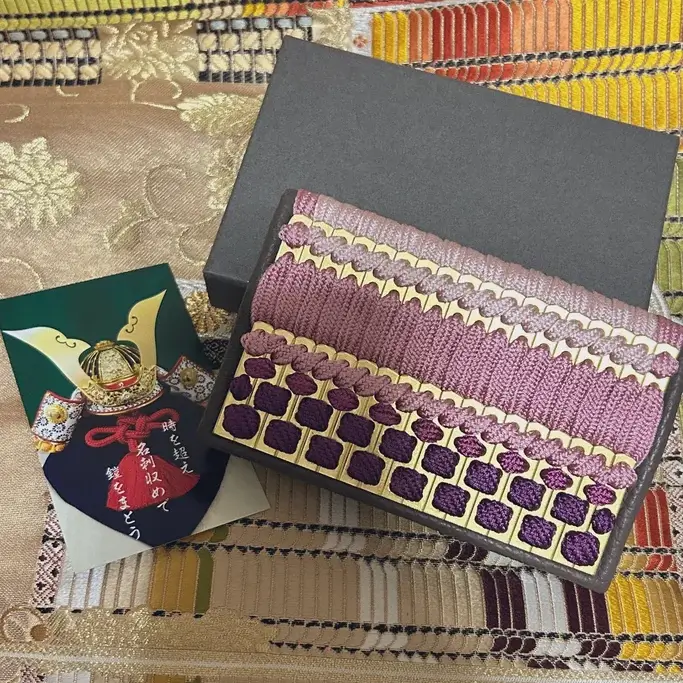
Samurai armor was known for its striking designs and workmanship. It served not only as protection, but also as a symbol of the wearer’s strength and artistic taste. This combination of power and beauty has inspired a new generation of artists to revive the aesthetic.
They are reintroducing a look that has not been a fashion trend for centuries. This new aesthetic is the latest way to display the feudal-era style of a bygone age while living in a modern world. Today, we’ll investigate samurai armor purses, the skills used to make them, and why they’re making a comeback today.
How did samurai armor originate in Japan?
Samurai armor or yoroi, was heavily influenced by Chinese and Korean designs. Once adopted by Japan, it evolved to suit Japan’s early military needs. Early designs, such as tanko, used iron plates and leather. In the Heian period (794–1185), oyoroi emerged for mounted samurai archers. These were heavy, boxy suits, almost unrecognisable as the iconic samurai gear we know today.
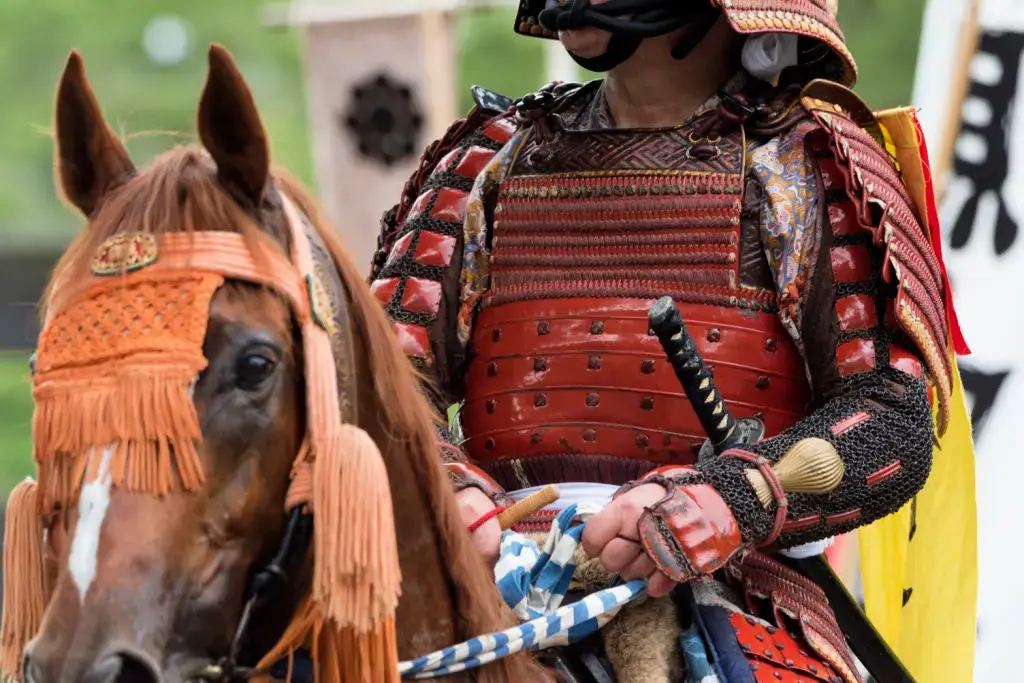
As warfare increased, the Kamakura period (1185–1333) introduced the lighter do-maru style for foot soldiers. This continues to be developed throughout the Sengoku period (1467–1615). By the Edo period (1603–1868), peace had reduced armor’s practical use, but its decorative role grew. Artisans in cities like Edo (now Tokyo) began crafting ornate pieces for display. This period’s elaborate pieces and craftsmanship truly inspired Japanese armor and today’s samurai armor purses.
What are samurai armor purses?
Samurai armor purses are modern accessories inspired by traditional samurai attire. The look draws heavily from the aesthetic of traditional yoroi used in ancient Japanese warfare. Their appeal is fuelled by combining traditional practicality, contemporary style, and functionality. The designers aim to honor the samurai’s legacy while creating functional, stylish items.
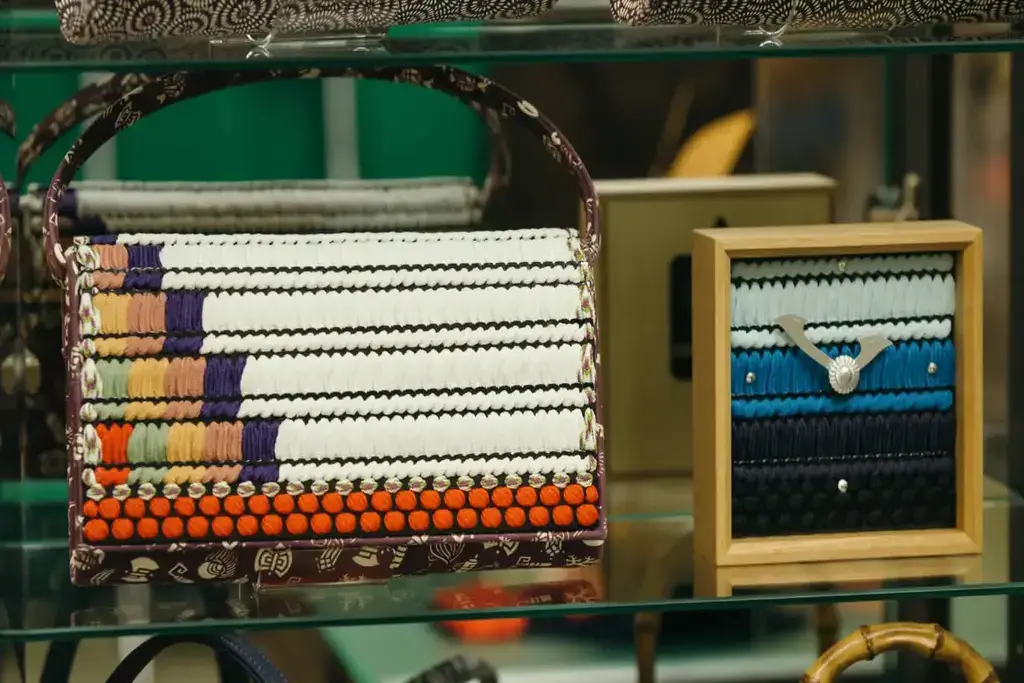
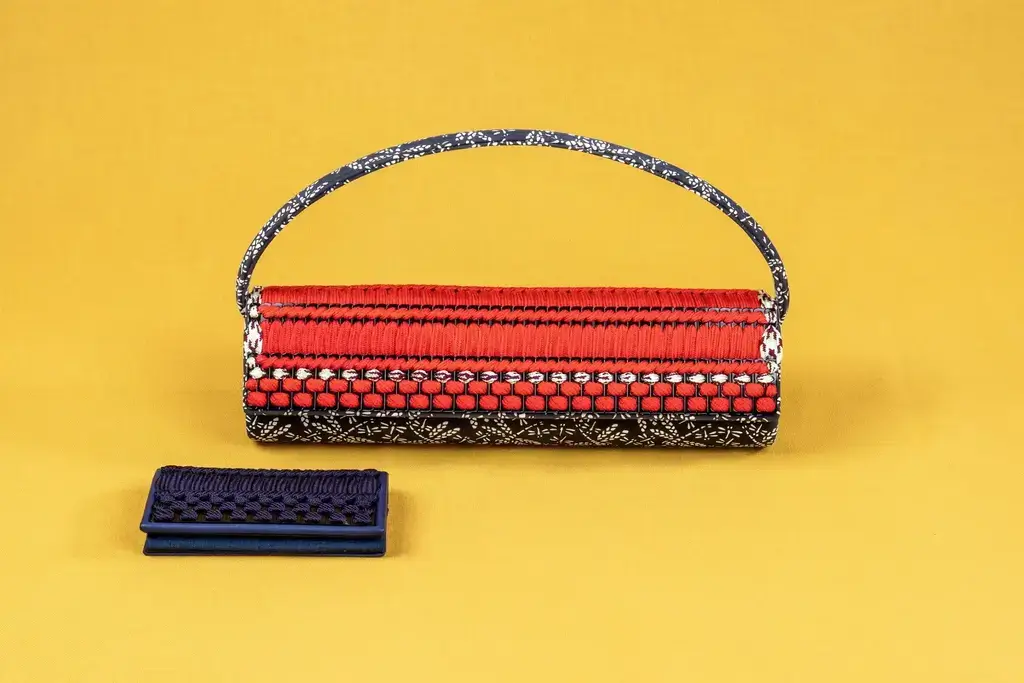
These artisans use techniques from the past, similar to those of armor makers, to mimic the samurai look. They use materials like leather and metal and techniques like stitching and lacquered finishes to achieve an iconic appearance. Purses are not the only pieces to which the aesthetic is applied. A metal-armored wallet costs around 40,000 yen, and a business tote bag can cost as much as 170,000 yen.
Are you looking for excellent snacks this summer? Check out Sakuraco! Sakuraco delivers traditional Japanese snacks, teas, and sweets from local Japanese makers directly to your door so you can enjoy the latest treats directly from Japan!

Design Elements of Samurai Armor Purses
The samurai designs often feature kozane – the small, overlapping metal plates that resemble scales. Silk or cotton cords mimic the odoshi lacing and kumihimo braiding of samurai wear. Deep reds, gold, and the special navy known as “Japan Blue” are the preferred color choices. Well-known crests such as the Tokugawa clan’s hollyhock and helmet ornaments (maedate) are also incorporated into the designs.
Craftsmanship and Artisans Behind the Purses
Creating these wearable works of art relies on skilled artisans across Japan. These craftsmen often study and practice for years to perfect the Edo-era hand-hammering and lacquering techniques. Each item takes weeks to complete. Several companies across Japan pass the skills on to the next generation. Katsuyo Goto owns Koujin, a 120-year-old samurai armor factory in Sumida Ward, Tokyo.
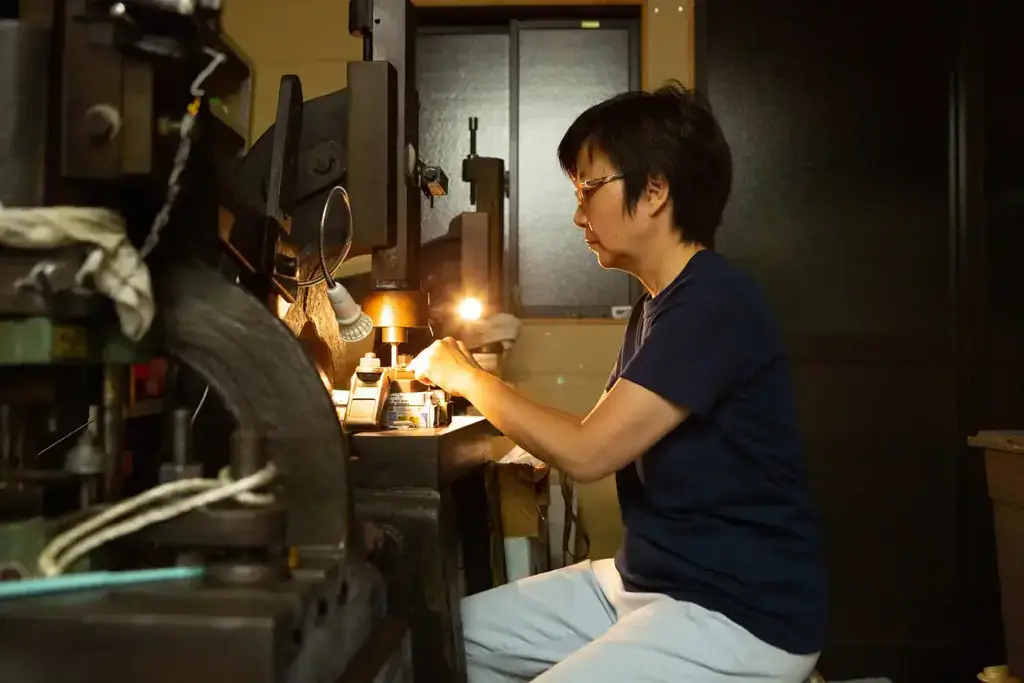
The company has been in the family for five generations. Koujin’s “Yoroi-Temoto” bags utilize the odoshi technique to create graduated patterns (murasaki susogo), and the grass-like “omodaka” pattern. Marutake Industries in Kagoshima, a 15-minute drive from Kagoshima-Chuo Station, is another leader in this craft. The company has supplied armor for classic samurai films like Ran and sells its products globally. Visitors to their showroom have a chance to see their artists at work.
The Rising Popularity of Samurai Purses in Modern Japan
These accessories first appeared on Japan’s fashion scene in the early 2000s, but their popularity surged after magazine features in early 2025. Now, they can be found at shops in larger cities like Tokyo and Kyoto, boutiques in Harajuku, and online shops like Samurai Store.
This recent surge in popularity has made them available at retail shops and from the manufacturers themselves. They are finding a new customer base with collectors, fashion enthusiasts, and history lovers. These items are also now featured at festivals alongside traditional crafts. Their high demand amongst collectors and tourists has also earned them a place in hobby stores and specialty shops focusing on samurai figurines, cosplay, and replicas. Fashion designers are also using samurai purses to celebrate Japan’s past.
Why are samurai armor purses becoming popular in Japan?
Samurai armor purses are becoming popular in Japan because they connect to the disciplined bushido code. The craftsmanship behind each purse honors both the craftsmen of the past and the modern-day artisans who keep their traditional skills alive. They play an essential part in cultural preservation and showcase the dedication of Japan’s artists to preserving their artistic heritage.
Samurai purses blend Japan’s warrior past with its present. This fusion and their unique design make them a statement that creates a unique identity for the owner. People connect with Japan’s samurai legacy by wearing or displaying these purses, keeping the warrior spirit alive in today’s world. What is your opinion of this fashionable product? How much would you spend to own one? Share your thoughts below!
Discover authentic flavors with Sakuraco
Get Sakuraco 
Discover authentic flavors with Sakuraco
Get Sakuraco
Related Articles
Akidearest Talks About Living in Japan & Creating Content
Excerpt
Akidearest shares her journey as a creator, her experiences living in Japan, thoughts on internet culture, favorite anime, and the everyday moments that continue to inspire her both online and offline.
Okinawa Folklore: The Legends of Japan’s Southern Islands
Okinawa is famous for its beautiful beaches, unique culture, and rich history. Located in the southernmost part of Japan, the islands were once the independent Ryukyu Kingdom before becoming part of modern Japan.
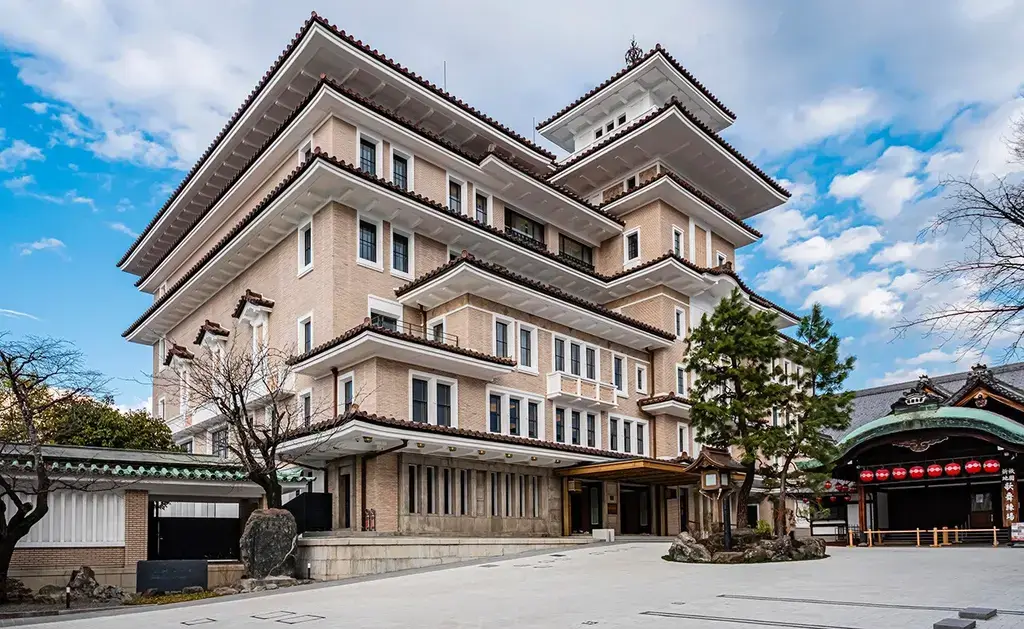
Imperial Hotel Kyoto: A New Chapter for a Historic Gion Landmark
The Imperial Hotel Kyoto represents one of the most significant hotel openings in Japan in recent years. Located in Kyoto’s famous Gion district, the luxury property combines modern hospitality with the preservation of an important cultural landmark.
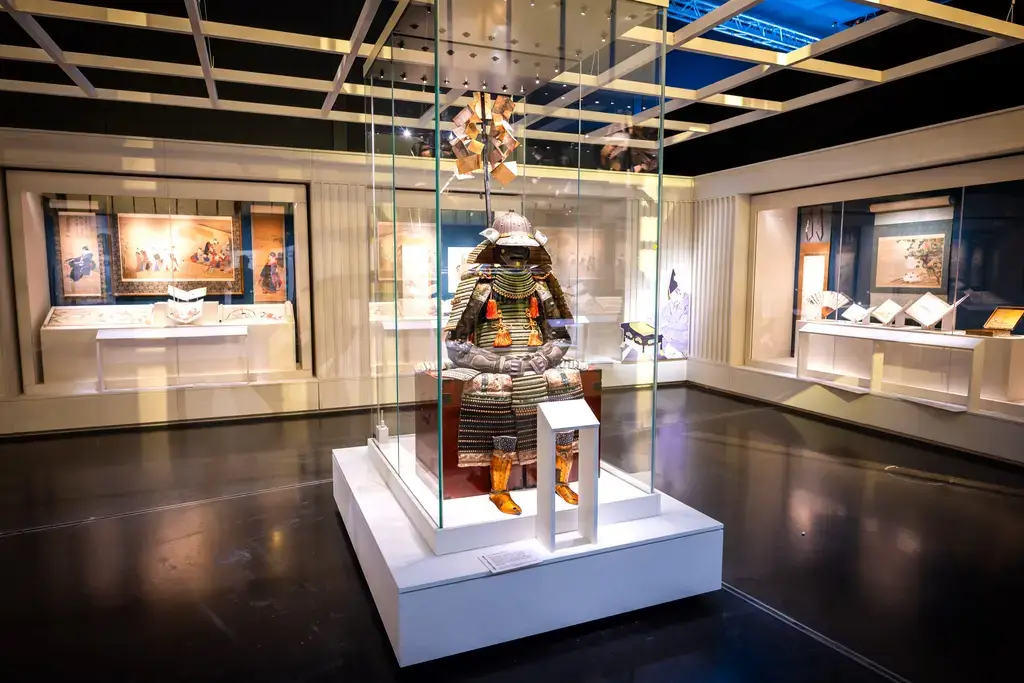
Samurai Exhibit at the British Museum Showcases Complex History
For many people outside Japan, the word “samurai” immediately brings to mind armored male warriors carrying swords into battle. Films, television, and video games have reinforced that image for decades. But the British Museum’s major 2026 exhibition, “Samurai,” presented a broader, more historically layered interpretation of Japan’s warrior class — including the important role women played within it.