

Discover authentic flavors with Sakuraco
Enjoy new Japanese sweets, snacks & tea every month starting from $32.50 USD


While Christmas Day isn’t a national holiday in Japan, its popularity has grown remarkably. So, how did this tradition start, and what makes it so special in Japan?

Kebari are traditional hand-tied flies used for freshwater fishing in Japan, especially in mountain streams where small insects form the main diet of native fish. Instead of bright plastic lures, kebari use feathers, thread, and natural materials to create subtle movements in the water.
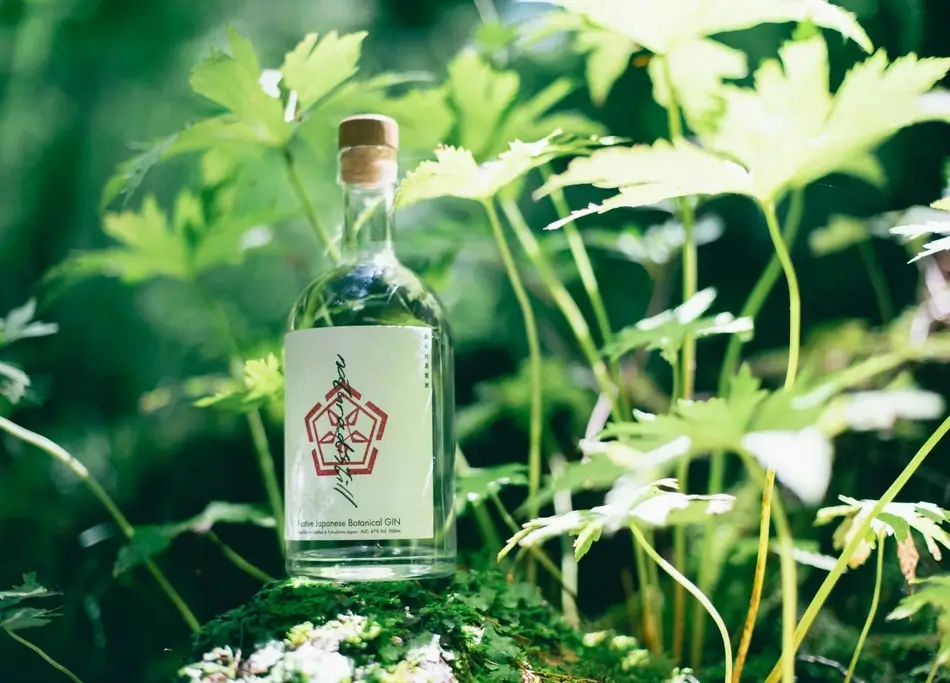
Japanese gin has gained popularity due to the use of local ingredients and meticulous production methods by many distilleries. A new gin from Fukushima is adding momentum to this trend by focusing on the region’s water and native plants.
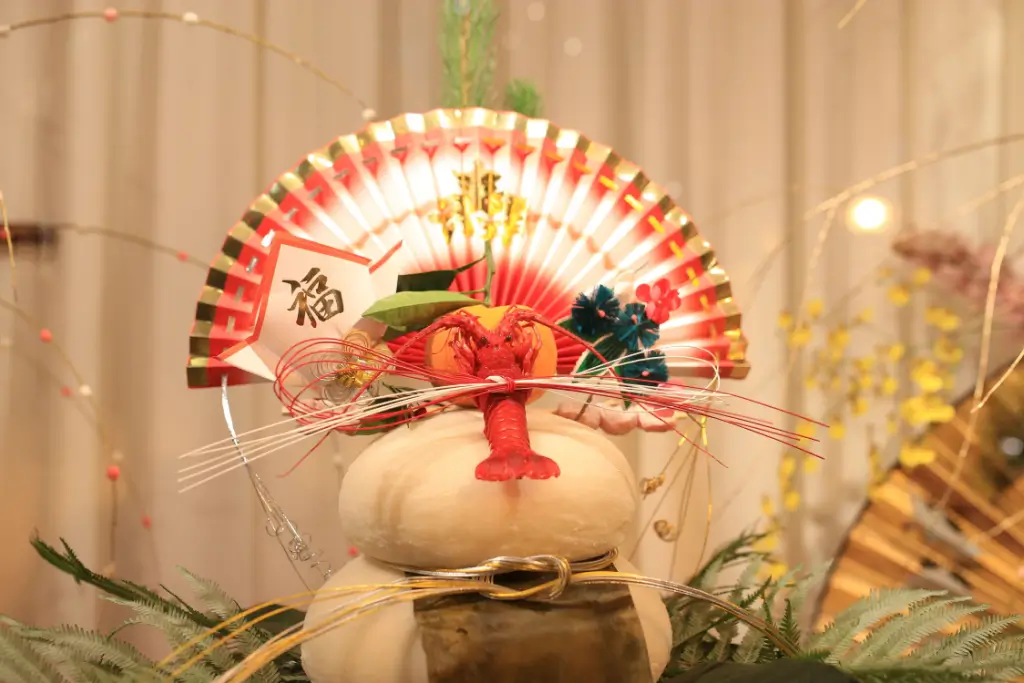
In the Shinto tradition, Toshigami is the deity who arrives at the end of every year and remains through the New Year to bring blessings, a bountiful harvest, and good fortune. People in Japan honor Toshigami at the turn of the year with rituals, decorations, and special foods.
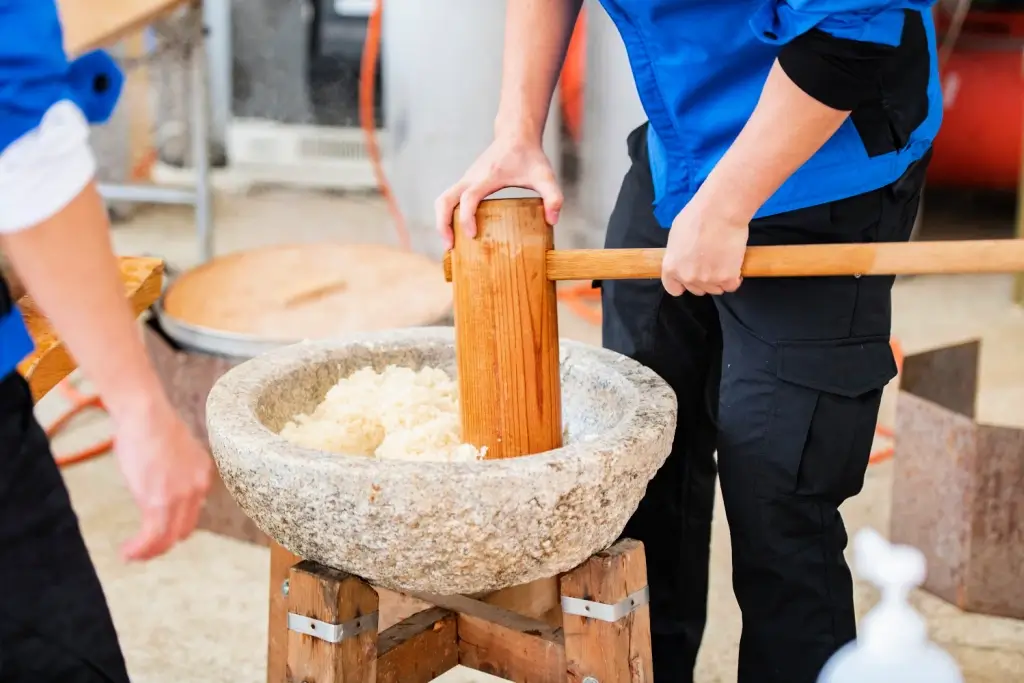
Mochitsuki is the Japanese tradition of pounding steamed rice to make mochi for the New Year. Families and neighbors gather to participate in this lively and meaningful tradition. The teamwork involved helps everyone feel a sense of connection.
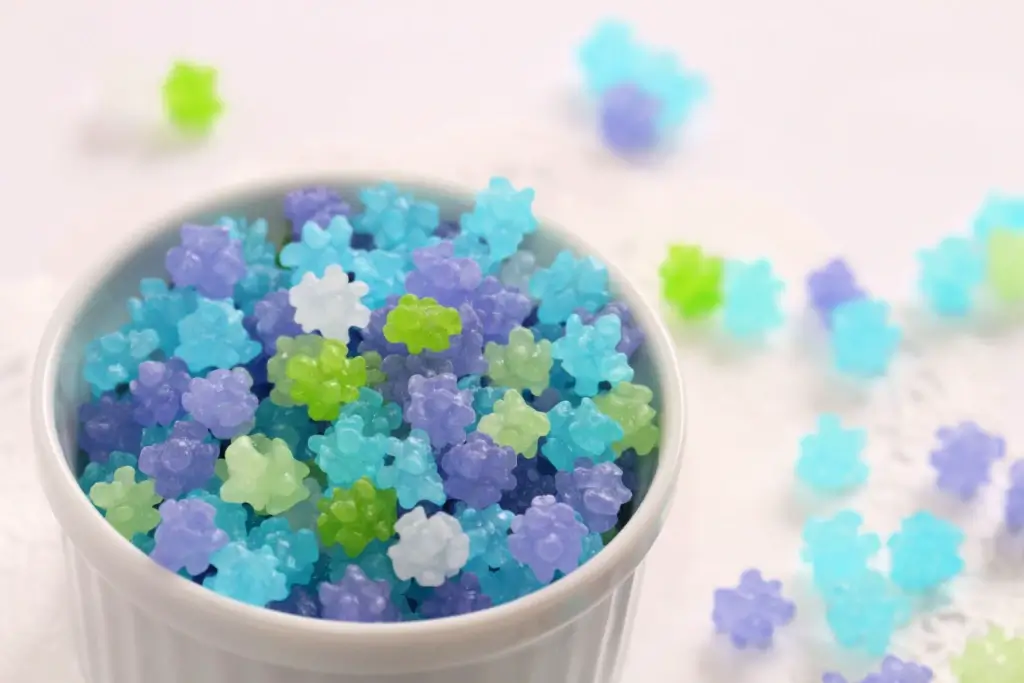
If you are a fan of the famous Demon Slayer series, then you probably know that the favorite treat of the adorable Nezuko Kamado is those tiny, colorful little sweets.
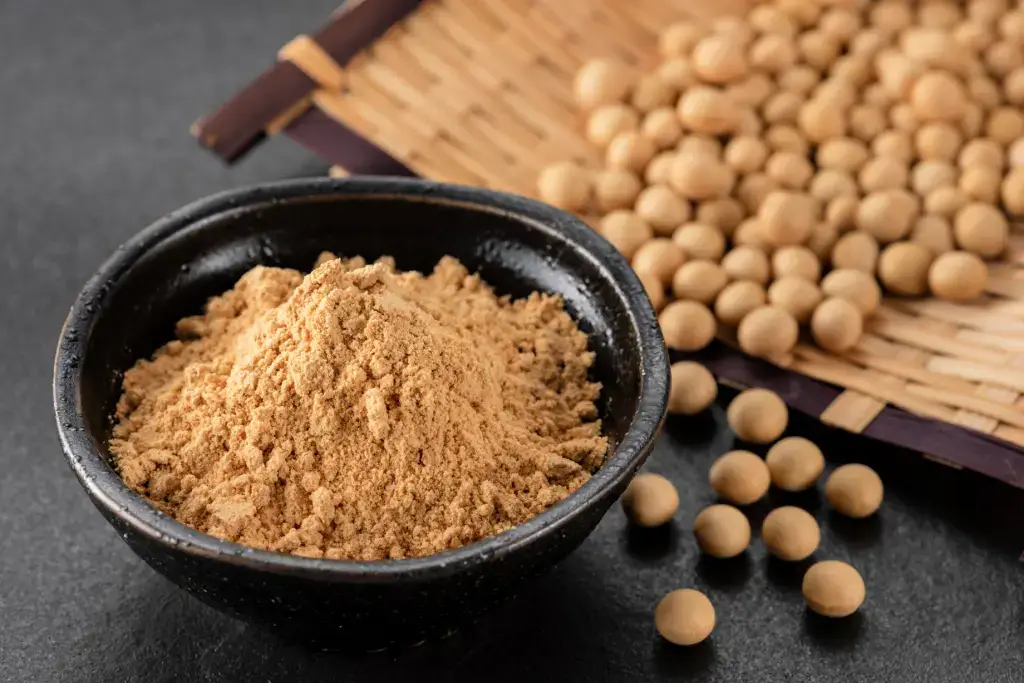
Kinako is a very popular ingredient that can easily be found in many traditional Japanese sweets. It has a distinctive flavor, standing alongside other classic tastes such as red bean or sesame. Let’s explore this charming ingredient together, and who knows, you might even be able to make it in your own beloved kitchen!
Enjoy new Japanese sweets, snacks & tea every month starting from $32.50 USD





 brand.