


fukushima, japanese gin
Japanese Gin: How a New Distillery Is Redefining Craft Spirits

James Lau

Posted on December 12, 2025
Share:
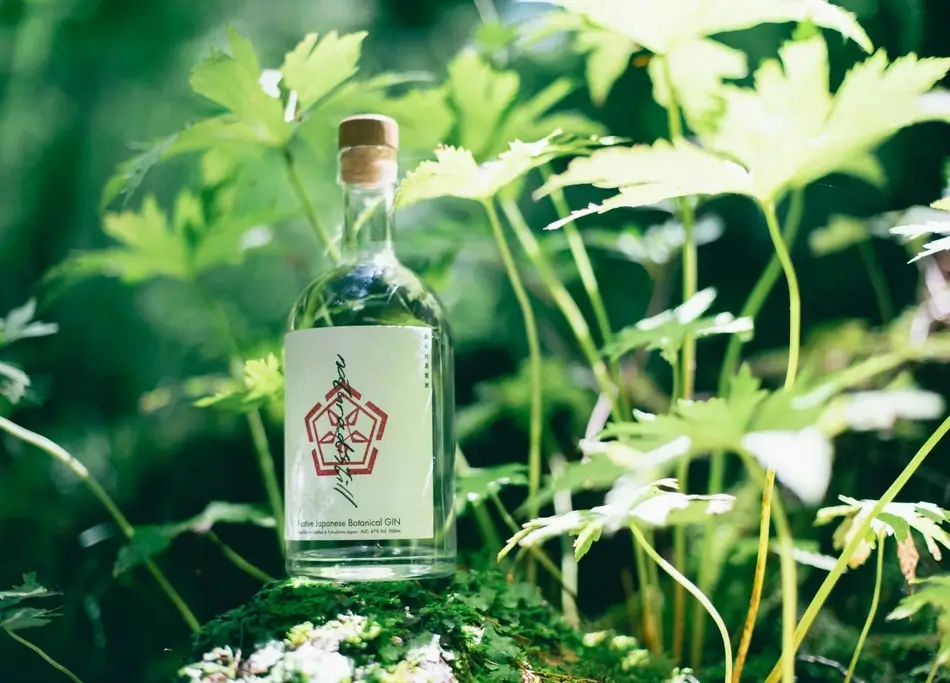
Japanese gin has gained popularity due to the use of local ingredients and meticulous production methods by many distilleries. A new gin from Fukushima is adding momentum to this trend by focusing on the region’s water and native plants. The distillery behind it hopes to help rebuild the prefecture’s image after the 2011 nuclear disaster. Its founder believes spirits can carry a sense of place and inspire people to visit.
A Brief History of Gin in Japan
Gin first became known in Japan in the early 20th century, when imported Western liquors began to enter major ports. For many decades, Japanese consumers mainly drank foreign gin rather than domestic versions. Local production stayed small because breweries and distilleries focused more on sake, shochu, and whisky. Interest in gin surged in the 2000s as bartenders and drinkers sought out new cocktails and craft spirits.
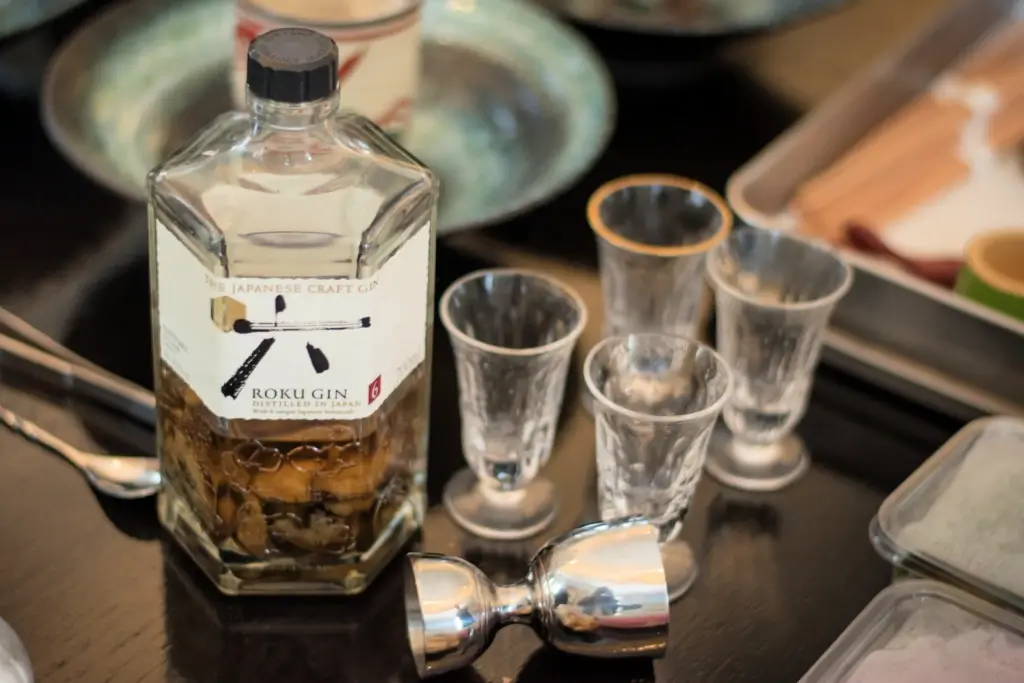
As the craft movement gained momentum, distillers began creating gins with regional ingredients such as yuzu, sanshō pepper, and sakura blossoms. These flavors gave Japanese gin a softer and more balanced profile compared to Western gin. Makers emphasized clean water, slow distillation, and harmony of botanicals, building a reputation for high quality and a distinct Japanese identity. Today, Japanese gin is respected for its precision and creativity.
Fukushima’s New Gin and Its Purpose
maturadistill [sic] Kawauchimura Joryusho is a small craft gin distillery in Kawauchi Village. Its founder, 29-year-old Sota Oshima, aims to alter public perceptions of the region following the 2011 earthquake and tsunami. He uses local spring water and botanicals gathered from the surrounding forests. Oshima describes his goal as sharing the “aroma of Fukushima” with the world. He hopes the gin will encourage people to visit the area and understand its natural beauty.
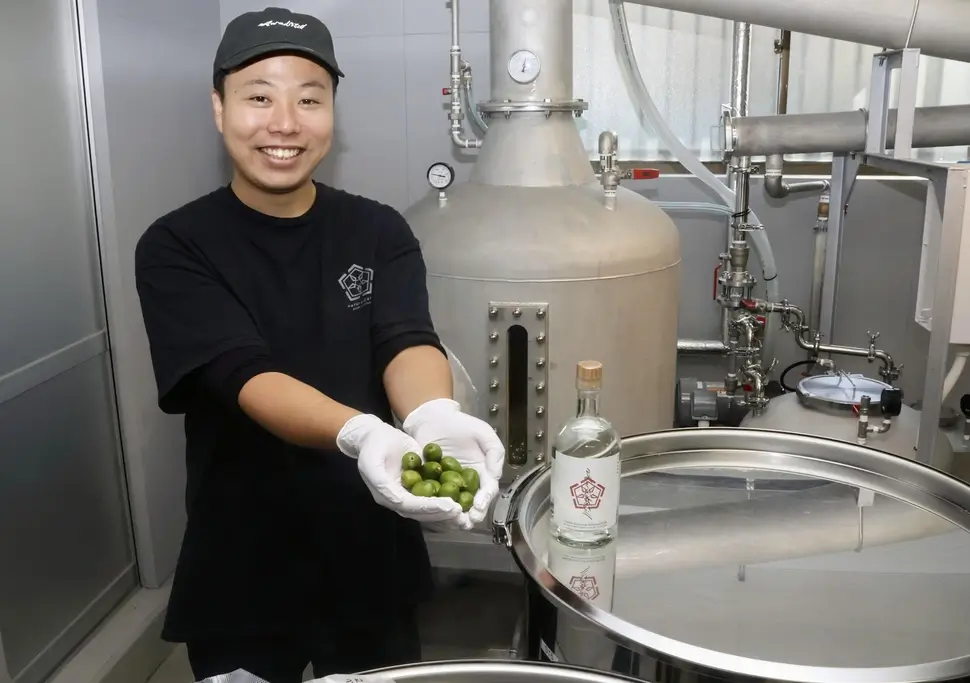
Oshima renovated an unused storage shed from an old pharmacy to start his distillery in 2023. His interest in repairing Fukushima’s image deepened during a study abroad program in Canada, where he was once asked if the region was still livable. That question motivated him to take action through craftsmanship. Creating gin allowed him to highlight local ingredients while producing something that could be exported easily.

The Flavor and Craftsmanship Behind the Gin
Fukushima’s gin is built around Japanese nutmeg and other native plants from the region. These botanicals create an aroma that mixes gentle spice with fresh herbs and soft citrus. The distillery produces around 6,000 liters per year, focusing on small batches to maintain quality. Its main product, Native Japanese Botanical Gin, sells for 4,980 yen, while a Shiso Hop Gin is priced at 5,500 yen. Both aim to represent flavors unique to the prefecture.
The use of spring water is central to the gin’s smooth character. The water lends the spirit a clean finish that complements highballs, gin and tonics, and simple cocktails. Oshima believes that careful distillation helps express the personality of each ingredient. He also works closely with local growers to source fresh botanicals that reflect seasonal changes. This approach lends the gin a sense of place that is uniquely associated with Fukushima.
Fukushima’s Distillery and Its Growing Reach
The distillery is small, but its reach is growing rapidly. In May, it began selling products in Singapore, where Japanese craft spirits have gained strong attention. Oshima also plans to expand into Taiwan and the United States in the coming year. The distillery showcased its gin at the Osaka World Exposition, leading some visitors to travel to Kawauchi afterward. These early successes show that international drinkers are curious about Fukushima’s story.
For the local community, the distillery represents more than a business. Many residents see it as a symbol of the region’s recovery and resilience. Tourism officials hope the gin will encourage travelers to explore villages that are reopening and rebuilding. The distillery also collaborates with local producers to support the region’s agriculture. This combination of craft and community makes Fukushima’s gin meaningful both inside and outside Japan.
The Future of Japanese Gin and Fukushima’s Role
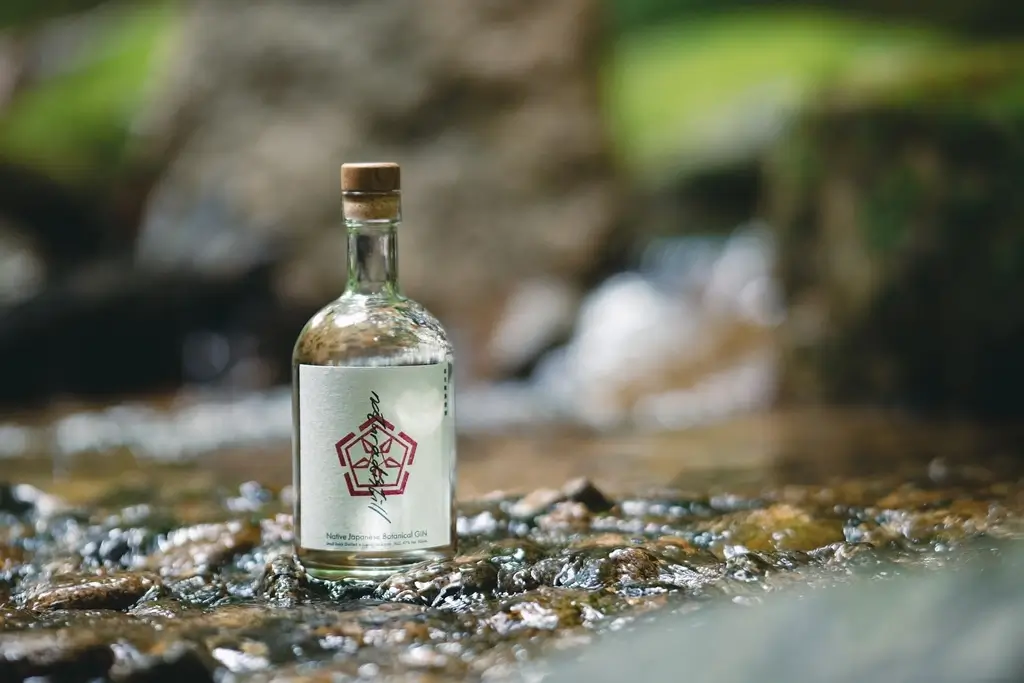
Japanese gin continues to grow as more regions develop their own styles. Distillers are exploring new flavors, from mountain herbs in Nagano to citrus blends in Shikoku. Fukushima adds another distinct voice to this landscape with its focus on forest plants and soft spring water. The region’s recovery conveys a more profound message beyond mere taste. As demand rises, Fukushima could become one of Japan’s notable craft gin regions.
Importers and bartenders are also paying close attention to how Japanese gin pairs with food. The balanced flavor of Fukushima’s gin makes it suitable for light dishes, grilled vegetables, and even traditional Japanese meals. Its smooth profile also aligns with modern cocktail trends that favor clean and simple ingredients. As more people discover it, Fukushima’s reputation for quality craftsmanship will continue to grow.
Why should I try this new gin?
Trying this new gin is a way to experience flavors that come directly from the forests and waters of Fukushima. The botanicals are carefully gathered, and the small-batch process preserves their natural and balanced taste. Oshima’s focus on local ingredients creates a spirit that stands out from other Japanese gins. Its smooth texture makes it easy to enjoy in cocktails or on its own. If you value quality and freshness, this gin offers both.
The gin also carries meaning beyond the glass. Drinking it supports a region working to rebuild its image and strengthen local businesses. The distillery employs local talent, sources local ingredients, and engages with the community. By trying it, you are tasting a product made with pride and purpose. It is both a high-quality drink and a symbol of Fukushima’s recovery. Do you drink gin? What do you think of this new gin from Fukushima? Let us know in the comments below!

Discover authentic flavors with Sakuraco
Get Sakuraco 
Discover authentic flavors with Sakuraco
Get Sakuraco
Related Articles
Akidearest Talks About Living in Japan & Creating Content
Excerpt
Akidearest shares her journey as a creator, her experiences living in Japan, thoughts on internet culture, favorite anime, and the everyday moments that continue to inspire her both online and offline.
Okinawa Folklore: The Legends of Japan’s Southern Islands
Okinawa is famous for its beautiful beaches, unique culture, and rich history. Located in the southernmost part of Japan, the islands were once the independent Ryukyu Kingdom before becoming part of modern Japan.
Imperial Hotel Kyoto: A New Chapter for a Historic Gion Landmark
The Imperial Hotel Kyoto represents one of the most significant hotel openings in Japan in recent years. Located in Kyoto’s famous Gion district, the luxury property combines modern hospitality with the preservation of an important cultural landmark.
Samurai Exhibit at the British Museum Showcases Complex History
For many people outside Japan, the word “samurai” immediately brings to mind armored male warriors carrying swords into battle. Films, television, and video games have reinforced that image for decades. But the British Museum’s major 2026 exhibition, “Samurai,” presented a broader, more historically layered interpretation of Japan’s warrior class — including the important role women played within it.