


konpeito candy
Konpeito Candy: What Makes This Starry Treat Shine?

Thuy Fang

Posted on December 11, 2025
Share:
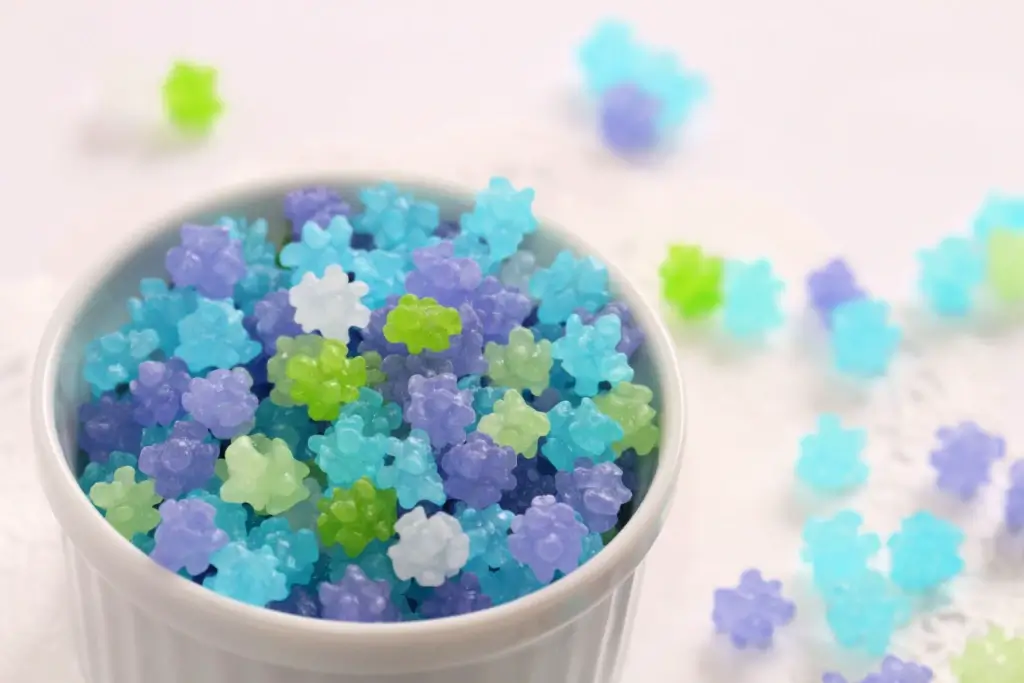
If you are a fan of the famous Demon Slayer series, then you probably know that the favorite treat of the adorable Nezuko Kamado is those tiny, colorful little sweets. They are called konpeito! In Japan, konpeito candy is one of the most iconic traditional treats, and it has appeared in many classic anime works, such as Spirited Away by Studio Ghibli and Kobato. Let’s explore this beloved treat in detail!
What is konpeito?
Konpeito is a charming Japanese sugar candy that resembles a tiny star captured in sweet, crystal form. Its name comes from the Portuguese word “confeito”, meaning candy. At first glance, you’ll notice its round shape covered in little bumps that make it look playful and elegant at the same time. These bumps sparkle under the light, contributing to the candy’s crunchy, crisp texture that people adore.
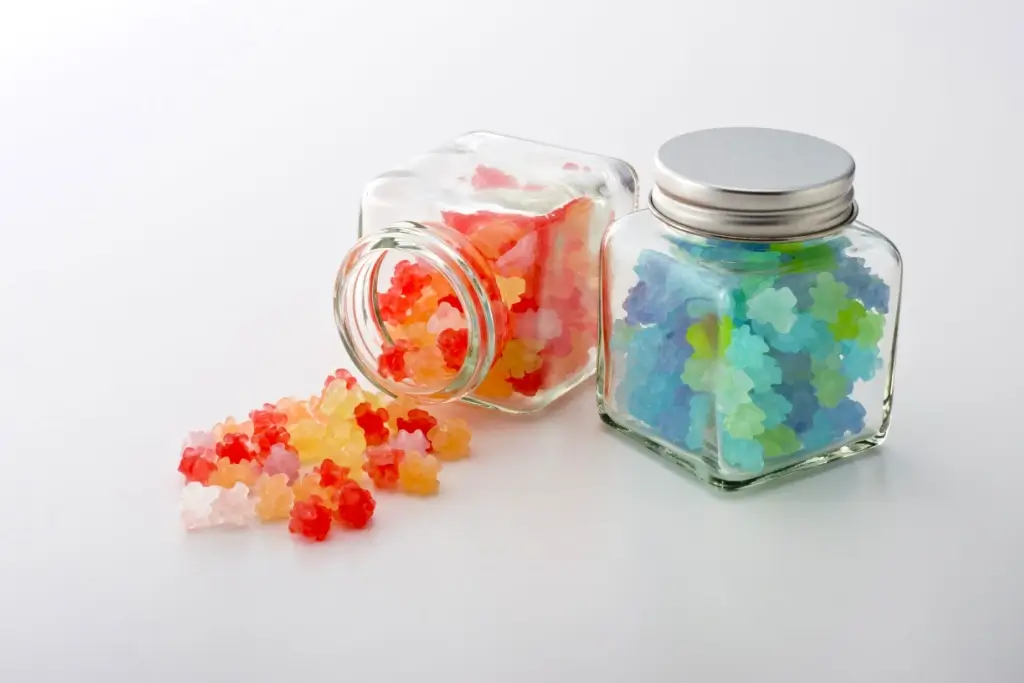
As you enjoy konpeito candy, you’ll find that it melts slowly on your tongue, making each moment feel fun and calm. The texture is firm and crunchy at first, then becomes softer as it dissolves. Even though many pieces are plain sugar, modern konpeito can offer delightful flavors such as yuzu, strawberry, peach, or matcha. These flavors make every handful feel exciting because each color may surprise you with a different taste.
There is a wide variety of konpeito candy, each with its own charm. Some versions focus on traditional sweetness, while others explore fun fruit flavors or refreshing soda tastes. A few even use special Japanese sugars to create more elegant notes. No matter the variety, konpeito always retains its starry shape, lovely colors, and friendly sweetness.
What is the origin of this candy?
It has a long story that began far from Japan. In the 16th century, Portuguese traders and missionaries brought this sparkling candy to Japan during their travels. At that time, sugar was scarce in Japan, so the candy felt like a precious treat. A famous moment came when Luis Frois offered a glass flask of konpeito to the powerful lord Oda Nobunaga. This gift helped him gain permission to continue his Christian mission and introduced konpeito candy to Japanese leaders.
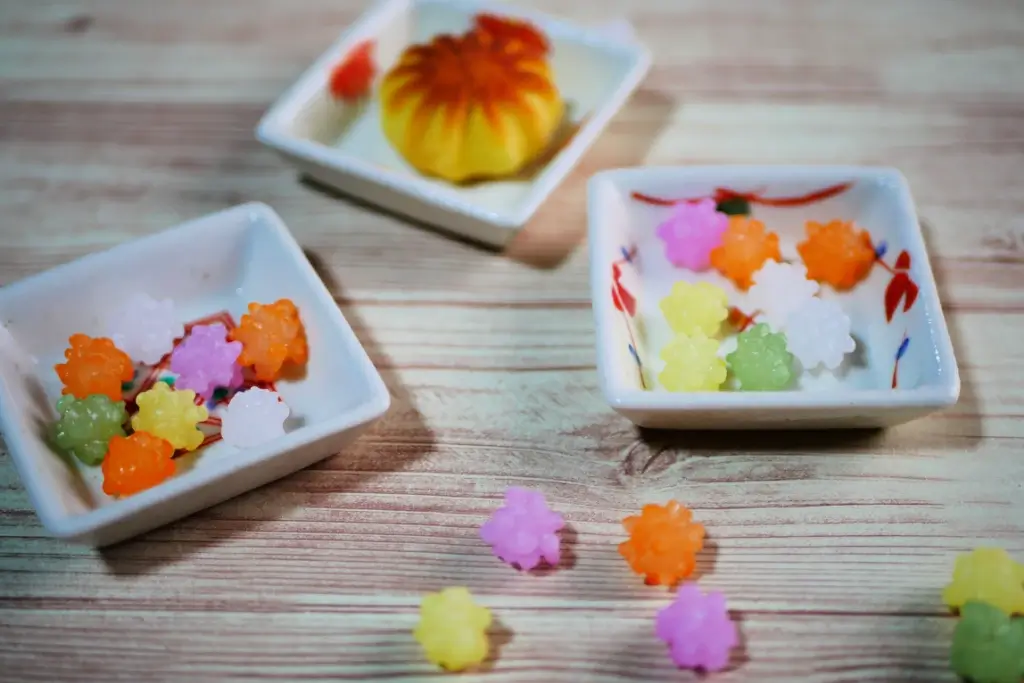
As the years passed, konpeito slowly entered Japanese life. During the early Edo period (1603-1868), trade with other countries increased, and sugar became more readily available across Japan. This change encouraged skilled artisans in cities like Nagasaki and Kyoto to experiment with the candy. They learned the Portuguese technique and created their own version, using coarse sugar as the center instead of seeds.
Their work helped konpeito candy grow from a rare treasure into a treat that more people could enjoy. By the time of the Meiji era (1868-1912), this sweet had already become a beloved symbol of sweetness in Japanese culture.
Are you looking for great snacks like konpeito? Check out Sakuraco! Sakuraco delivers traditional Japanese snacks, sweets, teas, and more from local Japanese makers right to your door!

How is it crafted?
This treat is made from simple ingredients, yet bringing it to life requires a slow, patient process. Each piece begins with a tiny sugar core that waits for many sweet layers to form. Long ago, people used poppy seeds for the center, but artisans now use coarse sugar instead. A warm syrup is prepared from sugar and water, and sometimes a gentle color is added to enhance the candy’s appearance. This syrup will slowly grow the small core into a round and cheerful treat.
The candy grows inside a special metal drum called a dora. This drum tilts slightly and rotates all day while gentle heat warms the inside. As the drum moves, artisans carefully drizzle thin streams of syrup over the tiny sugar cores. The syrup hardens gradually, and each layer adds more shape to the candy. The repeated turning and heating help create the playful bumps.
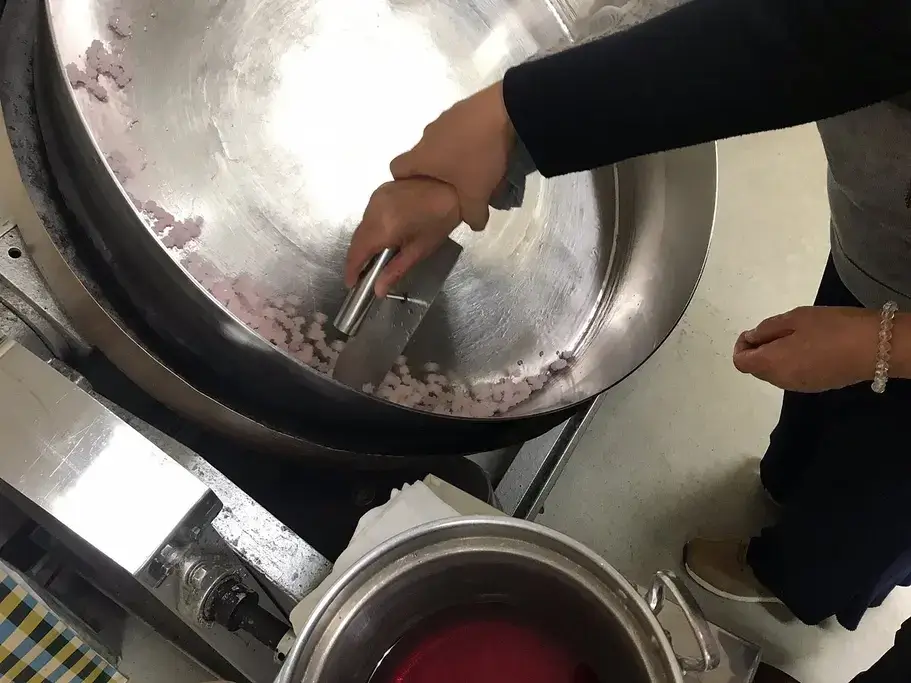
Over time, the candies grow larger and rounder while their charming spikes slowly appear. Each batch requires multiple layers of syrup before it reaches the desired size. The process takes about one to two weeks because every piece must grow at the same steady pace. This slow rhythm allows the candy to firm up and become shiny. Plus, it also protects the shape from melting during warm weather.
Even today, konpeito is crafted with great care by skilled artisans who understand the rhythm of the Dora. They must listen to the sound of the drum, watch the shine of the syrup, and feel the temperature with gentle precision. Their work keeps the sweet lively and beautiful.
How do I use this sweet?
You can enjoy konpeito in many warm and cheerful moments, especially during special occasions in Japan. It often appears at celebrations as its bright colors make every table feel lively. Many people like to share it during family gatherings to bring good luck to everyone. When served with tea, it adds a gentle touch of sweetness that complements the rich flavor of green tea.
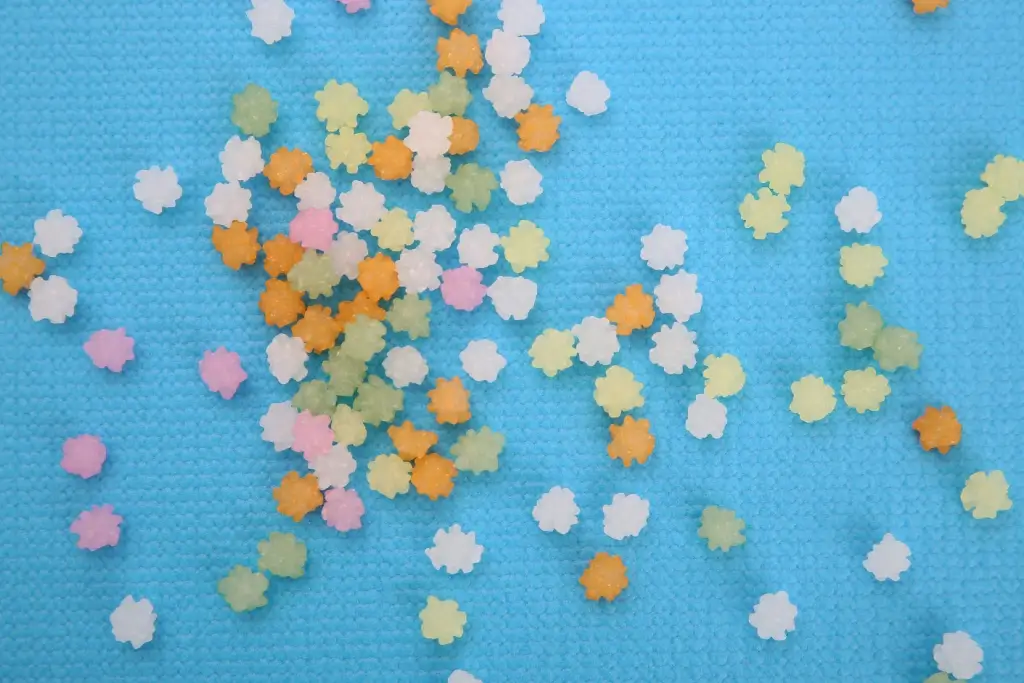
This sweet is also a charming gift given at weddings or when a new baby is welcomed into the family. It’s usually placed in a beautiful box called a bonbonniere, which makes the gift feel elegant and thoughtful. These pretty boxes are treasured as keepsakes, making the moment more meaningful. Moreover, many believe this sweet carries good fortune, so offering it to guests feels like sharing a kind wish.
During festivals, this little treat becomes even more magical! It appears in joyful events such as Hinamatsuri (Girls’ Day), where its soft colors match the dolls displayed for the celebration. It also shines during Tanabata (Star Festival), because its shape resembles tiny stars sprinkled across the night sky. People sometimes add it to displays or give it as small presents to make the festival more colorful.
Why should I try konpeito candy?
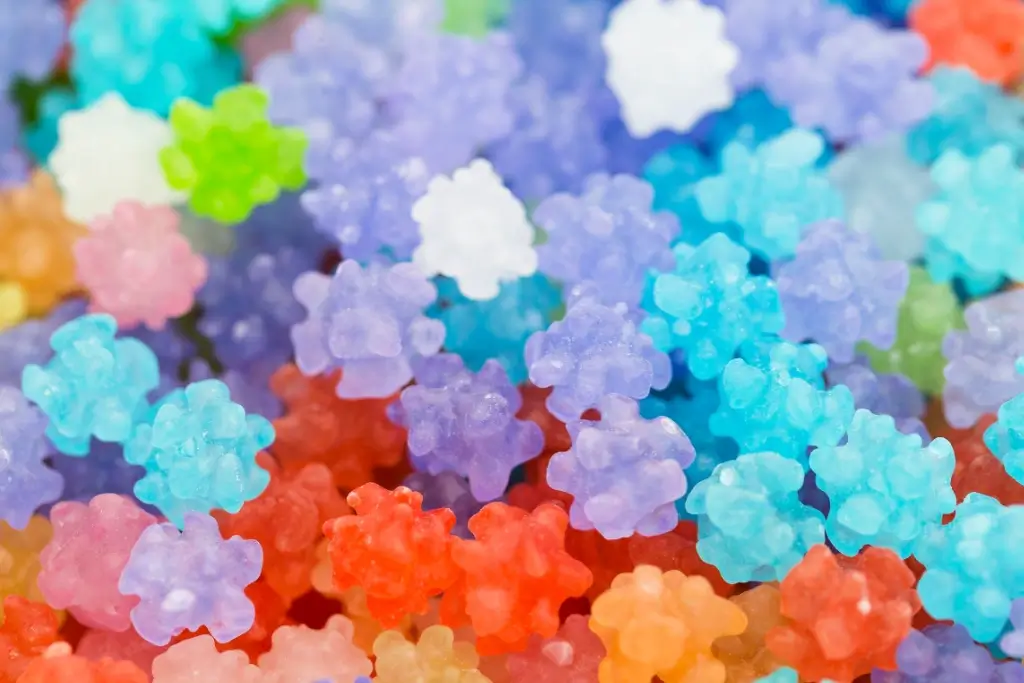
Trying konpeito candy is a simple way to experience a gentle piece of Japanese culture. This tiny treat carries a rich history, yet it still feels fresh and joyful with every bite. Its bright colors, soft sparkle, and pleasant sweetness make it easy to enjoy at any age. You can enjoy it during a quiet tea moment or share it with friends during a happy celebration. Each piece feels like a small reminder that even the little things can bring a warm feeling of comfort. Before you go, what memory or moment would you like to match with this cherished sweet? I’d love to hear your thoughts in the comments!
Discover authentic flavors with Sakuraco
Get Sakuraco 
Discover authentic flavors with Sakuraco
Get Sakuraco
Related Articles
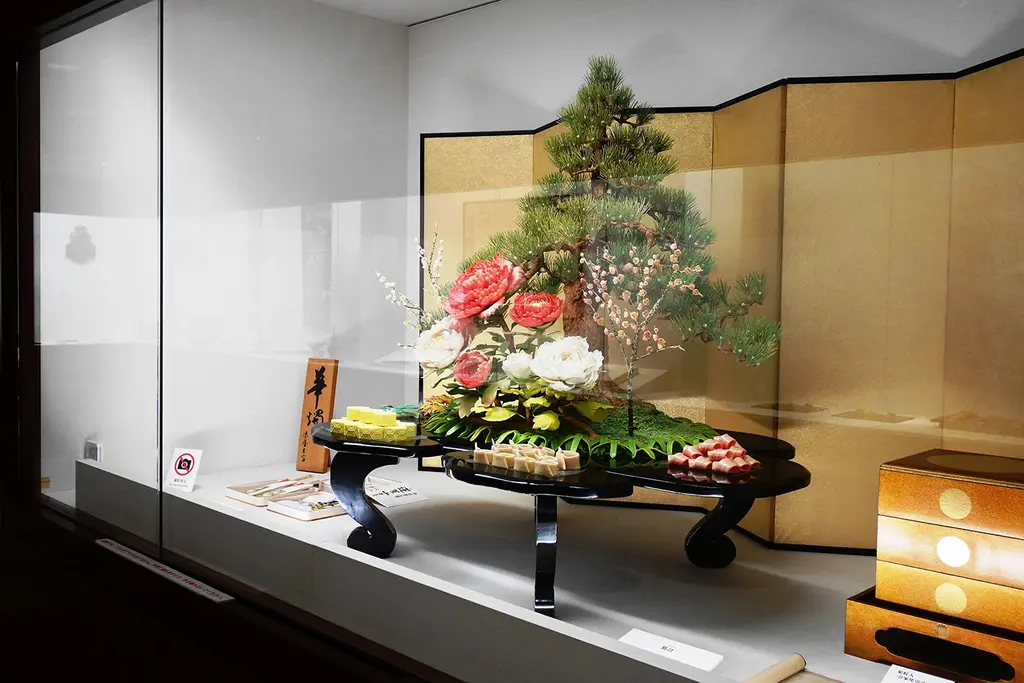
Kyoto Confectionery Museum: Everything You Need to Know
Although Kyoto is famous for temples, gardens, and historic districts, the city is also known for its centuries-old confectionery culture. The Kyoto Confectionery Museum shows how sweets became closely connected to tea ceremonies, seasonal celebrations, and Japanese aesthetics.
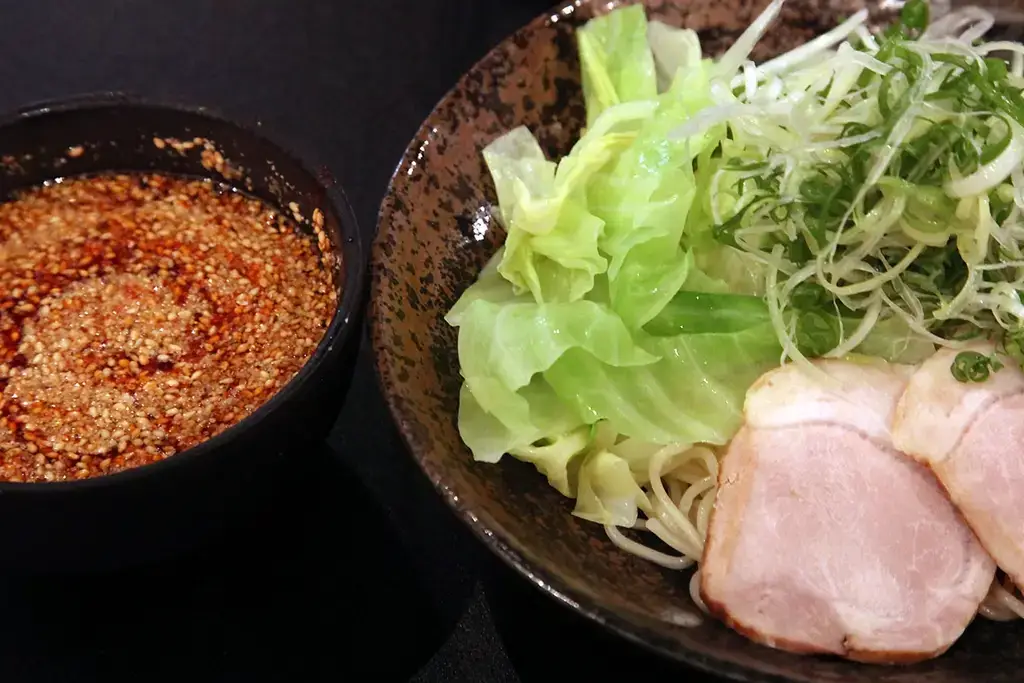
Hiroshima Tsukemen: A Spicy Take on Japanese Dipping Noodles
Tsukemen is one of Japan’s best-known noodle dishes, but Hiroshima offers its own distinctive version that differs sharply from the richer styles found in Tokyo and other parts of the country.
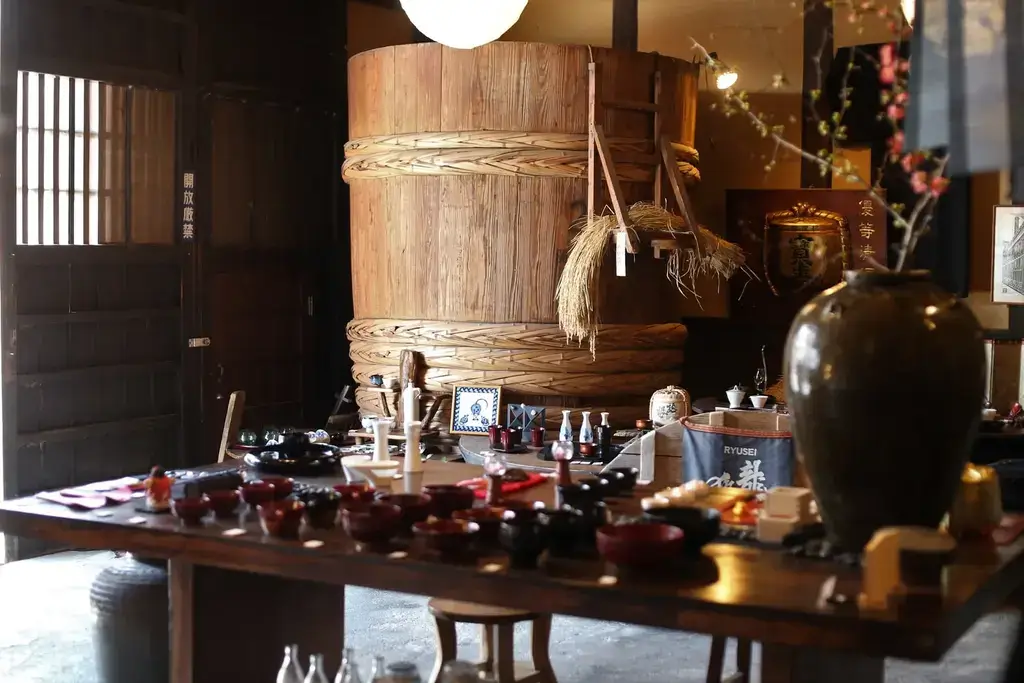
Sake from Takehara City: A History of Brewing
Takehara City in Hiroshima Prefecture is one of Japan’s historic sake towns. Located near the Seto Inland Sea, the city became wealthy during the Edo period through trade and sake brewing. Today, Takehara is still known for its traditional streets, old breweries, and connection to Hiroshima’s sake culture.

Aaron and Claire Soy-Glazed Pork Belly Recipe: A Guide!
Aaron and Claire share an easy soy-glazed pork belly rice bowl recipe that combines tender pork, a rich savory glaze, and simple ingredients for a comforting Japanese-inspired dinner at home.