


japanese theater
Japanese Theater of the Deaf: Bridging Cultures Through Sign

Thuy Fang

Posted on March 26, 2025
Share:
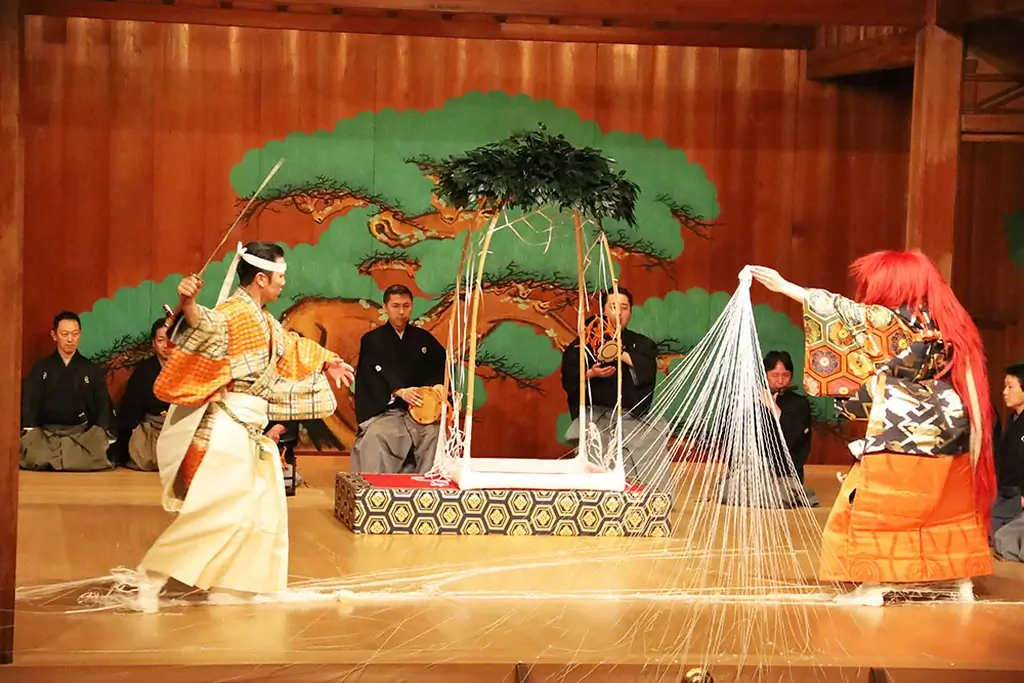
Born from diverse influences, traditional Japanese theater preserves timeless classics while embracing modern innovation to create a rich and distinctive artistic legacy. The Japanese Theater of the Deaf brings this magic to life by skillfully reimagining kyogen through sign language, where every gesture speaks volumes. Their performances create a vivid tapestry of emotion and humor that resonates with audiences at home and abroad. Let’s explore this special theater and its conquest of global crowds!
What is the Japanese Theater of the Deaf?
The Japanese Theater of the Deaf is a unique company that unites people through visual performances. Founded in Tokyo in April 1980, it was created by theater enthusiasts who wanted to make shows accessible to everyone, regardless of hearing ability. Later, they collaborated with actress Tetsuko Kuroyanagi and her Totto Foundation, reflecting their passion for sign language and creative performance in their new name.
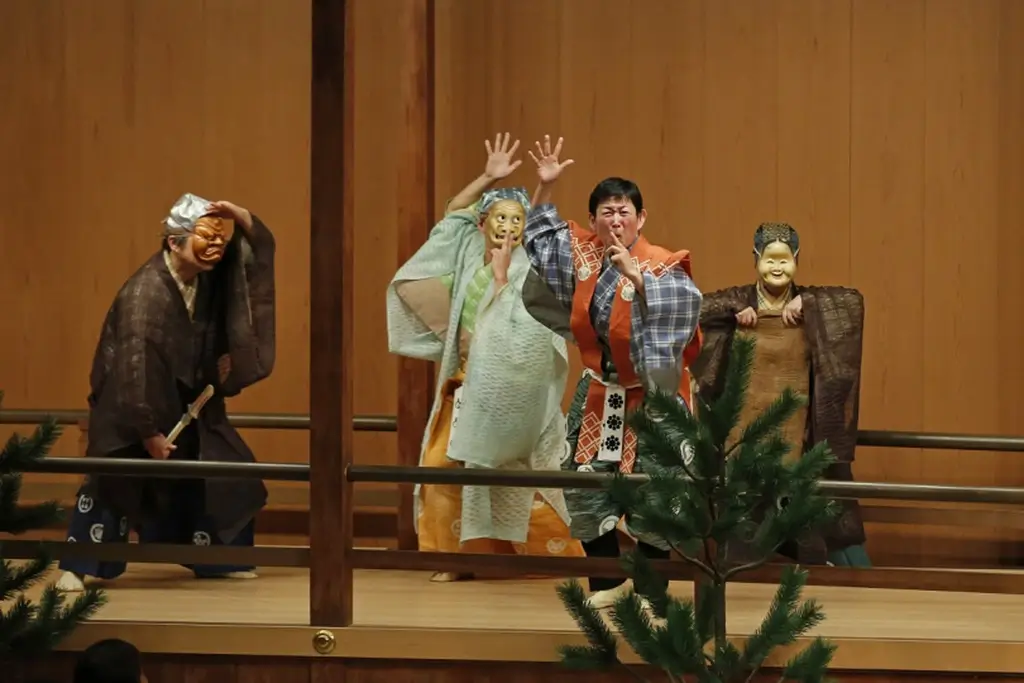
This wonderful group performs all over Japan, sharing various plays, including original plays, kyogen, movement theater, and silent mime. The actors use their hands, bodies, and facial expressions to tell stories, making every performance full of life and energy. Sometimes, professional actors provide live voice-overs, making the performances even more engaging.
Over the years, the Japanese Theater of the Deaf received many awards, including the Agency for Cultural Affairs Arts Festival Award and the Prime Minister’s Award. These honors prove that many people admire their creative work.
Can kyogen and sign language breathe new life into ancient Japanese theater?
Kyogen is a traditional Japanese comic theater that brings fun and laughter to audiences. It started long ago, alongside a more formal theater called Noh. Originally, kyogen was performed between Noh acts to give the audience a light and joyful break. Its roots go back to ancient times when Chinese and Japanese art mixed to create playful, silly performances that made people smile.
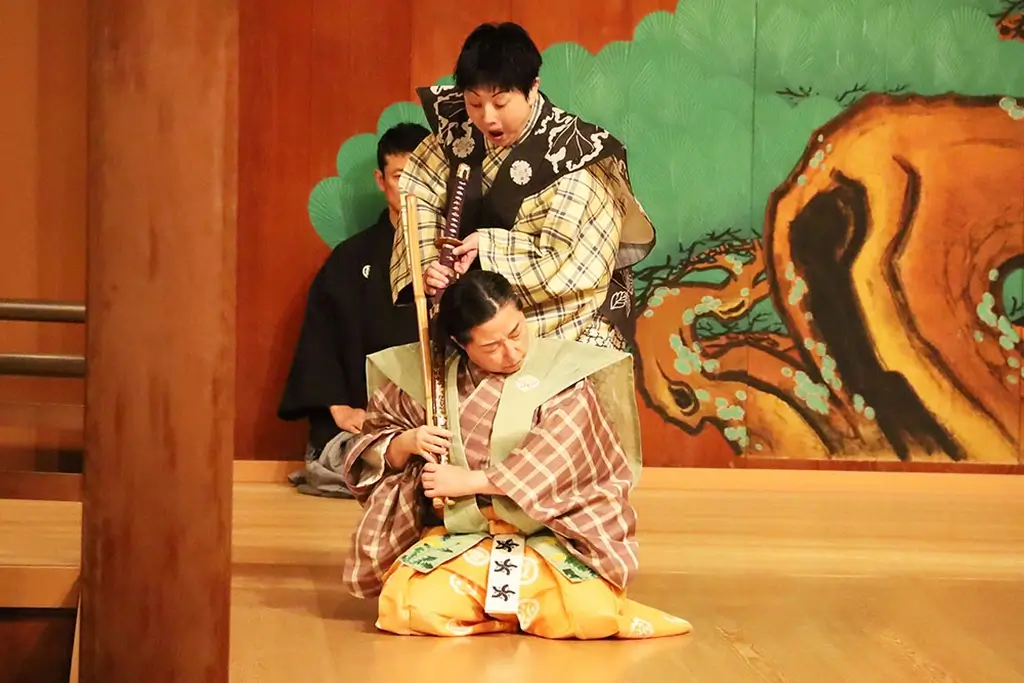
In a kyogen play, the actors use simple words, big gestures, and funny movements to tell a story in 10 to 20 minutes. The actors often play familiar characters like clumsy servants or grumpy masters. They perform on a basic stage with few props, so the focus stays on their lively actions and clear expressions.
Today, kyogen has even branched into the world of sign language. When performers arrange a kyogen piece for sign language, they face special challenges. For example, they must ensure that the actor’s hand signs perfectly match the live voice from off-stage. Additionally, since signing needs both hands, it can be tricky when a play requires props. Out of 256 traditional kyogen plays, about 70 have been adapted into sign language versions over the past 30 years. This shows that the art is still growing and changing.
Are you looking for great snacks to enjoy? Check out Sakuraco! Sakuraco delivers traditional Japanese snacks, sweets, tableware, and more from local Japanese makers right to your door, perfect for a pleasant snack time at home!

How did kyogen overcome language barriers abroad?
In July, an exclusive event occurred in France where kyogen was performed in international sign language. The shows were held in Paris and Reims during the Festival Clin d’Oeil. Nearly 900 people in Reims showed their delight by stomping their feet. This unique performance of the Japanese Theater of the Deaf brought a fresh twist to a traditional Japanese art form.
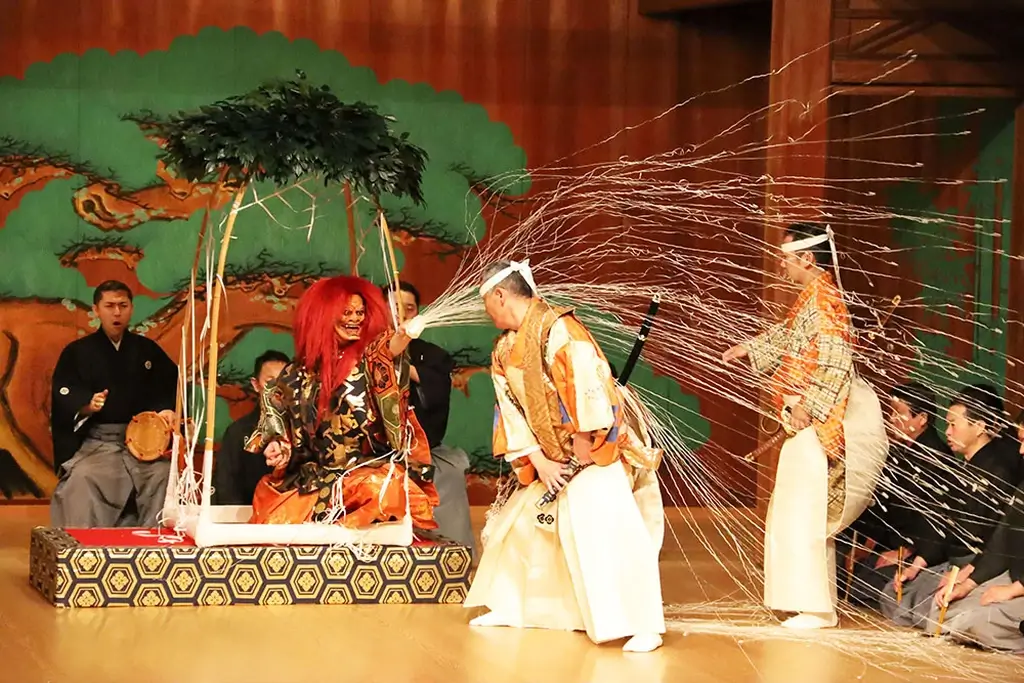
It was the first time kyogen was performed in International Sign (IS), and the performers faced some real challenges. International sign language uses gestures differently from Japanese sign language. The actors had to work hard to match the live voice from off-stage with their hand signs. They even explained the play’s story and history to help the audience follow along.
Despite the difficulties, all the hard practice paid off. The performance became clearer and more enjoyable, and everyone could feel the energy on stage. The team is excited about performing abroad more often and hopes to expand their repertoire to 100 sign language kyogen plays, including some that even kids can join.
Why is the Japanese Theater of the Deaf significant in Japanese culture?
The Japanese Theater of the Deaf acts as a bridge that connects people across cultures, languages, and abilities. Blending traditional theater with sign language, movement, and expression creates a unique storytelling experience that speaks to the heart.
Its significance goes beyond entertainment, as it opens doors for inclusivity and preserves Japan’s rich theatrical heritage in new and evolving ways. As it grows, it raises an important question: How can the traditional performing arts become even more accessible to diverse audiences? Share your thoughts in the comments!
Sources
- Japan News. “Sign Language Kyogen by and for Deaf People“.
- The Nohgaku Performers Association. “Introduction to Kyogen“.
- Arts Council Tokyo. “Noh and Kyogen Special Showing in ‘Japanese Sign Language‘”.

Discover authentic flavors with Sakuraco
Get Sakuraco 
Discover authentic flavors with Sakuraco
Get Sakuraco
Related Articles

Akidearest Talks About Living in Japan & Creating Content
Excerpt
Akidearest shares her journey as a creator, her experiences living in Japan, thoughts on internet culture, favorite anime, and the everyday moments that continue to inspire her both online and offline.
Okinawa Folklore: The Legends of Japan’s Southern Islands
Okinawa is famous for its beautiful beaches, unique culture, and rich history. Located in the southernmost part of Japan, the islands were once the independent Ryukyu Kingdom before becoming part of modern Japan.
Imperial Hotel Kyoto: A New Chapter for a Historic Gion Landmark
The Imperial Hotel Kyoto represents one of the most significant hotel openings in Japan in recent years. Located in Kyoto’s famous Gion district, the luxury property combines modern hospitality with the preservation of an important cultural landmark.
Samurai Exhibit at the British Museum Showcases Complex History
For many people outside Japan, the word “samurai” immediately brings to mind armored male warriors carrying swords into battle. Films, television, and video games have reinforced that image for decades. But the British Museum’s major 2026 exhibition, “Samurai,” presented a broader, more historically layered interpretation of Japan’s warrior class — including the important role women played within it.