


Samurai Exhibit at the British Museum Showcases Complex History

Thalia Harris

Posted on May 28, 2026
Share:
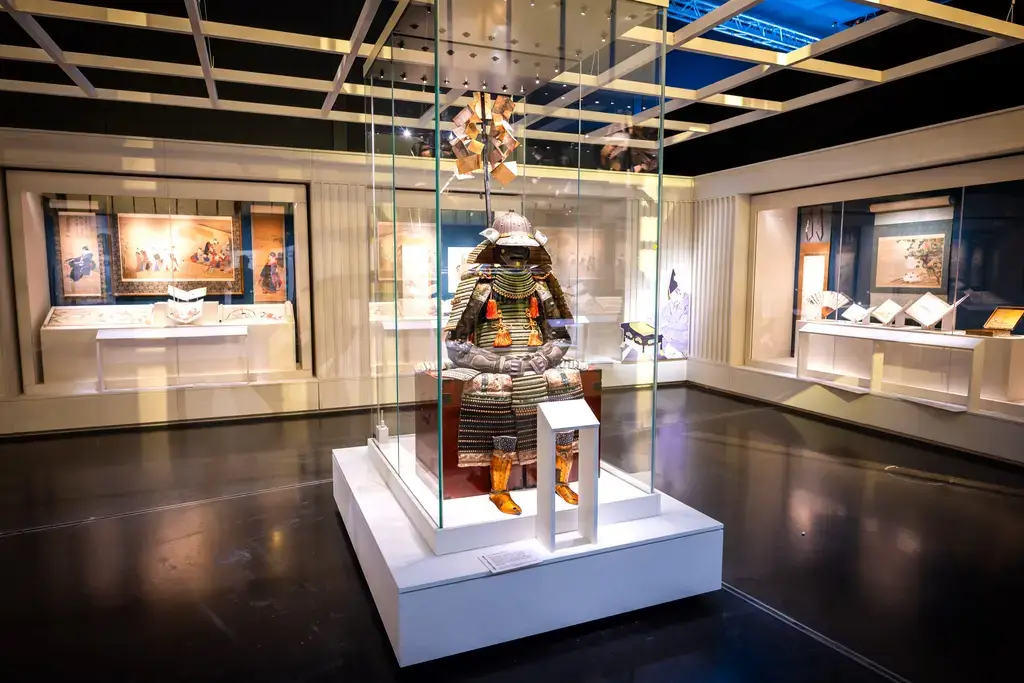
For many people outside Japan, the word “samurai” immediately brings to mind armored male warriors carrying swords into battle. Films, television, and video games have reinforced that image for decades. But the British Museum’s major 2026 exhibition, “Samurai,” presented a broader, more historically layered interpretation of Japan’s warrior class — including the important role women played within it.
Held from February 3 through May 4, 2026, the exhibition explored more than 1,000 years of warrior history through armor, weapons, paintings, ceramics, textiles, manuscripts, and multimedia displays. Rather than focusing only on warfare, the exhibit examined how this military elite evolved over time from battlefield retainers into a hereditary social class that shaped Japanese politics, culture, education, and government.
One of the exhibition’s most discussed themes involved the role of women within elite warrior society. The exhibit explained that during Japan’s long Edo period, women made up roughly half of the warrior class because membership included entire households and family lineages, not only male fighters.
The Exhibit Challenged Popular Ideas About Japan’s Samurai Elite
The exhibition emphasized that the modern image of these historical figures is often simplified. In popular culture, they are frequently portrayed only as sword fighters engaged in battle. The exhibit argued that this interpretation overlooks the significant changes in their role throughout Japanese history.
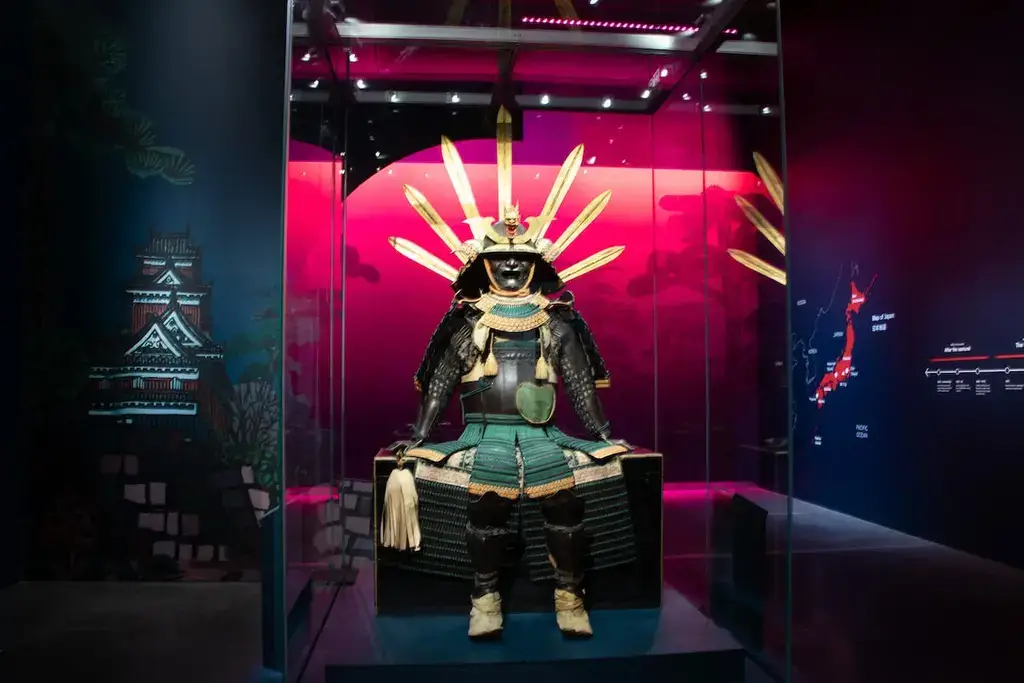
Although early members of the class were closely tied to military service, the role later expanded into a broader hereditary social structure. During the Edo period, which lasted from 1603 to 1868, Japan experienced relative peace under Tokugawa rule. As large-scale warfare declined, many members transitioned into positions connected to administration, education, scholarship, and government service.
The exhibit explored how the mythology surrounding Japan’s warrior culture developed gradually over centuries. Curators examined how literature, theater, film, and international media helped shape the romanticized image that many people recognize today. This broader historical approach separated the exhibition from many earlier displays, which often focused primarily on swords and battlefield armor.
Women Were Part of the Samurai Class
One of the exhibition’s most important themes focused on women within elite households. According to the exhibit, roughly half of the warrior class during the Edo period were women because the status referred to a hereditary social class rather than exclusively to active combat roles. This distinction became one of the exhibition’s central historical points. The exhibit clarified that while most documented frontline military leadership positions were held by men, women were still legally and socially part of this elite society.
The exhibition also highlighted historical examples of female fighters and women associated with martial culture. One of the best-known figures was Tomoe Gozen, a female warrior connected to the late 12th century who appears in Japanese historical literature and artwork. Displays connected to her story helped demonstrate that women could also participate directly in martial traditions.
Curators explained that some women from warrior families received martial arts training and learned how to use weapons such as the naginata, a polearm often associated with elite households. In certain historical conflicts, some women participated in the defense of castles and residences.
Are you looking for great snacks to enjoy after a trip to the museum? Check out Sakuraco! Sakuraco sends traditional Japanese snacks, teas, and sweets from local makers straight to your door each month!

Understanding the Difference Between “Warrior” and Social Class
A major reason the exhibition attracted attention was that many people interpret the term strictly as meaning “male fighter.” The exhibit encouraged visitors to think more carefully about the word in its historical context. The exhibition distinguished between battlefield combatants and members of a hereditary social class. While combat positions were overwhelmingly dominated by men, women still belonged to these households and shared the legal and social status connected to them.
This distinction became especially important during the Edo period, when many members of the class no longer worked primarily as soldiers. Instead, their identity became increasingly connected to government administration, scholarship, etiquette, and social rank. The exhibition encouraged visitors to move beyond the simplified stereotypes often presented in entertainment media.
Armor, Art, and Cultural Influence
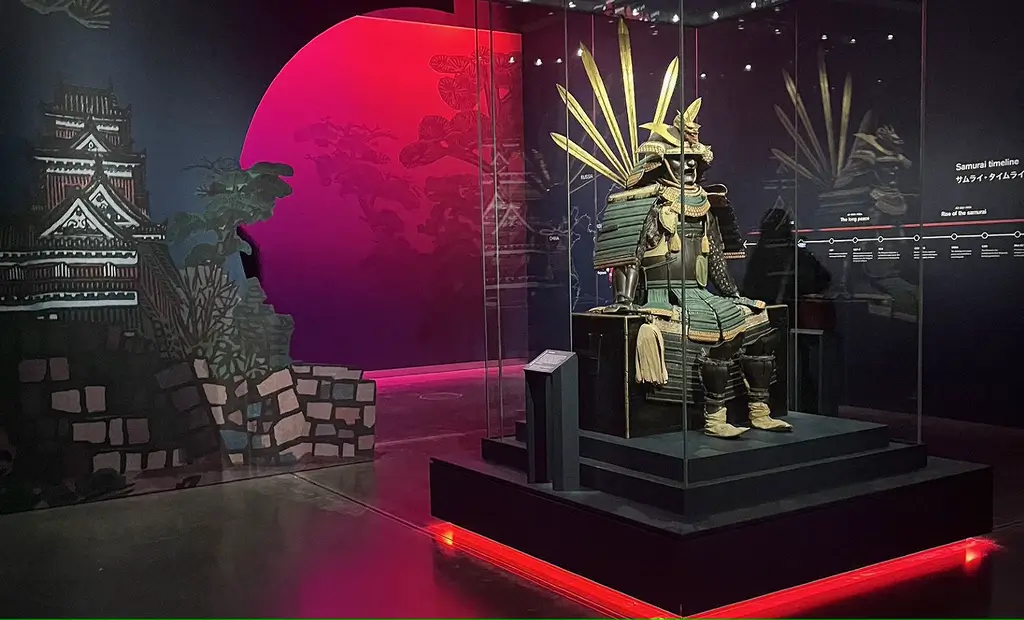
The exhibition featured around 280 objects gathered from museum collections and international lenders. Many items had rarely been displayed publicly in the United Kingdom. Traditional armor remained one of the exhibition’s visual highlights. Elaborately decorated helmets, masks, and protective gear demonstrated both military craftsmanship and artistic design. However, the exhibition also included paintings, robes, ceramics, calligraphy, and literary works to show the broader cultural environment surrounding elite warrior society.
Some sections explored how these aesthetics continue influencing modern entertainment, fashion, film, and gaming. The exhibit examined how the image of Japan’s warrior class has been repeatedly reinterpreted across historical periods and international audiences. Rather than presenting this history as fixed or unchanging, the exhibition showed how its meaning evolved continuously over time.
Why the Exhibition Drew International Attention
The “Samurai” exhibition attracted attention partly because it challenged assumptions many visitors already held about Japanese history. For international audiences, these historical figures are often associated almost entirely with combat, masculinity, and swordsmanship. The exhibition, instead, presented them as political figures, administrators, scholars, artists, family members, and warriors. The exhibit’s focus on women within elite warrior society also encouraged visitors to reconsider how historical narratives are shaped and simplified over time. By expanding the discussion beyond battlefield imagery, the exhibition offered a more nuanced interpretation of one of Japan’s most recognizable historical symbols.
Discover authentic flavors with Sakuraco
Get Sakuraco 
Discover authentic flavors with Sakuraco
Get Sakuraco
Related Articles
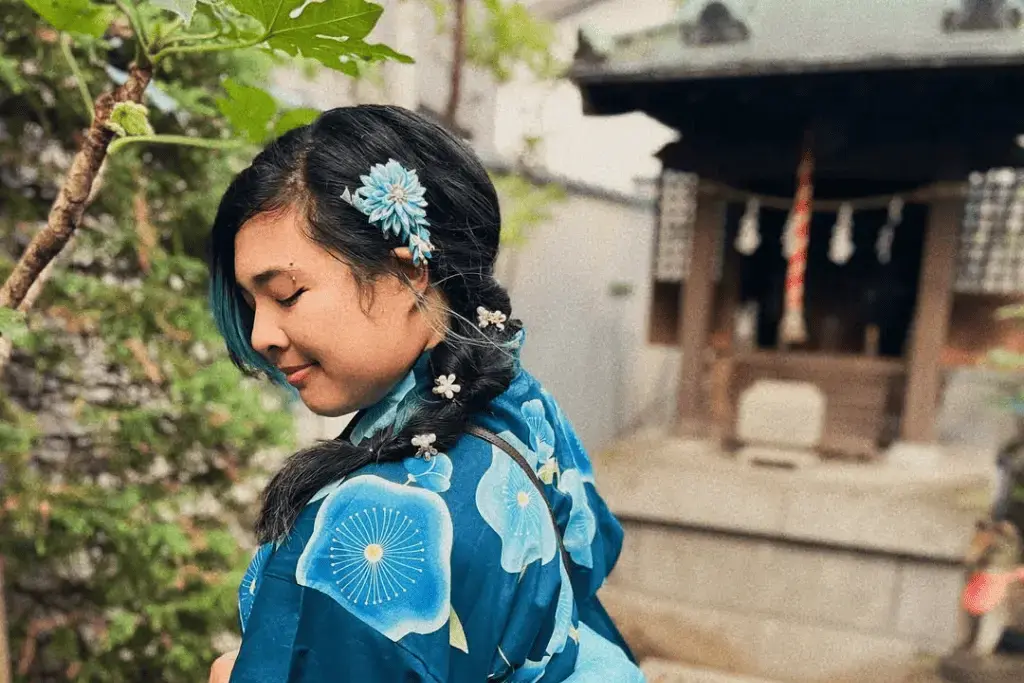
Akidearest Talks About Living in Japan & Creating Content
Excerpt
Akidearest shares her journey as a creator, her experiences living in Japan, thoughts on internet culture, favorite anime, and the everyday moments that continue to inspire her both online and offline.
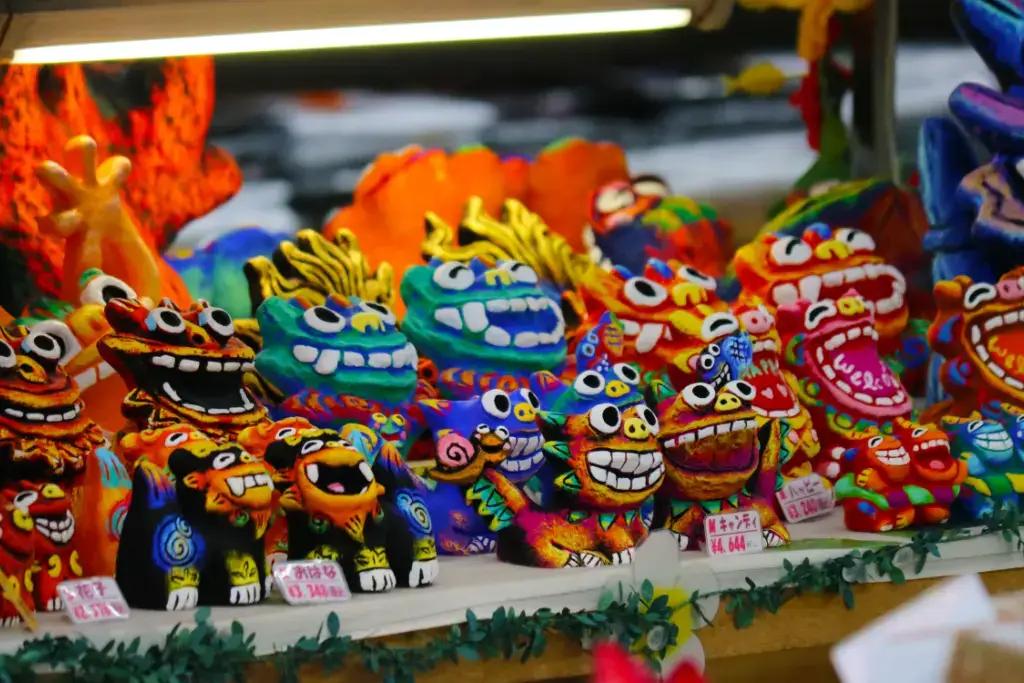
Okinawa Folklore: The Legends of Japan’s Southern Islands
Okinawa is famous for its beautiful beaches, unique culture, and rich history. Located in the southernmost part of Japan, the islands were once the independent Ryukyu Kingdom before becoming part of modern Japan.
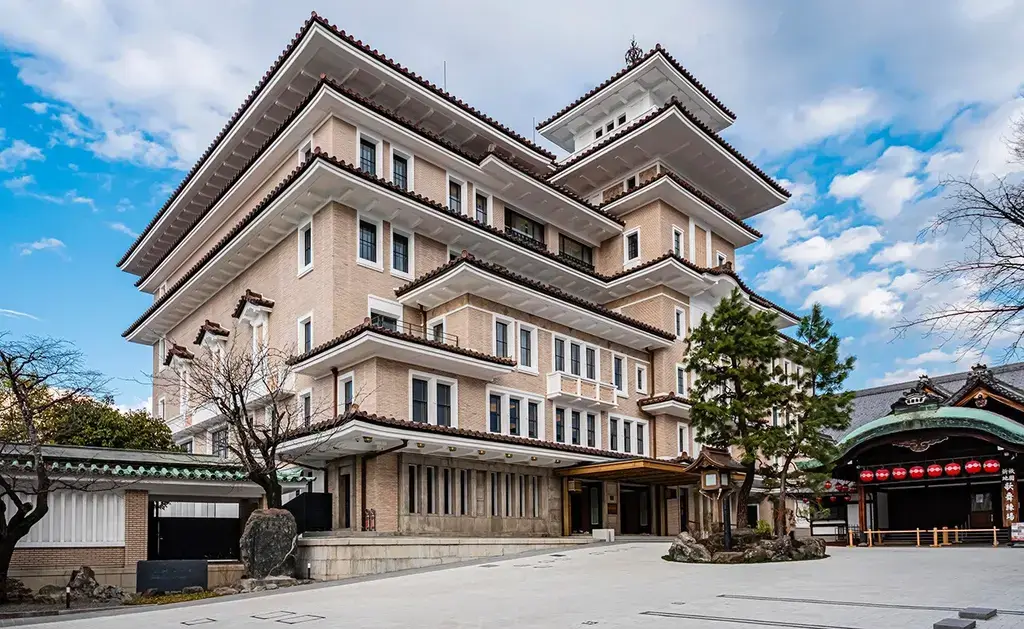
Imperial Hotel Kyoto: A New Chapter for a Historic Gion Landmark
The Imperial Hotel Kyoto represents one of the most significant hotel openings in Japan in recent years. Located in Kyoto’s famous Gion district, the luxury property combines modern hospitality with the preservation of an important cultural landmark.