


Imperial Hotel Kyoto: A New Chapter for a Historic Gion Landmark

Thalia Harris

Posted on June 03, 2026
Share:
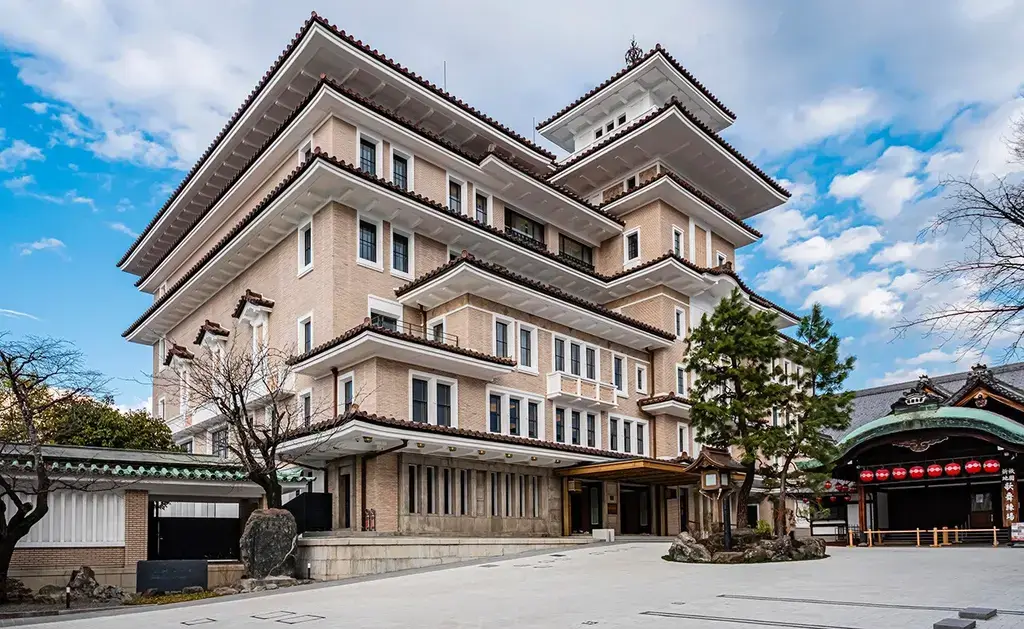
The Imperial Hotel Kyoto represents one of the most significant hotel openings in Japan in recent years. Located in Kyoto’s famous Gion district, the luxury property combines modern hospitality with the preservation of an important cultural landmark. Opened on March 5, 2026, the hotel incorporates the restored Yasaka Kaikan, a historic building long associated with Kyoto’s traditional performing arts and geiko culture.
Imperial Hotel Kyoto and the Legacy of Yasaka Kaikan
The story of Imperial Hotel Kyoto begins long before the hotel itself. At the heart of the project is the preserved Yasaka Kaikan, a historic building completed in 1936 that has been carefully integrated into the new hotel complex.
Located on the grounds of the Gion Kobu Kaburenjo, Yasaka Kaikan served as a theater and community venue closely connected to the performances and cultural activities of Kyoto’s Gion Kobu geiko district. For decades, the building played an important role in the cultural life of one of Kyoto’s most famous neighborhoods.
Over time, however, the structure faced challenges related to aging and earthquake-resistance standards. Rather than demolishing the building, preservation efforts focused on protecting its architectural and cultural significance. Because Yasaka Kaikan is recognized as a Registered Tangible Cultural Property of Japan, any redevelopment must be carefully restored and respect the original design.
Bringing History Into the Future
One of the defining features of Imperial Hotel Kyoto is its commitment to preserving the character of Yasaka Kaikan. Architects and designers worked to retain significant historical elements while adapting the structure for modern hospitality.
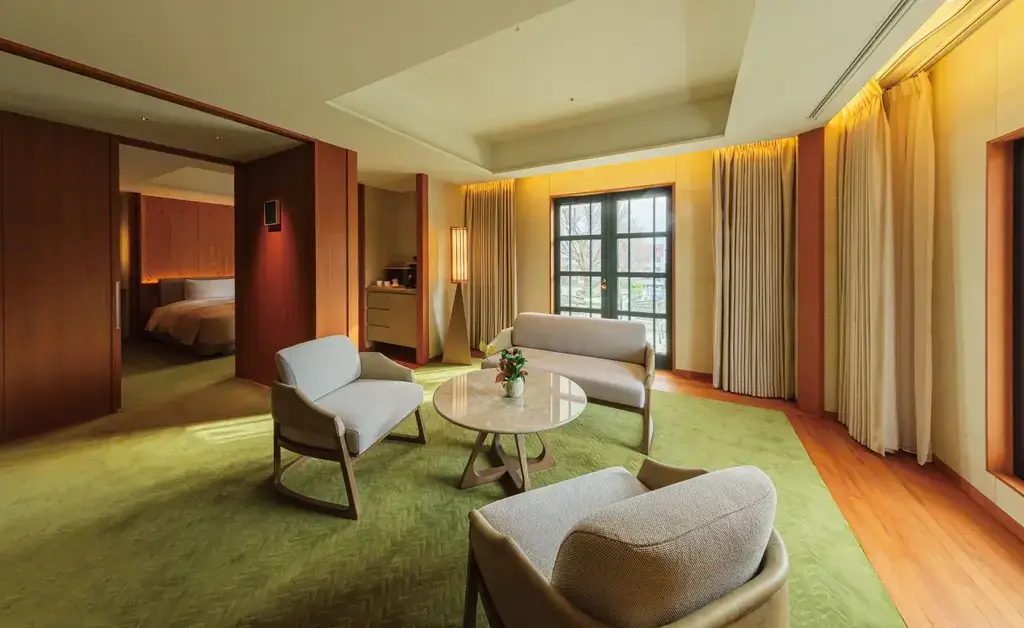
The hotel preserves many original architectural details. These include exterior elements, decorative features, and historic building materials. Designers carefully incorporated these elements into the property. In some guestrooms and public areas, visitors can see preserved features from the building’s past. These details connect the hotel to its former role as a theater and cultural venue.
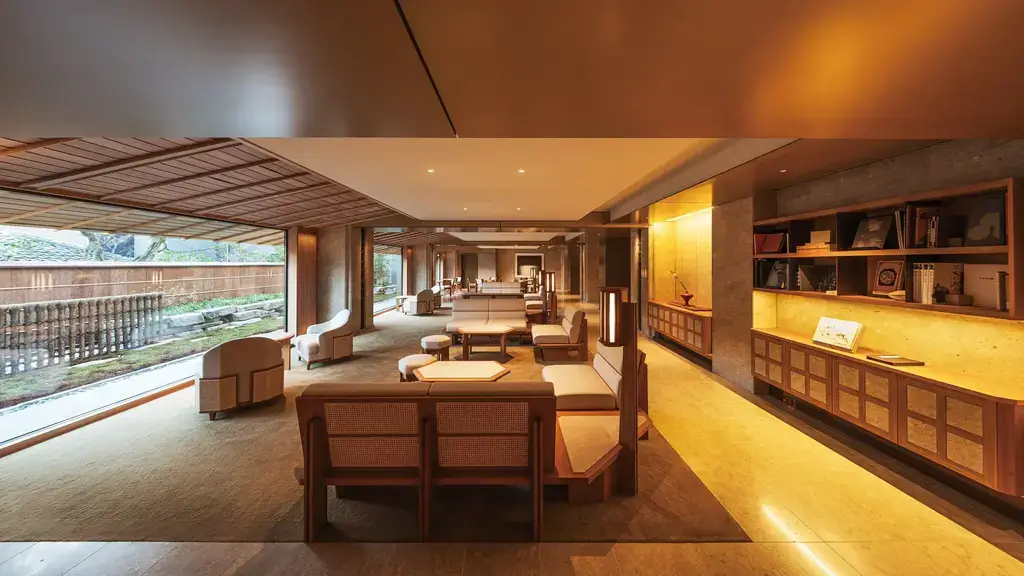
Throughout the property, preserved architectural features and design elements help communicate the history of Yasaka Kaikan and its connection to Gion. Rather than treating history as a separate exhibit, the hotel integrates it into the guest experience.
The restoration itself is notable because Obayashi Corporation, which participated in the construction of the original Yasaka Kaikan, also played a major role in its modern renewal. This connection linked the building’s past and present while preserving important historical characteristics. By blending preservation and innovation, the project demonstrates how historic buildings can remain relevant in the modern era without losing their cultural significance.
An Exclusive Location in Gion
Imperial Hotel Kyoto enjoys a location that few hotels can match. Situated within Gion Kobu, one of Kyoto’s most famous hanamachi, or geiko districts, the property places guests in the heart of a neighborhood known for its traditional architecture, tea houses, and cultural heritage.
Gion has long been associated with geiko and maiko, the highly trained entertainers who preserve traditional Japanese arts, including dance, music, and hospitality. The district’s narrow streets, wooden buildings, and historic atmosphere attract visitors from around the world.
From the hotel, guests can easily explore nearby attractions such as Yasaka Shrine, Kennin-ji, and the historic streets of Higashiyama. The location allows visitors to experience some of Kyoto’s most celebrated cultural landmarks on foot. Some guestrooms offer rare elevated views across Gion’s rooftops and toward Kyoto’s surrounding mountains. Because Yasaka Kaikan was built before modern height restrictions transformed the city, these perspectives are unusual within the historic district.
A Boutique Luxury Experience
As mentioned earlier, Imperial Hotel Kyoto was designed as a boutique property with only 55 rooms and suites. This smaller scale allows the hotel to provide a more personalized guest experience while maintaining a sense of privacy and exclusivity. The guestrooms blend traditional Japanese craftsmanship with contemporary comfort. Some rooms preserve architectural elements from Yasaka Kaikan, while others incorporate features inspired by Kyoto’s historic townhouses and cultural traditions.
The hotel also introduces several design elements that reflect local materials and craftsmanship. Wood, stone, textiles, and traditional decorative techniques help create interiors that feel closely connected to Kyoto’s heritage. Throughout the property, attention to detail reinforces the connection between modern luxury and Kyoto’s long history of craftsmanship.
Dining at Imperial Hotel Kyoto
Dining plays an important role in the Imperial Hotel Kyoto experience. The property features several restaurants and bars that draw inspiration from Kyoto’s culinary traditions while maintaining the high standards associated with the Imperial Hotel brand.
The hotel’s dining venues include REN, a French fine-dining restaurant that incorporates seasonal Japanese ingredients; YASAKA, an all-day dining restaurant; OLD IMPERIAL BAR, which continues the brand’s long-standing cocktail tradition; and THE ROOFTOP, an exclusive rooftop venue reserved for hotel guests.
Like many aspects of the hotel, the dining program emphasizes seasonality. Menus change throughout the year to reflect local ingredients and the rhythms of Kyoto’s culinary culture. This focus on both local traditions and international hospitality reflects the hotel’s broader vision.
The Imperial Hotel Tradition
The Imperial Hotel name has been associated with luxury hospitality in Japan since the opening of the original Imperial Hotel in Tokyo in 1890. Over the decades, the brand has hosted diplomats, business leaders, members of royal families, and international travelers while building a reputation for service and elegance. The opening of Imperial Hotel Kyoto represents a major expansion for the company. It is the brand’s fourth hotel and its first new opening in roughly three decades.
Rather than building an entirely new structure, the company chose to invest in preserving an important cultural landmark. This decision reflects a growing interest in heritage-focused hospitality, where historic architecture becomes part of the guest experience. The project also demonstrates how luxury tourism can help preserve culturally significant sites.
A New Landmark for Modern Kyoto
Imperial Hotel Kyoto stands at the intersection of history and modern hospitality. By transforming part of the historic Yasaka Kaikan into a luxury hotel, the project has given new life to a treasured cultural property while preserving its connection to Kyoto’s traditions.
Visitors today can experience the atmosphere of Gion while staying within a building that has played an important role in the district’s history for nearly a century. The hotel offers more than a place to sleep; it provides a deeper connection to Kyoto’s cultural heritage.
As Kyoto continues to welcome travelers from around the world, Imperial Hotel Kyoto demonstrates how historic preservation and contemporary luxury can work together. Its careful restoration, exceptional location, and respect for local traditions make it one of the city’s most noteworthy new destinations.
Discover authentic flavors with Sakuraco
Get Sakuraco 
Discover authentic flavors with Sakuraco
Get Sakuraco
Related Articles
Akidearest Talks About Living in Japan & Creating Content
Excerpt
Akidearest shares her journey as a creator, her experiences living in Japan, thoughts on internet culture, favorite anime, and the everyday moments that continue to inspire her both online and offline.
Okinawa Folklore: The Legends of Japan’s Southern Islands
Okinawa is famous for its beautiful beaches, unique culture, and rich history. Located in the southernmost part of Japan, the islands were once the independent Ryukyu Kingdom before becoming part of modern Japan.
Samurai Exhibit at the British Museum Showcases Complex History
For many people outside Japan, the word “samurai” immediately brings to mind armored male warriors carrying swords into battle. Films, television, and video games have reinforced that image for decades. But the British Museum’s major 2026 exhibition, “Samurai,” presented a broader, more historically layered interpretation of Japan’s warrior class — including the important role women played within it.