


Okinawa Folklore: The Legends of Japan’s Southern Islands

Thalia Harris

Posted on June 11, 2026
Share:
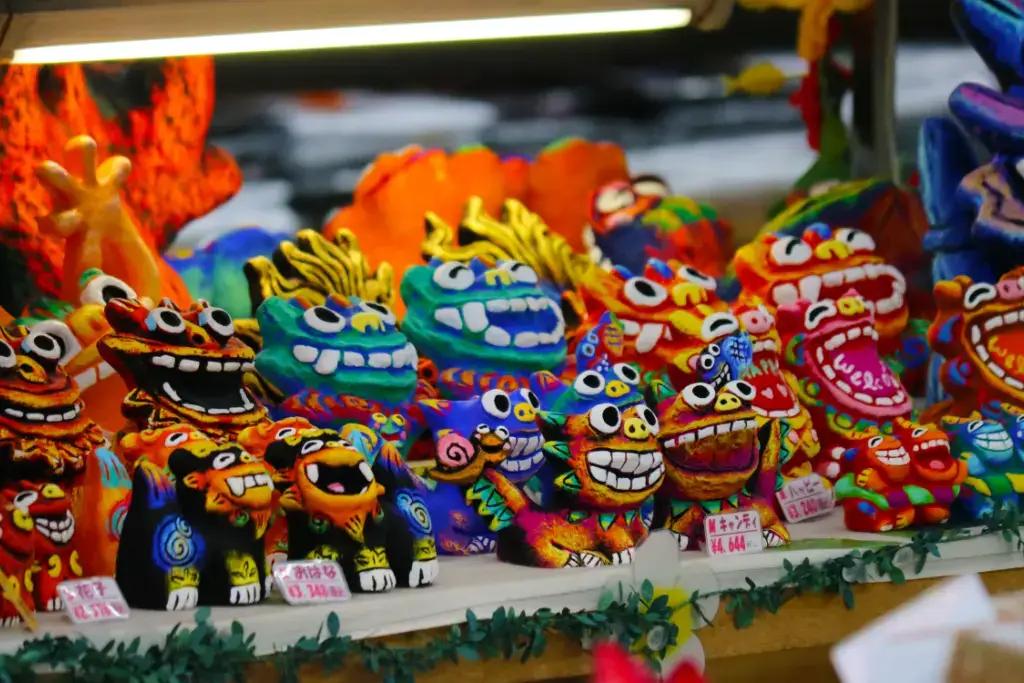
Okinawa is famous for its beautiful beaches, unique culture, and rich history. Located in the southernmost part of Japan, the islands were once the independent Ryukyu Kingdom before becoming part of modern Japan. Over centuries, Okinawa developed its own traditions, language, and beliefs. One of the most fascinating parts of this heritage is Okinawan folklore, a collection of myths, legends, and supernatural stories passed down through generations.
Unlike many folktales found on Japan’s main islands, Okinawan folklore reflects the region’s subtropical environment, maritime culture, and historical connections with China and Southeast Asia. The stories often feature spirits, sacred animals, and powerful deities that shape everyday life.
The Spiritual World of Okinawa
Traditional Okinawan beliefs view the natural world as being filled with spiritual power. Mountains, forests, caves, and the sea are often considered sacred places where spirits reside. Ancestor worship has also played a central role in Okinawan culture for centuries.
Many families maintain ancestral tombs and hold ceremonies to honor deceased relatives. People traditionally believed that the spirits of ancestors could offer protection and guidance to the living. This close connection between the living and the dead influenced many Okinawan legends and customs.
Women often served as spiritual leaders within communities. Priestesses known as noro conducted ceremonies and communicated with the spiritual world. Their role reflected the importance of religion and folklore in daily life throughout the former Ryukyu Kingdom.
The Shisa: Okinawa’s Guardian Creatures
Nevertheless, the most recognizable figure in Okinawan folklore is the shisa. These lion-like creatures can be seen throughout Okinawa, standing on rooftops, gates, and walls. The shisa is believed to protect homes and communities from evil spirits and misfortune. The tradition originated from Chinese guardian lion statues, which were introduced to the Ryukyu Kingdom through trade and cultural exchange. Over time, the figures developed a distinct Okinawan appearance and meaning.
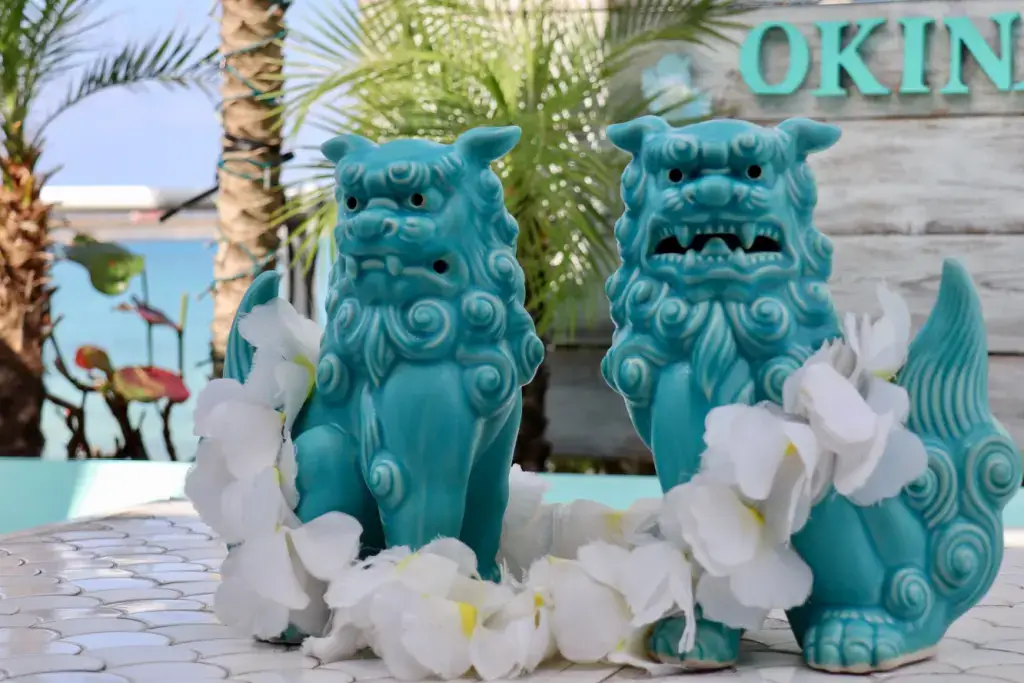
One famous legend tells of a sea dragon that terrorized a village near Naha. When the king raised a shisa figure toward the monster, a giant boulder fell from the sky and defeated it. The story helped establish the shisa as a symbol of protection throughout Okinawa. Many Okinawan households still display pairs of shisa. Traditionally, one has an open mouth to ward off evil spirits, while the other has a closed mouth to keep good fortune from escaping.
The Kijimuna: Mischievous Tree Spirits
Among Okinawa’s most beloved supernatural beings is the kijimuna. These small, red-haired spirits are said to live in large banyan trees and are often described as childlike. According to folklore, kijimuna can be friendly toward humans. Fishermen who earn a kijimuna’s trust may receive help catching fish. However, these spirits are also known for their mischievous behavior. They may play tricks, hide objects, or cause trouble for people who disrespect them.
One unusual detail found in many stories is the kijimuna’s dislike of octopuses. Legends claim that these spirits enjoy eating fish but avoid octopuses because of their strange appearance and texture. Many modern interpretations of kijimuna stories see them as encouraging respect for nature and the ancient trees associated with these spirits. Since the beings are believed to inhabit old banyan trees, the tales have become closely linked with Okinawa’s natural environment.
Sea Spirits and Maritime Legends
Because Okinawa is surrounded by the ocean, the sea plays an important role in local folklore. Fishermen and sailors often shared stories about mysterious creatures and supernatural events occurring on the water.
Some legends describe sea spirits that protect travelers, while others warn of dangerous beings capable of causing storms or shipwrecks. These tales reflected the realities of life on islands where the sea provided food, transportation, and sometimes danger.
Nevertheless, many Okinawan traditions viewed the sea as a pathway connecting the islands to Nirai Kanai, the sacred realm from which blessings and spiritual power were believed to originate. As a result, sacred rituals were often performed to pray for safe voyages and successful fishing expeditions.
Are you looking for great snacks from places like Okinawa? Check out Sakuraco! Sakuraco sends traditional Japanese snacks, teas, and sweets from local makers straight to your door each month!

Nirai Kanai: The Land Beyond the Sea
One of the most important concepts in Okinawan mythology is Nirai Kanai. This mythical paradise is believed to exist somewhere beyond the sea. According to traditional belief, the gods and ancestral spirits come from Nirai Kanai. It is considered a source of life, prosperity, and blessings. During certain festivals and ceremonies, prayers are offered to welcome spiritual power from this sacred realm.
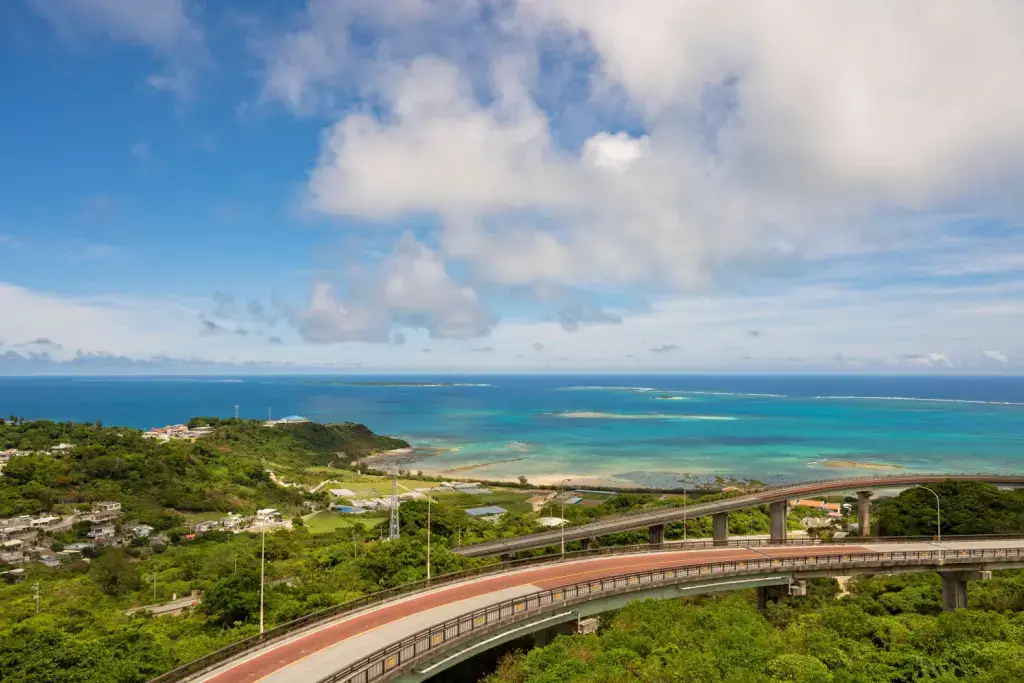
Nirai Kanai is not simply a physical location. Instead, it represents an ideal world connected to abundance, harmony, and spiritual renewal. The concept remains an important part of Okinawan cultural identity today.
Folklore in Modern Okinawa
Although Okinawa has changed significantly over the past century, many traditional stories continue to be shared. Folklore remains visible in local festivals, cultural performances, and tourist attractions. Shisa statues are everywhere, while stories of the kijimuna continue to inspire books, artwork, and popular media.
Overall, many communities also work to preserve traditional legends as part of efforts to protect Okinawa’s unique cultural heritage. Museums, cultural centers, and storytellers help ensure that younger generations learn about the myths and beliefs that shaped life in the islands for centuries.
Okinawan folklore offers more than entertainment. These stories reveal how people understood the natural world, honored their ancestors, and explained the mysteries of life. Through guardian lions, tree spirits, and mythical lands beyond the sea, Okinawa’s legends continue to connect the present with a rich and vibrant past.

Discover authentic flavors with Sakuraco
Get Sakuraco 
Discover authentic flavors with Sakuraco
Get Sakuraco
Related Articles
Akidearest Talks About Living in Japan & Creating Content
Excerpt
Akidearest shares her journey as a creator, her experiences living in Japan, thoughts on internet culture, favorite anime, and the everyday moments that continue to inspire her both online and offline.
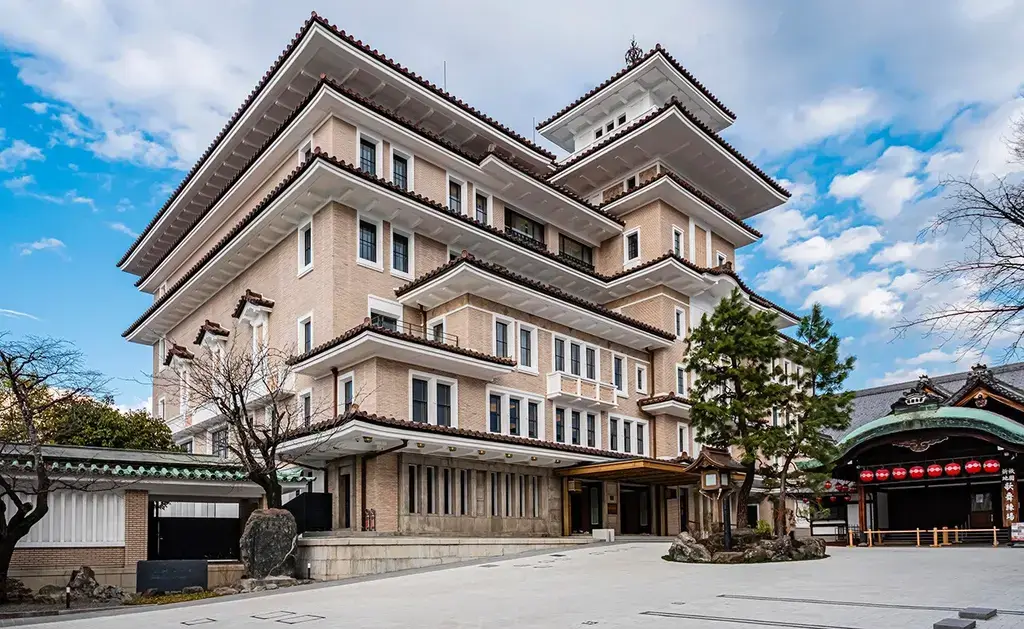
Imperial Hotel Kyoto: A New Chapter for a Historic Gion Landmark
The Imperial Hotel Kyoto represents one of the most significant hotel openings in Japan in recent years. Located in Kyoto’s famous Gion district, the luxury property combines modern hospitality with the preservation of an important cultural landmark.
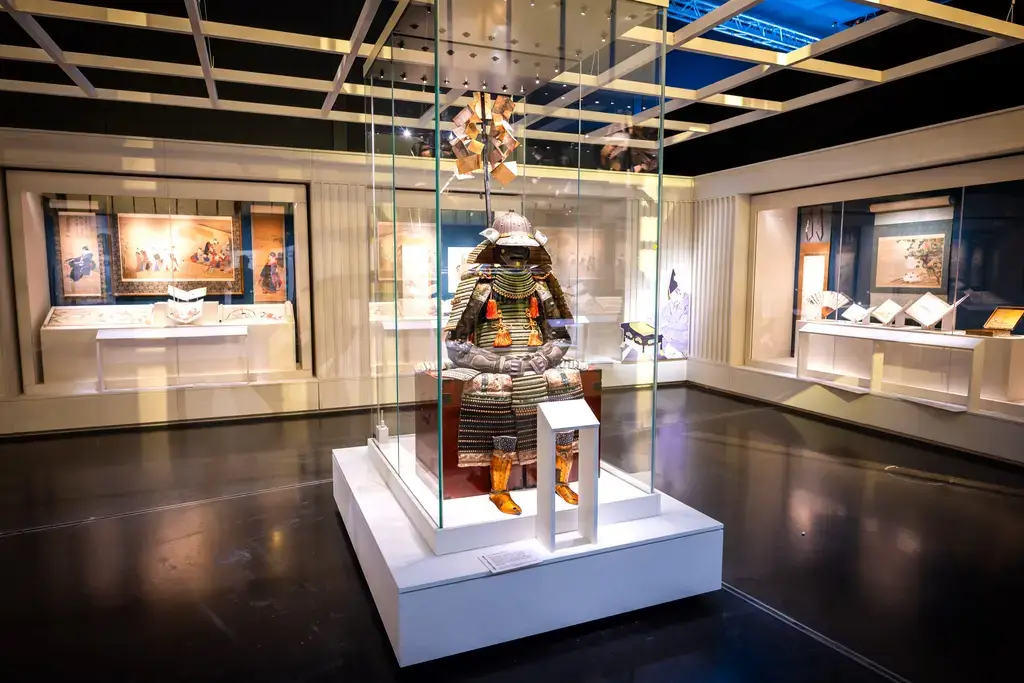
Samurai Exhibit at the British Museum Showcases Complex History
For many people outside Japan, the word “samurai” immediately brings to mind armored male warriors carrying swords into battle. Films, television, and video games have reinforced that image for decades. But the British Museum’s major 2026 exhibition, “Samurai,” presented a broader, more historically layered interpretation of Japan’s warrior class — including the important role women played within it.