


dairy, hokkaido, winter
Hokkaido in Winter: Japan’s Northern Getaway

Jenna Wilson

Posted on November 25, 2021
Share:
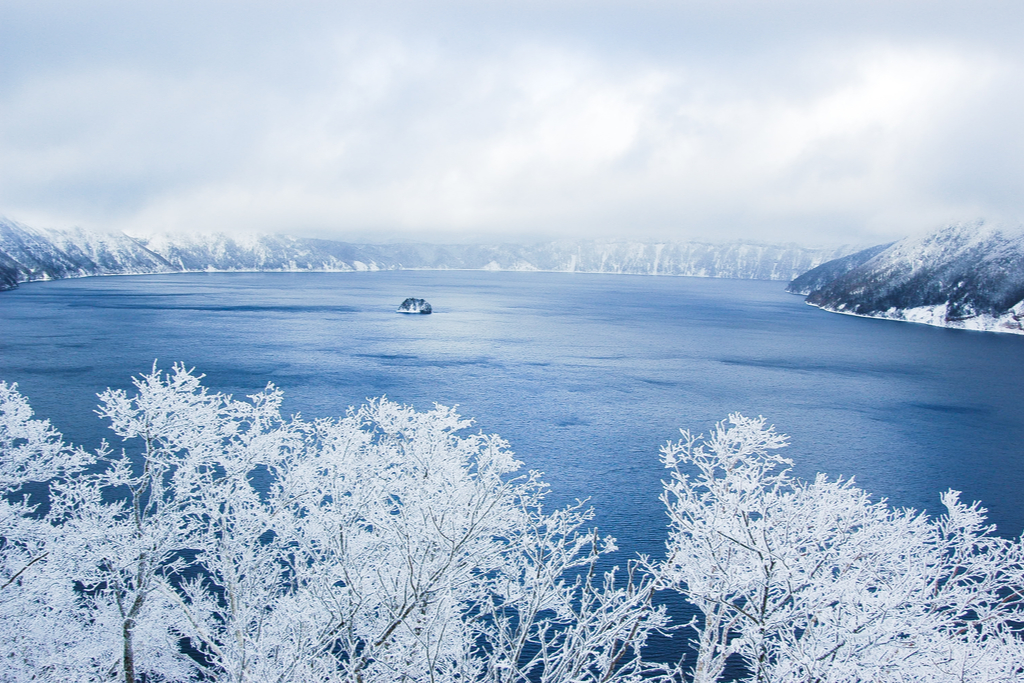
The northernmost region of Japan, Hokkaido is a popular vacation destination. The region is the least developed prefecture in Japan with sprawling national parks, volcanic lakes, natural hot springs, and hiking trails.
Wintertime in northernmost Japan is a particularly magical time of year given the region has an impressive snowfall that blankets the whole prefecture. From the capital city of Sapporo to the remote towns, the prefecture is inundated with almost 5 meters of snow each year. Tourists flock to the area during this time of year for food, festivals, and fun. Read on to learn more about why Hokkaido has become a must-visit destination for foodies, snow sports enthusiasts, nature lovers, and even whiskey fans.
Rich Dairy
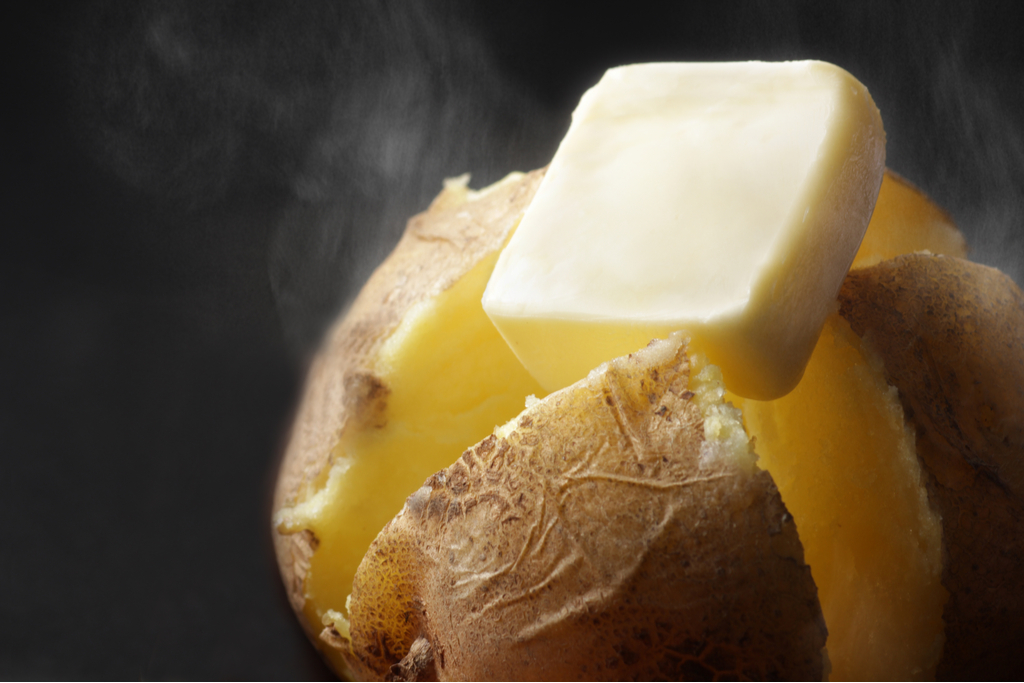
Despite many people not associating dairy with Japanese food, Hokkaido has been bucking this trend for decades. The prefecture is renowned for rich dairy products such as ice cream, cheese, butter, and cakes and still produces over 60% of milk in the country.
It is believed that the secret behind Hokkaido’s incredible dairy is simply a matter of environment. The colder climate combined with the wide open pastures due to the availability of land (Hokkaido is the least developed region in Japan) is linked to a higher quality of life for the dairy cows, and therefore, a better quality product. Want to learn more? Check out our article Hokkaido Dairy: From New Industry to Luxury Product.
Warm Up with Northern Ramen
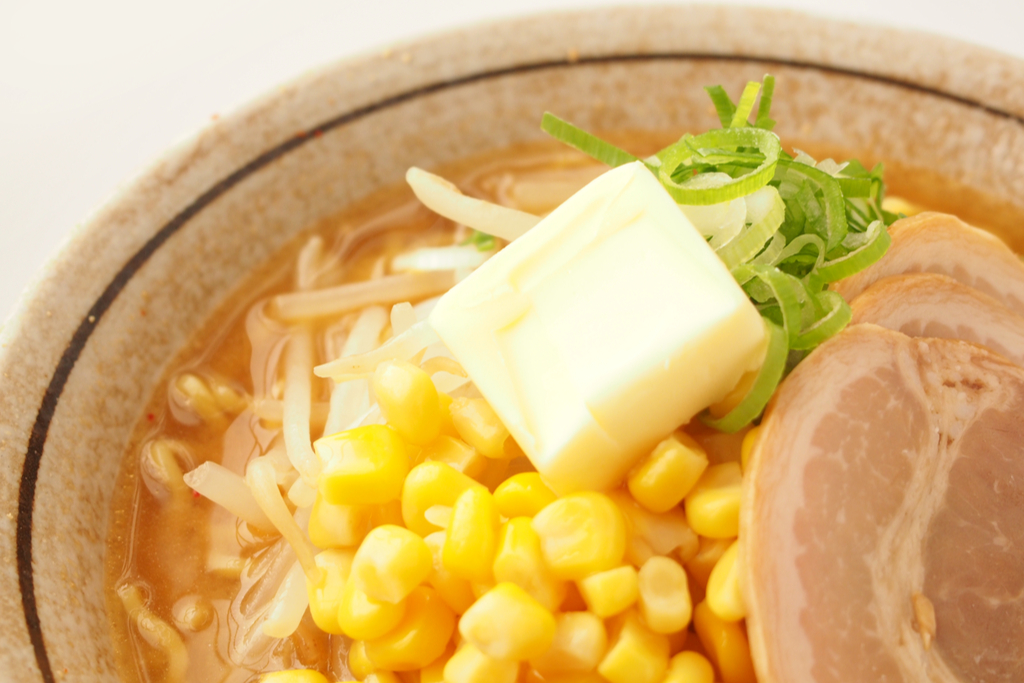
Ramen has become a popular Japanese culinary export, along with sushi and Kobe beef, but did you know that each prefecture has its own style? From Tokyo to Fukuoka to Hokkaido, there is an incredible variety of this noodle dish, and more are being created all the time. In recent years, the northernmost prefecture of Hokkaido’s spin on the meal has risen to prominence along with their international reputation for high quality ingredients and rich flavors.
Read our blog “What is Hokkaido Butter Ramen?” to learn more about this unique northern twist on a Japanese classic.
Sapporo Snow Festival
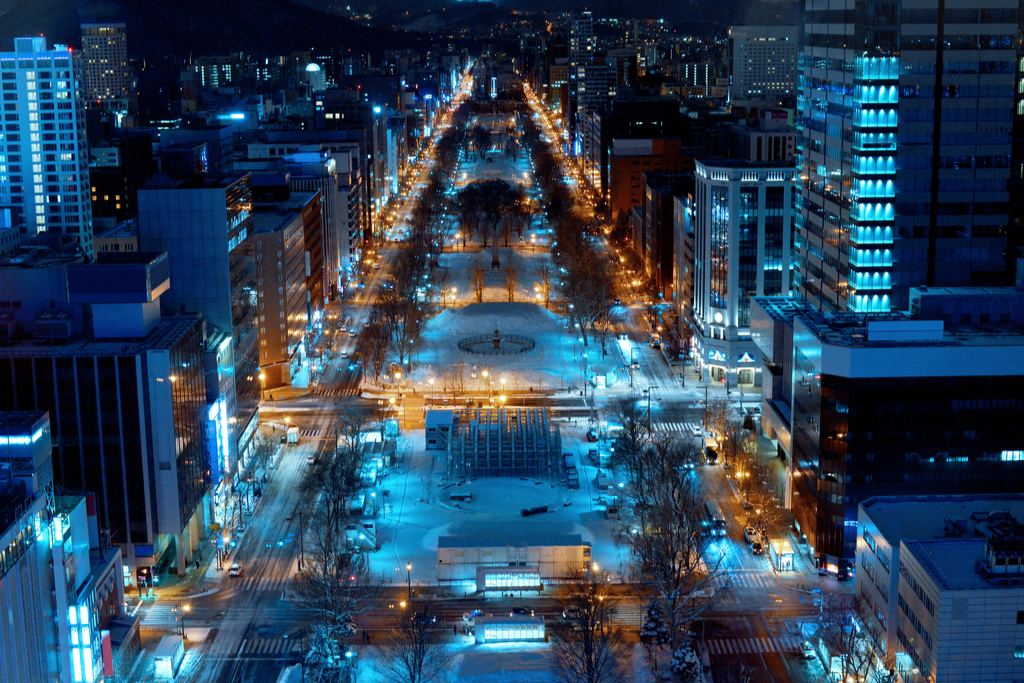
For one week every February, Sapporo, the capital city of Hokkaido, hosts an impressive festival that attracts over 2 million visitors from across Japan and around the world. Odori Park, located at the center of the city, comes alive with snow and ice sculptures, live performances, food stalls and more while visitors brave the coldest time of the year to take part in the excitement.
In the past decade, the northern prefecture has become a top tourist destination for winter-enthusiasts and the snow festival is on the top of many tourists’ bucket lists. But how did this impressive event get its start? Read our blog to learn the history of this visually stunning winter celebration and the top attractions you won’t want to miss.
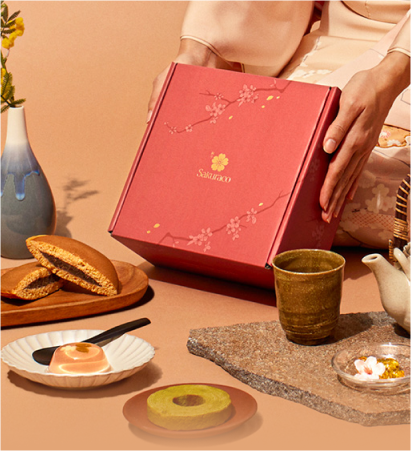
Discover Japan’s rich culture via its regional culinary traditions: Sakuraco sends traditional sweets & snacks from across Japan to your door.

Fresh Seafood Worth Traveling For
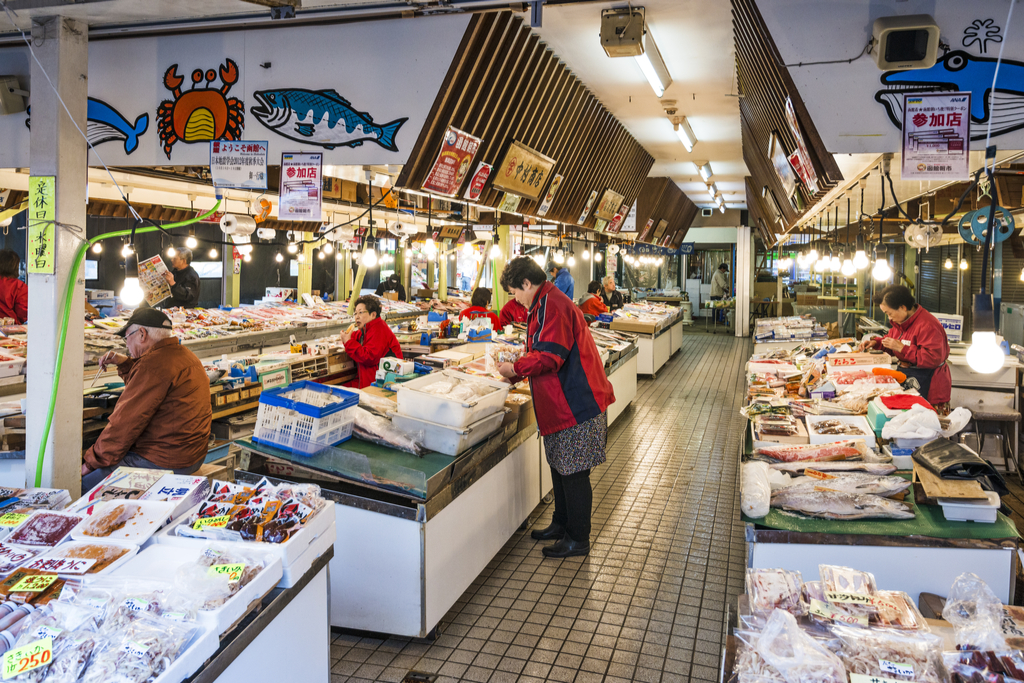
Even in Japan, a country spoiled with close access to the ocean, Hokkaido seafood is considered the premium and the locals have incorporated the ocean’s bounty to create culinary creations not to be missed.
Like many northern regions, the cool ocean waters are perfect for crab and scallops, but there are also many other varieties of seafood available along the coast of Hokkaido such as salmon, sea urchin, and shrimp. Whether you opt for the classic steamed crab, or venture into the slightly more adventurous offerings of salmon roe and raw octopus, there is something for every kind of seafood enthusiast. Read on to learn more about what makes Hokkaido seafood so prized and which ones you should add to your culinary bucket list.
Let It Snow
Hokkaido is a top destination for avid skiers and snowboarders not just for the incredible number of slopes but also the snow. Due to perfect conditions, the snow is wonderfully fluffy and powdery, transforming the whole prefecture into a beautiful and magical winter wonderland every year. And even for people who don’t particularly enjoy snow sports, there are plenty of events and sights to see during wintertime.
Read our blog Snow Monsters to Skiing, Hokkaido’s World-Famous Snow to learn how to get the most out of a winter trip to the prefecture.
Scottish Whiskey in Japan

In the past few years, Japanese whiskey has become incredibly popular worldwide with previously widely available bottles now hard to find, and some distillers even struggling to keep up with the demand. An industry that has existed for over a century, the sudden surge in international interest may come as a surprise, but to others, it’s the result of many years of hard work and craftsmanship.
Learn more about the fascinating history of this spirit that links Hokkaido to Scotland in our blog.
Have you ever been to Hokkaido or would you like to visit? Let us know in the comments what draws you to this amazing prefecture.
Discover authentic flavors with Sakuraco
Get Sakuraco 
Discover authentic flavors with Sakuraco
Get Sakuraco
Related Articles
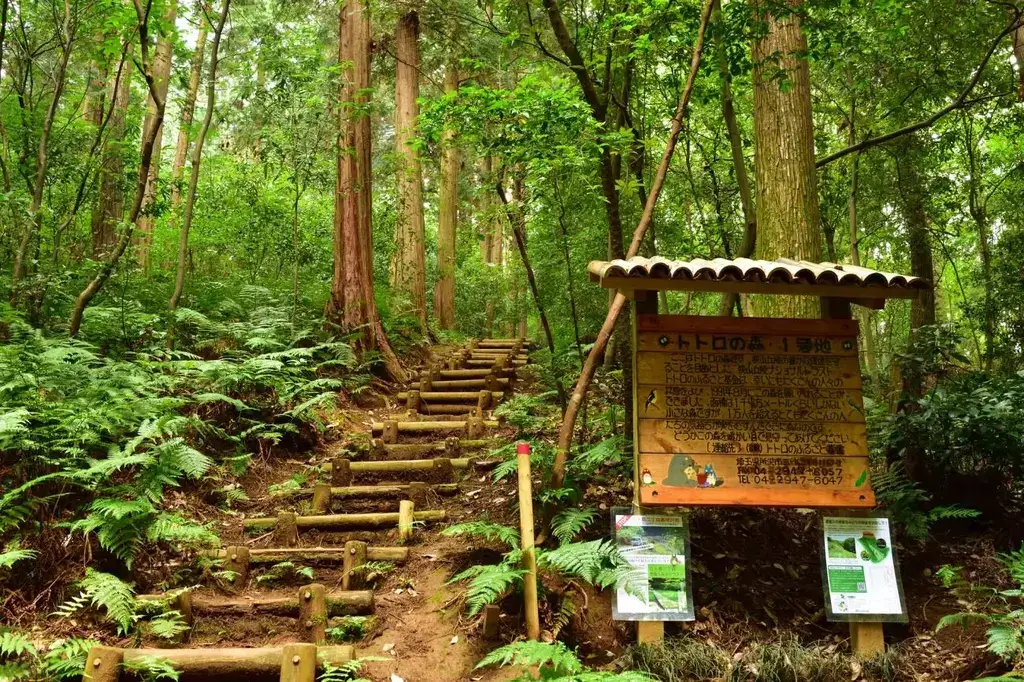
Forest Bathing in Japan: The Ultimate Guide
Japan is known for cultural traditions that promote balance, mindfulness, and a connection with nature. One of the most distinctive is forest bathing, or shinrin-yoku. Despite its name, forest bathing does not involve water.
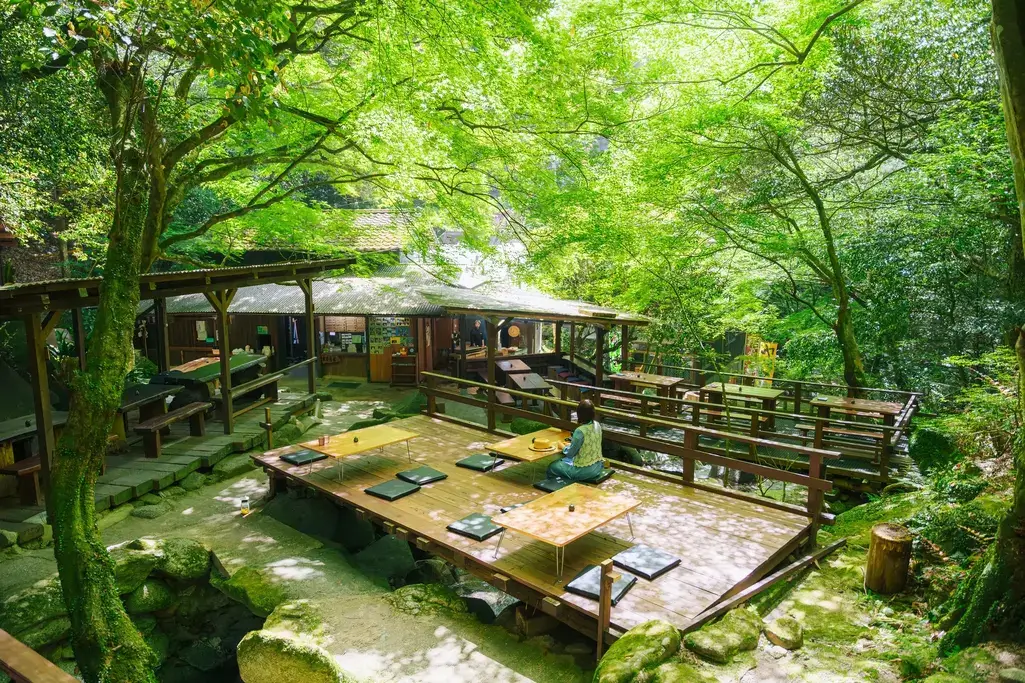
Kawadoko Dining in Japan: A Unique Riverfront Summer Tradition
Japan is home to many seasonal traditions that help people appreciate the changing environment. One of the most distinctive is kawadoko dining, an outdoor dining style that allows guests to enjoy meals beside or above flowing rivers during the warmer months. Known for its cool atmosphere and scenic surroundings, this riverfront dining tradition has become one of Japan’s most memorable summer experiences.
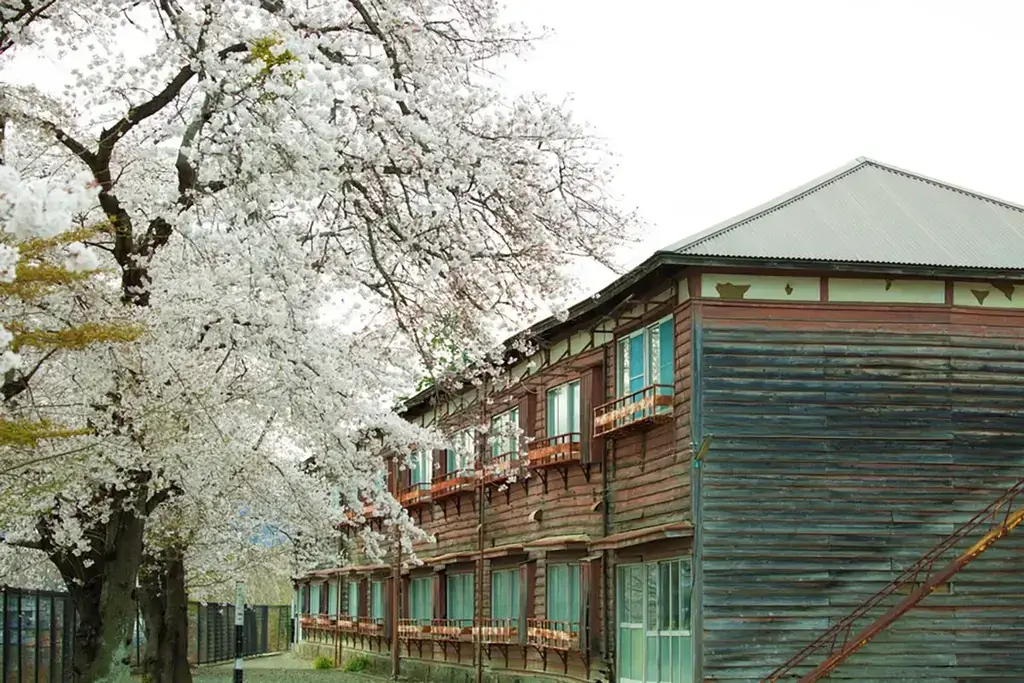
Tomioka Silk Mill: The Factory That Helped Modernize Japan
The Tomioka Silk Mill is one of Japan’s most important industrial heritage sites. Located in Tomioka City in Gunma Prefecture, the mill played a major role in Japan’s modernization during the late 19th century.
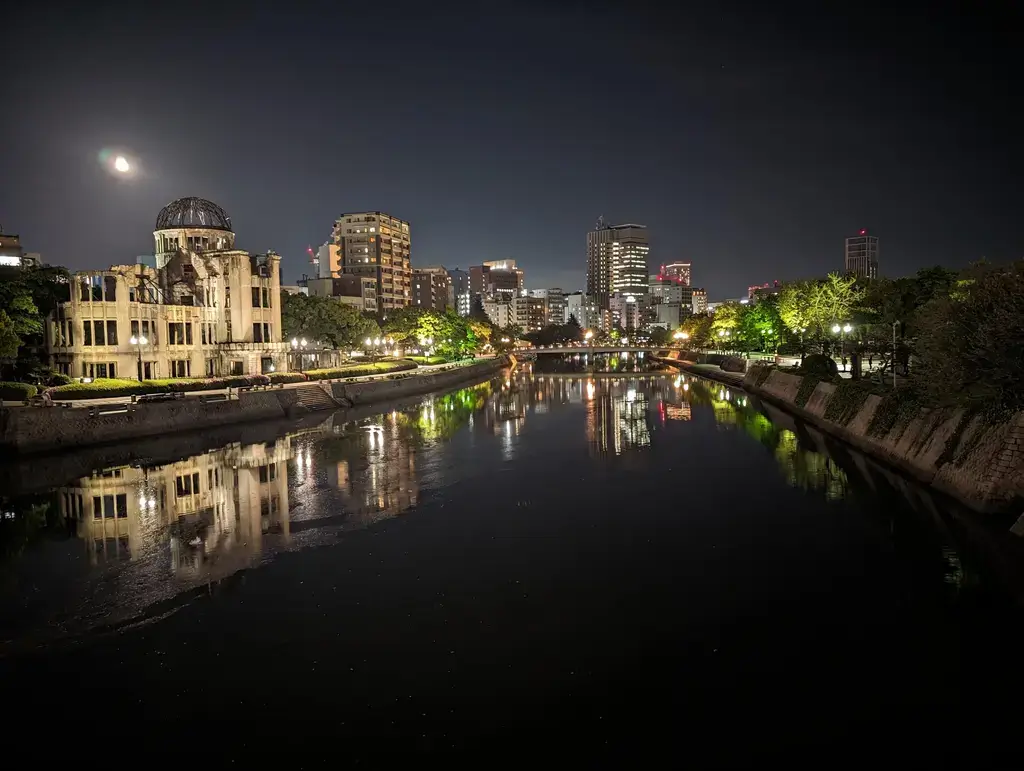
Hiroshima: History, Food, and Scenic Destinations
Hiroshima is one of Japan’s most historically important and culturally rich regions. Located along the Seto Inland Sea in western Japan, Hiroshima Prefecture is known for its history, food, and coastal scenery.