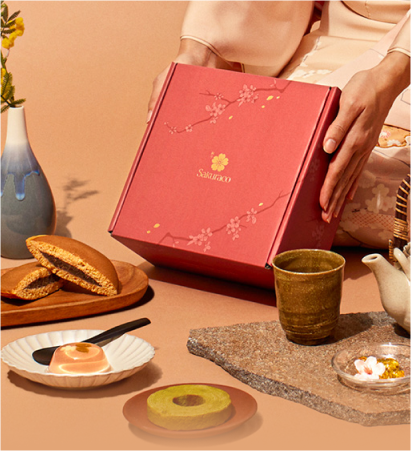


Discover authentic flavors with Sakuraco
Enjoy new Japanese sweets, snacks & tea every month starting from $32.50 USD

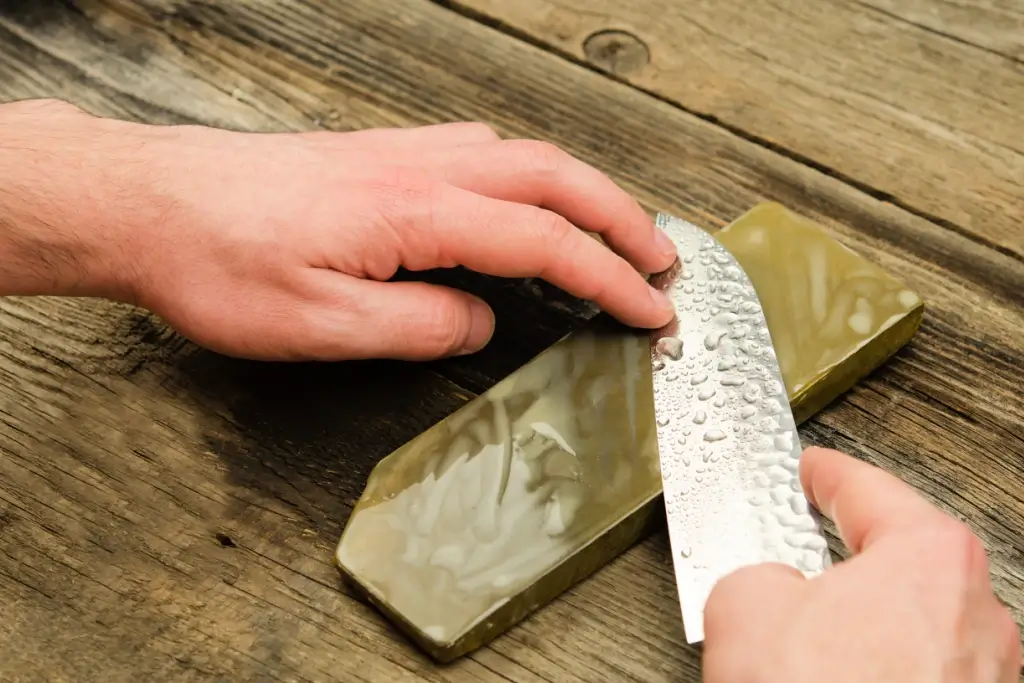
Sakai, Osaka is one of Japan’s most prestigious knife-making regions. Its storied history and many artisans have culminated in hōchō (kitchen knives) used by chefs worldwide in professional restaurants and home kitchens. Join us as we take a closer look at Sakai knives, the reasons for their popularity, and some of the city’s premier knife-making…
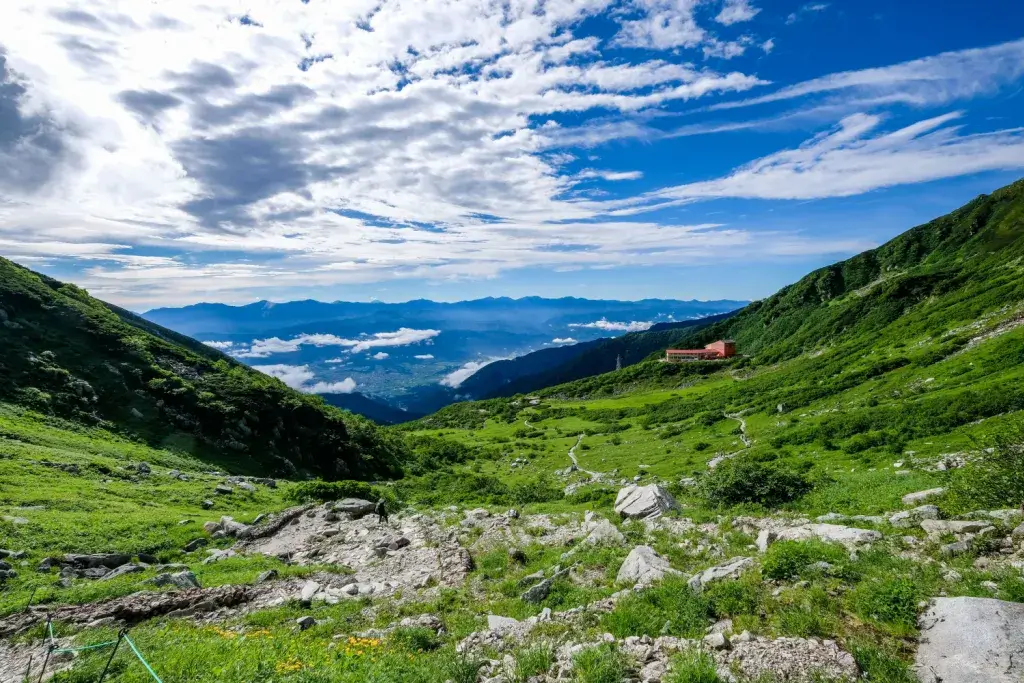
Long ago, this quiet region was one of Japan’s main travel routes, connecting people, timber, and knowledge across the country. Today, we’ll explore five sites in Kiso Valley, each with its own story and charm.
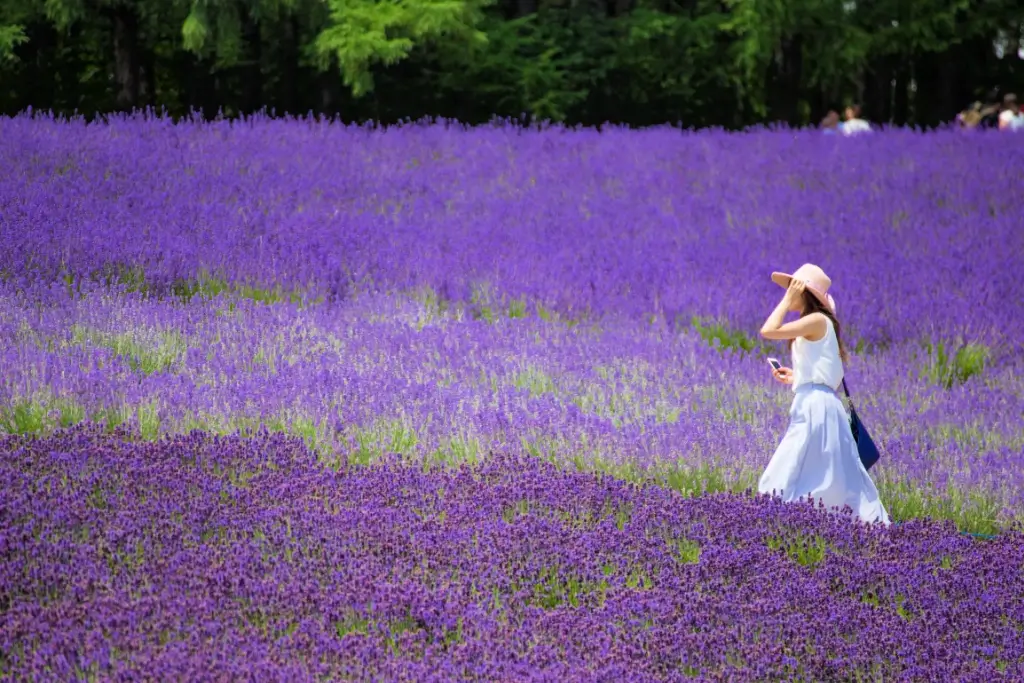
Japan’s seasonal plants and trees bring color to the country each year. However, it may surprise you to know that some of the most popular are not native Japanese plants at all. Lavender is one such seasonal flower that blankets landscapes during the summer months.
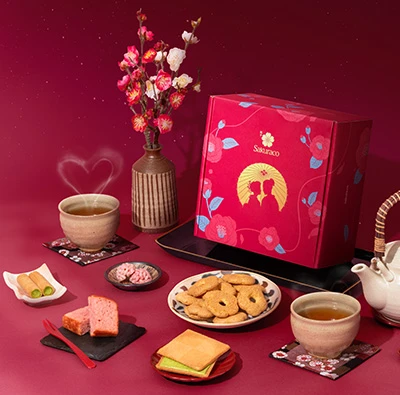
Hello, Sakuraco community! We hope you’re doing well. Here are the winners of the February 2026 Reviewer Contest!

Few places in Tokyo combine history, culture, and nature as clearly as Ueno Park. Located in one of the city’s busiest districts, the park attracts millions of visitors each year. People come to see museums, temples, cherry blossoms, and wildlife at the zoo.
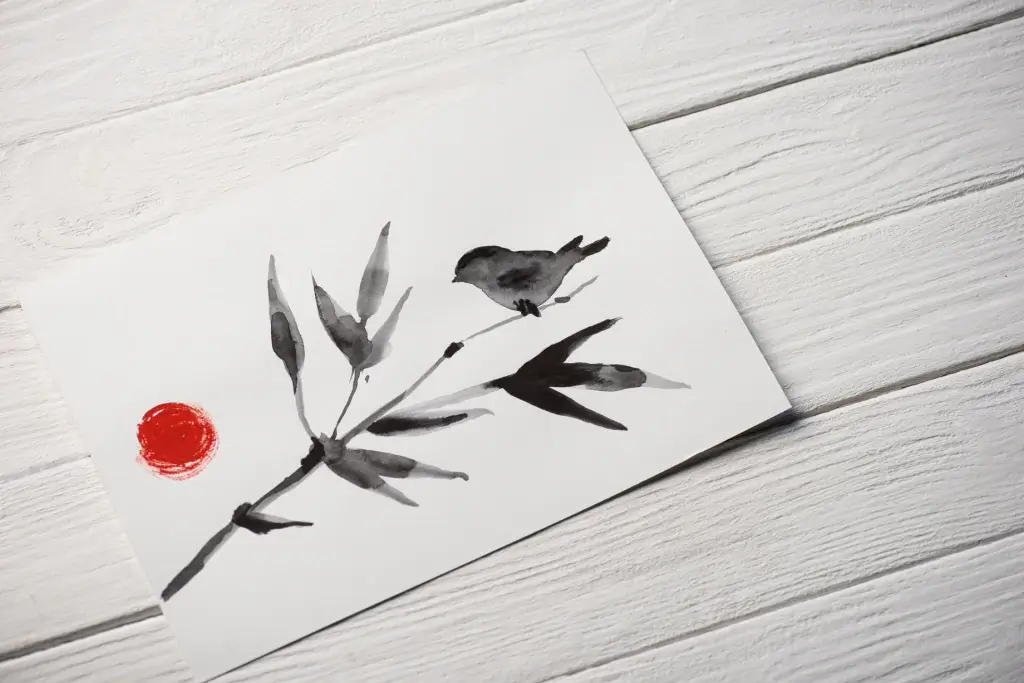
Sumi-e is a style of ink painting that uses black ink to create images with simple brush strokes. The name comes from the Japanese words for ink, sumi, and painting, e. Artists use brushes, ink, and paper to create landscapes, plants, animals, and calligraphy-like forms.
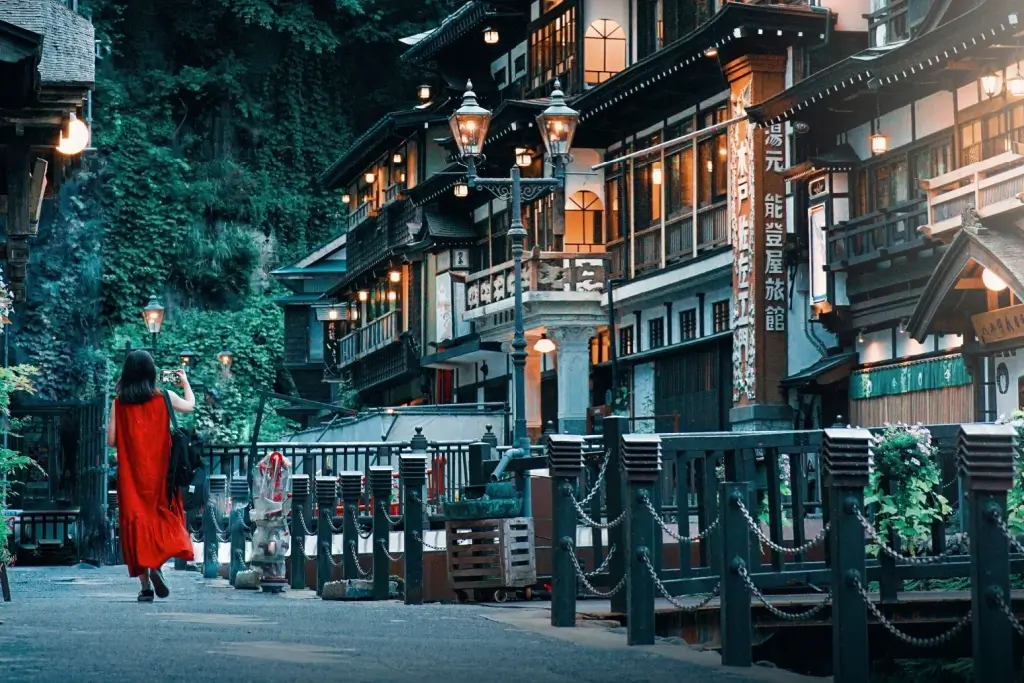
A ryokan is a traditional Japanese inn that offers a unique style of hospitality. These inns feature tatami floors, futon bedding, baths, and carefully prepared meals. Today, ryokan are popular with Japanese travelers and international visitors.
Enjoy new Japanese sweets, snacks & tea every month starting from $32.50 USD





 brand.