

mochi
Mochi and Its Amazing Influence on Modern Design

Tokyo Terry

Posted on July 27, 2023
Share:
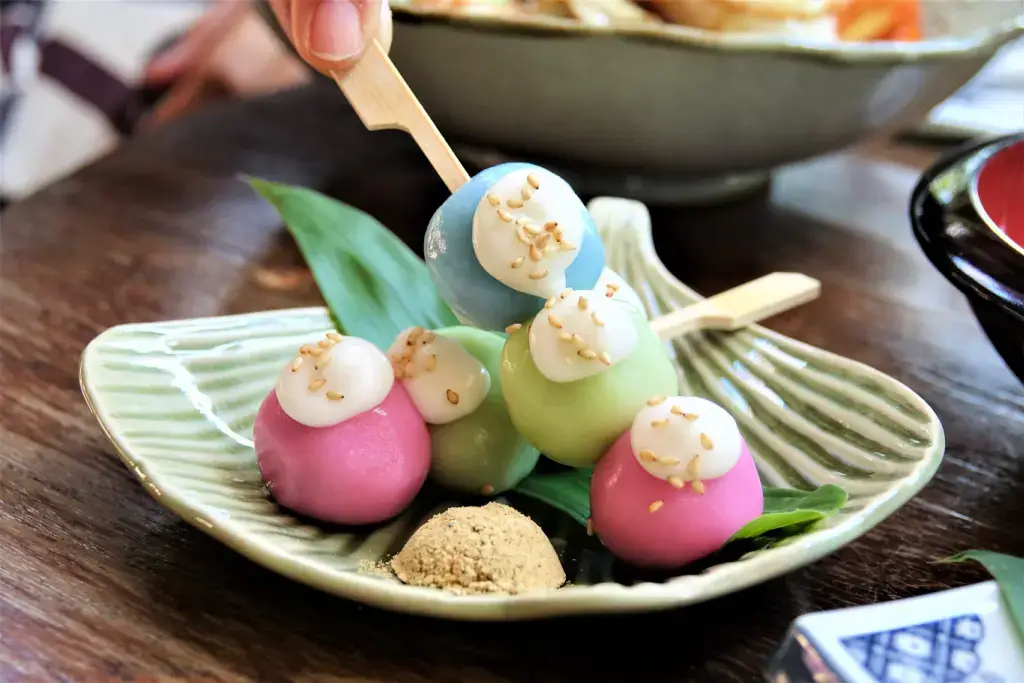
The charm of mochi rice cakes has inspired a new aesthetic in modern Japanese design, promoting visually attractive and mentally uplifting creations. Let’s explore how this delightful treat has influenced contemporary aesthetics, fusing culture and art for a delightful journey into Japanese design.
Mochi: The Treat
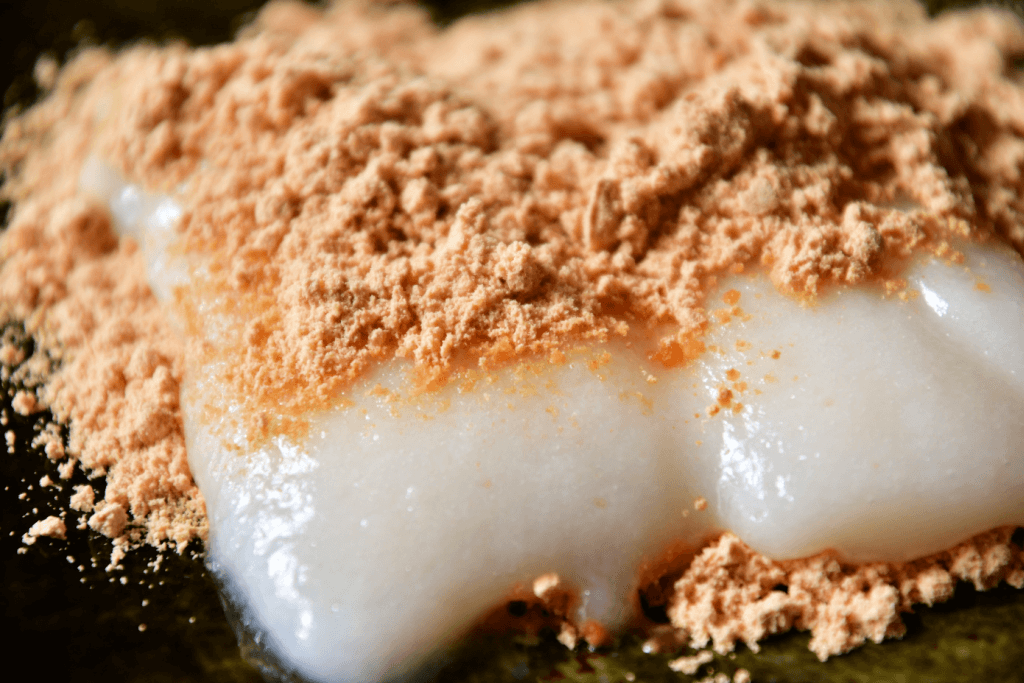
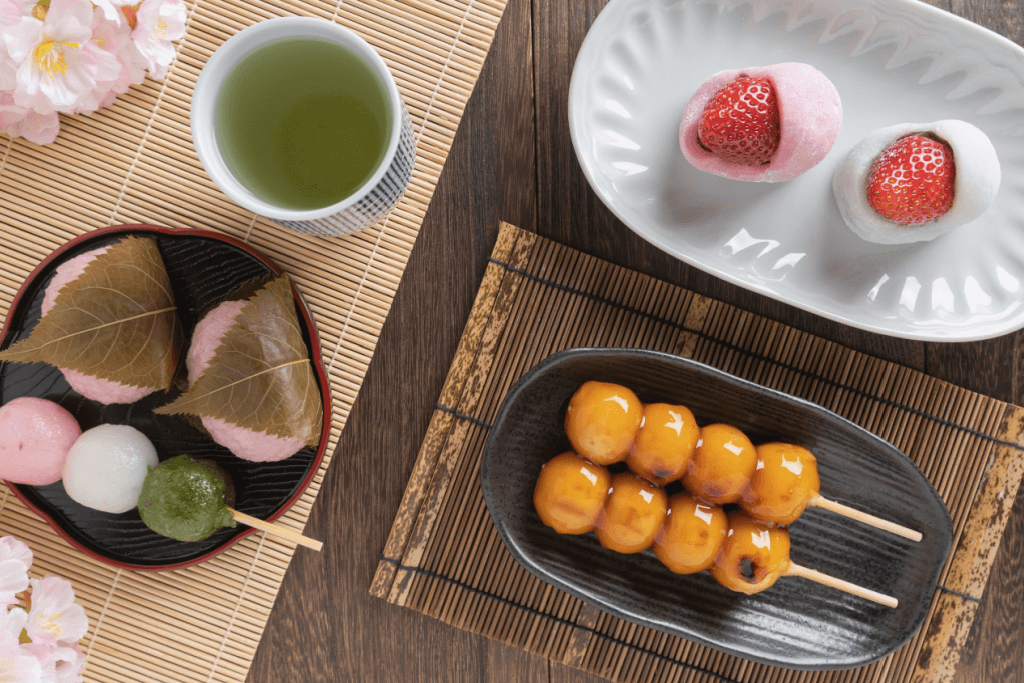
Mochi (もち, 餅) is a Japanese sweet with a chewy texture, primarily made from rice. Traditionally, people laboriously pound a particular type of rice called mochigome to make rice dough, which they then cut and shape into individual servings. The rice cakes can then be dusted with cornstarch or potato starch to prevent it from sticking to the plastic wrap in which it is served.
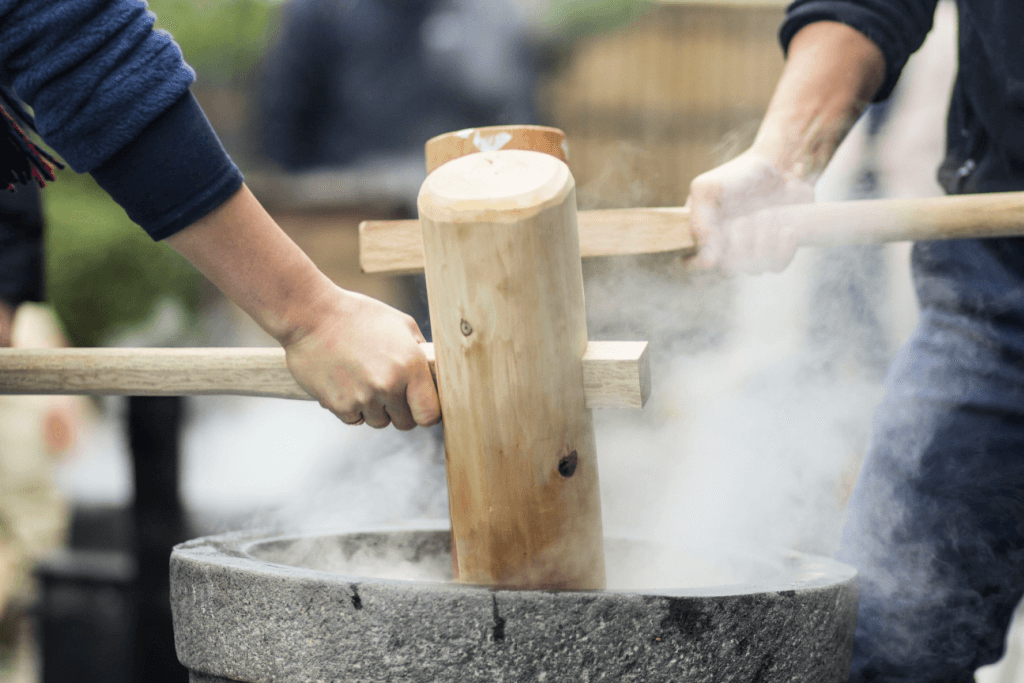
This traditional mochi preparation method is called mochitsuki. However, people have recently used sweet rice flour more commonly, which they can easily purchase at grocery stores. Mix it with water, heat it in a microwave-safe bowl, and prepare it in seconds without hours of preparation.
The simplicity of using glutinous rice flour in the mochi recipe makes the treat quite versatile.
When making the dough using rice flour, people can mix it with other ingredients, such as red beans (mame), fruit, grains, leaves, or sakura. They can even add ice cream to the center of frozen mochi to create mochi ice cream. In Hawaii, they add eggs, butter, coconut milk, and baking powder to make that island’s signature “butter mochi.”
Mochi as Part of Japanese Culture
Mochi is most popular around the Japanese New Year (shogatsu). But the Japanese rice cake is also commonly served at tea ceremonies and culturally significant events like hanami and Girl’s Day. The treat is so widespread that it even varies by region. Yatsuhashi is a type of mochi that is the most famous edible dessert in Kyoto. And Hokkaido is known for its imomochi, made from potatoes instead of rice.
This constant presence of the sweet in Japanese culture makes the mochi aesthetic even possible. The confectionery’s soft, chewy texture and association with holidays and celebrations remind one of warm, carefree times spent with friends and family. So it is no wonder the design world has looked to mochi to associate such a feeling with their products.
Are you looking to enjoy even more of traditional Japan? Check out Sakuraco! Sakuraco delivers traditional Japanese snacks, teas, sweets, and snacks from local Japanese makers directly to your door so you can enjoy the latest treats directly from Japan!

Pop Culture Influences
The emergence of the mochi aesthetic is closely related to the rise of Japanese kawaii culture. Before the Hello Kitty craze in the 1970s and 80s, the design world was dominated by hard edges, corners, and serious colors. Today, “kawaii” strongly influences popular culture, but be can still be quite playful.
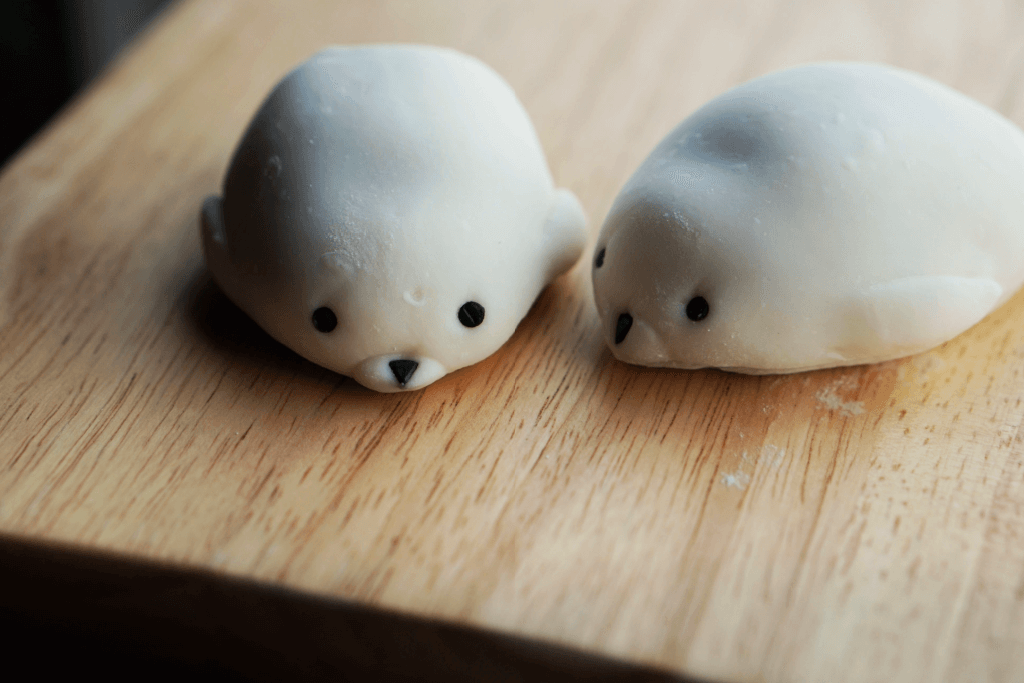
Moreover, the aesthetic replaces this playfulness with a more adult yearning for simpler times by incorporating minimalism, simplicity, and aspects of wabi-sabi. The result is a comfortable feeling, much like the nostalgia of consuming rice cakes at a Japanese holiday event.
General Look
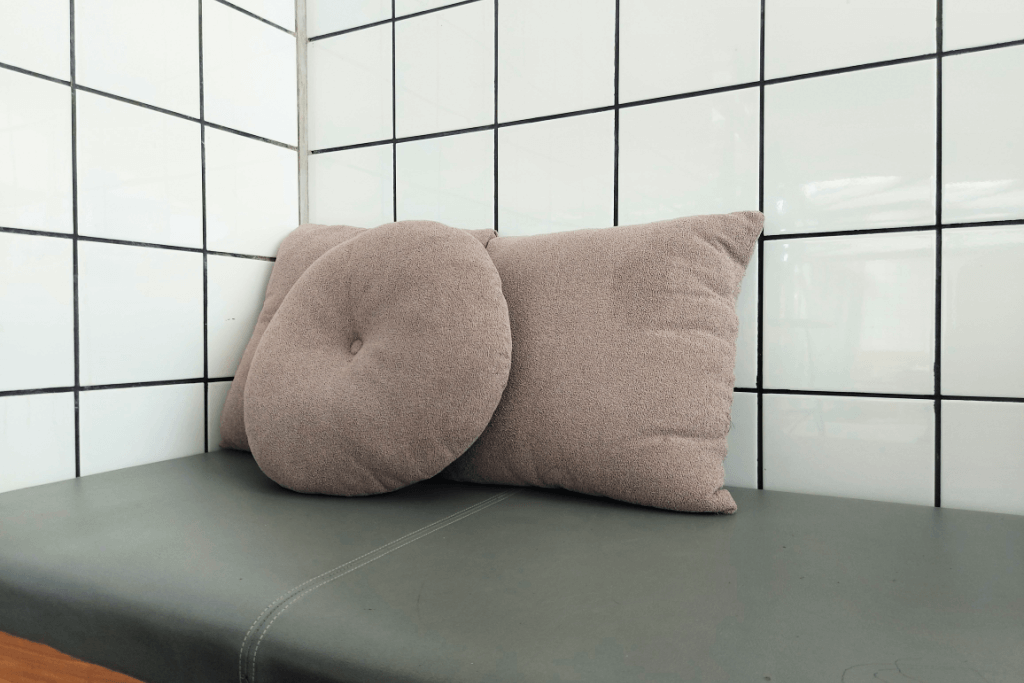
The features of this aesthetic are unmistakable. People frown upon harsh lighting and prefer more transparent and minimalist rooms. They deliberately avoid straight lines or corners, opting for gentle, rounded edges. Forms are bulbous and lower to the ground as if squashed between the fingers like the mochi treats itself. The colors are soothing, like the various rice cake flavors. Furniture pieces are usually modular to facilitate custom combinations, encourage human interaction, and coax informal conversation.
Color Palette
The color palette of the mochi aesthetic is subtle and comforting. It utilizes the trademark pastel hues reminiscent of various flavors, such as light blue, pink, green, and lavender. The color choices produce a calm and soothing atmosphere when added to any space.
Materials and Textures
Furniture adhering to this style uses naturally occurring materials such as wood or cotton. Light-colored woods such as cypress (hinoki ) or cedar (sugi) are prevalent. Manufacturers upholster these pieces with natural or textured fabric. They often give them a plush appearance to evoke the sense of comfort associated with a stuffed animal or toy.
Mochi Means A Relaxing Life
Since its inception, the mochi aesthetic has grown from a quirky offset of kawaii culture into a legitimate contemporary art form. Fashion designers inspired by the mochi look produce clothing and accessories that have spawned new subcultures, like pastel goth. Not to mention graphic designers and animators also utilize the influence of this aesthetic to create more appealing characters.
Moreover, interior designers and social scientists have observed that children love mochi furniture. As a result, they use the design style to create relaxing spaces and combat anxiety and stress, especially in the workplace. With its playful lines, soft materials, gentle curves, and relaxing colors, the mochi design aesthetic will likely continue to evolve and subtly inspire us daily. Has the mochi aesthetic influenced your taste in home decor? Let us know in the comments below!
Discover authentic flavors with Sakuraco
Get Sakuraco 
Discover authentic flavors with Sakuraco
Get Sakuraco
Related Articles
TAKASHii from Japan: What Makes His Street Interviews Unique?
At Sakuraco, we love sharing stories that connect people to Japan in meaningful ways—not just through snacks, but through the voices and experiences behind its culture. Today, we’re excited to feature Takashii, (TAKASHii from Japan), a creator known for his thoughtful street interviews that explore perspectives, culture, and human connection. In this interview, he shares…
Nakameguro and Beyond: Best Places to Enjoy Yozakura in Japan
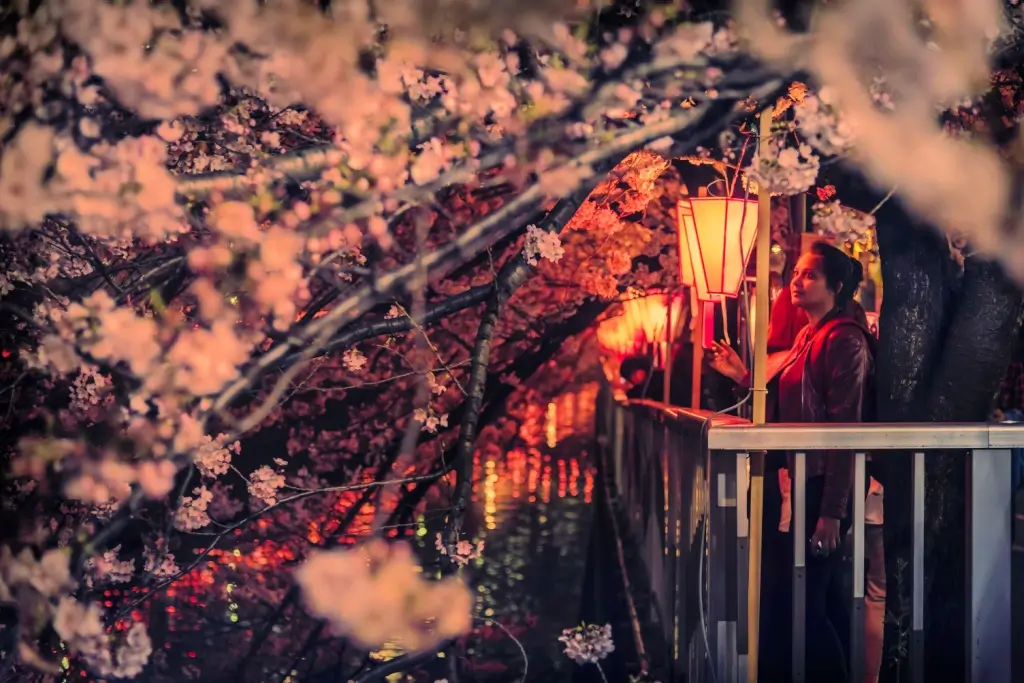
While Nakameguro is a must-visit, it’s far from the only place to enjoy night cherry blossoms in Japan. From peaceful moat-lined walkways to historic gardens and castle parks, exploring beyond Nakameguro reveals just how diverse and memorable yozakura can be.
Omiyage: The Tradition of Japanese Souvenirs
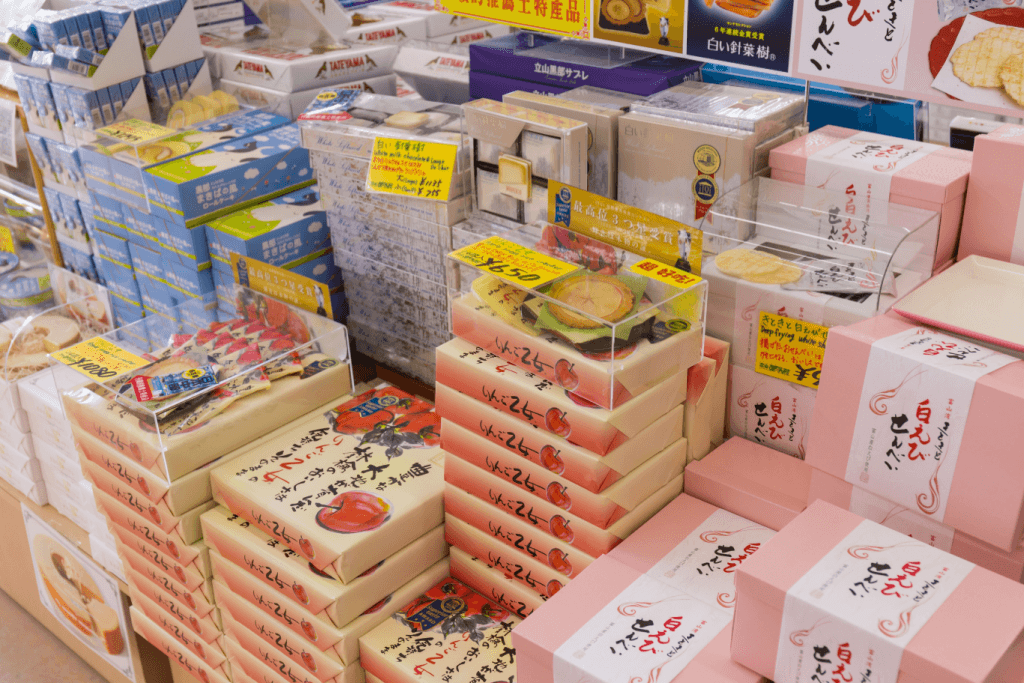
In Japan, you can find an endless selection of region-specific boxed snacks and desserts, perfect for distributing to others. These types of snacks are called omiyage, souvenirs bought for others, and they are an important part of Japanese culture and relationships.
Japanese Desserts and Key Ingredients: Mochi, Anko & More
Japanese desserts, through combining traditional methods and ingredients with modern styles, have become globally recognizable. From mochi to fluffy souffle pancakes, let’s learn more about the key ingredients and methods that are unique to Japan!