


Omiyage: The Tradition of Japanese Souvenirs

Savannah Wagner

Posted on April 10, 2026
Share:
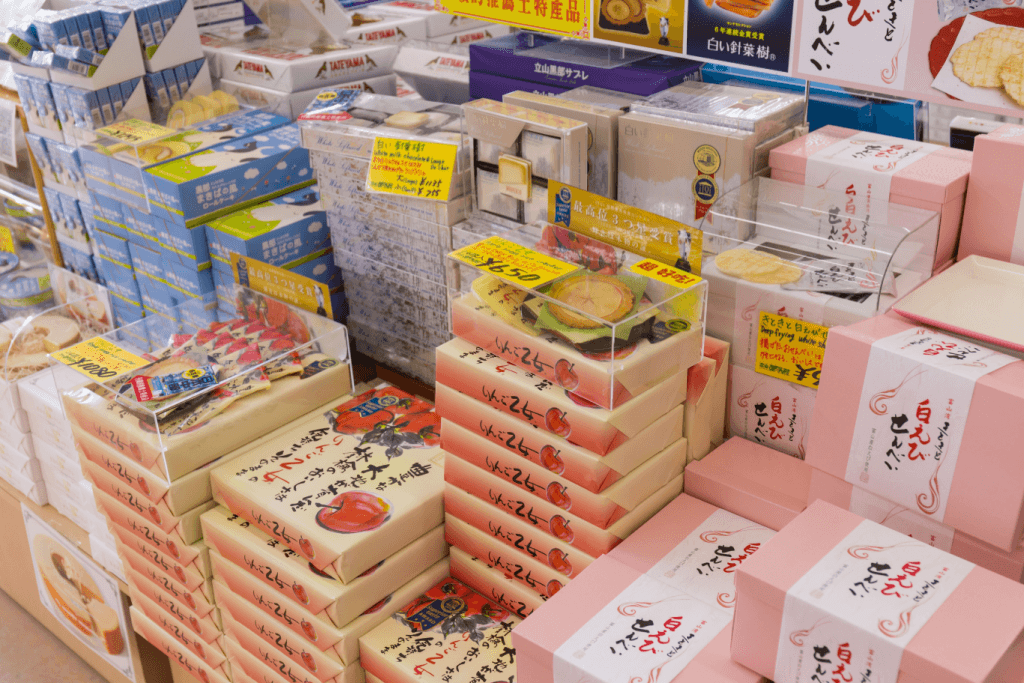
In many tourist areas, the main souvenirs sold are keychains, magnets, and T-shirts. In Japan, however, you can find an endless selection of region-specific boxed snacks and desserts, perfect for sharing. These types of snacks, called omiyage, are souvenirs bought for others, and they are an important part of Japanese culture and relationships.
What is Omiyage?
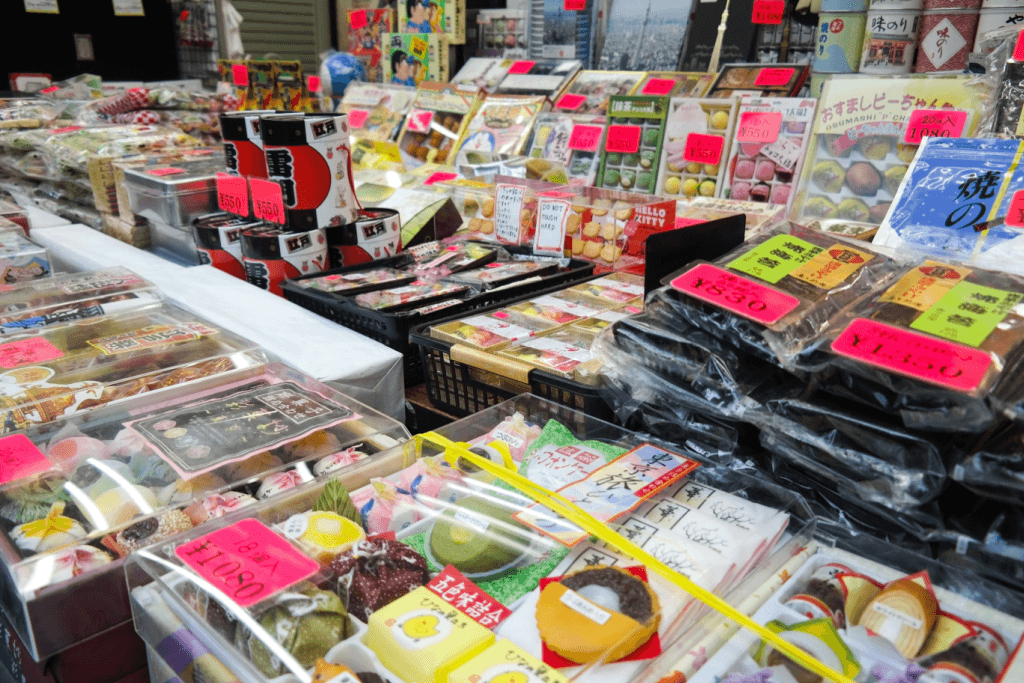
The closest translation of omiyage (お土産) into English is “souvenir”; however, its actual meaning is quite different. In English, a souvenir is an item bought on a trip as a memento, whether for friends and family or for oneself. Omiyage, however, are specifically bought for family, friends, and colleagues who did not make the trip. Furthermore, these gifts are usually edible, most often in the form of pre-packaged snacks that can be easily distributed. Found at tourist attractions, airports, and stations, omiyage typically features local specialties and products made from regional ingredients.
History and Cultural Significance of Omiyage
Omiyage originated in sacred pilgrimages to Shinto shrines. When people traveled to visit shrines, they were expected to bring back gifts. This included items with religious significance. As shops in the areas around these shrines began selling local products and specialty sweets, the tradition of omiyage began to cement itself as a distinct aspect of Japanese culture.
Today, the tradition shows respect towards others, helping to maintain harmonious relationships. This is especially true of gifting in the workplace, in which bringing back omiyage for your colleagues is a way to show gratitude to them for covering for you while you were away. These gestures also play an important role in maintaining good relationships in group settings, which Japanese culture deeply values. In fact, people sometimes even frown upon returning from a trip without bringing gifts for others.
Regional Specialties
Products associated with a particular region are, for many, the biggest appeal of omiyage. For example, Aomori prefecture is famous for its apples, producing a majority of Japan’s apple crop each year. Consequently, in Aomori City you will find plenty of apple-themed omiyage. Through showcasing regional specialties, even smaller prefectures can showcase their uniqueness. In this way, they represent the location where they are purchased. This idea is also reflected in the characters that make up the word omiyage, with 土 and 産 translating to “local” and “produce” respectively.
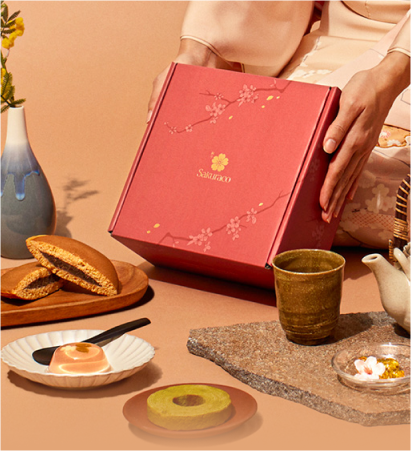
Curious about what snacks would make for great omiyage? Check out Sakuraco! Sakuraco sends traditional Japanese snacks, teas, and sweets from local makers straight to your door each month!

Popular Omiyage
Tokyo Banana
One of Japan’s most well-known omiyage is, without a doubt, Tokyo Banana, manufactured and sold by Grapestone Co. It consists of a soft, spongy, banana-shaped cake filled with banana-flavored custard and can be found at several Tokyo train stations and major airports!
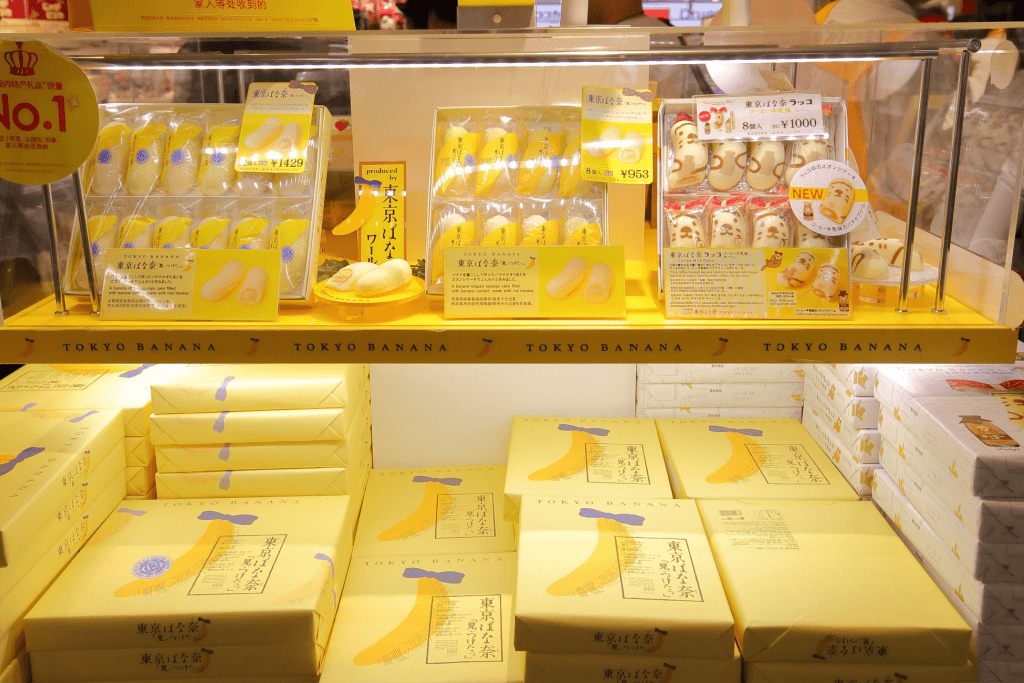
Aside from the original version, Tokyo Banana comes in various flavors and exclusive styles, such as honey and lemon. Additionally, Tokyo Banana has had collaborations with characters such as Pikachu and Doraemon, and with brands like KitKat to release exclusive products. Tokyo Station is even home to a store dedicated solely to selling Tokyo Banana products.
Shiroi Koibito
Originating in Sapporo, Hokkaido, Shiroi Koibito (literally “white lovers”) are a popular omiyage consisting of white chocolate sandwiched between langue de chat-style cookies. Created and sold by pastry brand Ishiya, Shiroi Koibito has become a beloved omiyage for visitors to bring back from trips to Hokkaido.
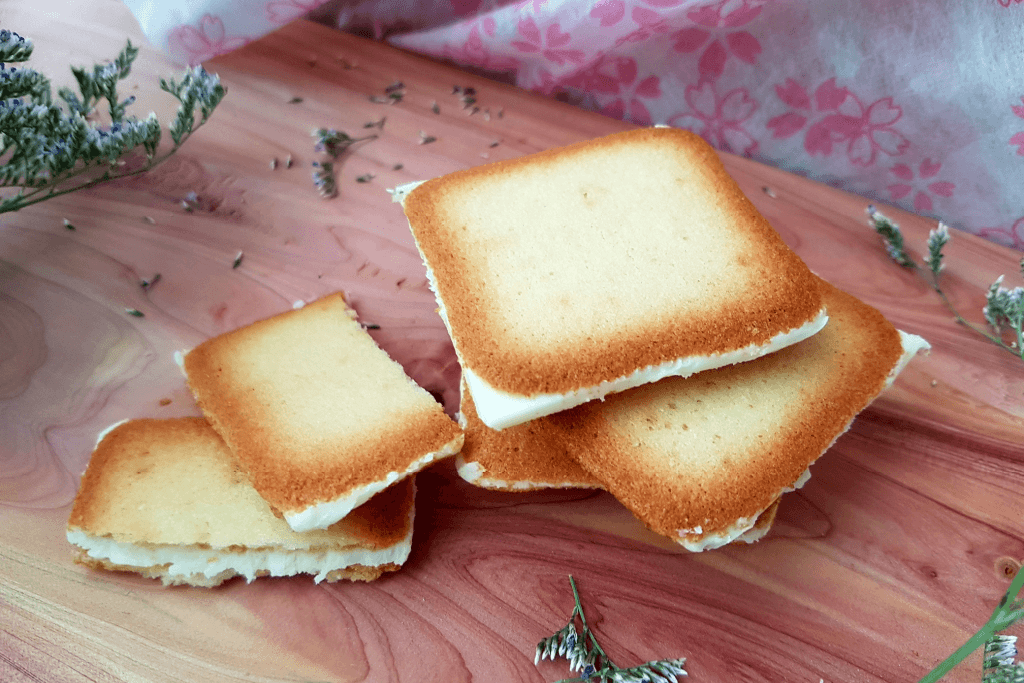
Its iconic white and blue packaging features a picture of Mount Rishiri, which is located off the coast of Hokkaido. Ishiya sells several variations of Shiroi Koibito, such as Shiroi Koibito Black with milk chocolate in the center. Also in Sapporo is Shiroi Koibito Park, a theme park centered around Hokkaido’s most famous omiyage. Today, omiyage resembling Shiroi Koibito is sold all over Japan.
Kobe Pudding
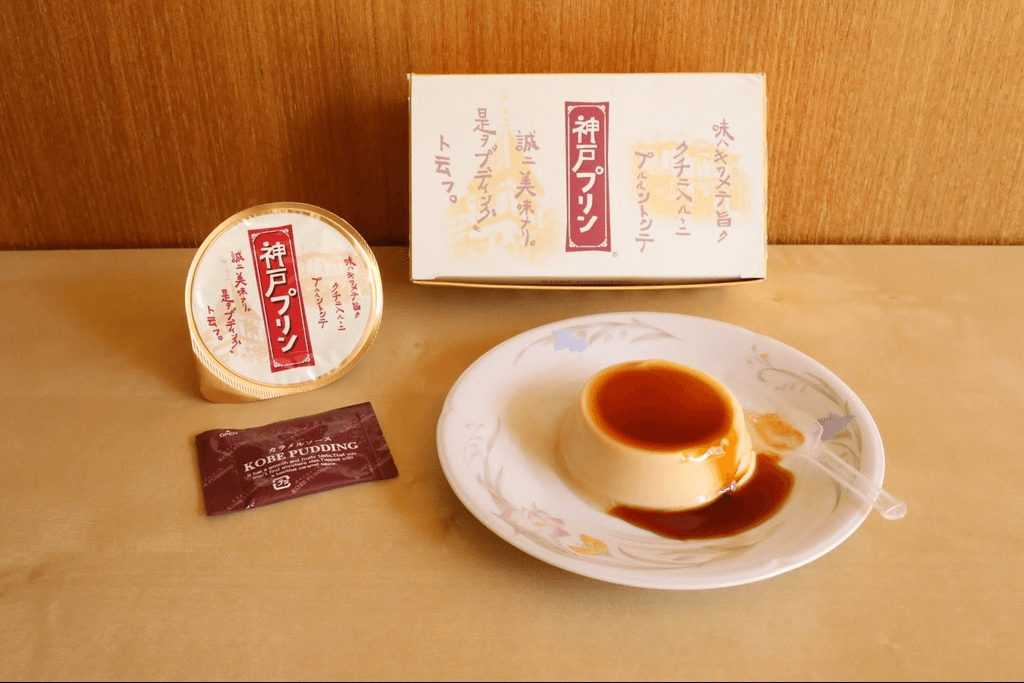
Kobe’s signature omiyage is Kobe Pudding, launched in 1993 and sold by Toraku Foods Co., Ltd. A city known for its western confectionery, Kobe City has perfected this dessert. Kobe Pudding is made using eggs and fresh cream, resulting in a smooth texture and rich taste. Another point of appeal is the inclusion of a separate caramel sauce packet, which lets you pour as much as you like to enhance the flavor even more. Kobe Pudding can be stored at room temperature, with a shelf life of about six months, which only contributes to its popularity.
Why should I buy omiyage?
Purchasing omiyage for others is a simple way to show respect and gratitude. As long as you buy enough for everyone to share, these pre-packaged desserts and snacks are sure not to disappoint. It is also a great way to enjoy local specialties and take a piece of your trip home with you! Have you ever purchased omiyage? Let us know in the comments!
Discover authentic flavors with Sakuraco
Get Sakuraco 
Discover authentic flavors with Sakuraco
Get Sakuraco
Related Articles
Forest Bathing in Japan: The Ultimate Guide
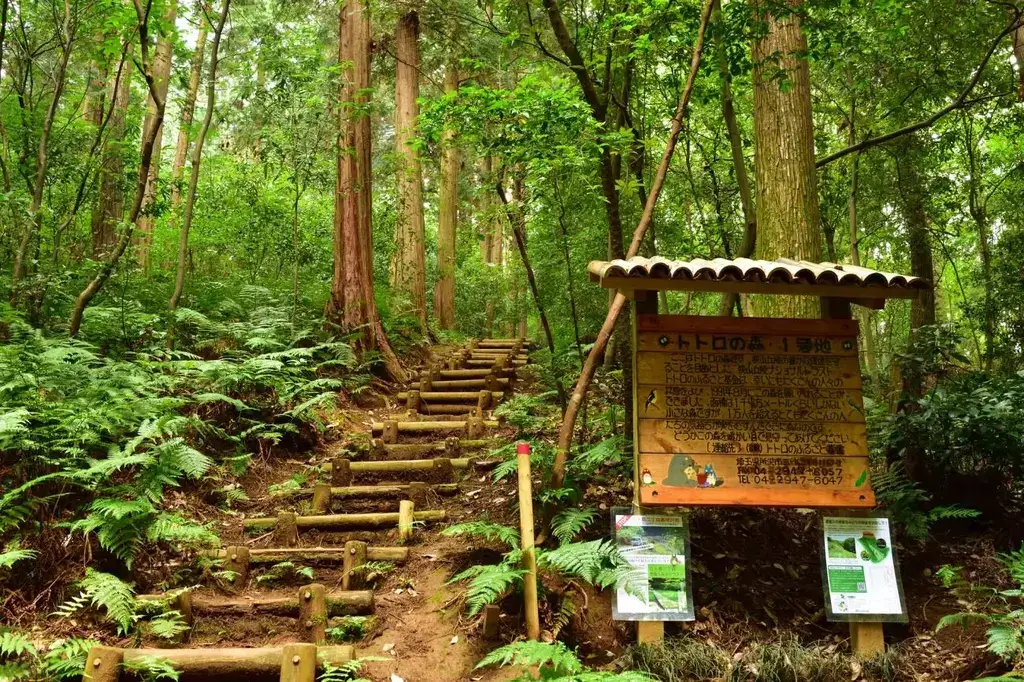
Japan is known for cultural traditions that promote balance, mindfulness, and a connection with nature. One of the most distinctive is forest bathing, or shinrin-yoku. Despite its name, forest bathing does not involve water.
Kawadoko Dining in Japan: A Unique Riverfront Summer Tradition
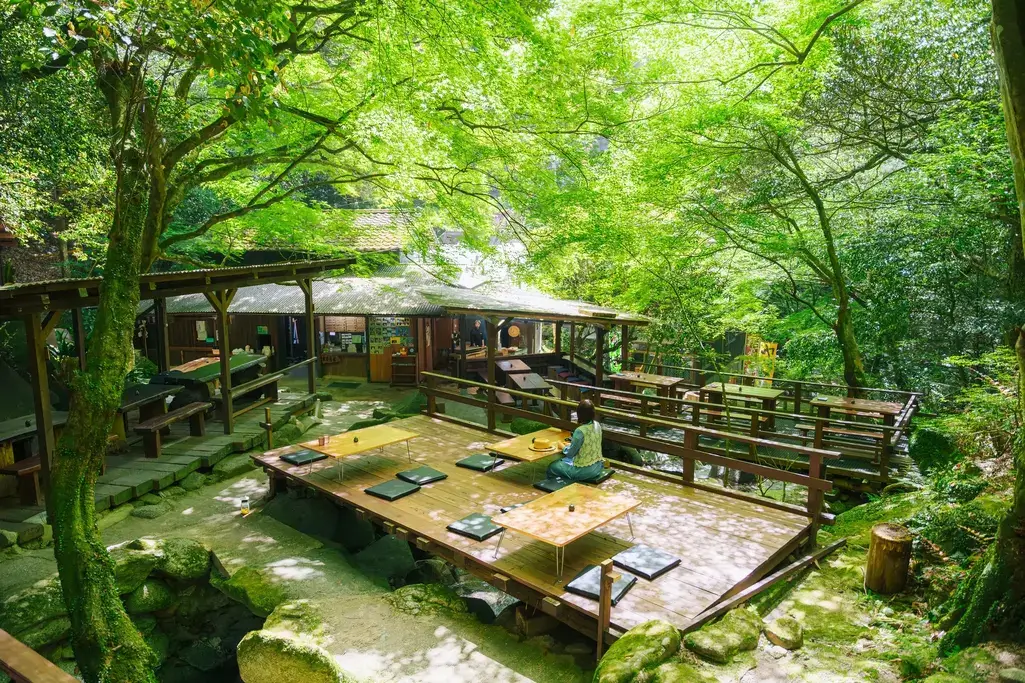
Japan is home to many seasonal traditions that help people appreciate the changing environment. One of the most distinctive is kawadoko dining, an outdoor dining style that allows guests to enjoy meals beside or above flowing rivers during the warmer months. Known for its cool atmosphere and scenic surroundings, this riverfront dining tradition has become one of Japan’s most memorable summer experiences.
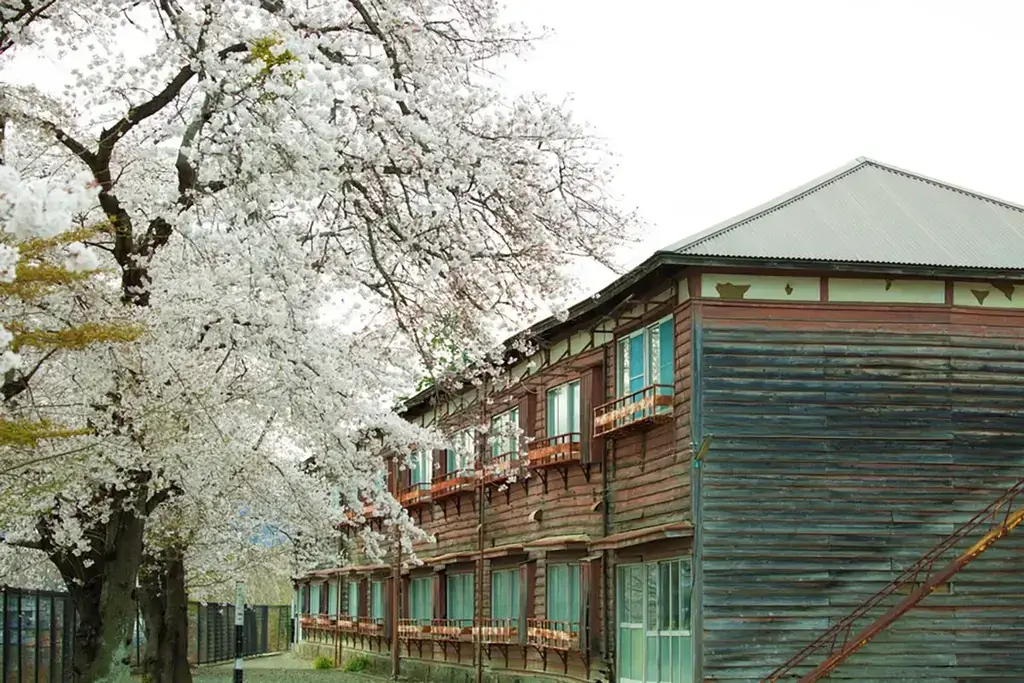
Tomioka Silk Mill: The Factory That Helped Modernize Japan
The Tomioka Silk Mill is one of Japan’s most important industrial heritage sites. Located in Tomioka City in Gunma Prefecture, the mill played a major role in Japan’s modernization during the late 19th century.
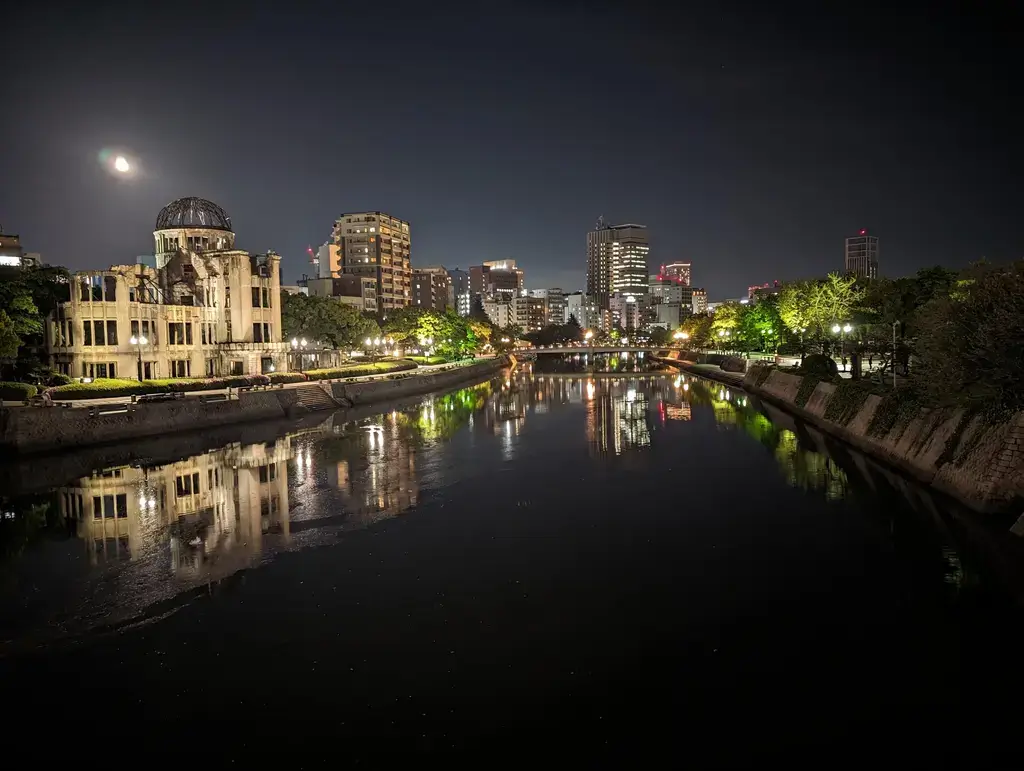
Hiroshima: History, Food, and Scenic Destinations
Hiroshima is one of Japan’s most historically important and culturally rich regions. Located along the Seto Inland Sea in western Japan, Hiroshima Prefecture is known for its history, food, and coastal scenery.