


wheat based food
Wheat-Based Food in Japan: Which Ones Should You Try?

Karina Ikedo

Posted on February 26, 2025
Share:

Japan is famous for its rich culinary traditions, often focused on rice, Japanese fish and seafood, and fresh vegetables. But wheat-based foods also play a unique role in Japanese cuisine, offering a variety of textures and flavors, from the chewy, hearty strands of udon noodles to the delicate, savory taste of namafu. Wheat-based foods are now an integral part of Japan’s culinary identity.
These wheat-based foods have become beloved staples in the daily lives of many Japanese people. Want to learn more about the diverse world of Japanese wheat-based cuisine? Some must-try dishes highlight the country’s unique fusion of flavors, textures, and culinary creativity.
Usuyaki
Wheat-based usuyaki is a simple yet delightful dish with a unique twist on traditional Japanese food. Chefs make this thin, crepe-like pancake from wheat flour, water, and sometimes some sugar or seasoning. They spread the batter thinly on a hot griddle, creating a crispy texture with a chewy bite. People serve usuyaki as a snack or side dish, plain or topped with sweet, savory, or powdered sugar. Though less famous than udon or ramen, usuyaki’s delicate texture offers a satisfying, quick, and flavorful treat.

Originally a portable snack enjoyed by farmers during daily work, usuyaki also lends itself to flavor variations. Some versions include local vegetables, shiso (Japanese basil), or beans, while others use a simple wheat flour base sweetened with sugar or soy sauce. This dish showcases wheat’s versatility in Japanese cuisine, highlighting its creative use in simple and complex preparations.
Udon Noodles
Udon are thick, chewy Japanese noodles made from wheat flour, water, and salt. Japanese cuisine makes these noodles special, and they are commonly served in both hot and cold dishes. Traditionally, artisans hand-make these noodles, which people enjoy with dashi (dried fish stock), soy sauce, and mirin (sweet rice wine). Chefs top them with green onions, tempura (battered and fried seafood or vegetables), or soft-boiled egg.
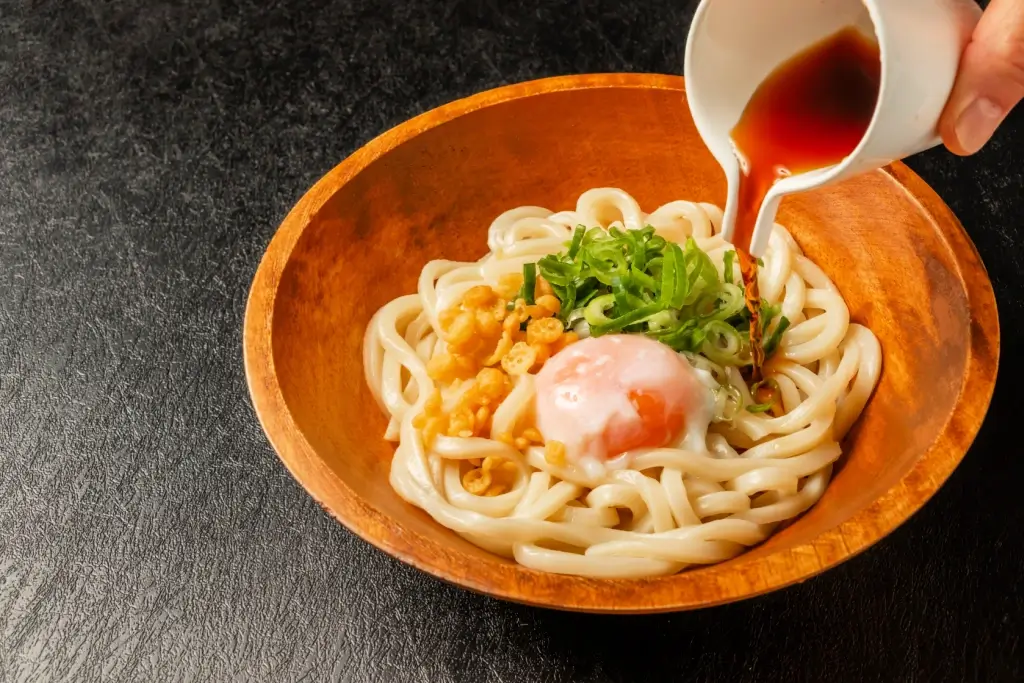
Not to mention, the simplicity of udon allows the quality of ingredients to shine, making it a satisfying meal year-round. What sets udon apart is its versatility. It’s served cold in summer with a dipping sauce and warming, hearty soup in winter. Whether in a comforting broth or stir-fried with vegetables, meat, or seafood, udon is a beloved staple in Japanese cuisine.
Can’t make it out here, but do you want to try some exclusive Japanese noodles? Check out Sakuraco! Sakuraco delivers traditional Japanese snacks, teas, and sweets from local Japanese makers directly to your door so you can enjoy the latest treats directly from Japan!

Soba Noodles
Soba noodles are a traditional Japanese dish made from buckwheat flour, often mixed with wheat flour for texture. Adding wheat flour helps make the noodles more durable and cost-effective. These thin, long noodles have a nutty flavor and a firm, chewy bite. Soba dishes can be enjoyed in many ways, like a warm broth or a cold with dipping sauce. Toppings like green onions, tempura, or soft-boiled eggs enhance the flavor.
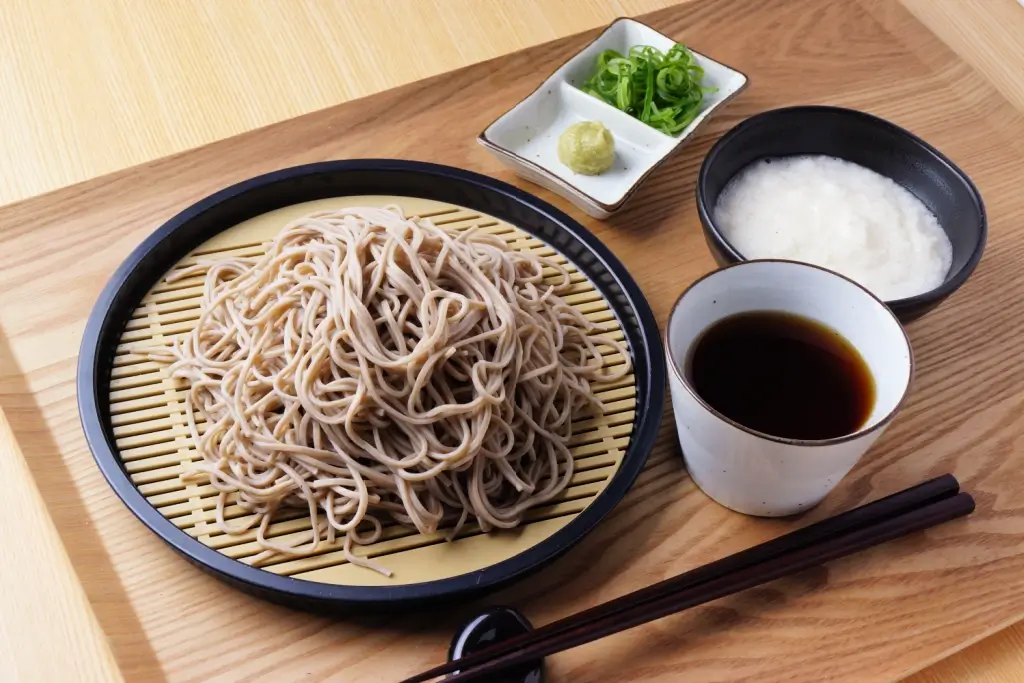
Soba noodles are similar in nutrition to whole-wheat spaghetti and are a good plant-based protein source. It also holds cultural significance, especially on occasions like New Year’s Eve, symbolizing luck, longevity, and the passing of time.
Namafu
Artisans make namafu from seitan (wheat gluten), which gives it a chewy, meat-like texture. They wash the dough in water to remove starch, leaving behind the gluten. Chefs commonly use the resulting namafu in traditional dishes like oden (hot pot) and tempura (battered and fried meat and vegetables). They can also steam or grill it, allowing it to take on different flavors depending on the preparation method.
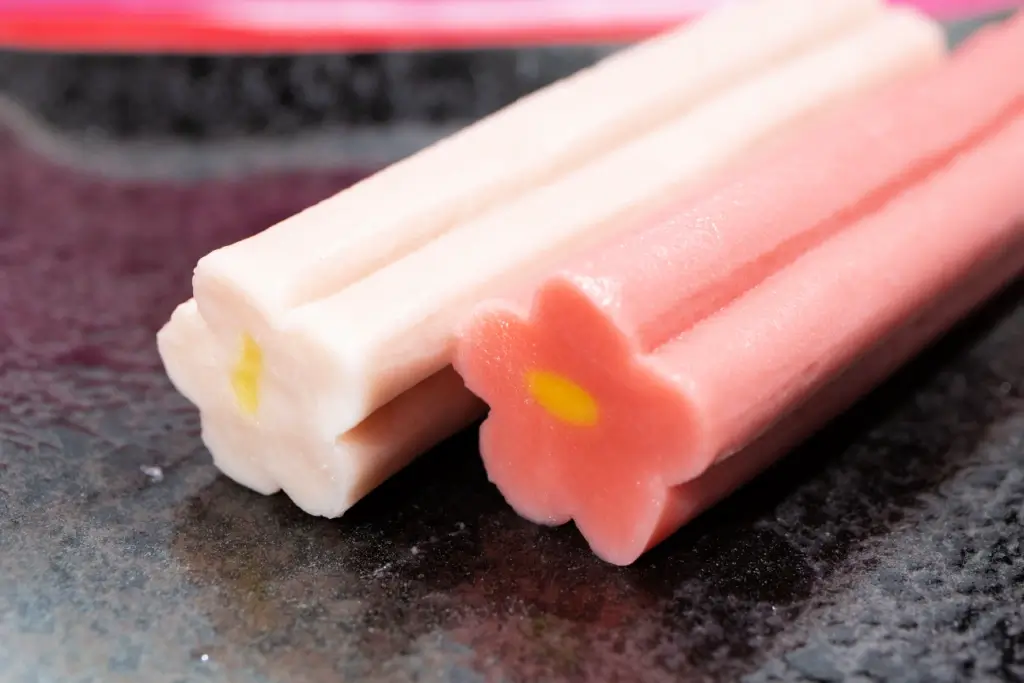
Namafu’s texture makes it a great meat substitute in vegetarian and vegan dishes. Its wheat base provides plant-based protein, and it’s often seasoned with soy sauce, mirin, or broths to absorb surrounding flavors. Namafu is particularly important in Buddhist vegetarian cuisine, offering a satisfying texture without animal products. Its rich, nutty fragrance shines when grilled, especially when paired with dengaku (miso sauce).
Why should I try wheat-based foods from Japan?
Trying wheat-based foods from Japan offers a delicious way to explore the country’s unique culinary traditions. These dishes, from nutty soba noodles to chewy usuyaki, highlight the versatility of wheat in Japanese cuisine. Whether you’re looking for a comforting bowl of noodles or a flavorful side dish, wheat-based foods have something for everyone. They offer a wide range of textures and flavors to suit any taste.
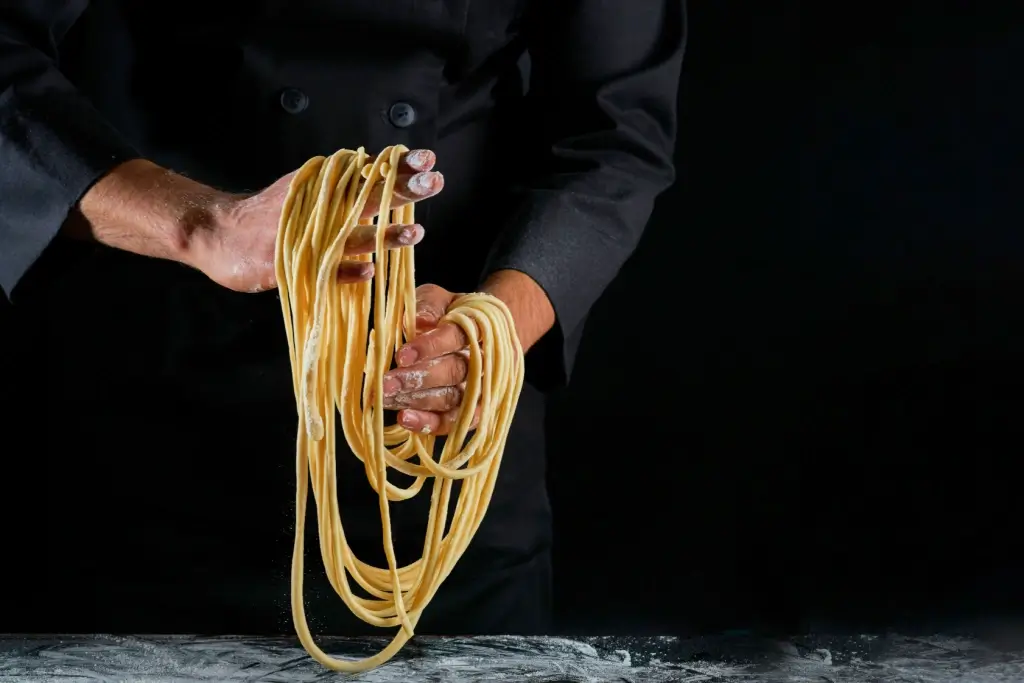
Many of these dishes hold cultural significance, giving you a deeper connection to Japanese heritage. So, if you’re curious about new tastes and textures, these wheat-based foods are worth trying! Have you tried wheat-based foods from Japan before? Do you have a favorite one? Share your thoughts in the comments below!

Discover authentic flavors with Sakuraco
Get Sakuraco 
Discover authentic flavors with Sakuraco
Get Sakuraco
Related Articles

Kyoto Confectionery Museum: Everything You Need to Know
Although Kyoto is famous for temples, gardens, and historic districts, the city is also known for its centuries-old confectionery culture. The Kyoto Confectionery Museum shows how sweets became closely connected to tea ceremonies, seasonal celebrations, and Japanese aesthetics.
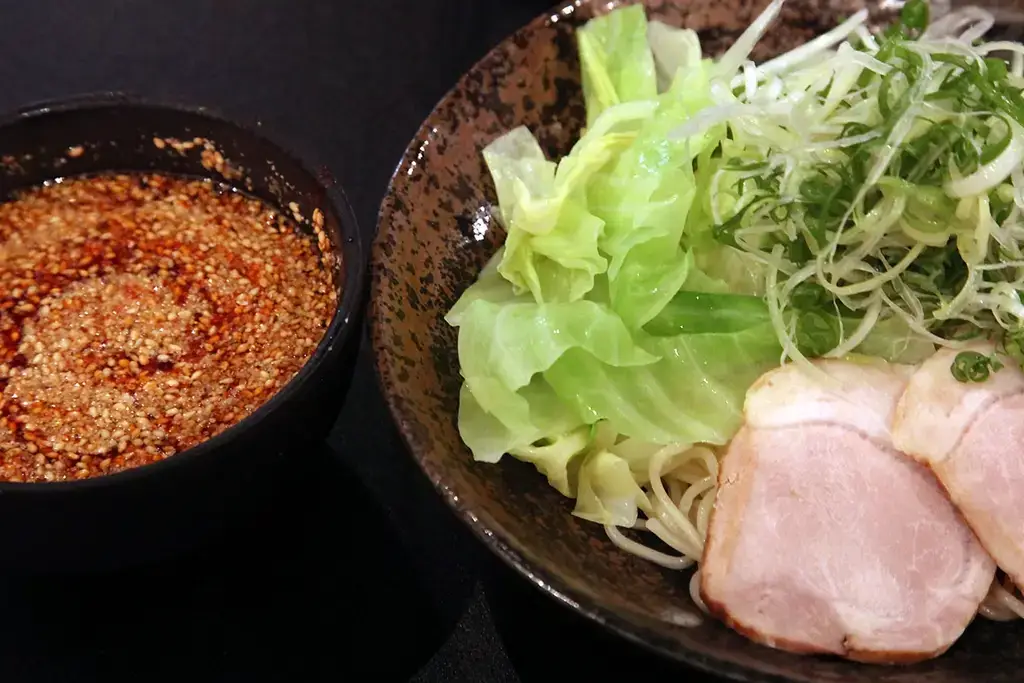
Hiroshima Tsukemen: A Spicy Take on Japanese Dipping Noodles
Tsukemen is one of Japan’s best-known noodle dishes, but Hiroshima offers its own distinctive version that differs sharply from the richer styles found in Tokyo and other parts of the country.

Sake from Takehara City: A History of Brewing
Takehara City in Hiroshima Prefecture is one of Japan’s historic sake towns. Located near the Seto Inland Sea, the city became wealthy during the Edo period through trade and sake brewing. Today, Takehara is still known for its traditional streets, old breweries, and connection to Hiroshima’s sake culture.

Aaron and Claire Soy-Glazed Pork Belly Recipe: A Guide!
Aaron and Claire share an easy soy-glazed pork belly rice bowl recipe that combines tender pork, a rich savory glaze, and simple ingredients for a comforting Japanese-inspired dinner at home.