


cherry blossoms
Cherry Blossoms in Japanese Food: The Ultimate Guide!

Savannah Walker

Posted on February 10, 2026
Share:
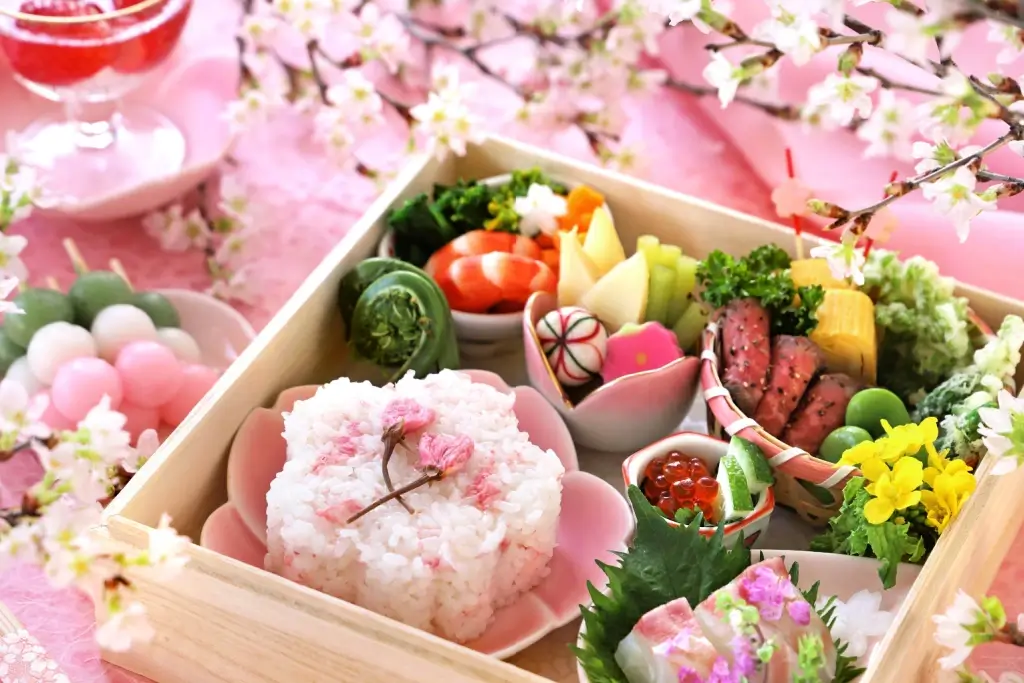
Cherry blossoms brighten Japan’s spring landscape with their delicate pink hues, and they also find their way into kitchens across the country, where cooks transform these fleeting petals into flavorful ingredients for both sweet and savory dishes.
By pickling young sakura petals in salt, people preserve their subtle floral essence and light almond-like notes, allowing the taste of early spring to linger through meals enjoyed during hanami picnics or quiet evenings at home. This tradition blends nature’s short-lived beauty with everyday eating, creating treats that feel both special and familiar to anyone who tries them.
How are cherry blossoms used in food?
The process of turning cherry blossoms into food begins with careful harvesting, usually in the cool early morning when petals remain tight and full of flavor before they fully unfurl under the warming sun. Farmers and home cooks then layer these fresh petals with salt, which draws out moisture and prevents spoilage, resulting in a deeper pink color and a tangy profile that enhances everything from desserts to drinks without overpowering other tastes. Often paired with pickled sakura leaves for extra depth, these preserved blossoms stay shelf-stable for months, allowing you to enjoy a hint of spring even in the depths of winter, when trees stand bare.
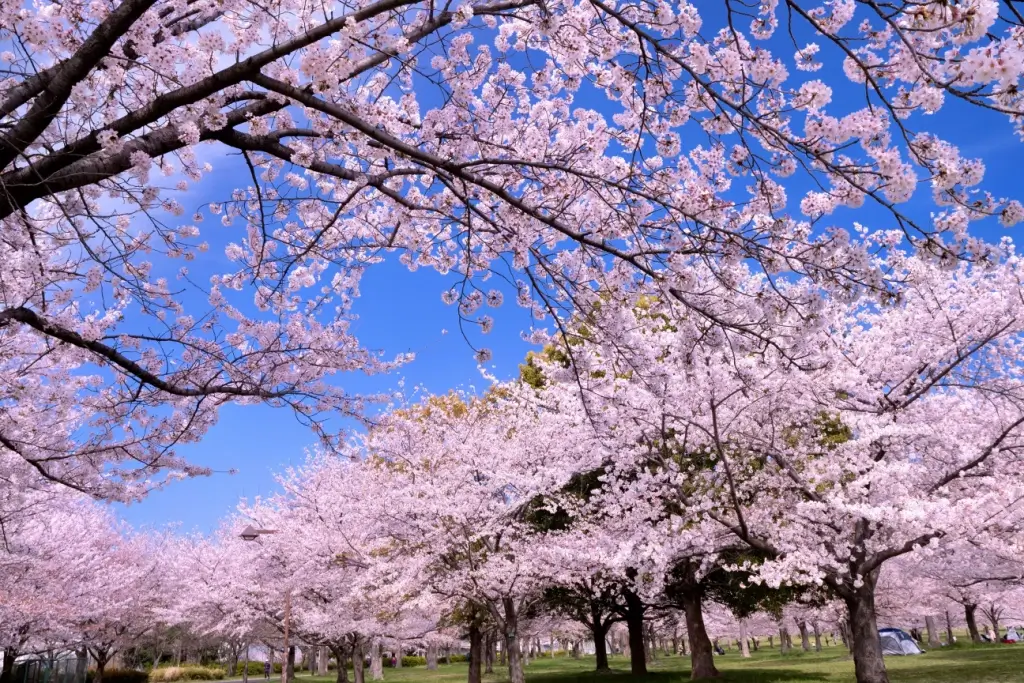
The custom of eating cherry blossoms traces back to the Edo period, when poets savored petals floating in sake, and sweets makers began pickling them to extend the ephemeral joy beyond a few weeks. By the Meiji era, commercialization brought sakura mochi to urban markets, aligning with hanami’s rise as a national pastime complete with boxed treats. Modern innovations like freeze-dried petals and vegan gels build on this foundation, ensuring ancient tastes reach global tables while honoring the blossoms’ poetic legacy in literature and art.
Sakura mochi
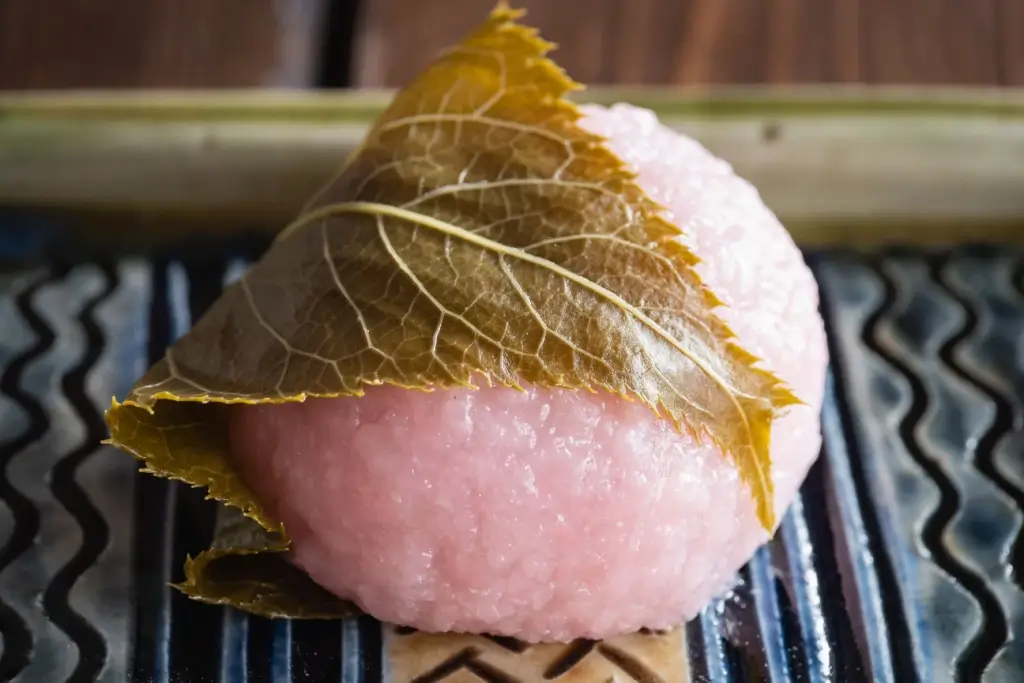
One of the most beloved ways to experience sakura in food is sakura mochi, where soft balls of sticky rice filled with smooth red bean paste are wrapped in a single pickled leaf that adds a gentle salty contrast to the sweetness inside. Eaten under blooming branches during hanami gatherings, this treat has roots in Edo-period customs, when people carried portable sweets to parks and riverbanks to savor alongside the falling petals. The mochi’s chewy texture and the leaf’s faint floral aroma create a balanced bite that feels light yet satisfying, perfectly suited to outdoor feasts shared with family or friends.
Sakura yokan
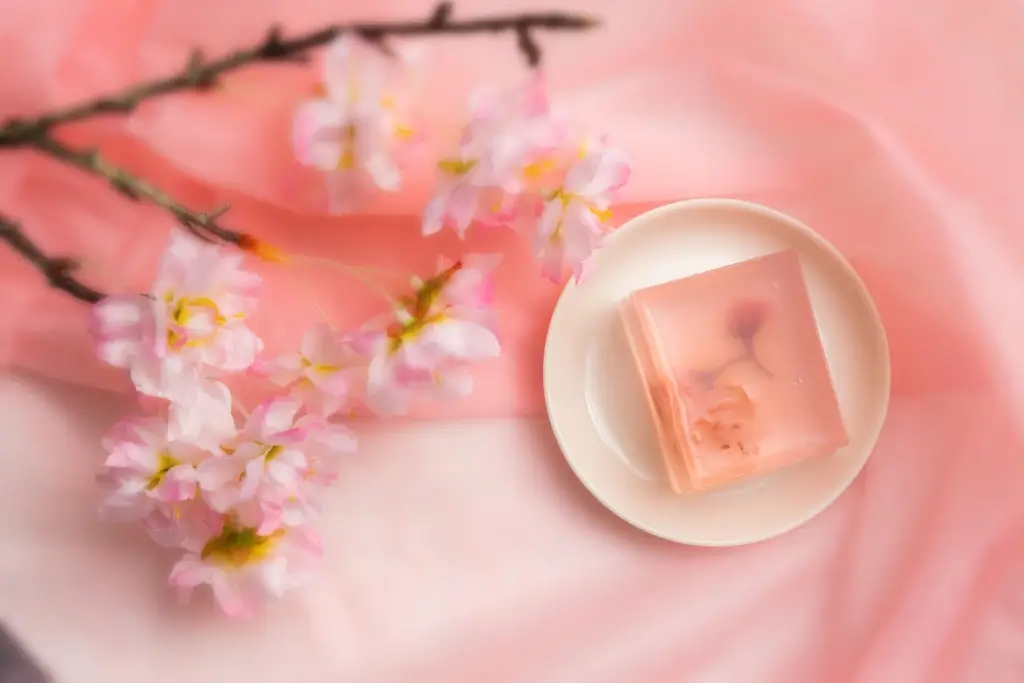
Sakura yokan offers a firmer, more elegant option: a glossy jelly made from simmered red beans, agar, and whole or finely chopped petals that infuse the block with both color and a whisper of botanical flavor. This dessert slices neatly for easy serving or packaging in gift boxes, holds its shape at room temperature, and delivers a clean, not-too-sweet finish that pairs beautifully with bitter green tea. Artisans often craft it in small batches using petals from local trees, ensuring each piece carries the unique essence of its region’s sakura while evoking the calm poetry of blossoms drifting in the breeze.
Cherry blossom senbei
Rice-based senbei crackers take on sakura charm when baked thin and crisp, sometimes etched with petal patterns and lightly dusted with sugar, or folded like fortune cookies to cradle a floral filling. Variations might blend in strawberry essence for fruity brightness or butter for richness, but the core appeal lies in how the petals’ delicate scent emerges with each crunch, turning a simple snack into something evocative of park picnics. These crackers travel well in boxes, making them ideal for sharing the season’s spirit far from blooming trees.
Are you looking for great snacks for the sakura season? Check out Sakuraco! Sakuraco delivers traditional Japanese snacks, sweets, teas, and more from local Japanese makers right to your door!

Sakura daifuku and kuzumochi
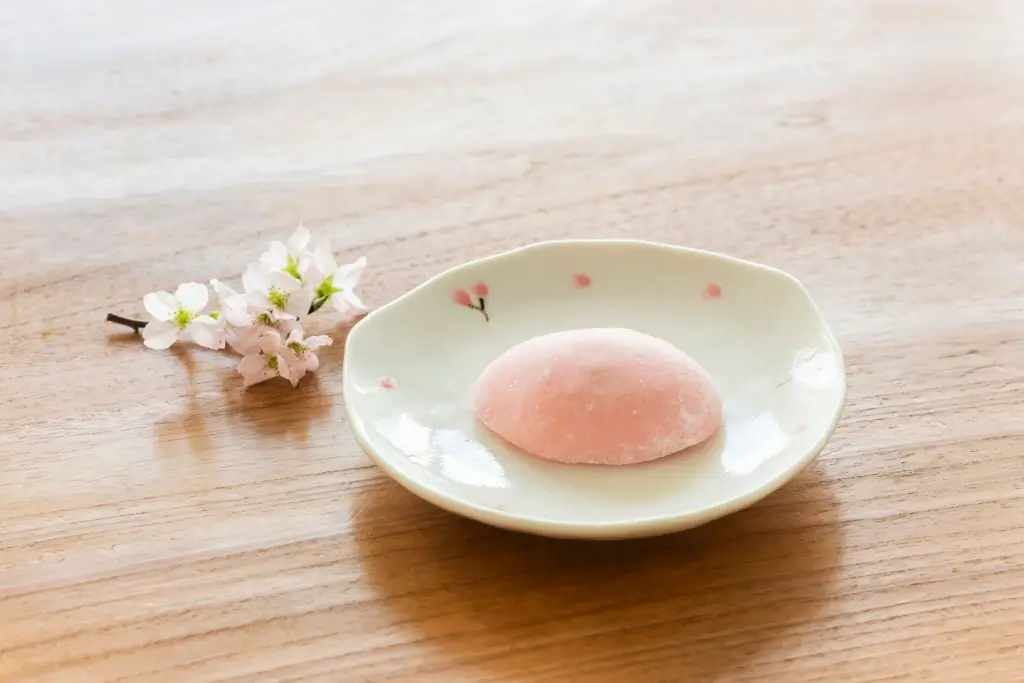
Daifuku elevates the mochi concept by encasing creamy anko paste in pale pink dough scented with sakura extract or studded with a hidden petal for a surprising burst of taste midway through the bite. Meanwhile, kuzumochi brings a refreshing jiggle from wheat starch, topped with sweet syrup and a central salted blossom that cuts through the mild sweetness like a cool spring rain. Both varieties shine in spring markets or as afternoon snacks, their soft textures and subtle flavors inviting slow enjoyment that mirrors the unhurried pace of cherry blossom viewing.
Sakura tea
Hot or cold beverages capture sakura through infusions in which dried petals steep alongside sencha leaves, yielding a pale pink liquid with grassy undertones, softened by the flowers’ natural sweetness and faint astringency. Blends might incorporate blueberry for tartness or hibiscus for vivid color, creating layered sips that refresh during daytime gatherings or unwind the night under illuminated yozakura branches. The ritual of brewing these drinks parallels tea ceremonies, emphasizing mindfulness as the steam carries scents reminiscent of open parks in full bloom.
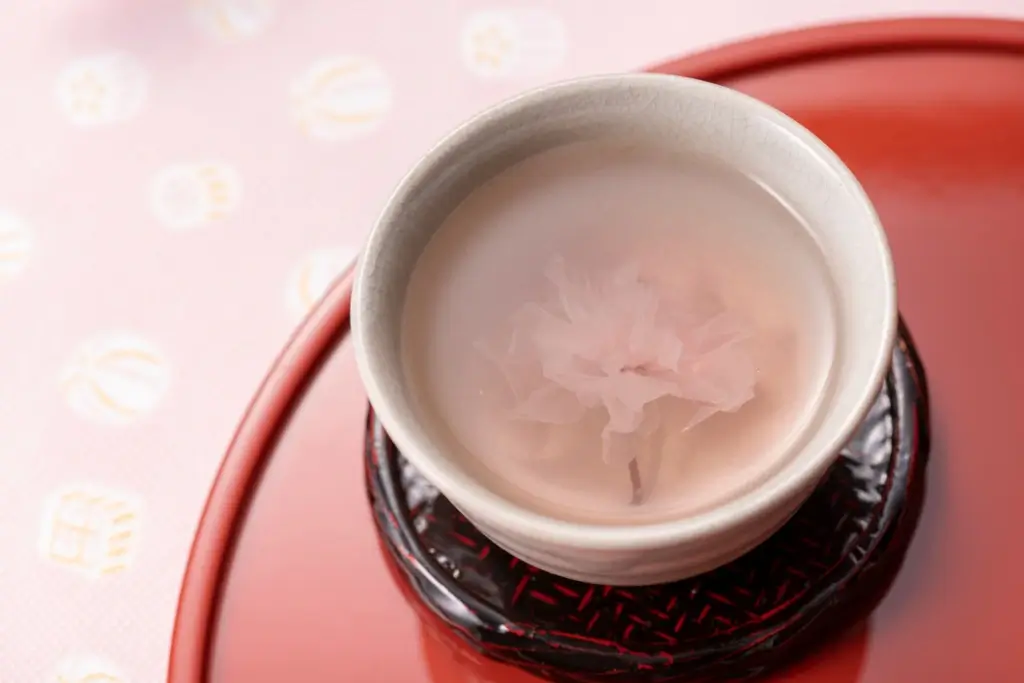
Are there savory sakura snacks?
Savory options prevent sakura from dominating the sweet category alone, as seen in cheese-dusted arare bites where rice pearls crunch against umami sharpness, with petals adding just enough floral lift to intrigue without clashing. Shoyu-coated corn puffs or sakura-salted cashews extend this idea, roasting nuts to amplify their earthiness while the preserved blossoms contribute a seasoning that evokes spring soil and fresh air. Even strawberry-filled senbei surprise with creamy centers encased in brittle shells, bridging sweet-savory divides at communal feasts.
Are there regional sakura dishes?
Japan’s diverse regions infuse their own touches into sakura dishes, from Kyoto’s refined yokan served in tea houses to Hirosaki’s fruit-kissed manju made with local orchard fruit, and even Okinawa’s tropical spins with pineapple accents. Artisanal shops in Nagano might fold honey and apple into petal-dotted cookies for crisp edges, while castella cakes in Nagasaki soak up syrup for airy layers. These variations highlight how sakura adapts to local ingredients and climates, fostering a nationwide mosaic of flavors tied to place and season.
Why should I try these cherry blossom dishes?
You should try these cherry blossom snacks in Japan because their mild floral taste and soft pink shade distill spring’s brief magic into bites that deepen hanami’s joy, connecting modern eaters to centuries of poetic tradition through simple, preserved petals. There are so many snacks like leaf-wrapped mochi at picnics to petal-infused teas under night lights; these dishes weave taste into the visual poetry of falling sakura, balancing sweet, savory, and subtle in ways that feel timeless. Have you ever tried any of these snacks or drinks? Do you have any more recommendations for sakura cuisine? Let us know in the comments below!

Discover authentic flavors with Sakuraco
Get Sakuraco 
Discover authentic flavors with Sakuraco
Get Sakuraco
Related Articles

Kyoto Confectionery Museum: Everything You Need to Know
Although Kyoto is famous for temples, gardens, and historic districts, the city is also known for its centuries-old confectionery culture. The Kyoto Confectionery Museum shows how sweets became closely connected to tea ceremonies, seasonal celebrations, and Japanese aesthetics.
Hiroshima Tsukemen: A Spicy Take on Japanese Dipping Noodles
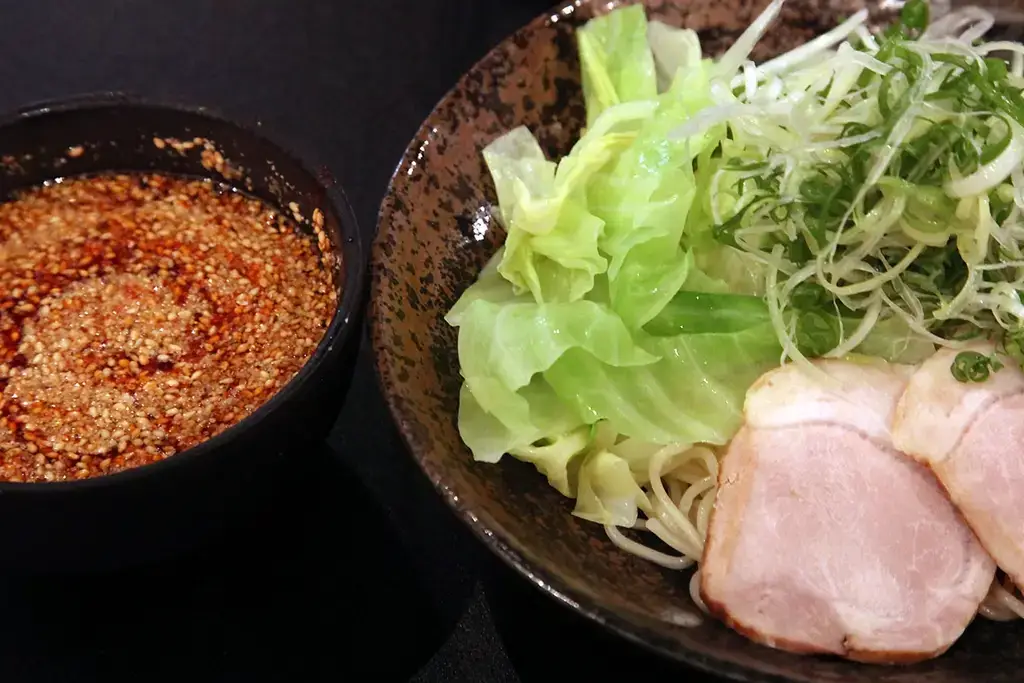
Tsukemen is one of Japan’s best-known noodle dishes, but Hiroshima offers its own distinctive version that differs sharply from the richer styles found in Tokyo and other parts of the country.
Sake from Takehara City: A History of Brewing
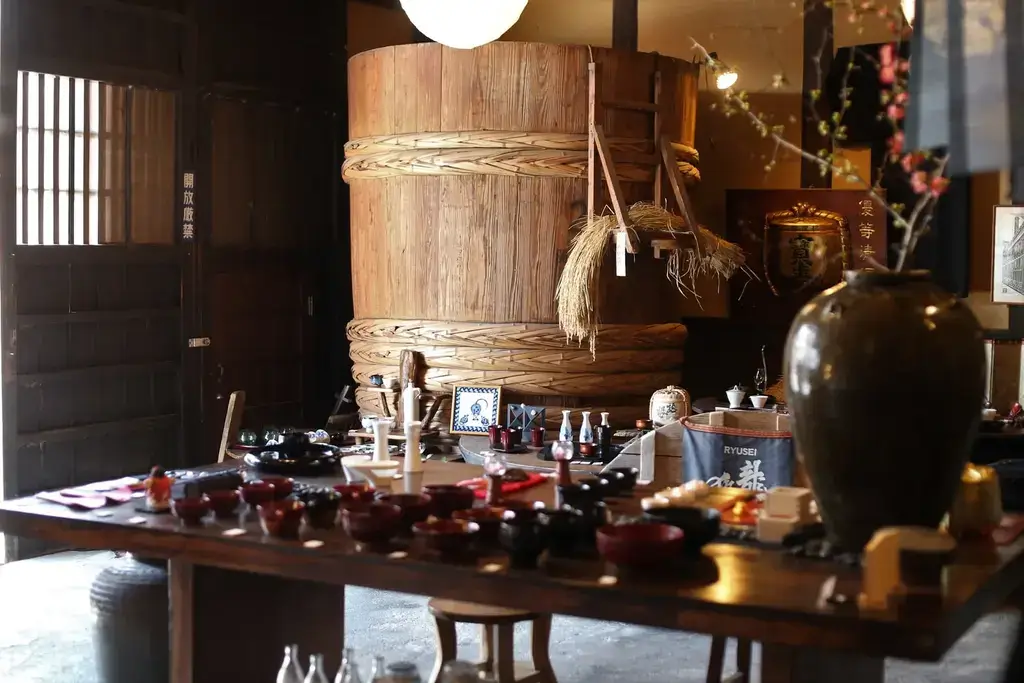
Takehara City in Hiroshima Prefecture is one of Japan’s historic sake towns. Located near the Seto Inland Sea, the city became wealthy during the Edo period through trade and sake brewing. Today, Takehara is still known for its traditional streets, old breweries, and connection to Hiroshima’s sake culture.

Aaron and Claire Soy-Glazed Pork Belly Recipe: A Guide!
Aaron and Claire share an easy soy-glazed pork belly rice bowl recipe that combines tender pork, a rich savory glaze, and simple ingredients for a comforting Japanese-inspired dinner at home.