


amazake, sweet drink
Amazake: A Sweet Sip of Wellness from Japan

Thuy Fang

Posted on March 06, 2026
Share:
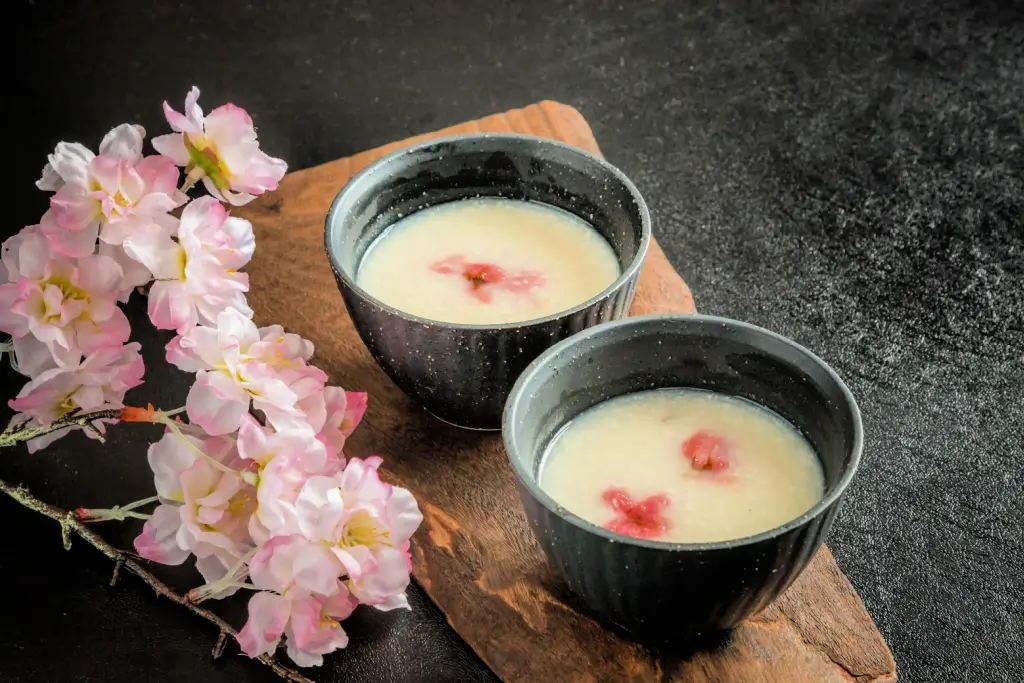
Amazake is one of the most unique traditional drinks enjoyed by Japanese people since the Nara period (710-794). Even though its name includes the word sake (alcoholic beverage), most amazake contains little to no alcohol, so both children and adults can enjoy it together. Let’s explore how amazake is made and the health benefits it offers!
What is amazake?
Amazake, which means “sweet sake,” is a gentle, creamy Japanese drink made from fermented rice. People in Japan have loved this traditional drink for many centuries. Long ago, people offered it to emperors and gods, and later it became a popular street drink during the Edo period (1603-1868).
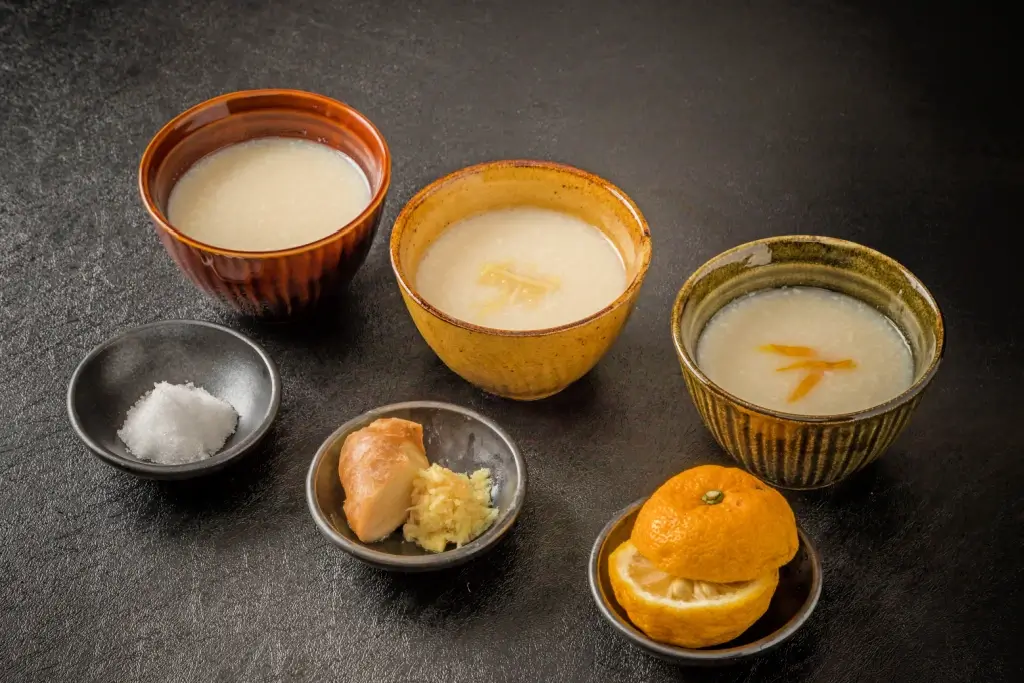
There are two main kinds of amazake, and each one is made in a slightly different way. The first type is called koji amazake. It’s made by mixing steamed rice with water and rice koji, which is rice that carries a helpful mold called Aspergillus oryzae. This special mold breaks down the starch in the rice and slowly turns it into natural sugar. As the mixture rests in a warm place for many hours, usually overnight, it becomes naturally sweet.
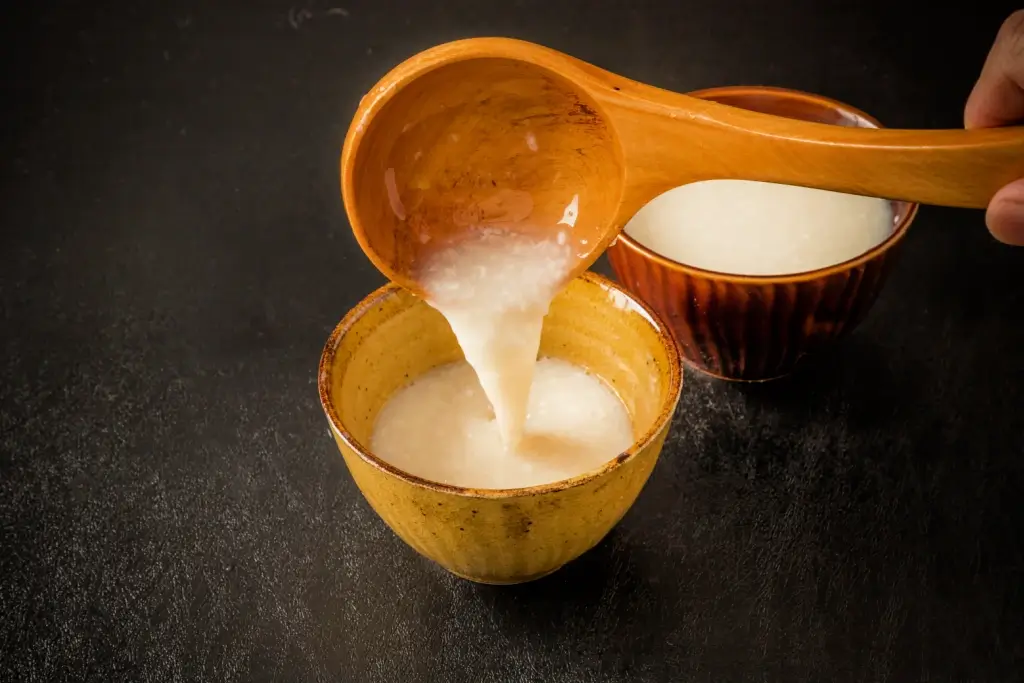
The second type is made from sake lees, which are the soft rice solids left after making sake. This version may contain a very small amount of alcohol and often has a richer aroma. Since amazake is not filtered like sake, it keeps its soft white color and tiny bits of rice. When you pour it into a cup, it may look a little like thin porridge. Sometimes the rice pieces sink to the bottom, so it’s a good idea to shake the bottle gently before drinking. Its taste is smooth, mellow, and naturally sweet.
When can I drink it?
You can enjoy amazake at almost any time of the year. In summer, it tastes refreshing when chilled, and in the past, people drank it cold to feel better during hot days. In winter, it’s often warmed and served at temples and shrines, especially around the New Year. It helps visitors stay cozy while they pray. Because this comforting drink tastes wonderful both hot and cold, you can choose the temperature that matches the season.
In addition to special festivals, this drink is perfect for quiet afternoons at home or cheerful gatherings with family. You may sip it as a gentle drink, blend it into a smoothie, or pour it over warm rice. Many people also add it to pancakes, muffins, smoothies, or even salad dressings.
Are you looking for great snacks to go with your amazake? Check out Sakuraco! Sakuraco sends traditional Japanese snacks, teas, and sweets from local makers straight to your door each month!

What are the benefits of amazake?
First of all, amazake contains many B vitamins such as B1, B2, and B6, which help the body turn food into energy. Additionally, it provides minerals such as magnesium, selenium, manganese, and phosphorus that support strong bones and healthy cells. Because it’s made from whole rice, many natural nutrients are carefully preserved. For this reason, Japanese people lovingly call it a drinkable drip, since the rich nutrition feels like a quick and easy way to recharge.
This fermented beverage also gives the body steady energy. During fermentation, rice starch is converted into natural glucose, which the brain uses as fuel. It can boost your alertness and focus when you feel tired. At the same time, the natural sweetness is gradually absorbed, helping to avoid sudden changes in blood sugar levels. Instead, the energy lasts longer and keeps you feeling satisfied without relying on refined sugar.
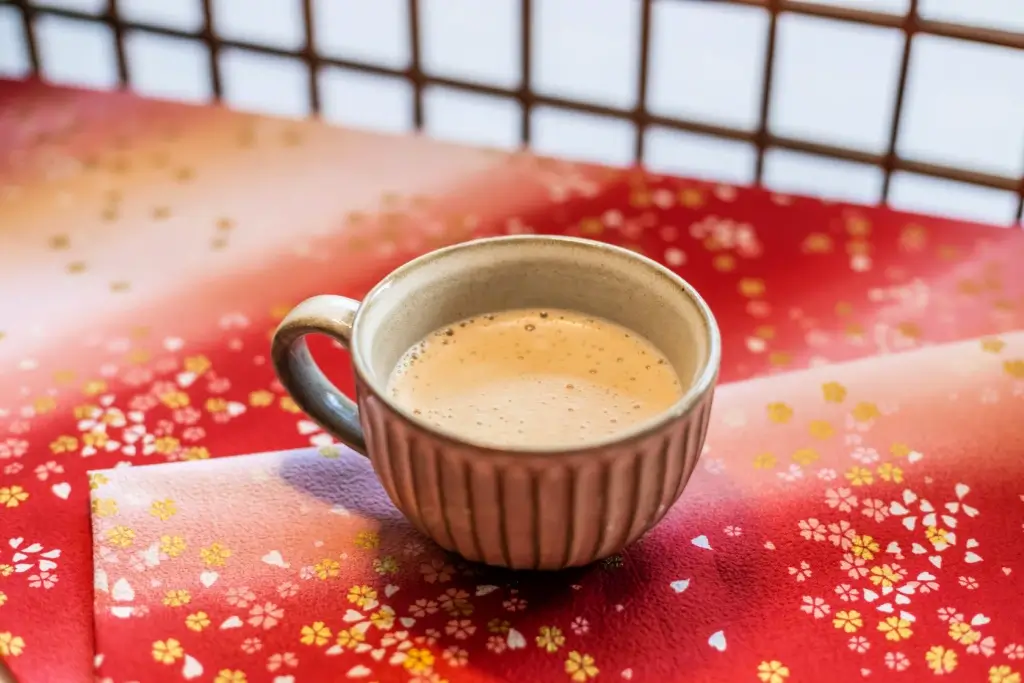
Another important benefit is how kind this drink is to the stomach. It contains helpful enzymes and friendly bacteria that support digestion. It also provides dietary fiber and special natural sugars called oligosaccharides, which help create a balanced intestinal environment.
Moreover, amazake is admired for supporting healthy skin and overall vitality. It contains amino acids, including all nine essential ones, which contribute to the body’s repair and growth. Also, antioxidants and vitamins, such as biotin and vitamin C, help maintain smooth, glowing skin. When enjoyed regularly as part of a balanced diet, amazake supports overall wellness and enhances beauty from the inside out.
What are some popular brands of amazake?
Marukome
Marukome is a long-established Japanese brand that began with miso and later expanded into a wide world of koji-based foods and drinks. Inspired by traditional temple craftsmanship, the company now offers a creative selection of amazake. Among the most delightful flavors are ginger, yuzu, and matcha. Ginger has a gentle warmth, making each sip feel cozy and comforting. Yuzu carries a light citrus aroma that tastes bright and refreshing.
Meanwhile, matcha blends the calm, earthy flavor of green tea with the natural sweetness of rice. In addition to these flavors, Marukome also presents interesting varieties such as Shio Koji and Shoyu Koji, which add a delicate savory touch inspired by traditional seasonings. For those who prefer a creamier texture, the soy milk version offers a mild and silky taste that blends beautifully with the fermented rice base.
Morinaga
This is a famous Japanese sweets maker founded in 1899. Along with candy and snacks, the company also created one of Japan’s most iconic canned amazake drinks in 1974. Since then, this drink has become a familiar sight in supermarkets and convenience stores across Japan. Over the years, Morinaga has introduced several varieties to suit different tastes and moments.
One special version is “Sparkling Amazake”. Unlike a classic warm drink, this one is lightly carbonated, giving it a crisp, refreshing finish. Furthermore, the brand also offers convenient powdered and freeze-dried types. These forms are carefully processed to keep their balanced flavor. The fine powder dissolves quickly in either hot or cold water.
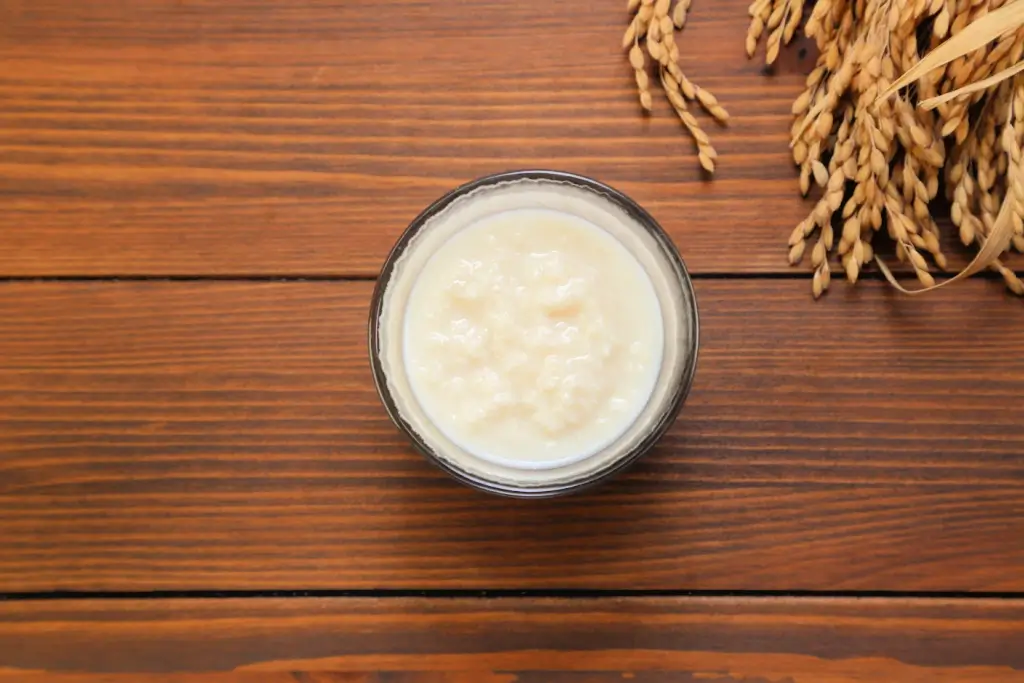
Why should I try this fermented beverage?
If you cannot drink alcohol but still want to experience a traditional Japanese brew, amazake is a gentle, welcoming option. It’s more than just a sweet rice drink; it gently tells the story of fermentation, where simple grains slowly transform and reveal their own natural sweetness.
People often appreciate it for its light nutrients and easy energy, yet it never feels heavy or overwhelming. Instead, it slips easily into daily life! You might enjoy it warm on a cool evening or chilled on a sunny afternoon. In a world full of sugary drinks, choosing something made with patience and tradition feels thoughtful. Do you enjoy fermented products? Which one is your favorite? Share your thoughts in the comments!
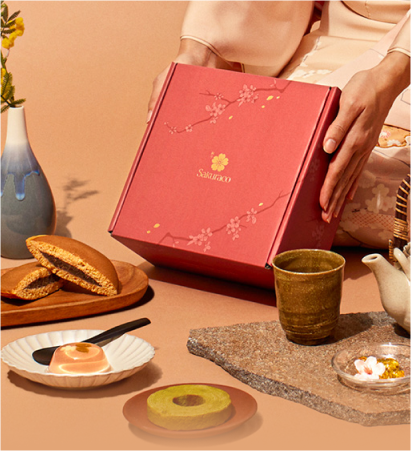
Discover authentic flavors with Sakuraco
Get Sakuraco 
Discover authentic flavors with Sakuraco
Get Sakuraco
Related Articles

Kyoto Confectionery Museum: Everything You Need to Know
Although Kyoto is famous for temples, gardens, and historic districts, the city is also known for its centuries-old confectionery culture. The Kyoto Confectionery Museum shows how sweets became closely connected to tea ceremonies, seasonal celebrations, and Japanese aesthetics.
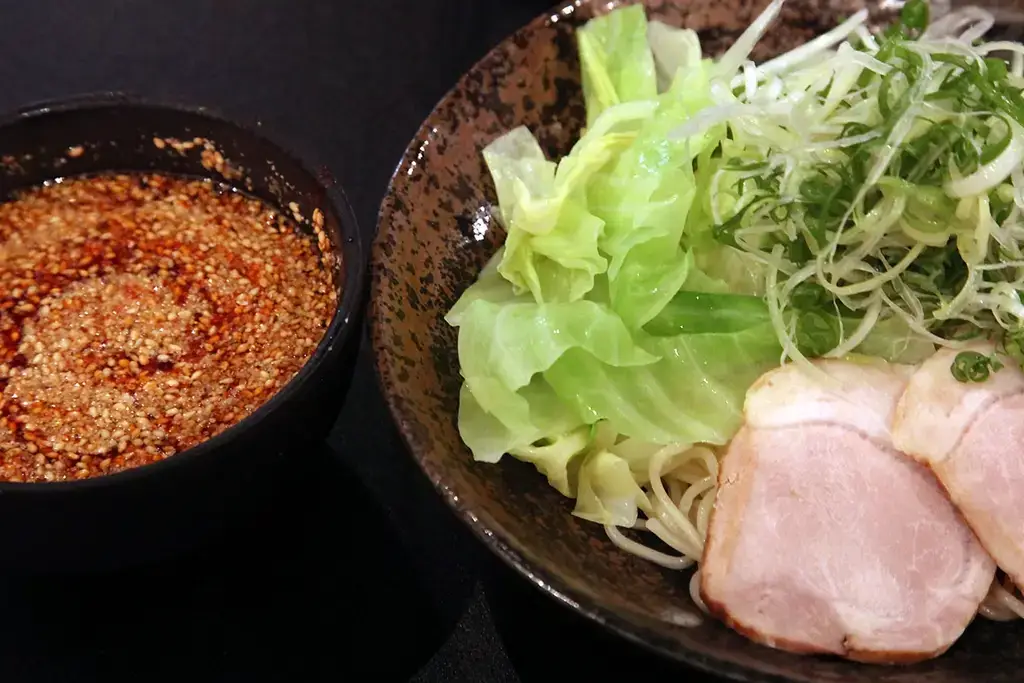
Hiroshima Tsukemen: A Spicy Take on Japanese Dipping Noodles
Tsukemen is one of Japan’s best-known noodle dishes, but Hiroshima offers its own distinctive version that differs sharply from the richer styles found in Tokyo and other parts of the country.
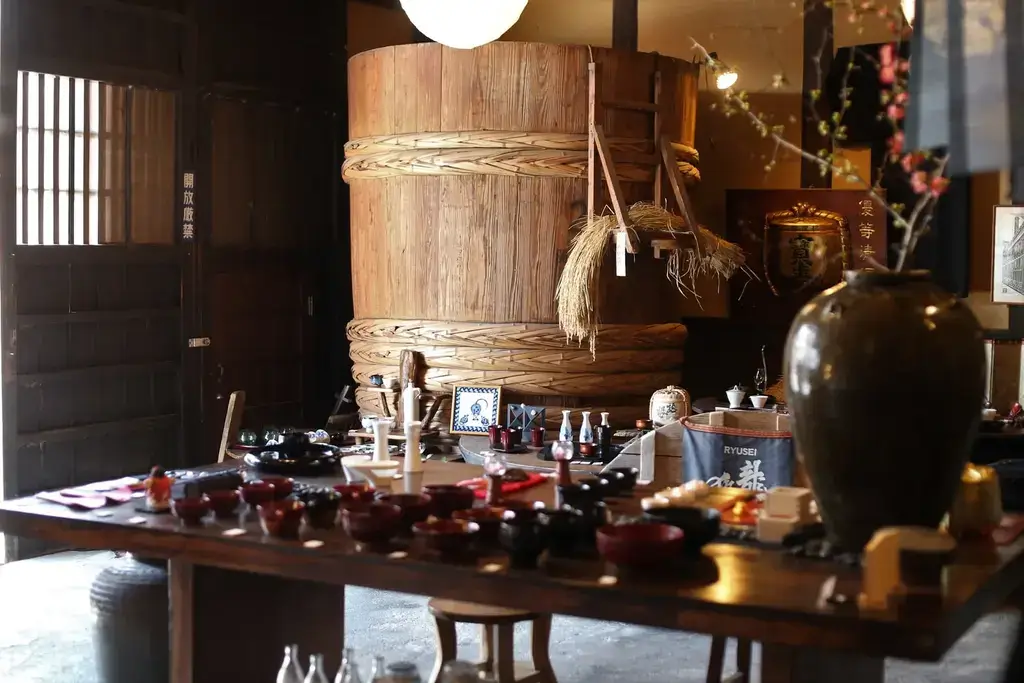
Sake from Takehara City: A History of Brewing
Takehara City in Hiroshima Prefecture is one of Japan’s historic sake towns. Located near the Seto Inland Sea, the city became wealthy during the Edo period through trade and sake brewing. Today, Takehara is still known for its traditional streets, old breweries, and connection to Hiroshima’s sake culture.

Aaron and Claire Soy-Glazed Pork Belly Recipe: A Guide!
Aaron and Claire share an easy soy-glazed pork belly rice bowl recipe that combines tender pork, a rich savory glaze, and simple ingredients for a comforting Japanese-inspired dinner at home.