


Karina Ikedo
Karina Ikedo is passionate about culture, travel, and the simple joys in life, especially a good cup of coffee or matcha. She has visited 38 countries and brings a global perspective to her writing. With degrees in international business and cosmetology, her career spans from luxury hospitality at sea to creative brand storytelling. Outside of work, she enjoys skincare, taking photos, and discovering the traditions that make each place unique.
Articles by Karina Ikedo
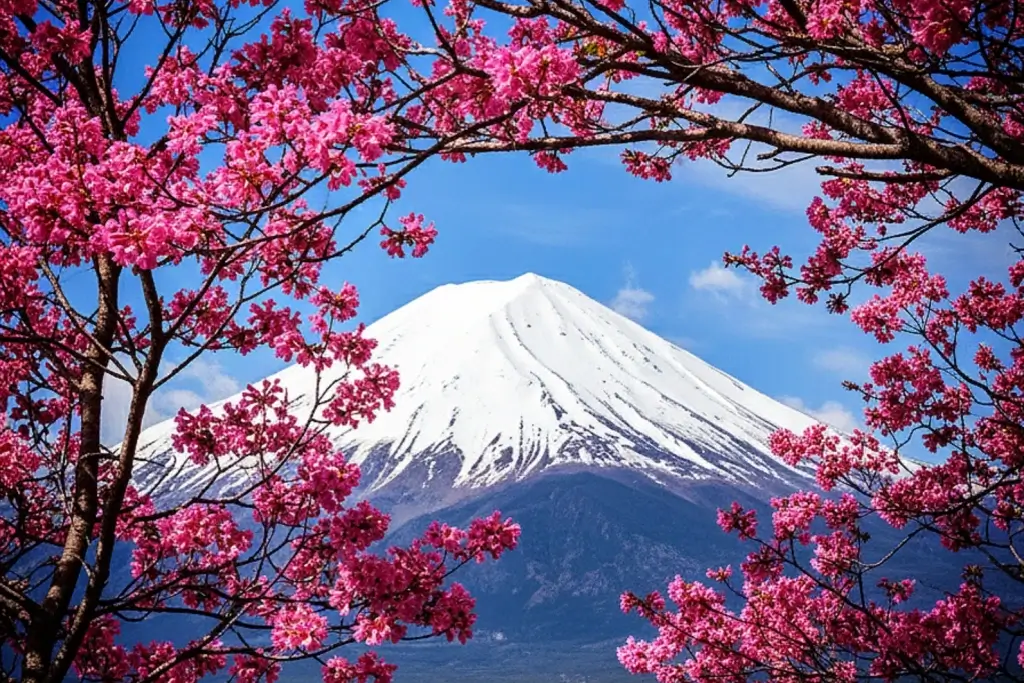
Cherry Blossom Flower Variety Across in Japan: The Ultimate Guide!
Many people know the soft pink cherry blossoms. However, sakura in Japan includes a wide variety.
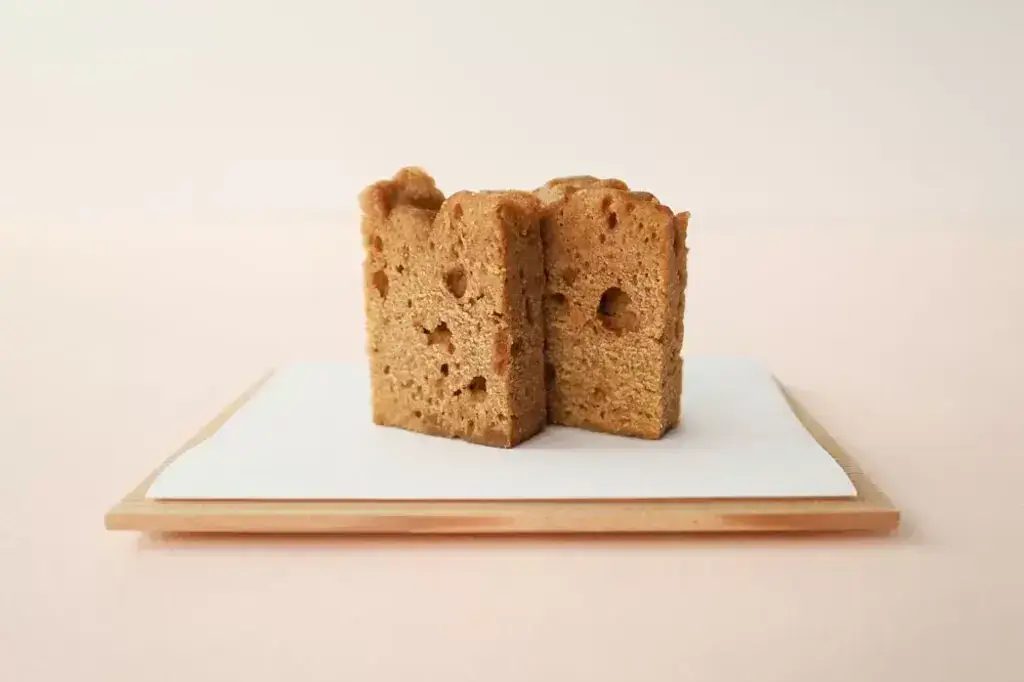
Nanban Mochi Revival: What’s the Story of this Legendary Snack?
In the heart of Kyoto, a long-forgotten sweet from Japan’s past has returned. It’s called nanban mochi.
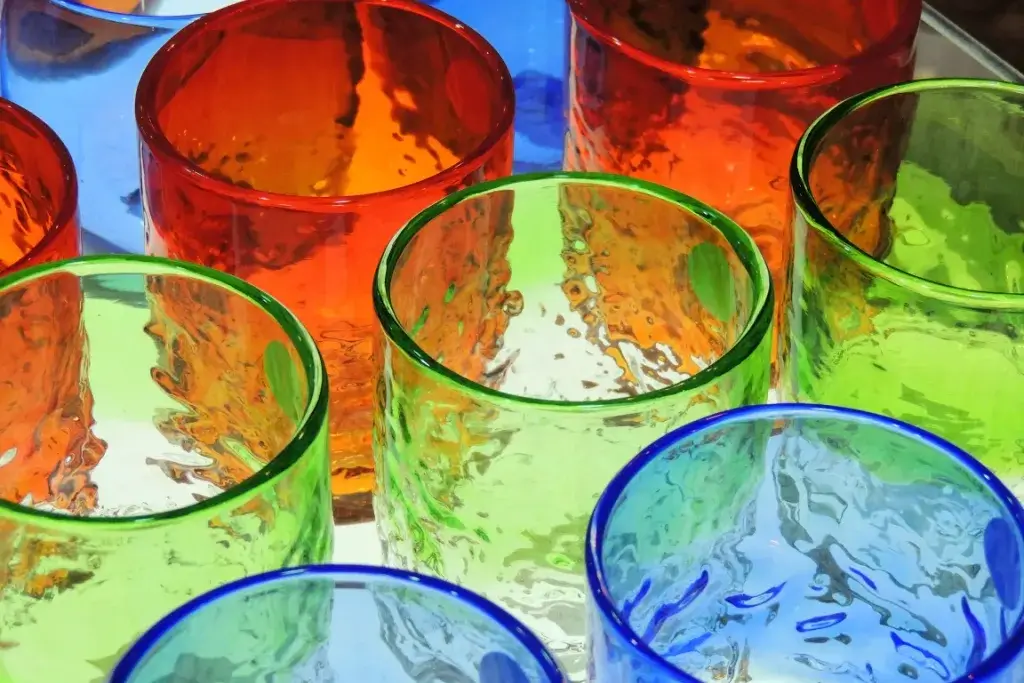
Japanese Glassware at Its Finest: Five Exceptional Manufacturers
Japan is famous worldwide for its skill, balance, and attention to detail. While ceramics are famous, Japanese glassware has a rich history too. Japan makes hand-blown glass and everyday tableware. Glassmakers mix traditional techniques with modern design. This balance makes Japanese glassware stand out worldwide.
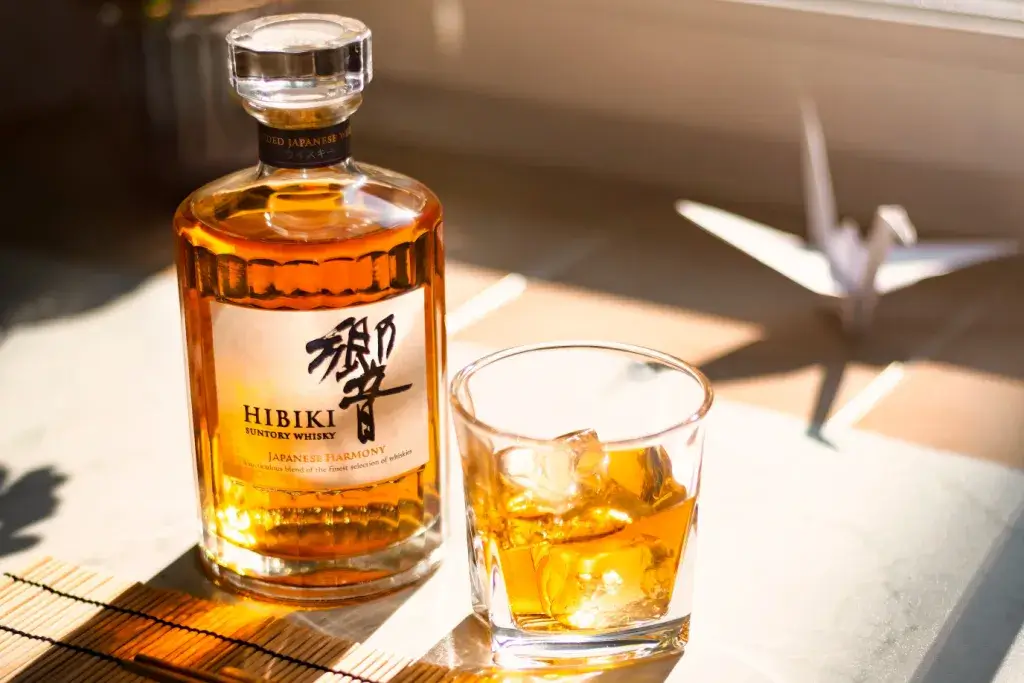
Suntory Whiskey Has a Special Event in Ginza!
Suntory Whiskey is back in the global spotlight with a special celebration in Tokyo’s upscale Ginza district. The Japanese beverage company is honoring a major international achievement with this special event. Running through December 30, 2025, the event highlights Suntory’s famous Yamazaki whiskey range.
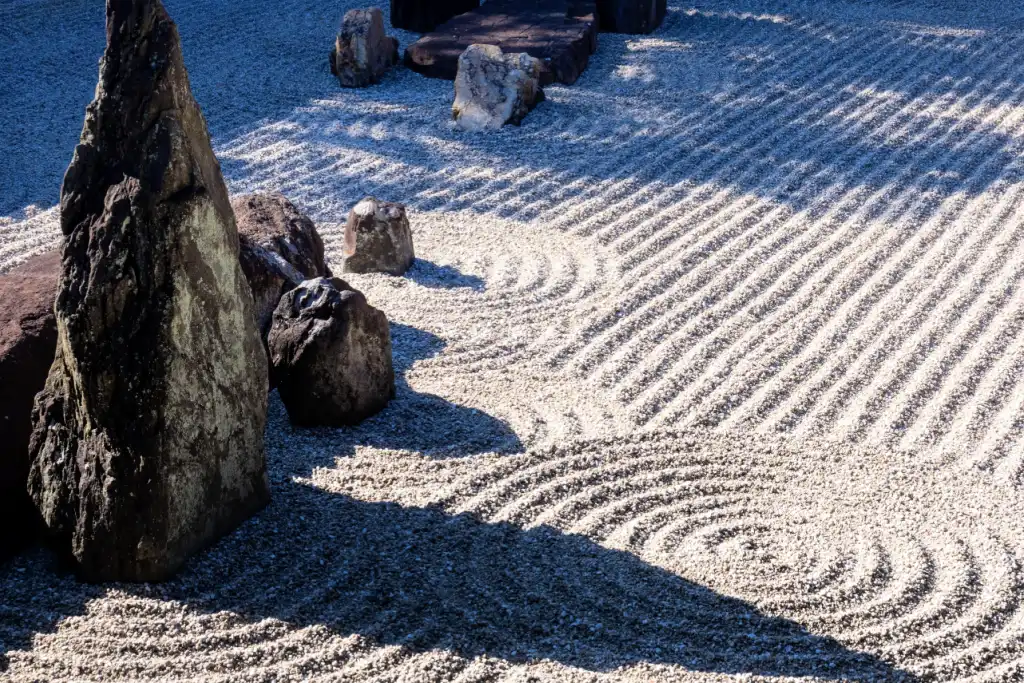
Rock Garden: Where Nature, Buddhism, and Beauty Meet in Japan
Japanese rock gardens are often linked to Zen Buddhism and are designed to calm the mind. They can be found in temples, private homes, and historic locations across Japan. These gardens use simple designs to share deep spiritual ideas.
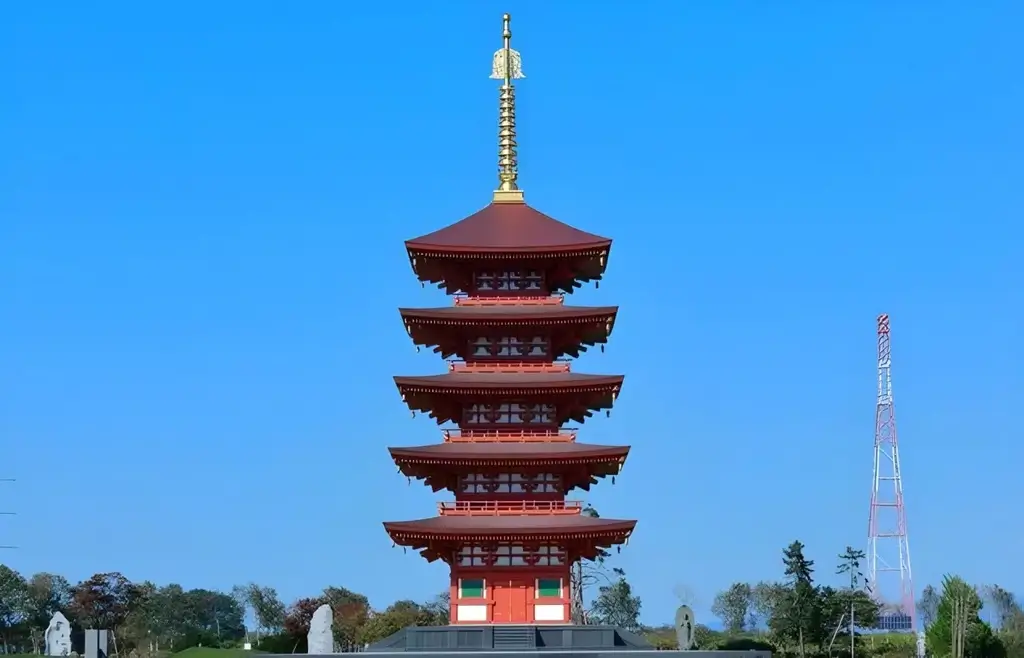
Tradition Meets Innovation: Hokkaido’s First Five-Story Pagoda
When people think of a Japanese pagoda, they often imagine ancient temples in Kyoto or Nara. Hokkaido, Japan’s northernmost island, is known for cold winters and strong winds, so it rarely comes to mind. Because of this, many believed wooden Buddhist buildings could not survive there.