


mikoshi, portable shrine
Mikoshi: Why Are These Portable Shrines So Important?

Tokyo Terry

Posted on May 28, 2025
Share:
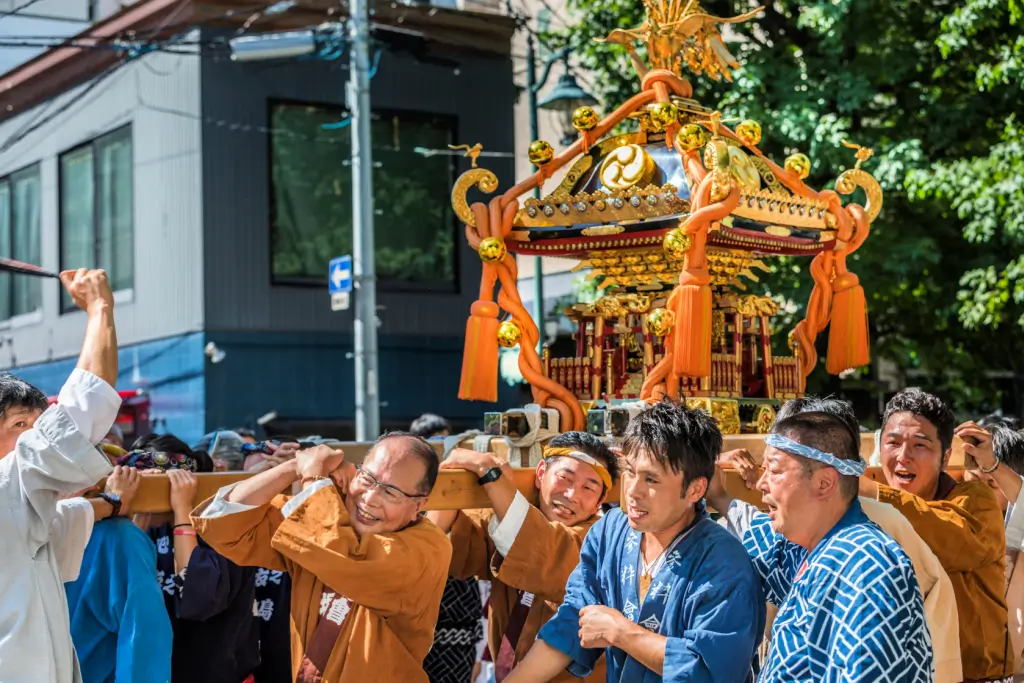
Japan’s summer festivals are known for their energy, color, and tradition. And at the heart of many lies the mikoshi. The importance of these ornate structures is evident by the effort put into transporting them through their neighborhoods: They sway precariously through crowded streets, negotiating bridges, tight turns, and overhanging electrical wires, accompanied by rhythmic chants.
Their intricate designs hint at their more profound meaning and historical roots. But why exactly do people perform this backbreaking activity year after year? Today, we’ll learn about the meaning, craftsmanship, and issues associated with these sacred objects and discover what makes them so cherished across the country.
What is a mikoshi?
These are portable shrines used in the Shinto religion to transport deities during Japanese festivals. Their history originates between the Nara (710–794) and Heian (794–1185) periods, when warriors carried images of their gods to battlefields. The term “mikoshi” combines the Japanese words “mi”, which means “god”, and “koshi”, which means “palanquin”, a covering for someone of status.
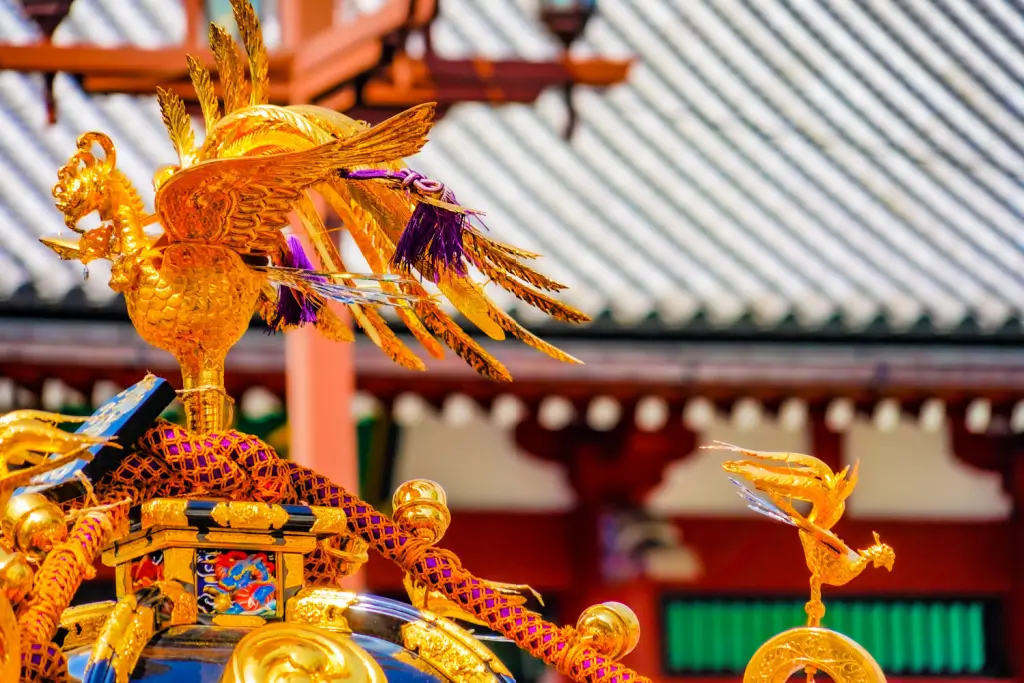
They vary in size and weight, but are usually decorated with gold leaf inlays, intricate wooden carvings, and phoenix (houou) motifs. An onion-shaped giboshi adorns its roof as a symbol of happiness and protection. These spiritual floats range from small and community-made examples to elaborate, multistory structures requiring dozens of people to carry.
Building a Mikoshi
Creating a mikoshi is a process of precision and tradition. Each piece is handcrafted to ensure the structure is durable for festival processions. Some weigh over a ton, requiring sound engineering. Their designs replicate nearby local shrine buildings to ensure the kami (gods) feel “at home” on their journey.
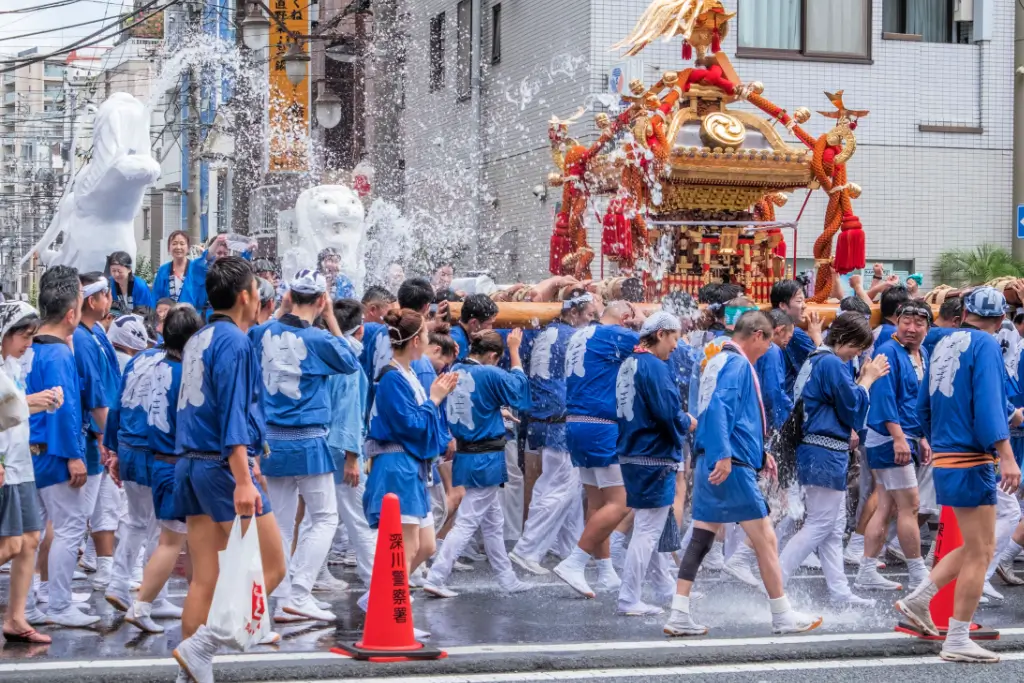
They also display different regional styles. Construction techniques have been passed down through generations; many craftsmen even make their own tools. Visitors can witness this process at Tochigi’s Hohjudo workshop, a 30-minute drive from Nikko’s shrines.
Mikoshi in Festivals
Mikoshi are first cleansed in special rituals before being carried through the streets to spread their good fortune. Once this ceremony is complete, bearers called kamikoshi carry the miniature shrines over their shoulders on long poles. It is quite an honor to have this opportunity. They wear tabi socks, special coats (happi), and headbands (hachimaki) adorned with various kanji.
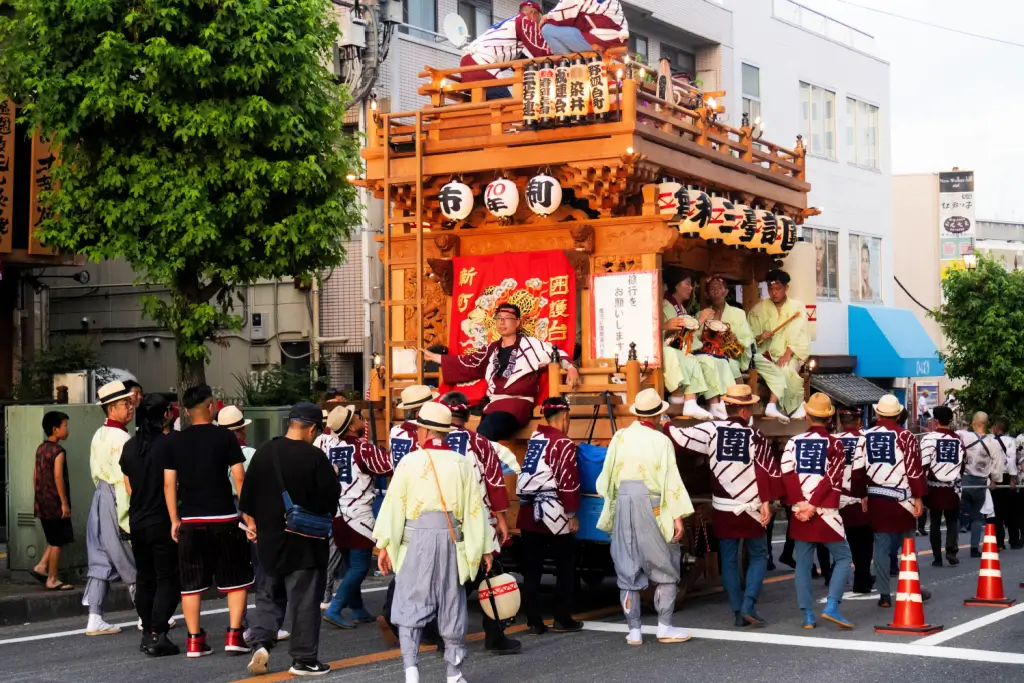
While doing so, they energetically chant “wasshoi!” to maintain their rhythm. The processions are sacred, yet lively. And the rhythmic swaying and shouting create an electric atmosphere. Japan’s summer festivals (matsuri) are the best place to glimpse these iconic vessels. Major festivals like Kyoto’s Gion Matsuri and Tokyo’s Sanja Matsuri in Asakusa are especially grand. At the Sanja Matsuri, over 100 of such mobile shrines take part. Smaller matsuri, like those in Kawaguchi, Saitama, welcome foreigners to join.
Are you looking for excellent snacks to enjoy before the next summer festival? Sakuraco delivers traditional Japanese snacks, teas, and sweets from local Japanese makers directly to your door so you can enjoy the latest treats directly from Japan!

Challenges Facing Mikoshi Traditions
Despite their importance, communities often struggle to continue this centuries-old tradition. The expense of building and maintaining these portable temples is an issue, as the total costs can be thousands of dollars. Modern challenges exist as well. Declining participation threatens its survival, as younger generations are showing less interest. Increasing urbanization also limits festival spaces and procession routes, especially for the larger varieties.
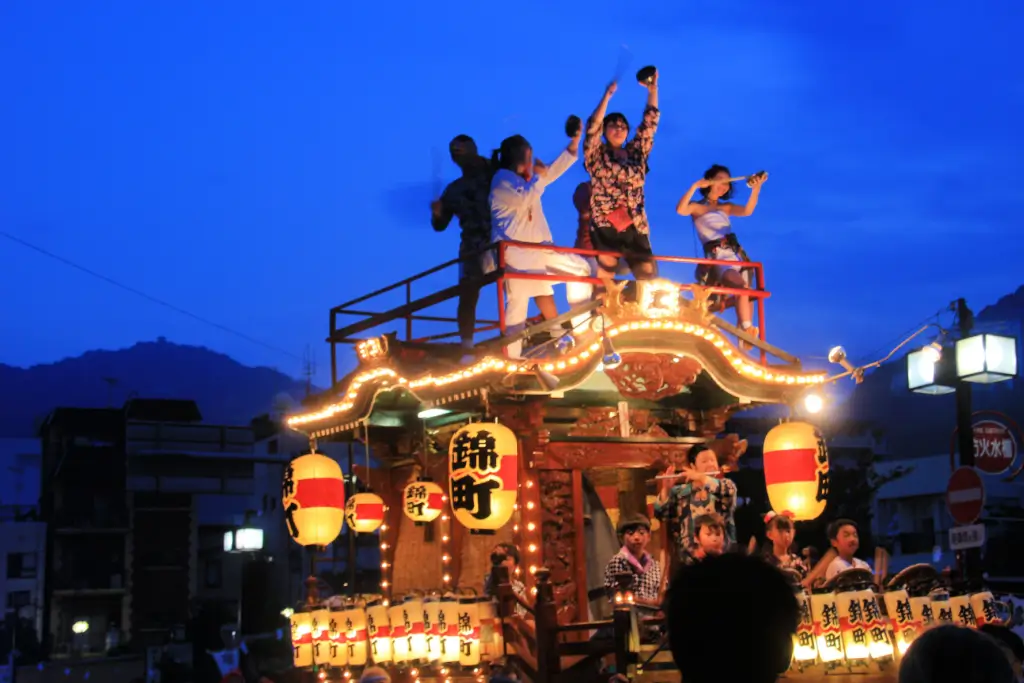
But communities are adapting. Organizations are using modern approaches like social media to attract young people. Kanda’s Myojin Shrine streams its summer procession on digital platforms in Tokyo. In Yokosuka, Kanagawa, the Mikoshi Parade near Yokosuka Chuo Station blends Japanese and American cultures, welcoming U.S. Navy personnel.
Mikoshi Outside Japan
This Japanese art form and custom is being introduced to other countries. They are starting to appear at global celebrations as communities based abroad host Japanese-style summer festivals. Events such as cultural exchanges, “Japan Days”, and Sister City celebrations are opportunities to boost interest in this religious icon.
Museums host live demonstrations or small-scale parades along with Japanese exhibits. And the blooming of cherry blossom trees abroad is sometimes accompanied by a symbolic appearance of this shrine. In 2014, there were processions in six European countries.
Why are mikoshi so important?
Mikoshi are essential because they are integral to Japan’s largest religion. This spirituality, combined with their elaborate art, makes them cherished cultural treasures. Their intricate designs reflect centuries of craftsmanship that weave together history, artistry, and faith. The lively celebrations surrounding their journey through the streets are another aspect of their role. Besides being exciting public spectacles, these vibrant festivals strengthen the bonds in families and communities across generations.
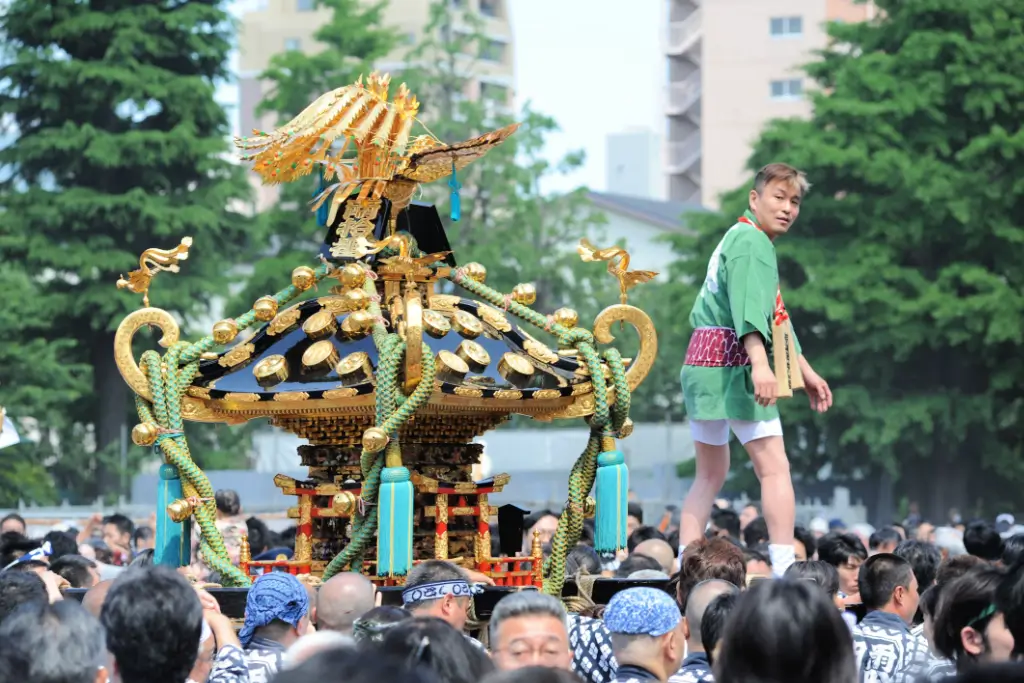
They invite participation, whether through carrying or simply spectating. This sense of belonging affects travelers, visitors, and locals. These divine symbols’ challenges highlight the need to preserve cultural practices in a modern world. Which do you think is the most exciting festival that involves mikoshi? Have you ever joined and carried one in a procession? How was the experience? Share your favorite moments in the comments!

Discover authentic flavors with Sakuraco
Get Sakuraco 
Discover authentic flavors with Sakuraco
Get Sakuraco
Related Articles
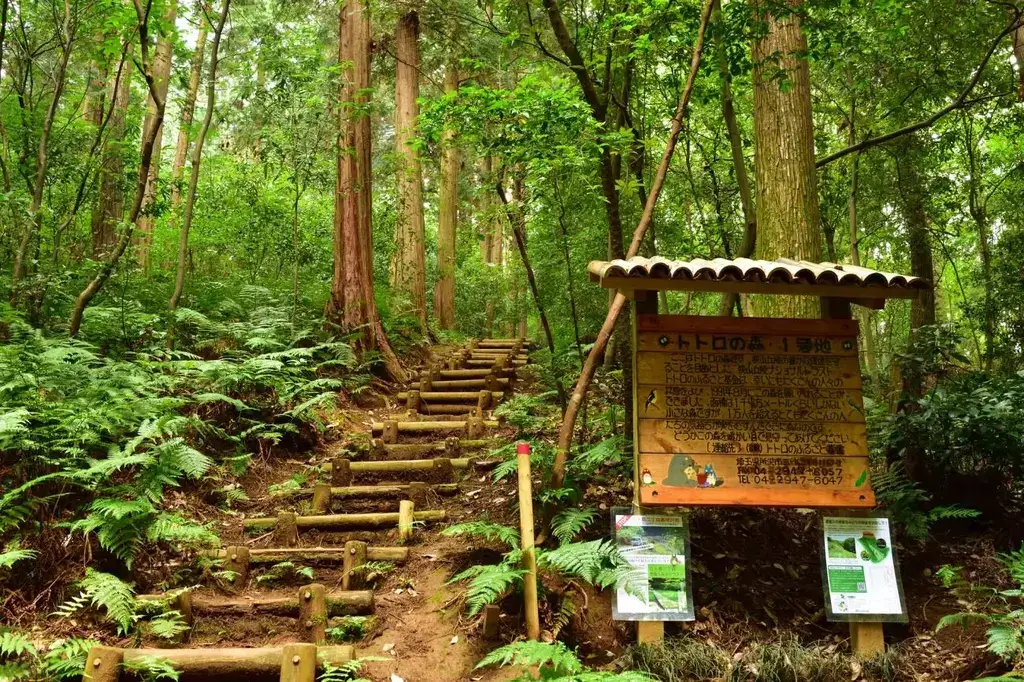
Forest Bathing in Japan: The Ultimate Guide
Japan is known for cultural traditions that promote balance, mindfulness, and a connection with nature. One of the most distinctive is forest bathing, or shinrin-yoku. Despite its name, forest bathing does not involve water.
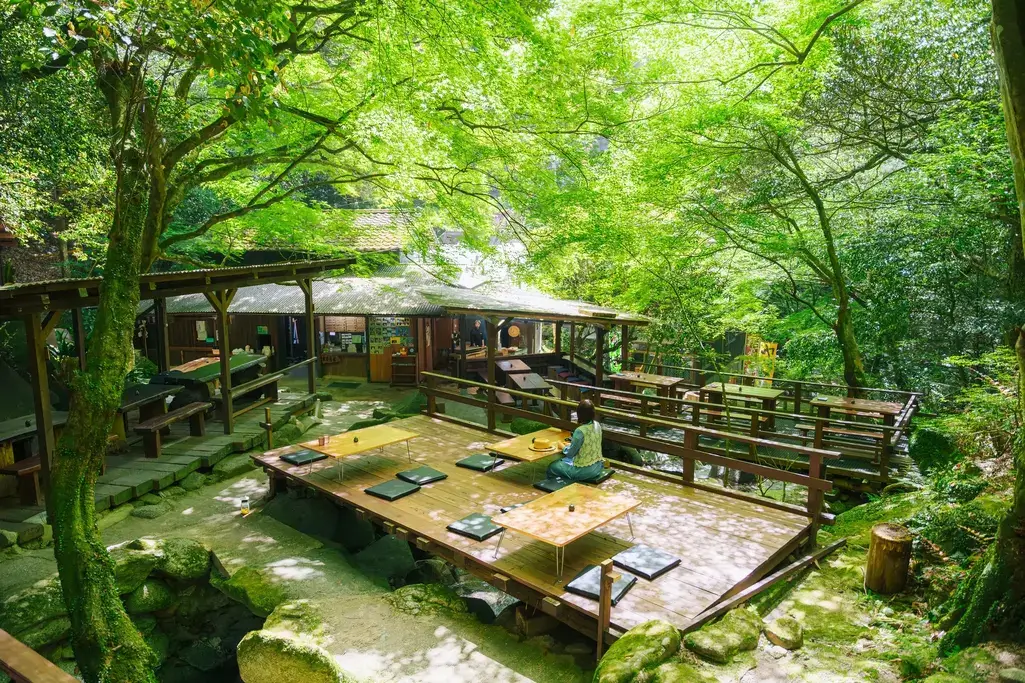
Kawadoko Dining in Japan: A Unique Riverfront Summer Tradition
Japan is home to many seasonal traditions that help people appreciate the changing environment. One of the most distinctive is kawadoko dining, an outdoor dining style that allows guests to enjoy meals beside or above flowing rivers during the warmer months. Known for its cool atmosphere and scenic surroundings, this riverfront dining tradition has become one of Japan’s most memorable summer experiences.
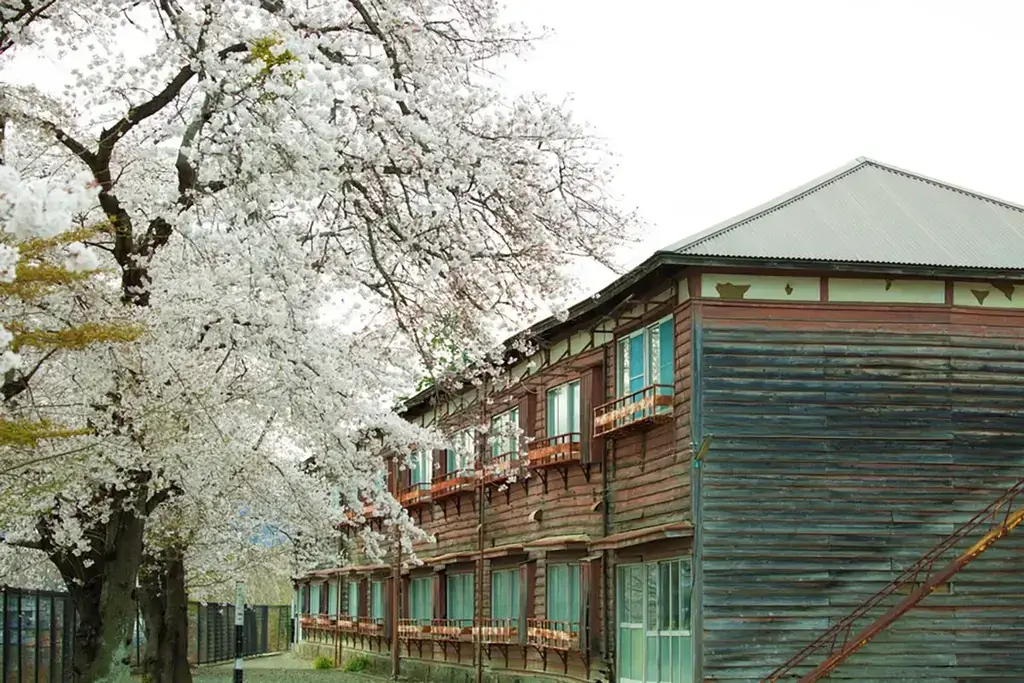
Tomioka Silk Mill: The Factory That Helped Modernize Japan
The Tomioka Silk Mill is one of Japan’s most important industrial heritage sites. Located in Tomioka City in Gunma Prefecture, the mill played a major role in Japan’s modernization during the late 19th century.
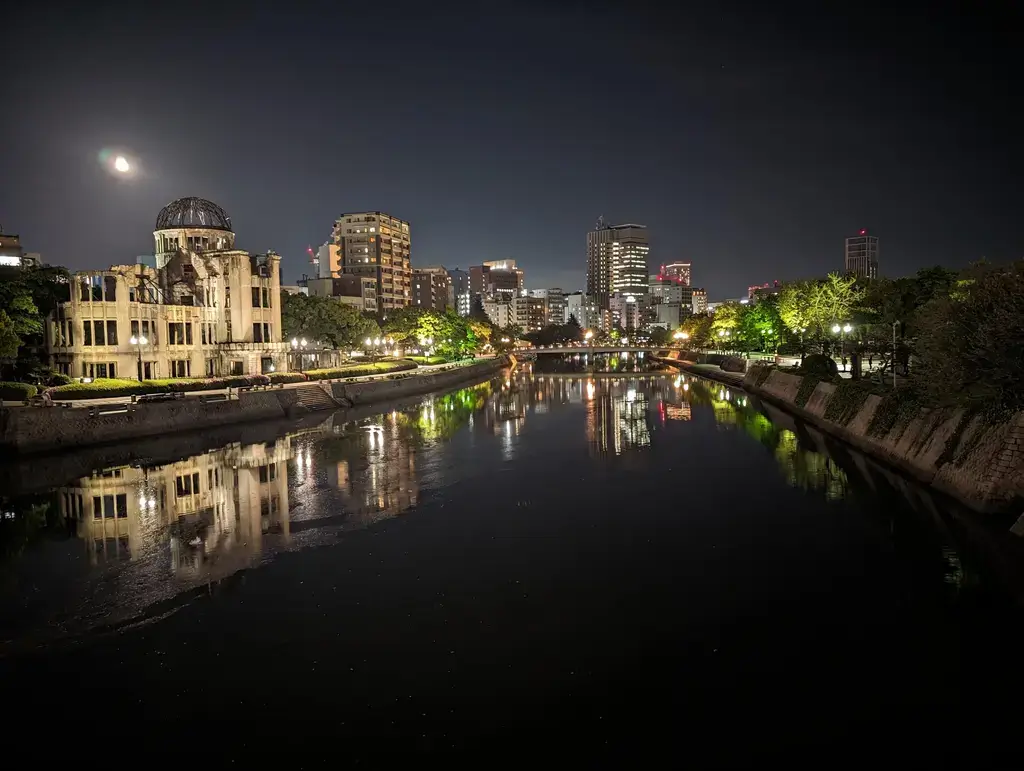
Hiroshima: History, Food, and Scenic Destinations
Hiroshima is one of Japan’s most historically important and culturally rich regions. Located along the Seto Inland Sea in western Japan, Hiroshima Prefecture is known for its history, food, and coastal scenery.