


Kawadoko Dining in Japan: A Unique Riverfront Summer Tradition

Thalia Harris

Posted on June 08, 2026
Share:
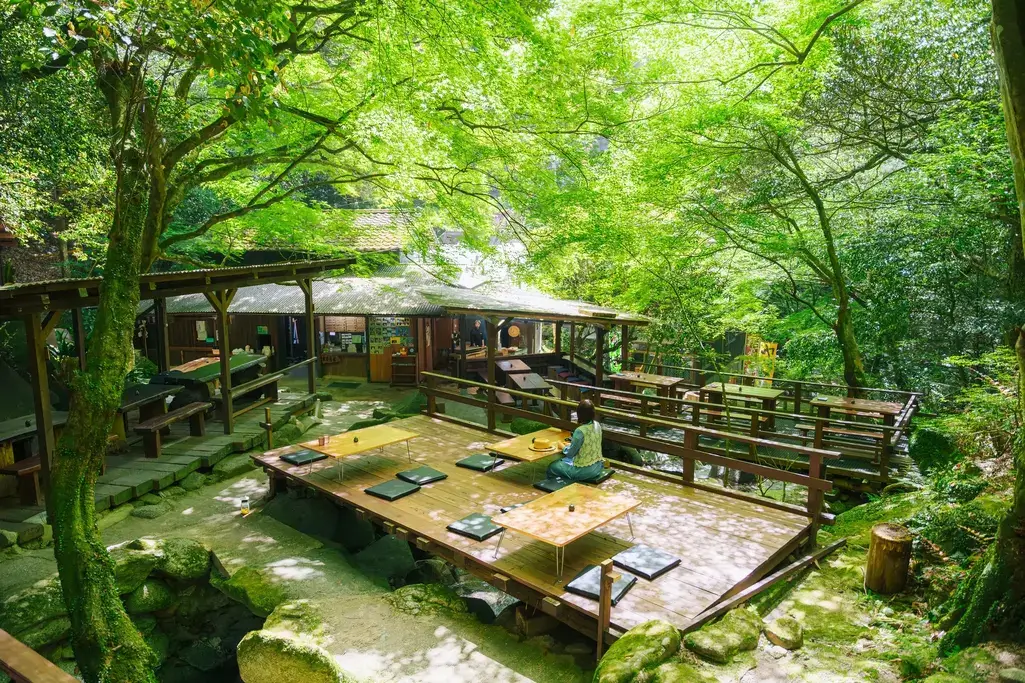
Japan is home to many seasonal traditions that help people appreciate the changing environment. One of the most distinctive is kawadoko dining, an outdoor dining style that allows guests to enjoy meals beside or above flowing rivers during the warmer months. Known for its cool atmosphere and scenic surroundings, this riverfront dining tradition has become one of Japan’s most memorable summer experiences.
Combining local cuisine with beautiful natural scenery, riverfront dining offers visitors a unique opportunity to experience Japanese hospitality while escaping the summer heat. Whether in a mountain village or the heart of a historic city, the riverfront setting is a major part of the appeal.
What is kawadoko dining?
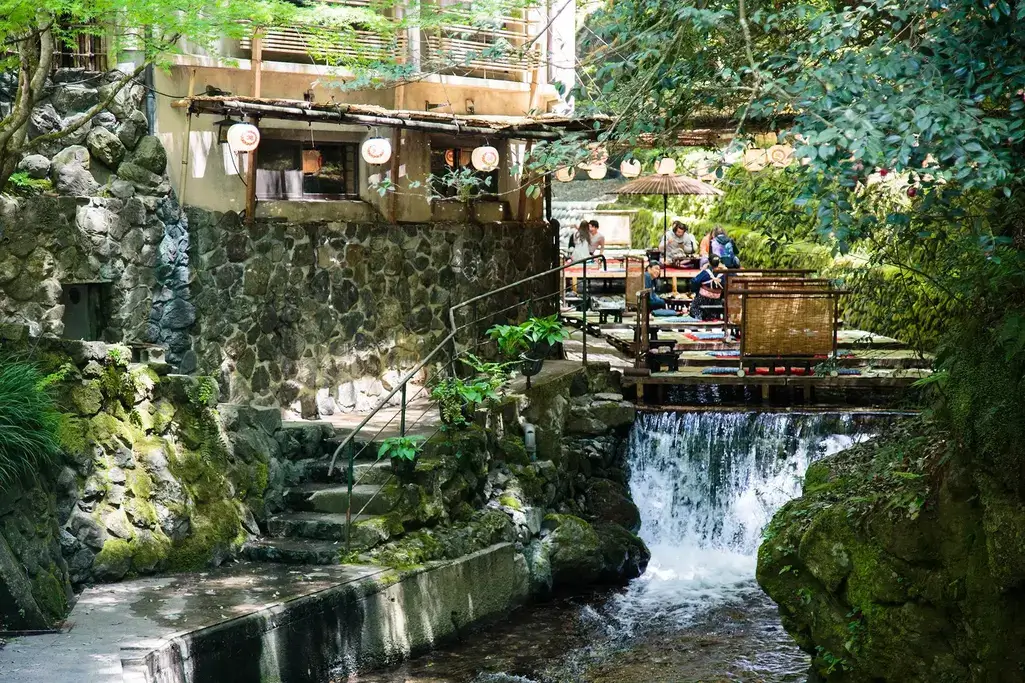
The term kawadoko literally means “river floor” and refers to temporary wooden platforms built over or alongside rivers where guests can dine outdoors. In Kyoto, the terminology varies by location. Platforms along the Kamo River are commonly known as noryo-yuka or simply yuka, while those in areas such as Kibune are often called kawadoko.
Restaurants construct these riverfront platforms during the warmer months to create comfortable outdoor dining spaces near cool water. The flowing river helps create a refreshing atmosphere, making riverfront dining a popular way to enjoy Japan’s humid summer season. While the tradition is most closely associated with Kyoto, similar riverfront dining experiences can be found across Japan.
The Origins of the Tradition
The history of kawadoko dining dates back several centuries. Along Kyoto’s Kamo River, records of riverside dining platforms date back to the 1600s. Over time, restaurant owners expanded the tradition by creating seasonal outdoor spaces where guests could enjoy cool breezes and scenic views while dining near the water.
The custom eventually became one of Kyoto’s best-known summer traditions. Today, many restaurants continue the practice by installing temporary riverfront dining decks from May through September or October, depending on the location and weather conditions. Over the centuries, the tradition became closely associated with Kyoto’s summer culture and remains one of the city’s best-known seasonal attractions.
Why Riverfront Dining Is Popular
One of the main attractions of kawadoko dining is the atmosphere. The combination of flowing water, fresh air, and natural scenery creates a riverfront setting that feels very different from a typical restaurant experience. Guests can listen to the sound of the river while enjoying views of surrounding mountains, forests, or historic cityscapes. Many visitors specifically seek out a riverfront table to enjoy these relaxing surroundings.
The river’s cooling effect is another major appeal. Temperatures in a riverfront dining area often feel noticeably more comfortable than those in nearby urban locations. This makes riverfront meals especially enjoyable during Kyoto’s hot summers. For many visitors, the riverfront environment is just as important as the food itself.
Are you looking for great snacks from Japan? Check out Sakuraco! Sakuraco sends traditional Japanese snacks, teas, and sweets from local makers straight to your door each month!

Food Served at These Restaurants
The cuisine served on kawadoko platforms varies by region and restaurant. Many kawadoko restaurants offer traditional Japanese dishes highlighting seasonal ingredients. In Kyoto, diners often enjoy multi-course kaiseki meals featuring fresh vegetables, river fish, tofu, and other regional specialties. The presentation of the food is designed to reflect the season and complement the riverfront surroundings.
Some restaurants offer more casual options, including noodle dishes, grilled foods, and local specialties. Regardless of the menu, the focus remains on enjoying excellent food within a beautiful riverfront setting. Seasonal ingredients play an important role in the experience, reinforcing the connection between nature and riverfront dining.
Famous Dining Destinations
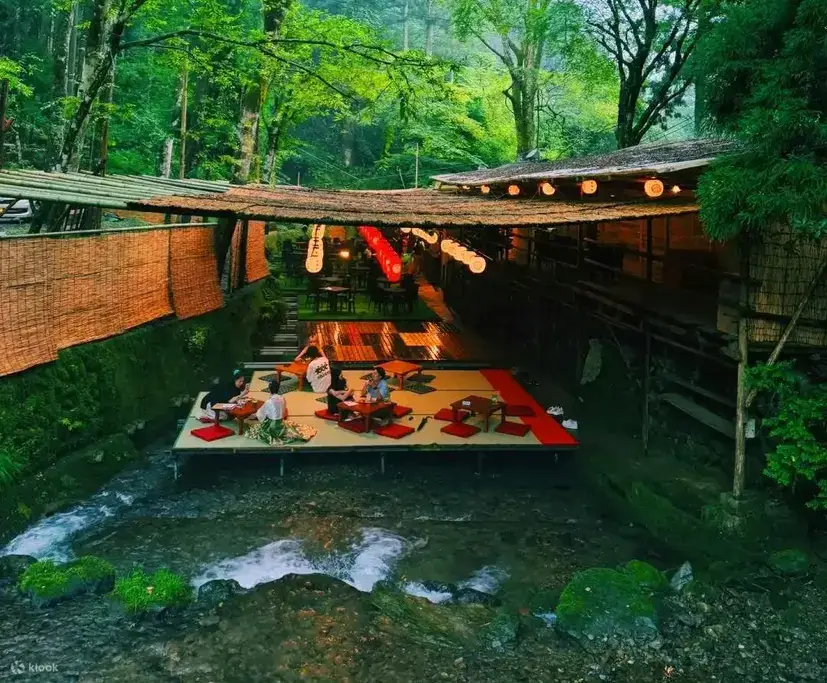
Another popular destination is Kibune, a mountain village in northern Kyoto. Unlike the Kamo River platforms, many Kibune restaurants build their dining decks directly above the Kibune River. Guests dine directly above the river, often just a short distance from the water, creating an especially cool, refreshing atmosphere.
The village’s higher elevation and mountain setting also help keep summer temperatures cooler than those in central Kyoto. The Takao area, located in the mountains northwest of central Kyoto, is another well-known riverfront destination. Surrounded by forests and river valleys, it offers a quieter alternative to the city center while preserving the same riverfront charm. These locations have helped make Kyoto the country’s leading destination for riverfront dining.
A Seasonal Experience
Kawadoko dining is available only during the warmer months, making it a highly seasonal activity. The limited availability adds to the appeal of the riverfront experience, as many consider it a special tradition that marks the arrival of summer. The custom reflects an important aspect of Japanese culture: celebrating seasonal changes through food, festivals, and outdoor activities. Rather than avoiding the summer climate, riverfront dining embraces it by using the natural cooling effects of flowing water. For both residents and visitors, a riverfront meal offers an opportunity to slow down, appreciate nature, and enjoy the season in a unique way.
Why should I give this a try?
Kawadoko dining is one of Japan’s most distinctive summer traditions. By combining seasonal cuisine with the cooling presence of flowing water, it creates a dining experience that is both relaxing and memorable. Rooted in centuries of history, this riverfront tradition continues to attract visitors from around the world.
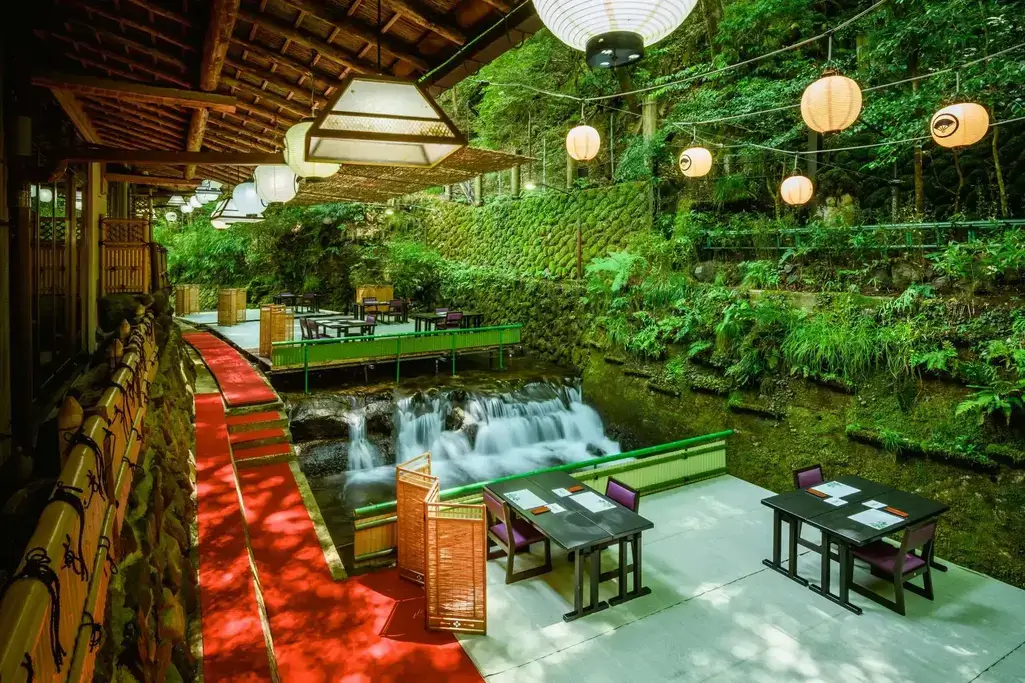
Whether overlooking the Kamo River in Kyoto or dining above a mountain stream in Kibune, riverfront dining offers a unique way to experience the beauty of summer in Japan. The combination of food, scenery, and atmosphere makes riverfront kawadoko dining an unforgettable part of Japanese culture.
Discover authentic flavors with Sakuraco
Get Sakuraco 
Discover authentic flavors with Sakuraco
Get Sakuraco
Related Articles
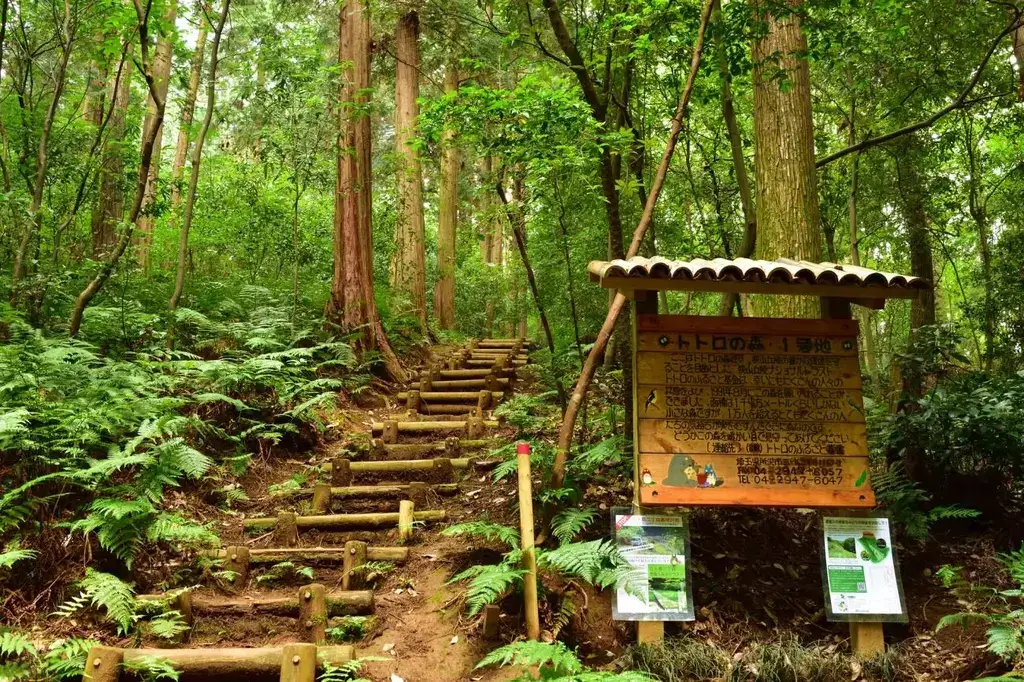
Forest Bathing in Japan: The Ultimate Guide
Japan is known for cultural traditions that promote balance, mindfulness, and a connection with nature. One of the most distinctive is forest bathing, or shinrin-yoku. Despite its name, forest bathing does not involve water.
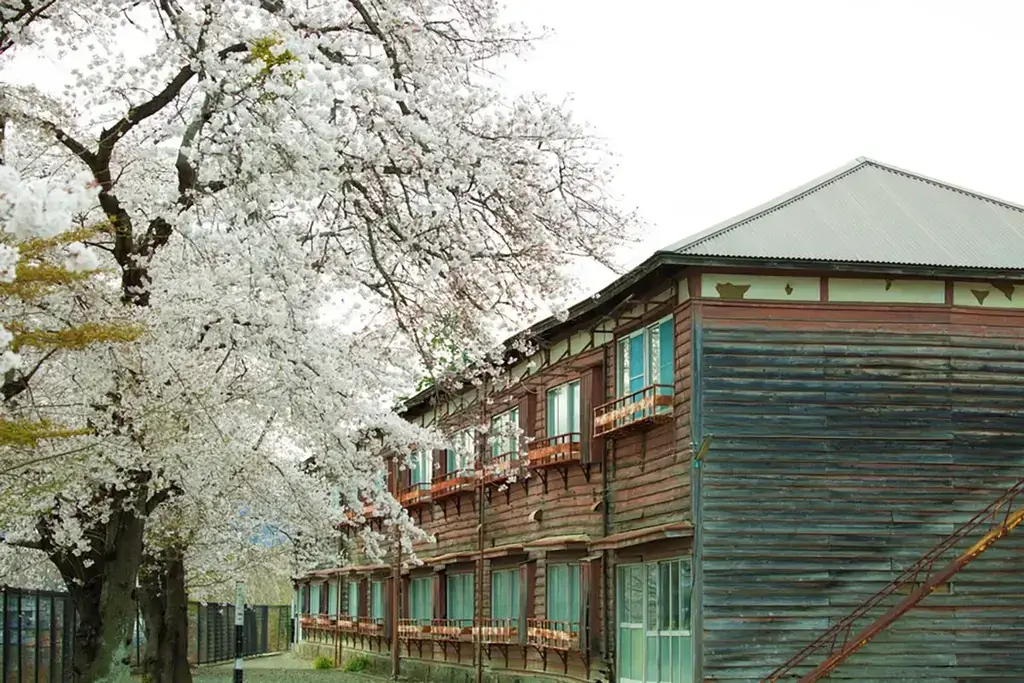
Tomioka Silk Mill: The Factory That Helped Modernize Japan
The Tomioka Silk Mill is one of Japan’s most important industrial heritage sites. Located in Tomioka City in Gunma Prefecture, the mill played a major role in Japan’s modernization during the late 19th century.
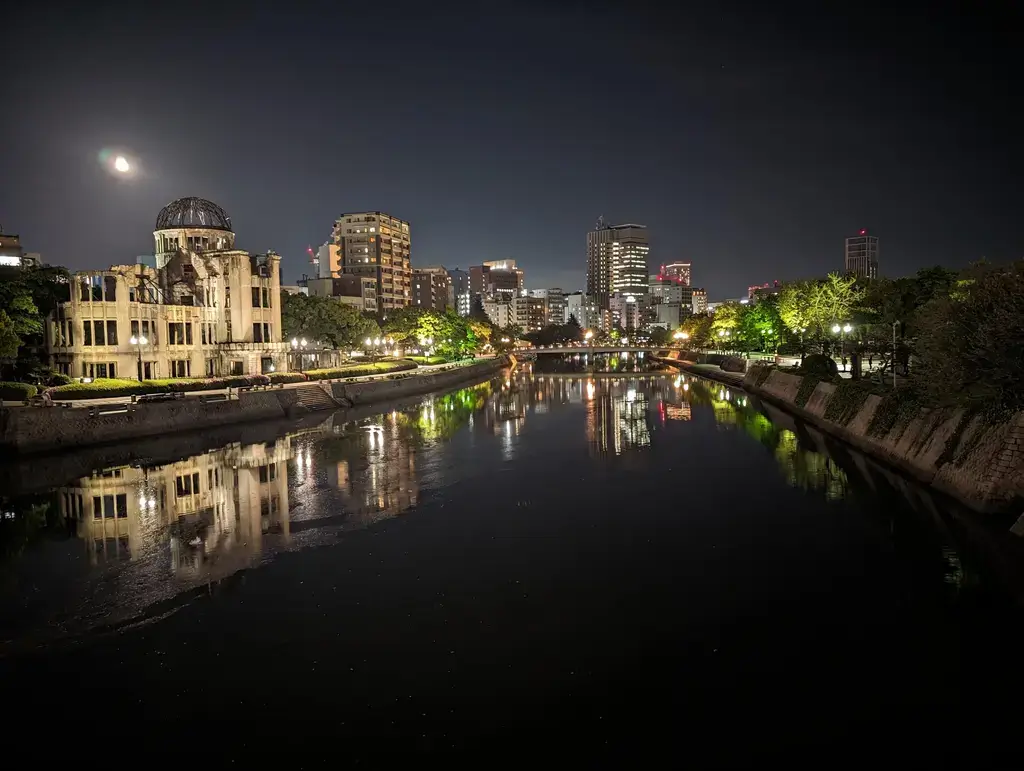
Hiroshima: History, Food, and Scenic Destinations
Hiroshima is one of Japan’s most historically important and culturally rich regions. Located along the Seto Inland Sea in western Japan, Hiroshima Prefecture is known for its history, food, and coastal scenery.