


Forest Bathing in Japan: The Ultimate Guide

Thalia Harris

Posted on June 08, 2026
Share:
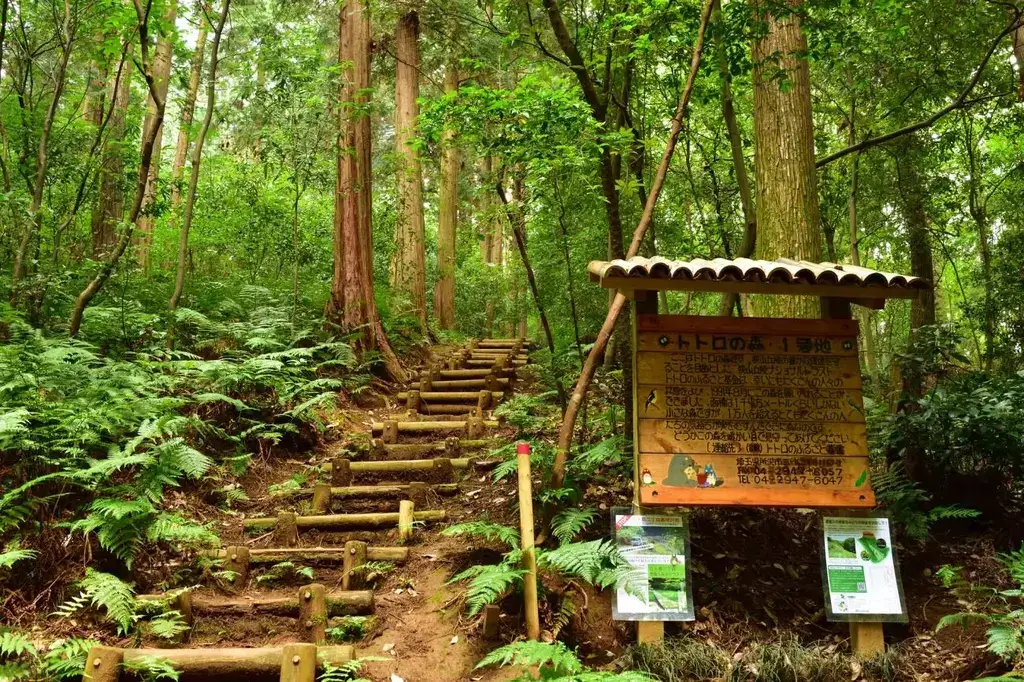
Japan is known for cultural traditions that promote balance, mindfulness, and a connection with nature. One of the most distinctive is forest bathing, or shinrin-yoku. Despite its name, forest bathing does not involve water. Instead, it means spending time in a forest and fully experiencing the environment through the senses. Today, forest bathing is practiced worldwide to reduce stress and improve well-being. However, its origins remain closely tied to Japan’s long-standing appreciation for nature.
What is forest bathing?
The term shinrin-yoku translates to “taking in the forest atmosphere.” It was coined in 1982 by Japan’s Forestry Agency as part of a national campaign that encouraged people to spend time in forests for relaxation and a deeper connection with nature. The initiative also highlighted the value of Japan’s forests at a time when urbanization and modern lifestyles were keeping many people indoors.
Unlike hiking or mountain climbing, forest bathing is not focused on exercise or reaching a destination. Participants move slowly through natural settings, paying attention to sights, sounds, smells, and textures. The goal is to be fully present and aware of the environment. Some people walk quietly along forest trails, while others sit beneath trees, listen to birds, or watch sunlight filter through the leaves. The experience is intentionally calm and unhurried.
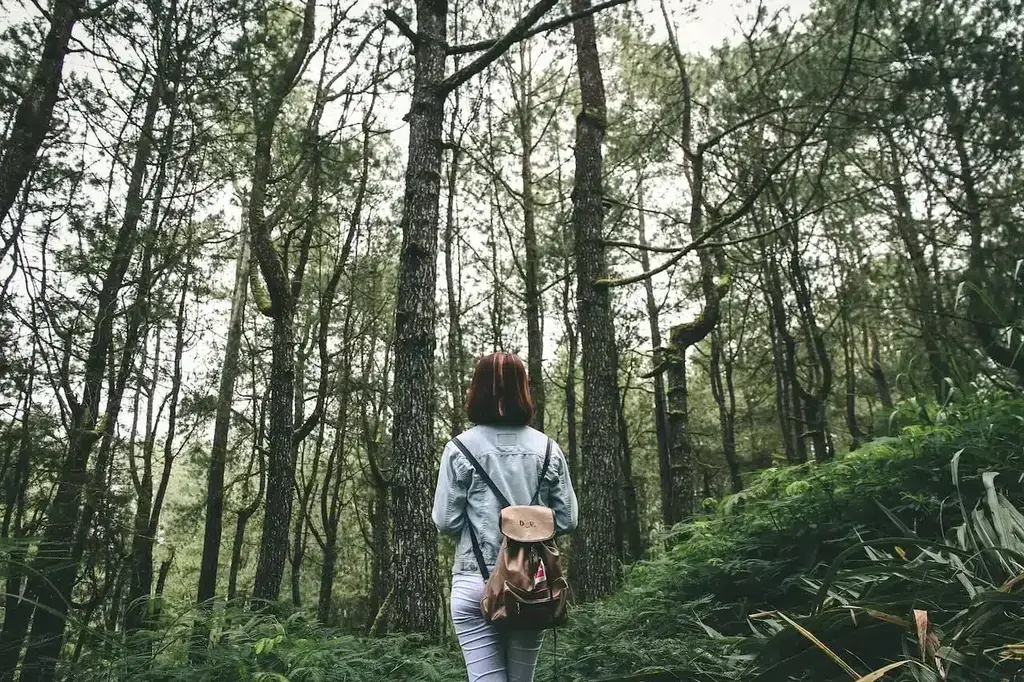
Japan’s Connection to Nature
Forest bathing reflects Japan’s deep cultural respect for nature. Mountains, forests, rivers, and seasonal landscapes have long influenced Japanese art, literature, religion, and daily life. In Shinto, natural features such as ancient trees, waterfalls, and mountains are often considered sacred.
Many shrines are located within forests, creating spaces where visitors can experience both nature and spirituality. Buddhism has also emphasized the value of peaceful natural settings for reflection and meditation. This long-standing connection to nature helped create an environment conducive to forest bathing. Many Japanese people view forests not only as natural resources but also as places for renewal and contemplation.
Potential Health Benefits
Interest in forest bathing has grown alongside research into its potential health benefits. Studies conducted in Japan and other countries suggest that spending time in forests may help reduce stress and promote relaxation. People often report feeling calmer and more refreshed after spending time in natural environments. Researchers have found that forest visits can be associated with lower stress levels and improved mood.
The quiet atmosphere also provides a break from the noise and distractions of modern life. Scientists have studied compounds called phytoncides, which are released by trees and plants. Some research suggests that these natural substances may support certain immune system functions, though studies are ongoing. While forest bathing is not a medical treatment, many people find that regular time in nature contributes to their overall well-being.
How Forest Bathing Is Practiced
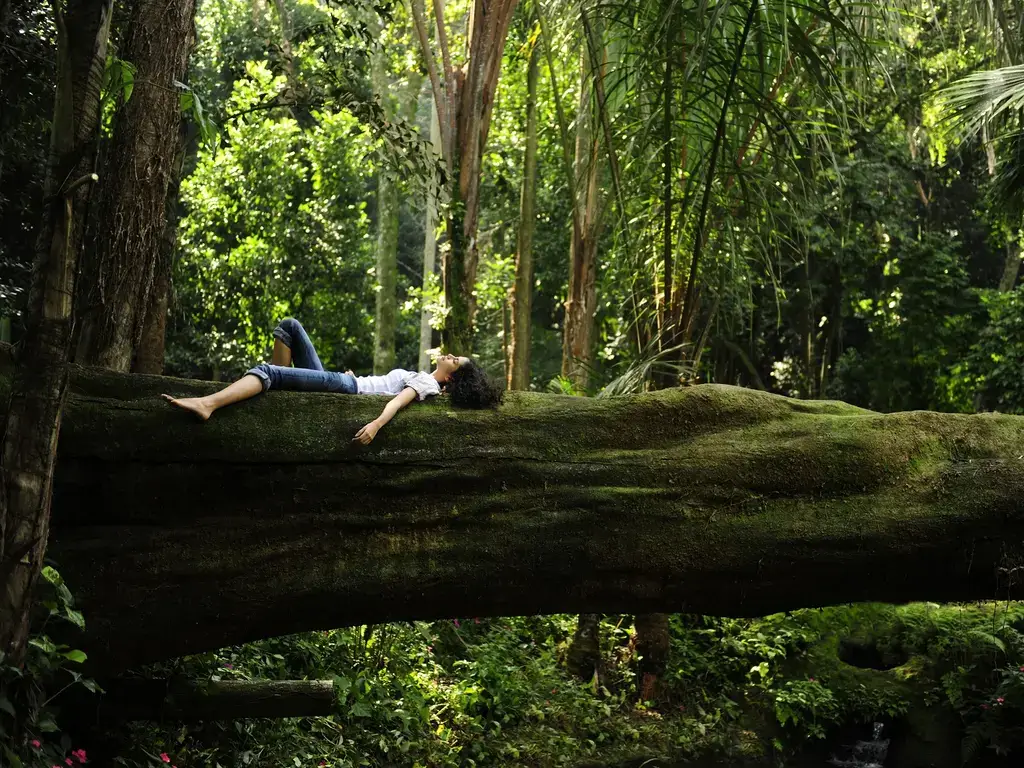
Forest bathing is simple and accessible. Participants usually begin by slowing down and setting aside distractions such as smartphones. Rather than focusing on distance or physical activity, they concentrate on their surroundings. Guided sessions often encourage participants to engage their senses by noticing scents, listening to rustling leaves, touching tree bark, or observing patterns of light. Some experiences also include breathing exercises or quiet reflection. There is no strict formula. A person can spend an hour in a local woodland or several hours exploring a larger forest. The key is mindful engagement with nature.
Are you looking for great snacks after a day in the forest? Check out Sakuraco! Sakuraco sends traditional Japanese snacks, teas, and sweets from local makers straight to your door each month!

Popular Forest Bathing Destinations in Japan
Japan’s mountainous landscape offers many opportunities for forest bathing. Yakushima is one of the country’s best-known destinations. The island is famous for its ancient cedar forests, including trees believed to be thousands of years old. The forests along the Kumano Kodo pilgrimage routes also attract visitors seeking a deeper connection with nature. These historic trails pass through mountains, villages, and dense woodlands. Another important location is Akasawa Natural Recreational Forest in Nagano Prefecture. It is widely recognized as the birthplace of modern forest bathing and was one of the first sites officially promoted for shinrin-yoku.
A Growing Global Movement
Although this activity began in Japan, it has spread worldwide. Parks, wellness organizations, and nature guides now offer forest bathing programs across North America, Europe, Australia, and other parts of Asia. Its growing popularity reflects a broader desire to reconnect with nature. As more people spend time indoors and online, forest bathing offers a simple, accessible way to slow down, relax, and recharge.
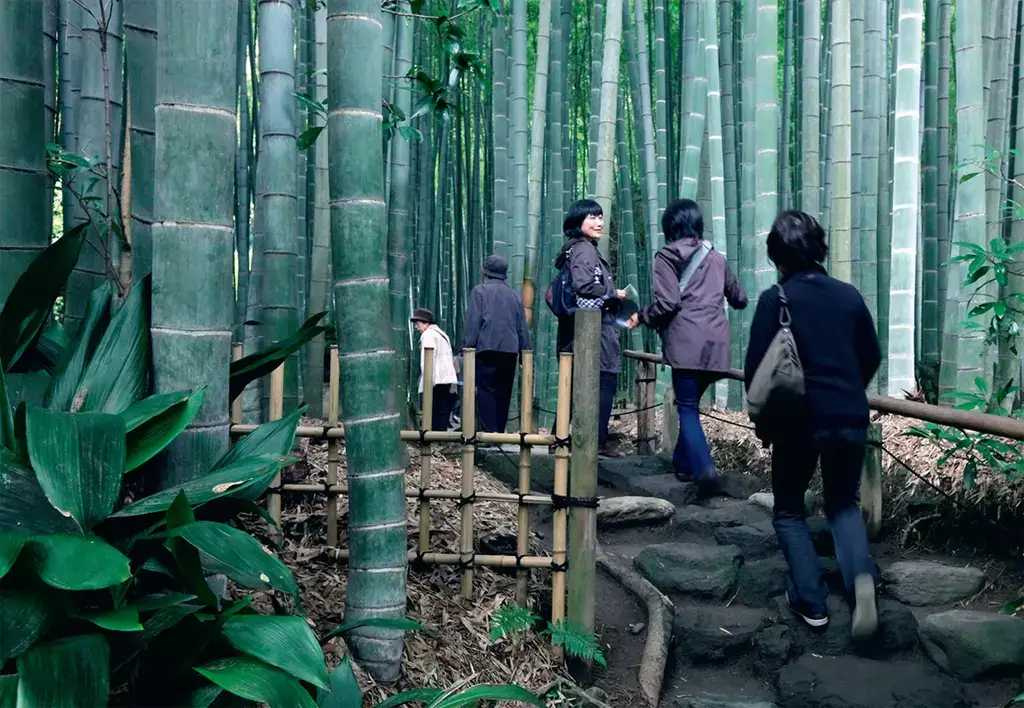
Overall, forest bathing is one of Japan’s most influential modern wellness traditions. By encouraging people to slow down and fully experience the natural world, shinrin-yoku provides a refreshing alternative to the fast pace of modern life. Rooted in Japan’s respect for nature, the practice continues to attract people seeking relaxation, mindfulness, and balance. Whether in an ancient cedar forest or a local woodland, this practice reminds us of the restorative power of spending time among the trees.

Discover authentic flavors with Sakuraco
Get Sakuraco 
Discover authentic flavors with Sakuraco
Get Sakuraco
Related Articles
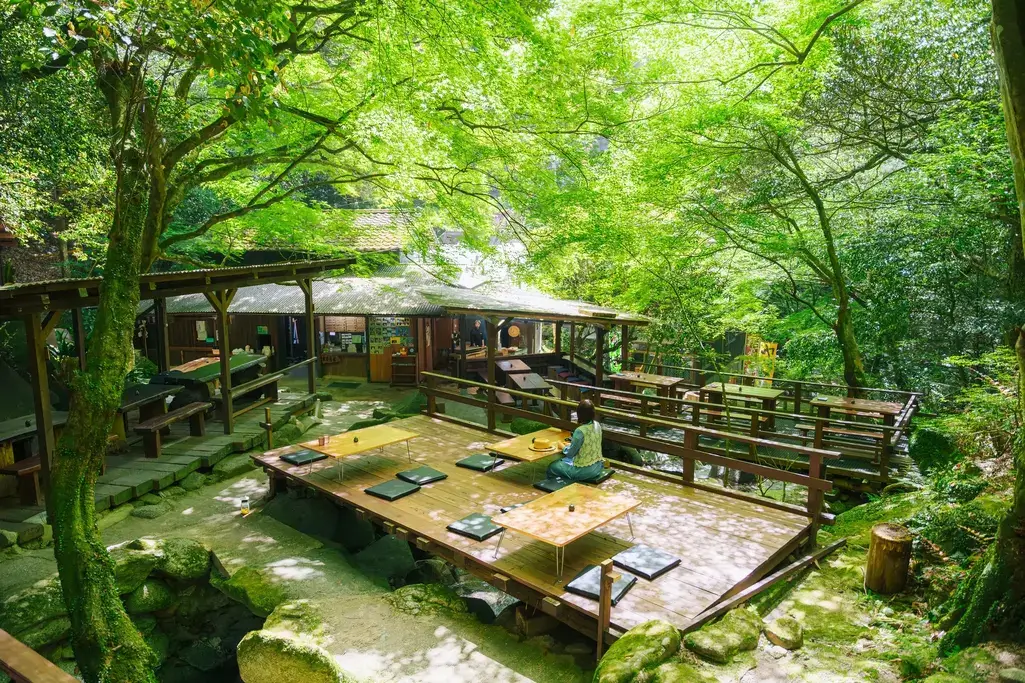
Kawadoko Dining in Japan: A Unique Riverfront Summer Tradition
Japan is home to many seasonal traditions that help people appreciate the changing environment. One of the most distinctive is kawadoko dining, an outdoor dining style that allows guests to enjoy meals beside or above flowing rivers during the warmer months. Known for its cool atmosphere and scenic surroundings, this riverfront dining tradition has become one of Japan’s most memorable summer experiences.
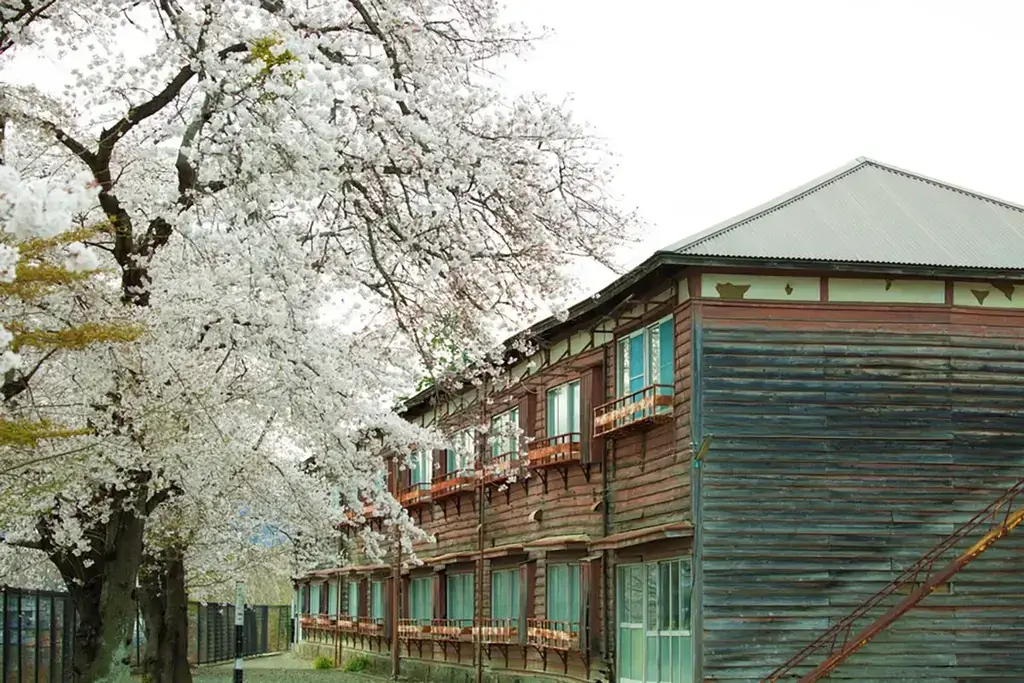
Tomioka Silk Mill: The Factory That Helped Modernize Japan
The Tomioka Silk Mill is one of Japan’s most important industrial heritage sites. Located in Tomioka City in Gunma Prefecture, the mill played a major role in Japan’s modernization during the late 19th century.
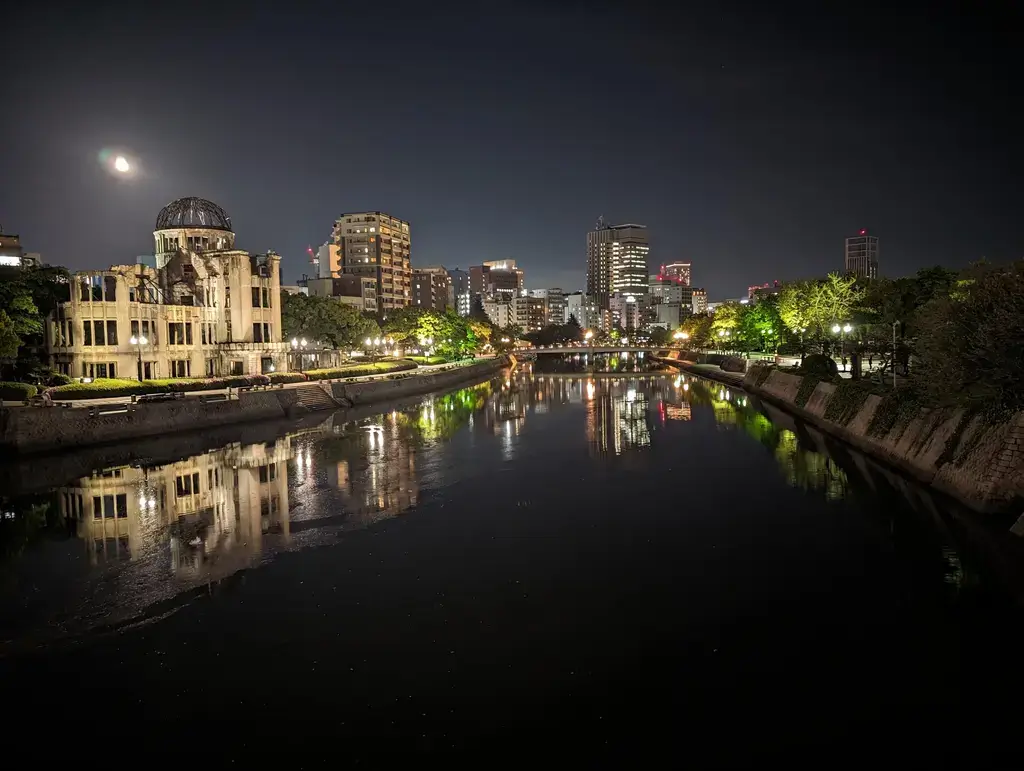
Hiroshima: History, Food, and Scenic Destinations
Hiroshima is one of Japan’s most historically important and culturally rich regions. Located along the Seto Inland Sea in western Japan, Hiroshima Prefecture is known for its history, food, and coastal scenery.