


tomioka silk mill
Tomioka Silk Mill: The Factory That Helped Modernize Japan

Thalia Harris

Posted on June 02, 2026
Share:
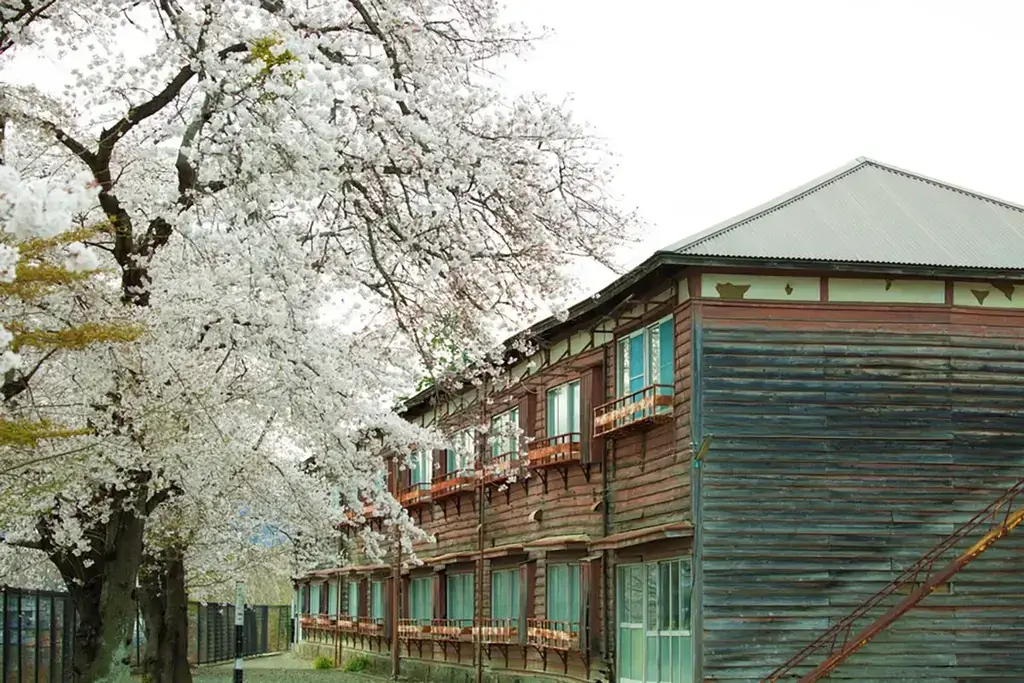
The Tomioka Silk Mill is one of Japan’s most important industrial heritage sites. Located in Tomioka City in Gunma Prefecture, the mill played a major role in Japan’s modernization during the late 19th century. Established in 1872, it became the country’s first large-scale mechanized silk-reeling factory and helped transform Japan into one of the world’s leading silk exporters. Today, the site is recognized as part of the UNESCO World Heritage property known as Tomioka Silk Mill and Related Sites.
The Beginning of Modern Silk Production
During the early years of the Meiji era, Japan was rapidly opening to international trade after centuries of relative isolation. Silk was already one of the country’s most valuable export products, but Japanese silk often faced criticism for inconsistent quality. To compete in global markets, the Japanese government sought to modernize production methods. As part of this effort, the government built the Tomioka Silk Mill in 1872. The factory introduced modern French silk-reeling machinery and production methods that were uncommon in Japan at the time.
French silk specialist Paul Brunat was hired to help oversee the project and train Japanese workers. The goal was not only to improve silk quality but also to spread modern industrial knowledge throughout Japan. The mill quickly became a model factory. Workers learned new techniques and later carried that knowledge to other silk mills across the country. As a result, modern silk production expanded rapidly during the Meiji period.
Architecture That Blended East and West
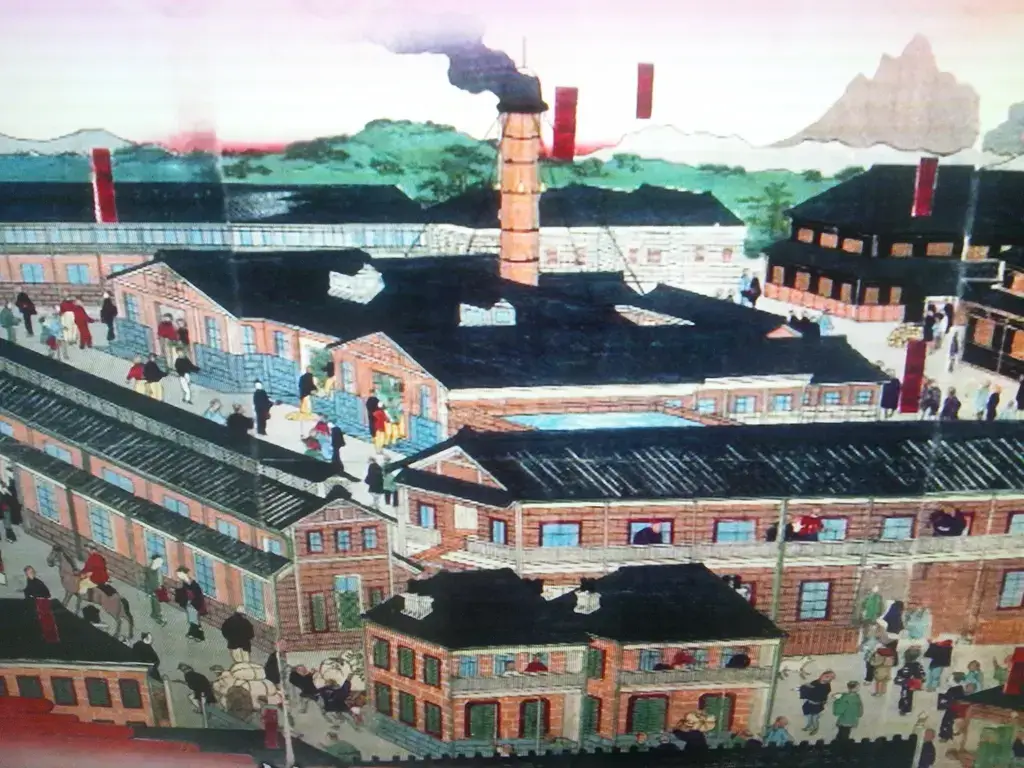
One of the most remarkable features of the Tomioka Silk Mill is its architecture. The site combines Western industrial design with traditional Japanese building methods. Japanese craftsmen worked under French guidance to construct large brick buildings using a timber-framed brick technique. This approach allowed the factory to incorporate Western-style construction while relying on local materials and skills.
Many of the original structures remain standing today. Among the most famous are the East Cocoon Warehouse, the West Cocoon Warehouse, and the Silk-Reeling Plant. These large buildings were completed in 1872 and still demonstrate the scale of Japan’s early industrial ambitions. Their preservation gives visitors a rare opportunity to see a nearly complete industrial complex from the beginning of the Meiji era. The mill complex includes warehouses, production facilities, offices, and worker residences spread across a large industrial site. Walking through the grounds offers a glimpse into how one of Japan’s first modern factories operated more than 150 years ago.
Are you looking for great snacks from places like Sakuraco? Check out Sakuraco! Sakuraco sends traditional Japanese snacks, teas, and sweets from local makers straight to your door each month!

Women and the Silk Industry
Women played a central role in the success of the Tomioka Silk Mill. Most of the factory’s workforce consisted of young women who came from different regions of Japan. They learned modern silk-reeling techniques and became some of the country’s earliest industrial workers. French instructors, including several women, were brought to Tomioka to train Japanese workers in operating the new machinery. Their work helped transfer technical knowledge that would later spread throughout Japan’s silk industry.
Workers received training, uniforms, and access to basic education. At the same time, factory labor remained difficult, and many women faced social pressure for working outside the home. Despite these challenges, the mill gave many workers opportunities to learn industrial skills and participate in Japan’s rapidly changing economy. Many of these workers later returned to their hometowns and shared what they had learned. This helped spread modern silk production techniques across Japan and contributed to the growth of the national silk industry.
A Global Impact
The influence of the Tomioka Silk Mill extended far beyond Japan. During the late 19th century, European silk production faced major challenges due to diseases affecting silkworm populations. Japan’s growing silk industry helped meet international demand during this period. High-quality Japanese silk became increasingly important to manufacturers worldwide.
The success of factories like Tomioka helped Japan become one of the world’s leading silk exporters. Silk exports became one of the country’s most important sources of foreign income during the Meiji era and helped finance broader industrial development. Historians often point to the silk industry as a key factor in Japan’s economic transformation during this period. The factory also represents an important example of international cooperation. French technology and expertise, combined with Japanese craftsmanship and innovation, created a successful industrial model that influenced future manufacturing in Japan.
UNESCO World Heritage Status
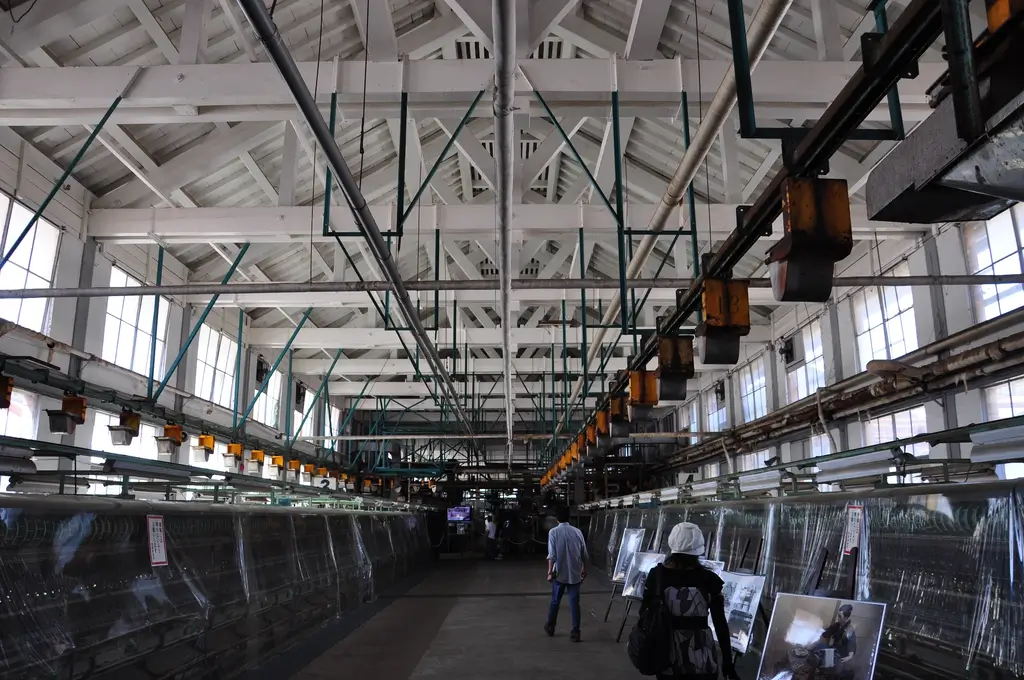
The Tomioka Silk Mill operated for more than a century before closing in 1987. Fortunately, many of its buildings were carefully preserved rather than demolished. Local governments and preservation groups recognized the site’s historical importance and worked to protect it for future generations.
In 2014, UNESCO added Tomioka Silk Mill and Related Sites to its World Heritage List. The designation recognized the site’s role in technological innovation, industrial development, and the global silk trade. The World Heritage property includes four locations that represent different stages of silk production and sericulture in Japan.
Today, the mill attracts visitors from around the world. Exhibits explain the history of silk production, the lives of factory workers, and the industry’s impact on Japan’s modernization. The site remains one of the country’s most significant examples of industrial heritage.
A Lasting Symbol of Modern Japan
The Tomioka Silk Mill stands as a symbol of Japan’s transformation during the Meiji era. It demonstrates how the country adopted foreign technology while developing its own industrial identity. The factory helped improve silk production, expand international trade, and create opportunities for thousands of workers.
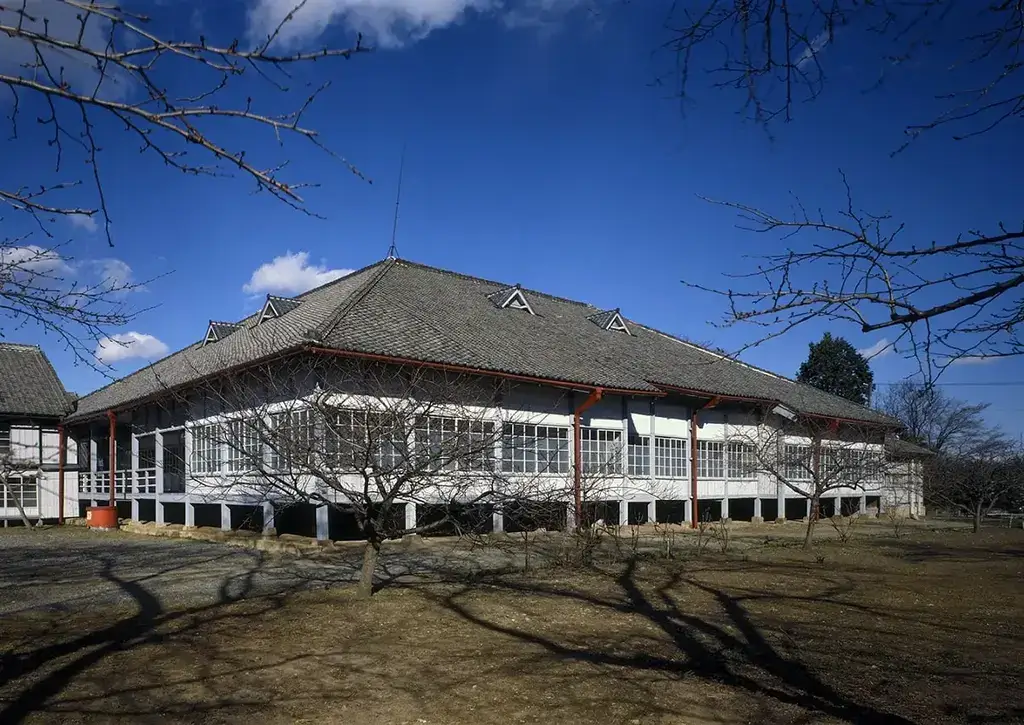
More than 150 years after its founding, the Tomioka Silk Mill continues to tell the story of a period when Japan rapidly changed from a feudal society into a modern industrial nation. Its preserved buildings and historical significance make it one of the most important cultural and industrial landmarks in Japan. Visitors today can still see many of the original structures and gain a deeper understanding of how silk production helped shape modern Japan’s economy and global connections.

Discover authentic flavors with Sakuraco
Get Sakuraco 
Discover authentic flavors with Sakuraco
Get Sakuraco
Related Articles
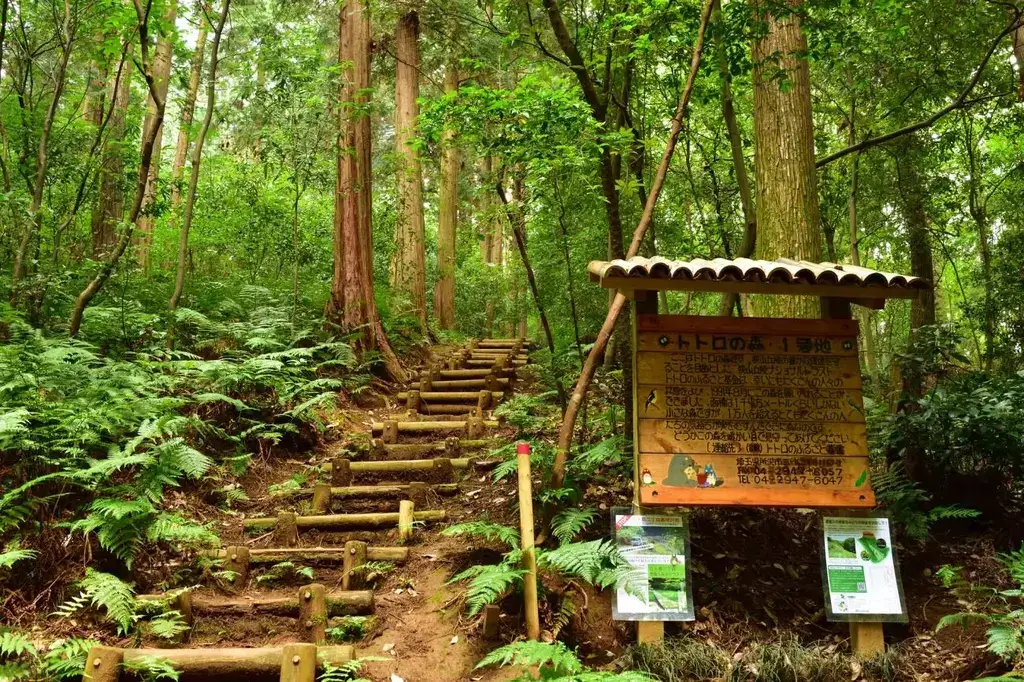
Forest Bathing in Japan: The Ultimate Guide
Japan is known for cultural traditions that promote balance, mindfulness, and a connection with nature. One of the most distinctive is forest bathing, or shinrin-yoku. Despite its name, forest bathing does not involve water.
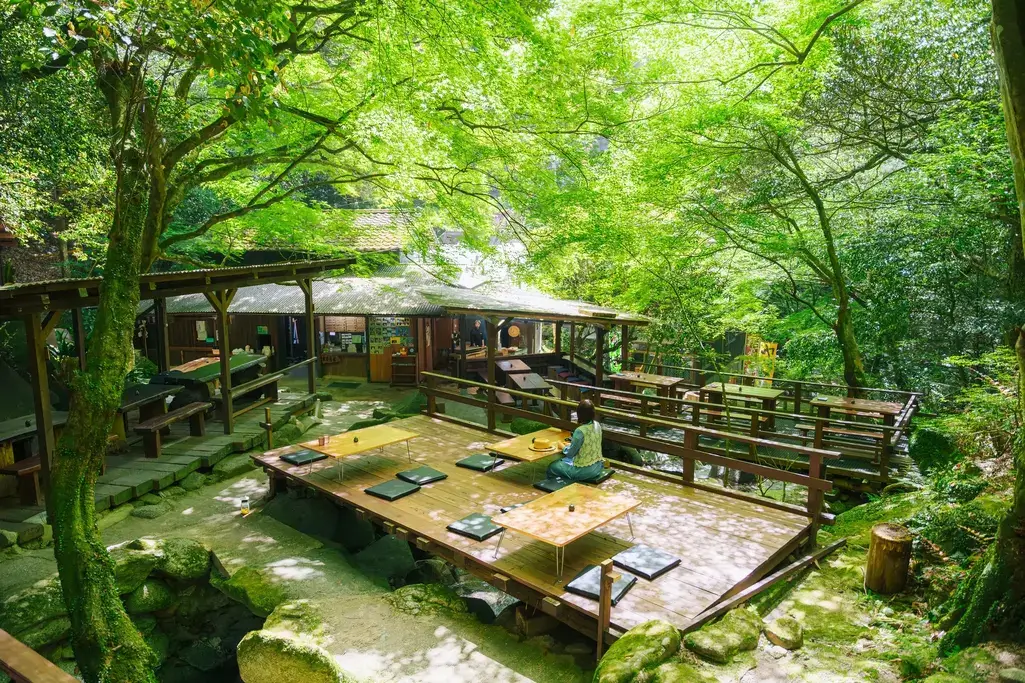
Kawadoko Dining in Japan: A Unique Riverfront Summer Tradition
Japan is home to many seasonal traditions that help people appreciate the changing environment. One of the most distinctive is kawadoko dining, an outdoor dining style that allows guests to enjoy meals beside or above flowing rivers during the warmer months. Known for its cool atmosphere and scenic surroundings, this riverfront dining tradition has become one of Japan’s most memorable summer experiences.
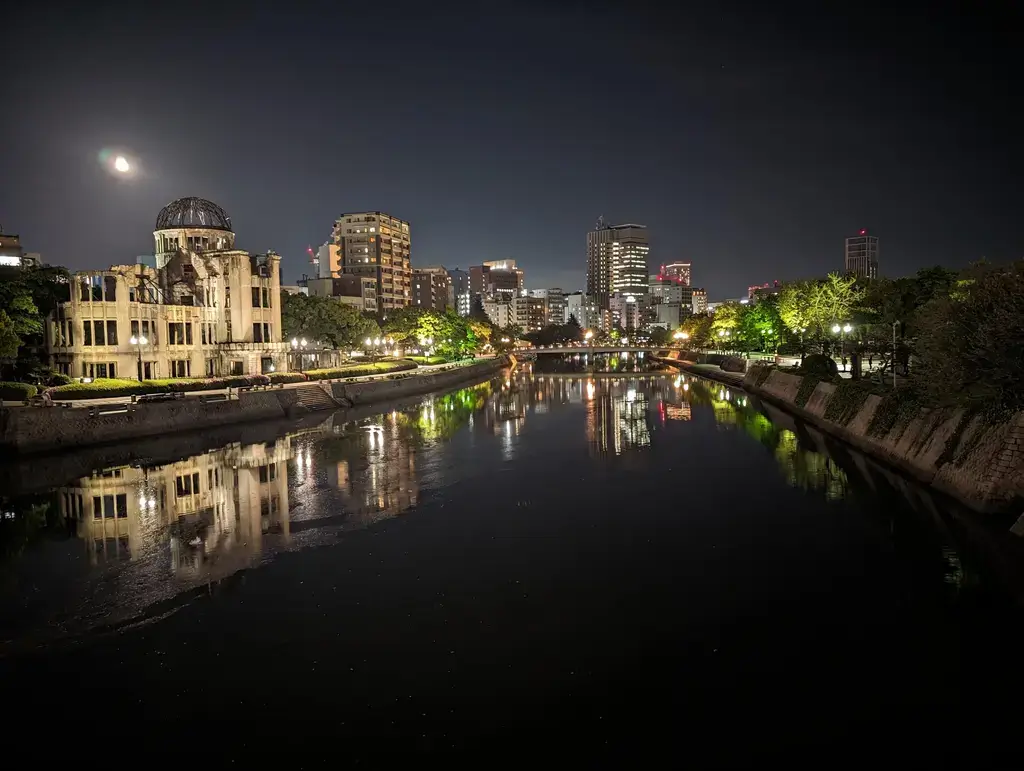
Hiroshima: History, Food, and Scenic Destinations
Hiroshima is one of Japan’s most historically important and culturally rich regions. Located along the Seto Inland Sea in western Japan, Hiroshima Prefecture is known for its history, food, and coastal scenery.