


aaron and claire
Aaron and Claire Show Us How to Make Gyudon!

Eunike

Posted on January 06, 2026
Share:
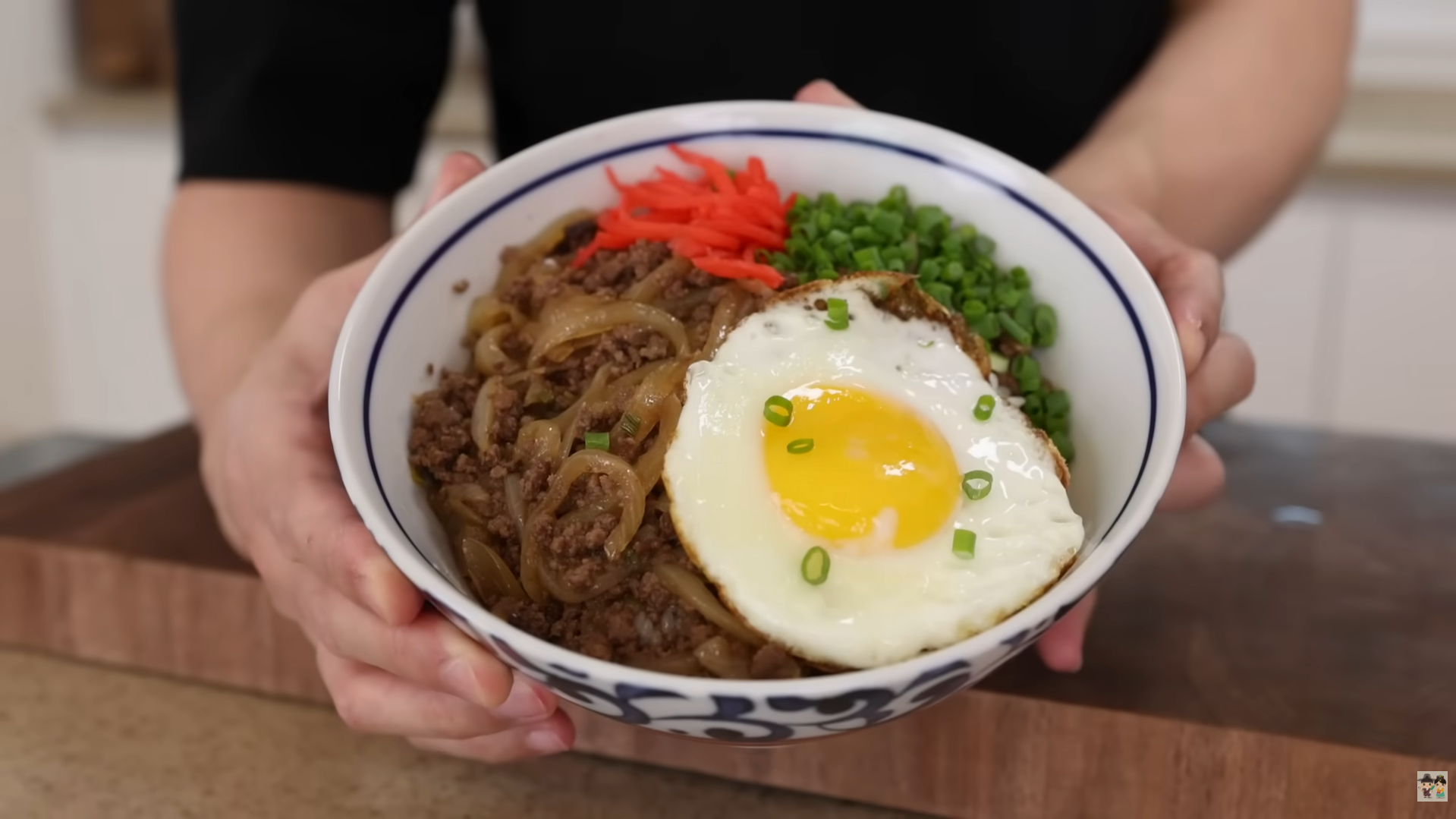
If you’re looking for a Japanese comfort food that’s quick, affordable, and full of flavor, Aaron and Claire have a great option. In this video, Aaron shows how to make Gyudon using ground beef instead of the usual thinly sliced beef.
While the traditional version is already simple, this approach makes it even more accessible without losing what makes the dish so satisfying. The result is a hearty beef rice bowl that’s easy enough for weeknight cooking and still tastes rich and comforting.
Aaron explains that this recipe is perfect for anyone who struggles to find thinly sliced beef or doesn’t want to spend extra time slicing meat at home. With just a handful of ingredients and one pan, this version of Gyudon comes together quickly and delivers the same savory flavors people love.
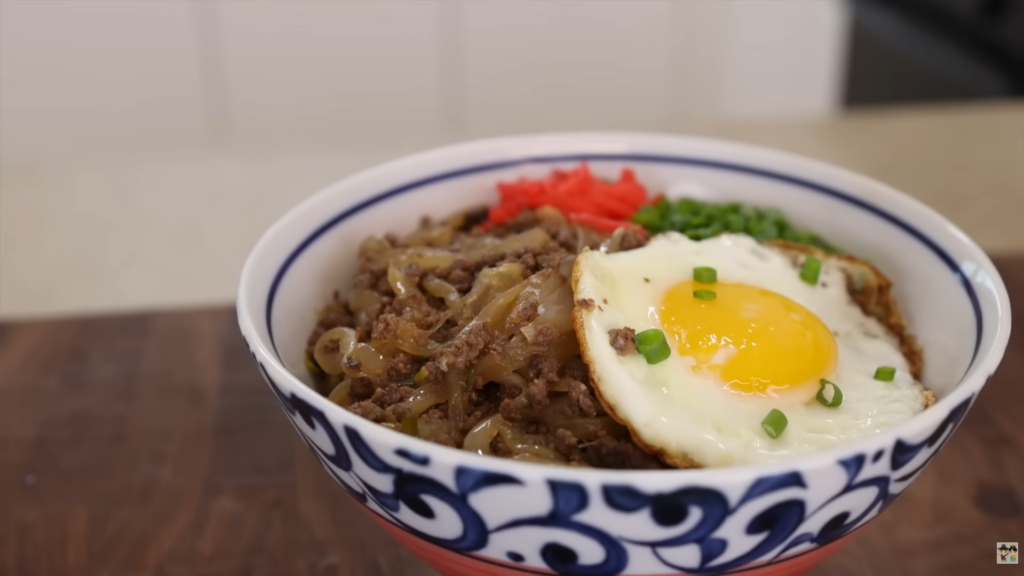
Image via Aaron and Claire
What Is Gyudon?
Gyudon is a classic Japanese rice bowl made with beef and onions simmered in a lightly sweet and savory sauce, then served over hot rice. It’s a popular comfort food that’s quick, filling, and easy to enjoy. In this recipe, Aaron uses ground beef instead of sliced beef, making it more affordable and easier to prepare. The ground beef absorbs the sauce well, cooks quickly, and still delivers the rich, satisfying flavor Gyudon is known for.
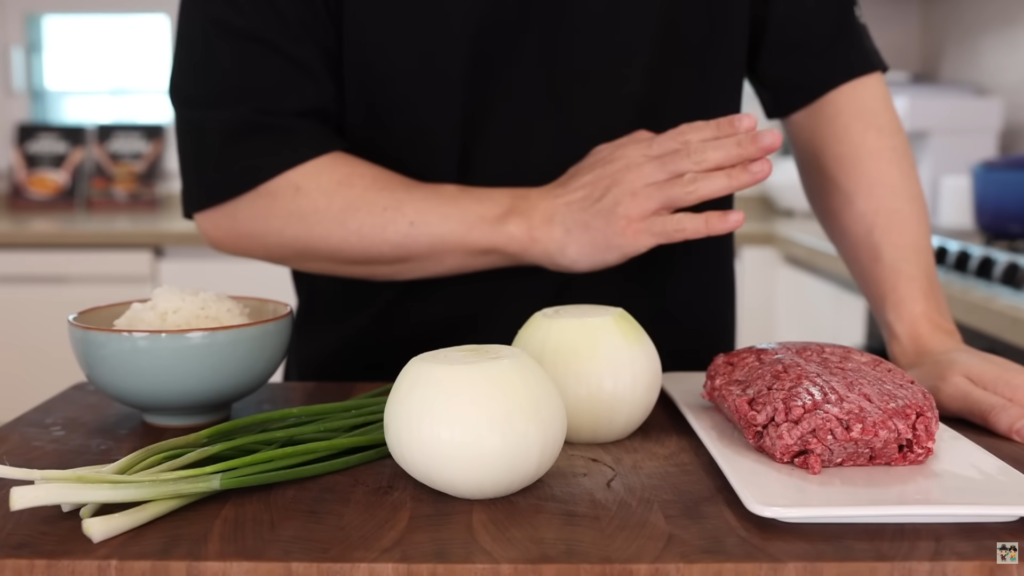
Image via Aaron and Claire
Ingredients You’ll Need
One of the best aspects of this recipe is its concise ingredient list. For the main components, you’ll need ground beef, onions, green onions, and cooked rice. That’s enough to create a solid and flavorful Gyudon. For the sauce, Aaron mixes water, soy sauce, mirin, sugar, chicken bouillon powder, and hondashi. This combination creates a quick dashi-style broth without the need to make stock from scratch. If you want to add a more authentic Japanese touch, pickled ginger is optional but recommended. It adds freshness and helps balance the richness of the beef.
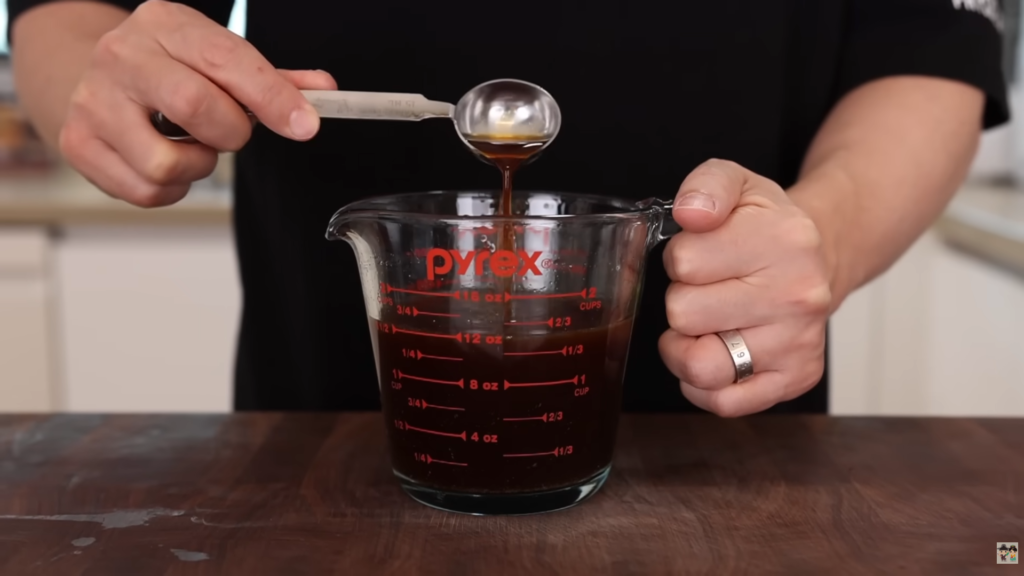
Image via Aaron and Claire
Preparing the Sauce
The sauce comes together in just one container. Aaron adds water, soy sauce, mirin, sugar, chicken bouillon powder, and hondashi, then mixes everything until well combined. There’s no cooking involved at this stage, which keeps things fast and simple. Aaron emphasizes that this sauce is the key to the dish. It’s savory, slightly sweet, and designed to soak into the beef and onions during cooking. Because the ingredients are easy to measure and forgiving, it’s a good recipe even if you’re new to Japanese cooking.
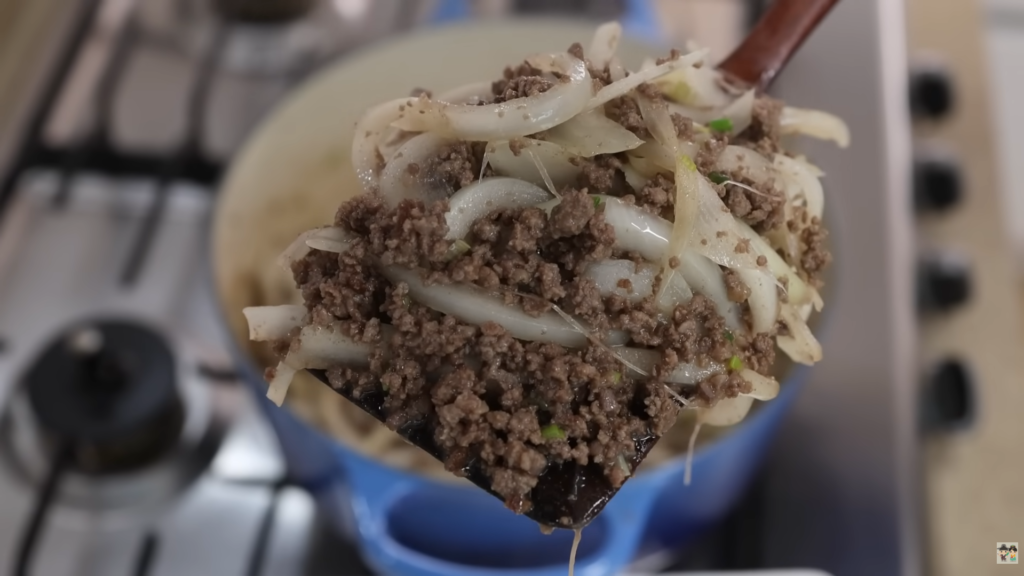
Image via Aaron and Claire
Cooking the Beef and Onions
Aaron heats oil in a large pan over medium-high heat and adds the ground beef, spreading it out so it can sear without stirring for the first minute or two. This helps build flavor and render the fat. Once the bottom is browned, he stirs the beef and cooks it until most of the liquid evaporates.
If there’s too much fat, he removes some with paper towels, then adds the sliced onions and the white parts of the green onions. They’re sautéed until softened and translucent, which helps build the base flavor. The sauce is then poured in, the browned bits are scraped up, and everything is brought to a boil. After lowering the heat, the pan is covered and simmered for about five minutes so the beef absorbs the sauce without overcooking.
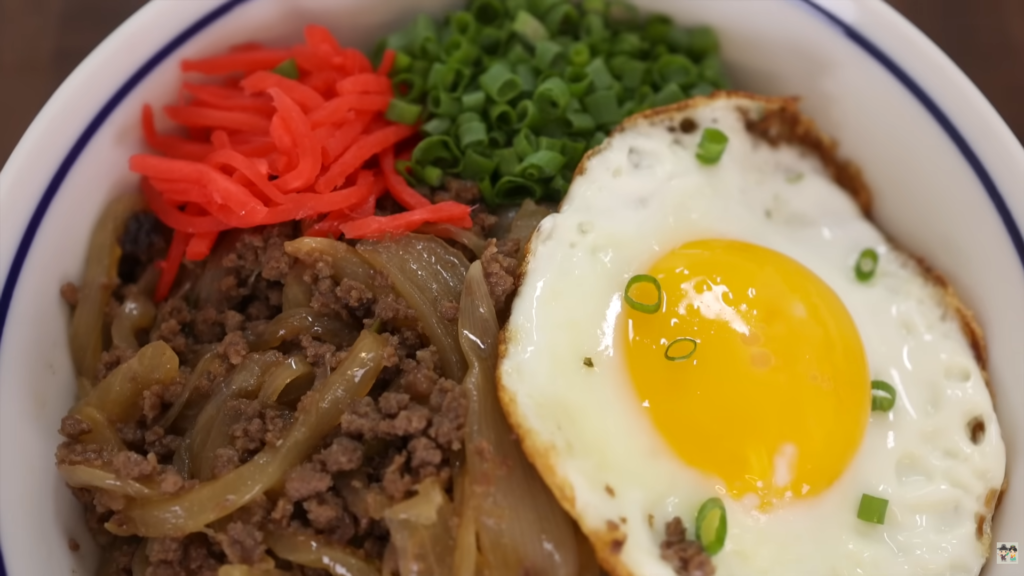
Image via Aaron and Claire
Assembling the Gyudon Bowl
To serve, Aaron places hot rice into a bowl and tops it with a generous amount of the beef and onion mixture. He warns against adding too much sauce at once, as it can overpower the rice. Instead, a small amount of broth is added based on personal preference. The bowl is finished with an egg, either fried or soft-boiled. While a soft-boiled egg is more traditional, Aaron notes that a fried egg works just as well. Pickled ginger and the green parts of the green onions are added on top, bringing freshness and color to the final dish.
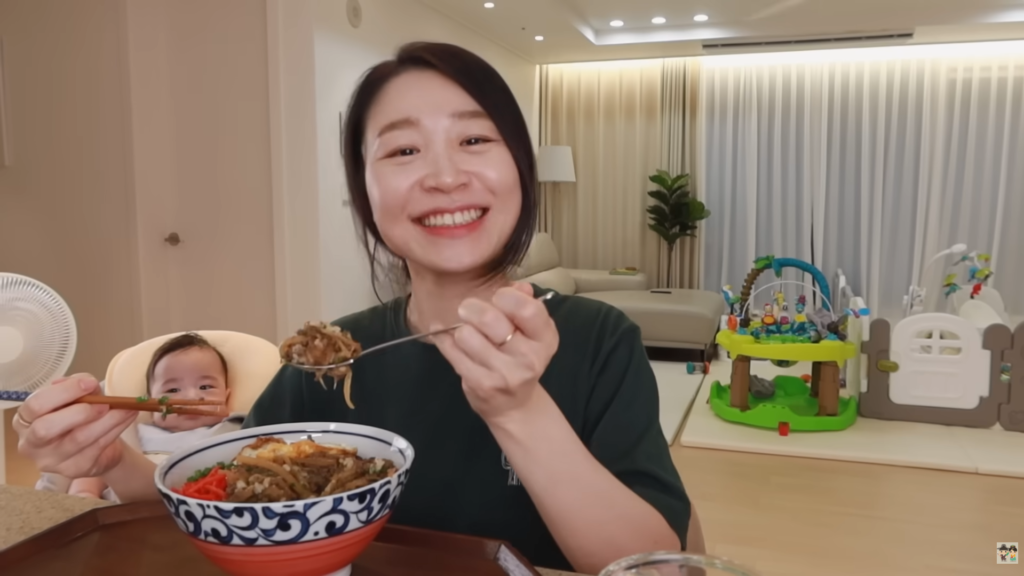
Image via Aaron and Claire
Claire’s Taste Test
When it’s time to taste the dish, Claire tries it first and is impressed by how flavorful it is despite the simple ingredients. The ground beef is well-seasoned, the onions are soft and slightly sweet, and everything complements the rice well. She also tries it with a fried egg and agrees it’s just as good as a soft-boiled egg. Both Aaron and Claire believe that using ground beef makes the dish more comforting while also making it easier to cook.
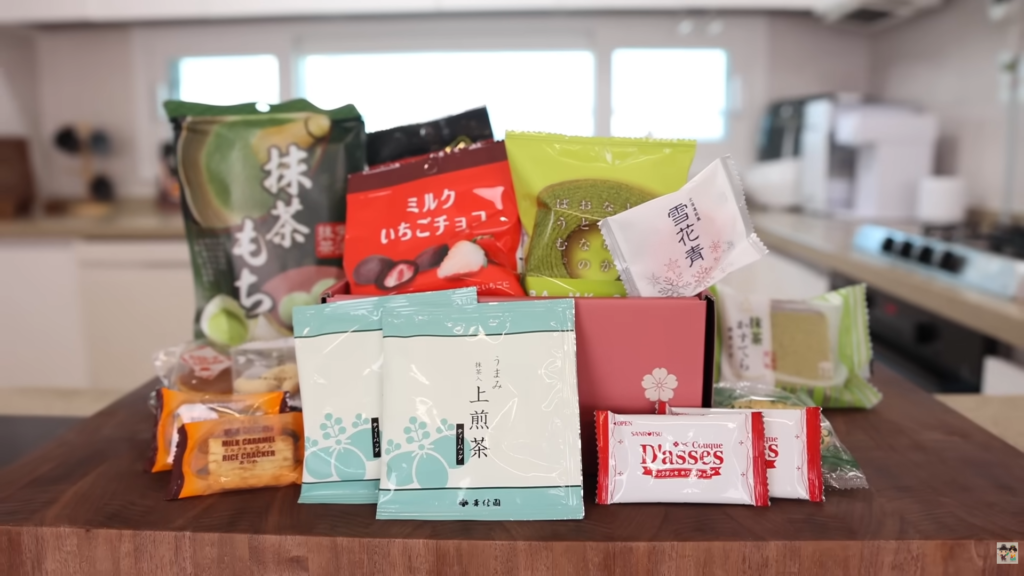
Image via Aaron and Claire
Sakuraco: Experience Japanese Snacks at Home
If this recipe makes you want to explore more Japanese flavors, Sakuraco is an easy way to do that at home. It’s a Japanese snack subscription box featuring traditional and regional treats from local artisans, along with Japanese tea and a piece of tableware. Each box includes a booklet that explains the snacks, their makers, and cultural details, with themes that change seasonally. Aaron also shares a discount code for viewers who want to try it out.
🎟 Use code ANC to get $5 off your first box here.
Final Thoughts
After tasting the Gyudon, both Aaron and Claire agree that the ground beef version works surprisingly well. The dish is flavorful, filling, and incredibly easy to make. Aaron wraps up by encouraging viewers to try it at home, especially if sliced beef is hard to find. With minimal ingredients, simple steps, and great results, this recipe is a practical way to enjoy Japanese comfort food anytime.
👉 Watch “Got Ground Beef? Try This 15-Minute Beef Rice Bowl That Will Change Your LIFE! l Ground Beef Gyudon” on Aaron and Claire’s YouTube channel here.

Discover authentic flavors with Sakuraco
Get Sakuraco 
Discover authentic flavors with Sakuraco
Get Sakuraco
Related Articles

Kyoto Confectionery Museum: Everything You Need to Know
Although Kyoto is famous for temples, gardens, and historic districts, the city is also known for its centuries-old confectionery culture. The Kyoto Confectionery Museum shows how sweets became closely connected to tea ceremonies, seasonal celebrations, and Japanese aesthetics.
Hiroshima Tsukemen: A Spicy Take on Japanese Dipping Noodles
Tsukemen is one of Japan’s best-known noodle dishes, but Hiroshima offers its own distinctive version that differs sharply from the richer styles found in Tokyo and other parts of the country.
Sake from Takehara City: A History of Brewing
Takehara City in Hiroshima Prefecture is one of Japan’s historic sake towns. Located near the Seto Inland Sea, the city became wealthy during the Edo period through trade and sake brewing. Today, Takehara is still known for its traditional streets, old breweries, and connection to Hiroshima’s sake culture.
Aaron and Claire Soy-Glazed Pork Belly Recipe: A Guide!
Aaron and Claire share an easy soy-glazed pork belly rice bowl recipe that combines tender pork, a rich savory glaze, and simple ingredients for a comforting Japanese-inspired dinner at home.