

Categories
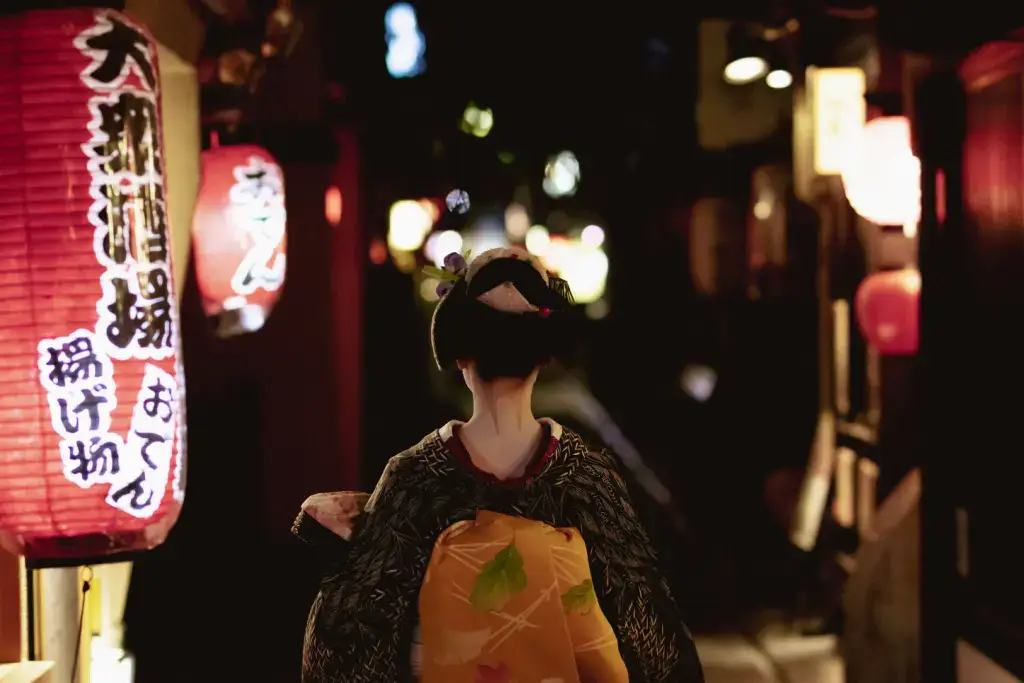
Kyoto at Night: Five Places to Explore After Dark
Add a unique touch to your trip by exploring attractions after dark. When the sun goes down, many popular sites that feel too “touristy” by day reveal an entirely different atmosphere. Kyoto offers countless spots like these—temples, shrines, and districts that bustle with crowds in daylight turn into peaceful places for quiet walks and reflection at night.

Ueno Park: Why is it Tokyo’s Cultural Center?
Few places in Tokyo combine history, culture, and nature as clearly as Ueno Park. Located in one of the city’s busiest districts, the park attracts millions of visitors each year. People come to see museums, temples, cherry blossoms, and wildlife at the zoo.
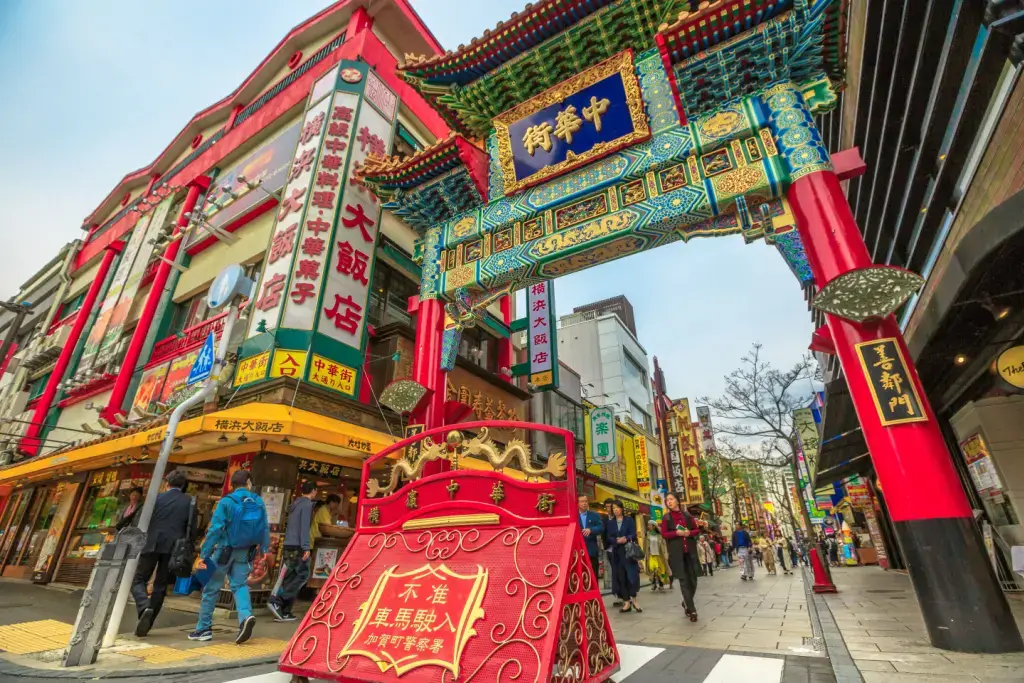
Yokohama Chinatown: Everything You Need to Know!
Yokohama, a city just south of Tokyo, is home to the largest of Japan’s three Chinatowns, called “chukagai” in Japanese. Established in the late 19th century, Yokohama Chinatown is a historic area home to hundreds of businesses.
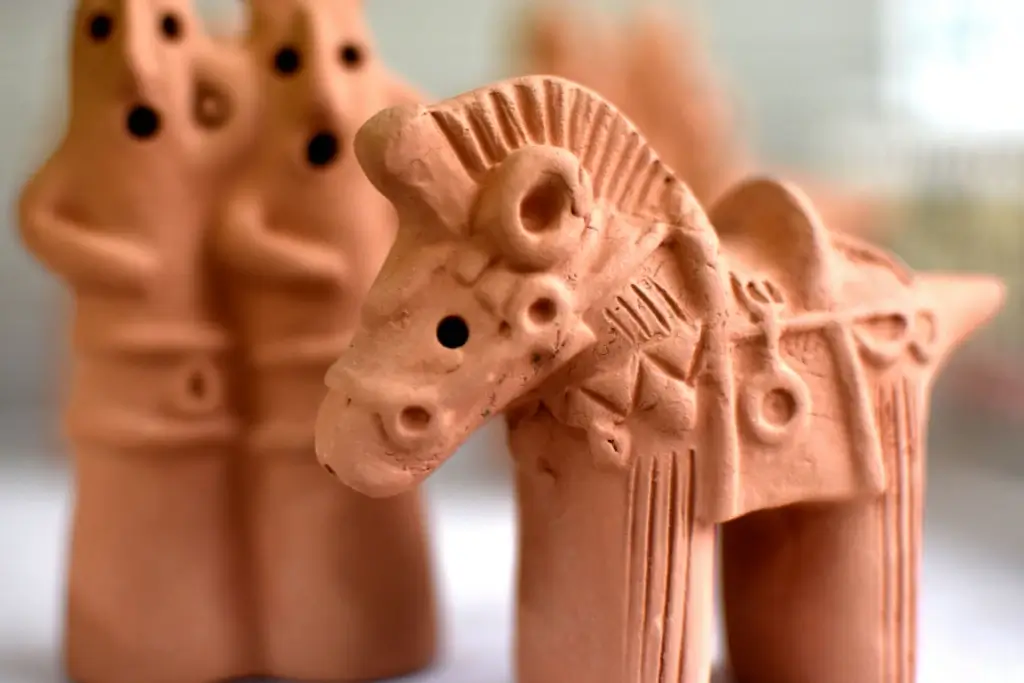
Yamato Period: A Look at Japan’s Early Path to Unity
The Yamato Period laid the foundation for modern Japan. Powerful clans emerged to shape the islands’ future and form the country’s first early states.
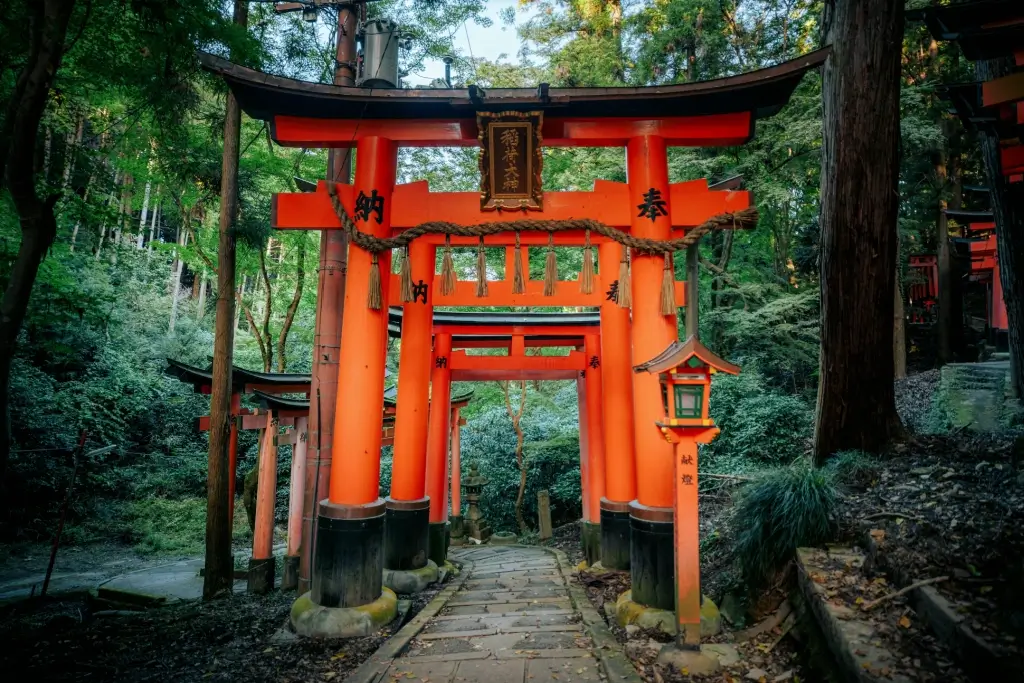
Kyoto Shrines: Five Best Ones to Visit!
Kyoto shrines preserve history within their walls, and their network carries the old days into modern Japan. Visiting them can be a memorable way to learn about Japan’s past and understand how spiritual traditions coexist with modern life.
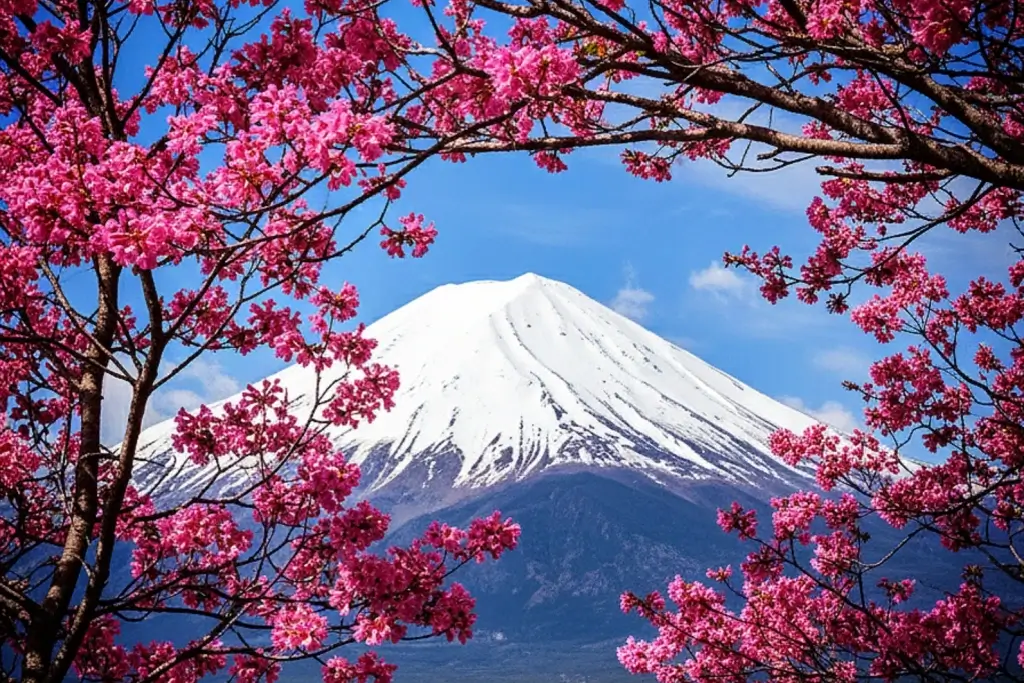
Cherry Blossom Flower Variety Across in Japan: The Ultimate Guide!
Many people know the soft pink cherry blossoms. However, sakura in Japan includes a wide variety.
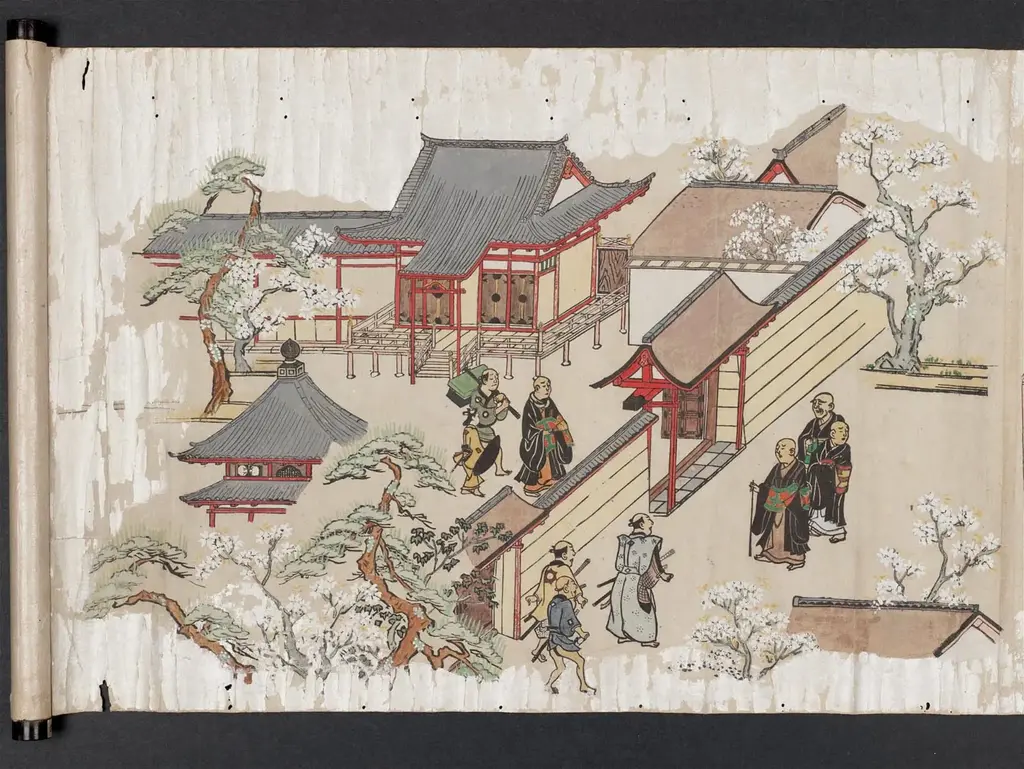
Cherry Blossom Petals and the First Hanami “Pictures”
Cherry blossom petals and hanami feel timeless, but this spring tradition has a clear story. The first hanami “pictures” were not phone photos. They were written records, poems, and paintings made over 1,200 years ago at the imperial courts in Japan.
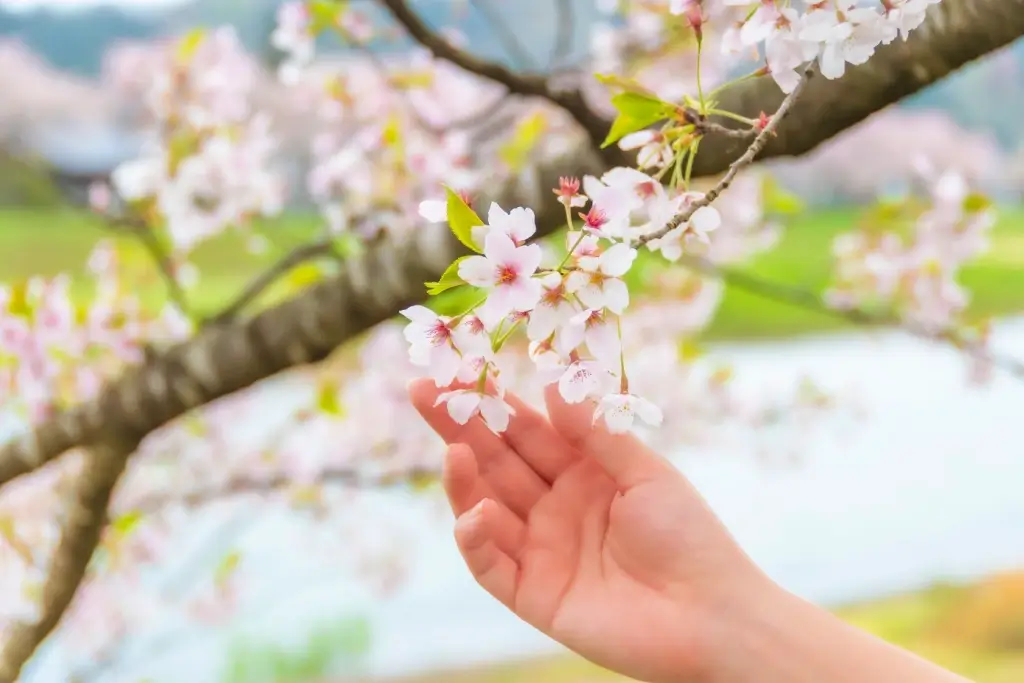
Sakuramori: Who Are The Cherry Blossom Guardians?
Cherry blossom trees, also known as sakura, hold a special place in Japan. People called sakuramori protect and care for these trees. Sakuramori means “cherry blossom guardians” in Japanese. They work hard to keep old trees healthy and plant new ones. Their efforts ensure everyone can enjoy the pink blooms each spring, keeping them healthy and people happy.

Taiga Drama Reimagines the Sengoku Period!
Every year, NHK’s Taiga drama brings Japanese history to life, and in 2026, it returns to the dramatic Sengoku period. This year’s series offers a fresh perspective by focusing on the people behind the famous names.
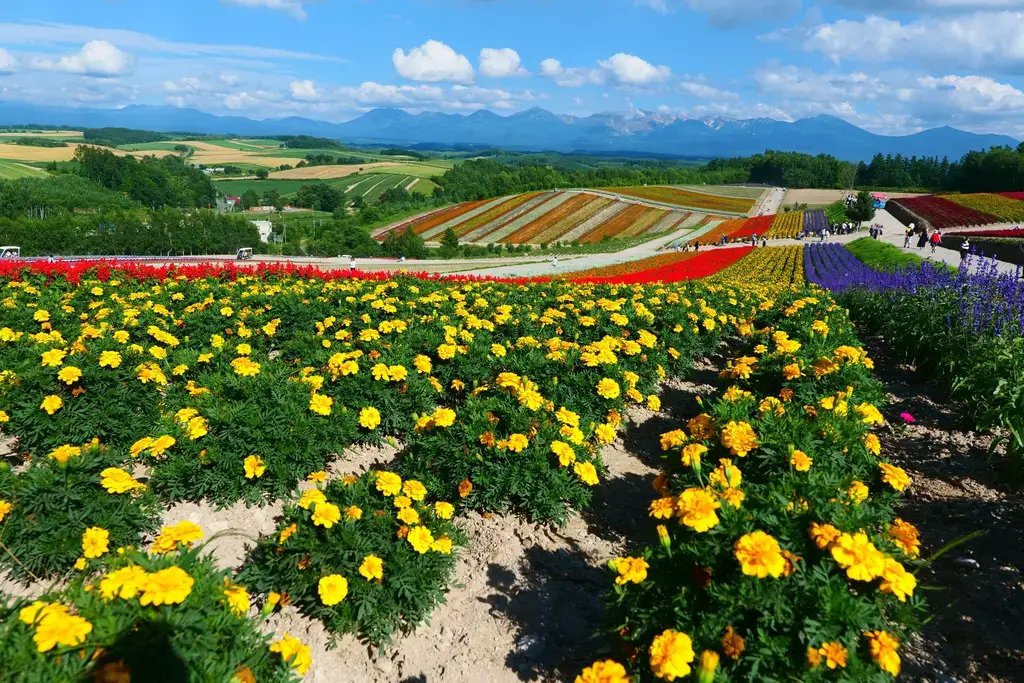
Biei: Hokkaido’s Beautiful Gateway to Central Scenic Wonders
The town of Biei in Hokkaido has attracted visitors to its rolling hills and colorful fields for over 200 years. The region’s rural beauty is famous across the country. The local scenery has been used in everything from advertisements to award-winning photos.
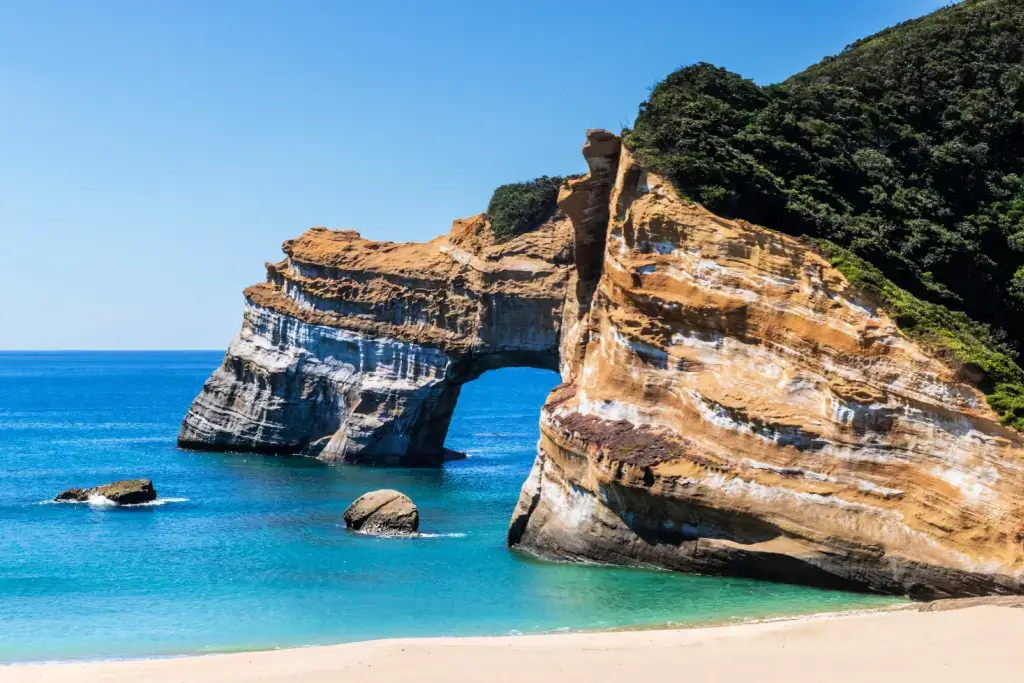
Tanegashima Island: The Story of Japan’s Southern Outpost
Japan’s numerous remote islands often differ considerably from the mainland in culture, language, and history. Tanegashima Island is one such example. Located in the far south of the Japanese archipelago, this location primarily served as a site for early European contact. It played a major role in introducing firearms to the country during the sixteenth century.
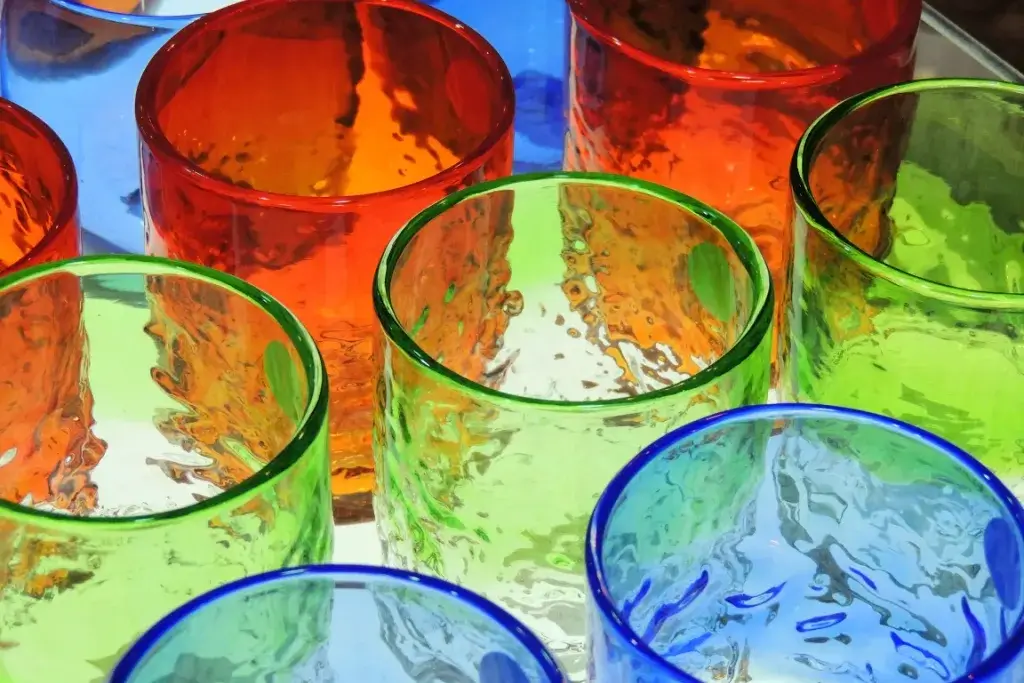
Japanese Glassware at Its Finest: Five Exceptional Manufacturers
Japan is famous worldwide for its skill, balance, and attention to detail. While ceramics are famous, Japanese glassware has a rich history too. Japan makes hand-blown glass and everyday tableware. Glassmakers mix traditional techniques with modern design. This balance makes Japanese glassware stand out worldwide.