


summer 2025 japan
Summer 2025 in Japan: Heatwaves, Short Fall, and Early Winter

Anna Ayvazyan

Posted on October 23, 2025
Share:
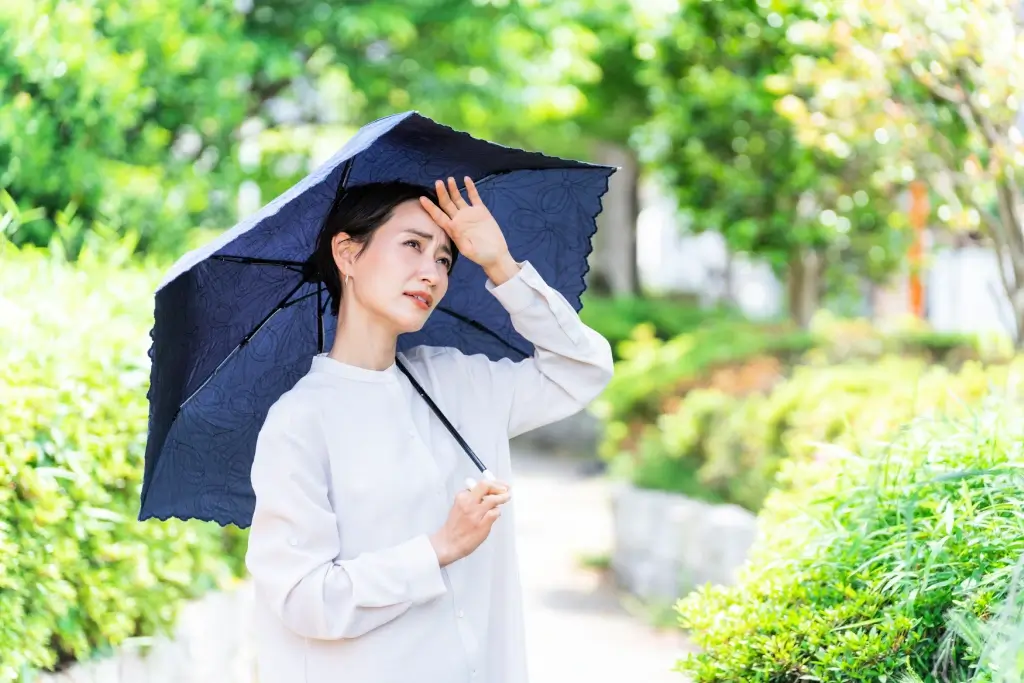
Summer 2025 will be remembered as one of the most extreme seasons in Japan’s history. Temperatures soared to record highs, leaving cities sweltering, crops struggling, and daily life challenging for millions of people. Let’s examine how this intense heat impacted the country, what it means for Japan’s traditional four seasons, and how residents adapted to the changes.
Japan’s seasons and what makes them special
One thing you’ll often hear in Japan is that it has “four seasons.” It might sound strange since many countries do too, but in Japan, people truly feel and celebrate each one. Spring brings cherry blossoms and hanami (flower-viewing) picnics, while summer means fireworks and shaved ice. Fall glows with red maple leaves, and winter offers cozy hot pots and sparkling illuminations. Every season has its own traditions, flavors, and atmosphere that shape daily life.
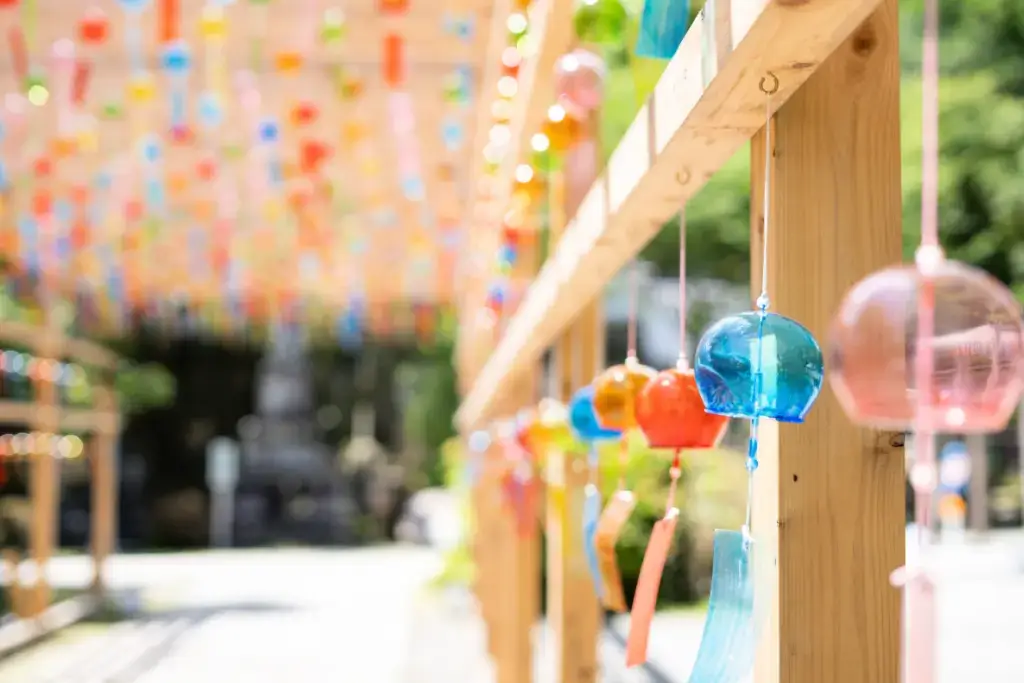
Companies also get creative with these changes. Starbucks releases seasonal drinks, such as sakura lattes in spring or fruity smoothies in the warmer months, while convenience stores fill their shelves with limited-edition treats. These little details make each season feel special and anticipated.
However, over the past decade, Japan’s once-clear seasonal rhythm has begun to blur. Summers now arrive earlier and stay longer, with record-breaking heat making fall shorter and winters milder. The familiar balance that once defined Japan’s seasons is shifting. Many now wonder how this change will affect the country’s culture, lifestyle, and beloved traditions in the years ahead.
Rising Temperatures in Japan: What the Heatwave of 2025 Means
The summer of 2025 was one Japan will never forget. It was officially the hottest season ever recorded, with temperatures from June to August averaging 2.36°C (36.2°F) higher than usual. Across the country, people battled extreme heat day after day, and many began to wonder what Japan’s weather will look like in the future.
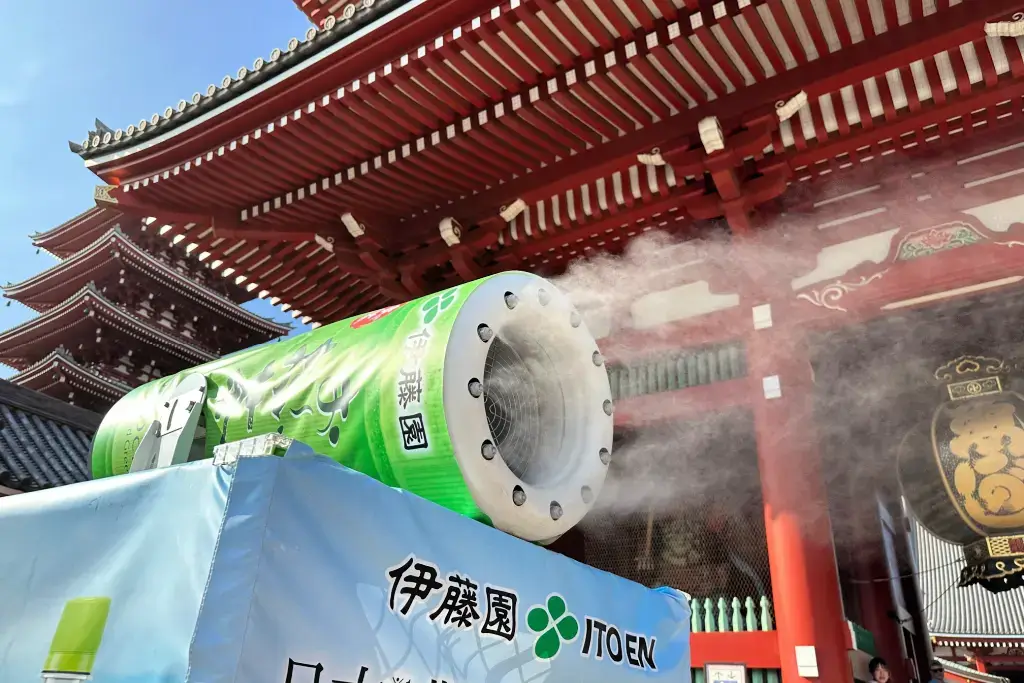
In early August, the city of Isesaki in Gunma Prefecture reached a blazing 41.8°C (107.24°F), matching Japan’s record. For more than a week, dozens of cities across 13 prefectures hit 40°C (104°F) or higher. Out of 153 weather stations, 132 recorded their highest summer averages since recordkeeping began in 1898. From northern Hokkaido to southern Kyushu, the heat showed no mercy.
Experts attribute this record-breaking summer to several factors. A northward shift in the jet stream trapped warm air over Japan, while unusually warm ocean waters made it more difficult for the air to cool. Studies also show that Japan’s summers are lasting about three weeks longer than they did forty years ago. Simply put, the heat now arrives earlier and stays much longer.
What were the effects of this heatwave?
The effects were felt everywhere. Hospitals have seen a rise in patients with heatstroke, especially among the elderly. Farmers struggled as crops like rice and vegetables suffered from the extreme temperatures. Cities faced high electricity use as air conditioners ran nonstop, while festivals were shortened, moved indoors, or canceled altogether.
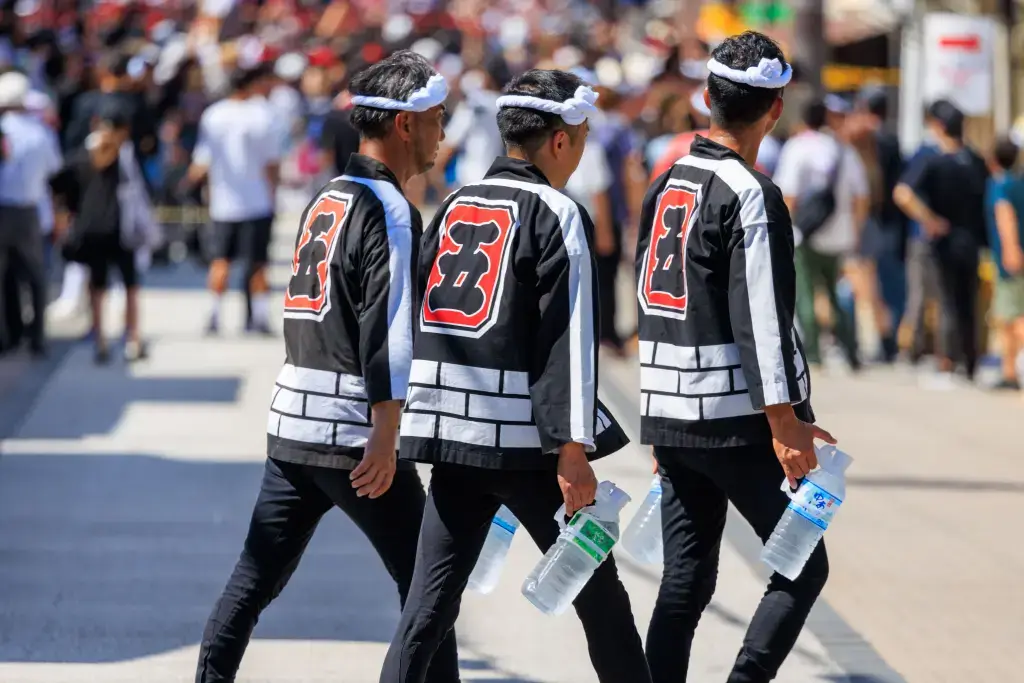
For everyday residents, daily life became a challenge. Commuters carried portable fans and cooling sprays on packed trains. Parents kept children indoors to avoid the dangerous afternoon heat and humidity. Convenience stores sold out of ice packs, sports drinks, and even umbrellas for shade. Many people described sleepless nights as temperatures stayed above 30°C even after sunset, forcing them to keep their air conditioners running around the clock.
The summer of 2025 was not only hot, but it also served as a wake-up call. Japan’s climate is clearly changing, and the country must adapt quickly. As people look ahead, one thing is sure: the “cool, short summers” of the past may soon become a distant memory.
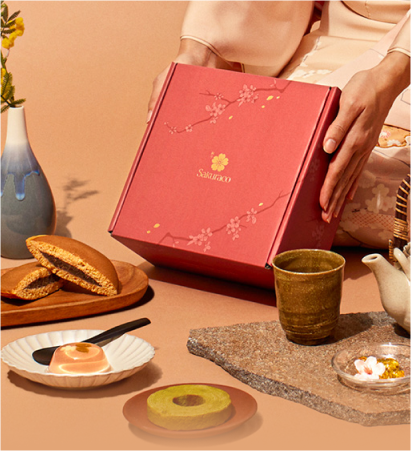
Are you looking for refreshing and unique snacks from Japan? Check out Sakuraco! Sakuraco delivers traditional Japanese snacks, teas, and sweets from local Japanese makers directly to your door so you can enjoy the latest treats from Japan!

Japan’s Fall and Winter Forecast: What to Expect After a Record Summer
After the scorching summer of 2025, Japan is heading into a fall and winter that promise more surprises. Experts from the Japan Meteorological Agency (JMA) warn that fall will be unusually short, and winter may arrive faster than usual. This shift in the seasons is another sign of how Japan’s climate is changing, following the record-breaking heat.
Even in mid-October, some regions felt the lingering warmth, with daytime temperatures climbing above 30 °C (86°F) in spots like Kyoto. But by late November, a strong cold front is expected to sweep across the country, bringing winter-like chill seemingly overnight. Residents may find themselves scrambling to turn on heaters and dig out winter clothes earlier than usual.
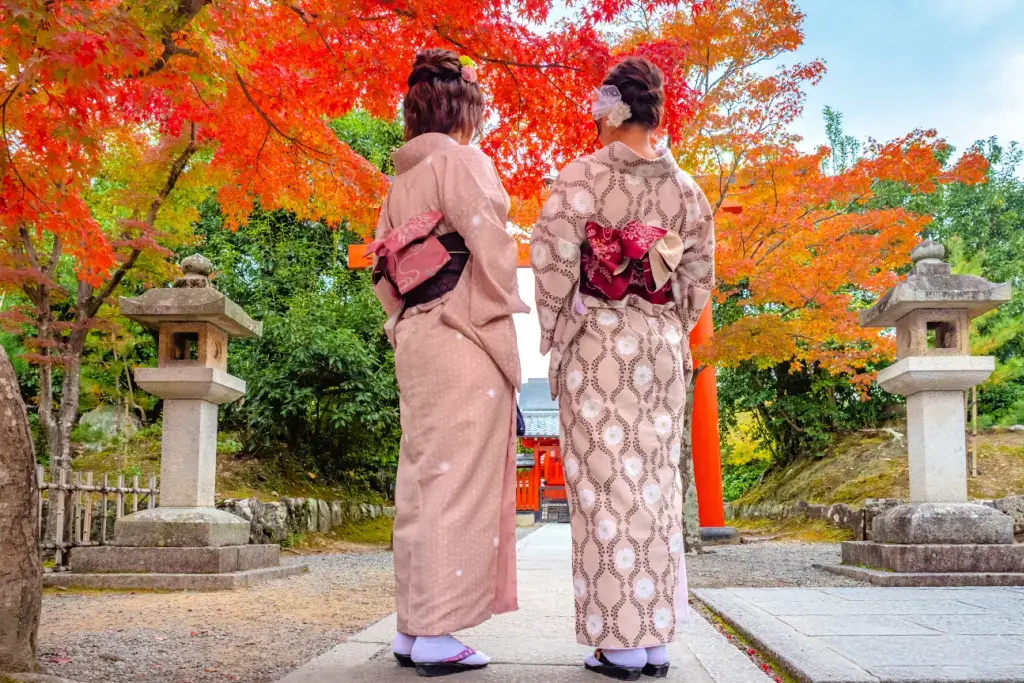
This shift also affects one of Japan’s most beloved seasonal traditions: viewing the foliage. Trees in Kyoto, Osaka, and other famous viewing spots are expected to peak later than usual, possibly stretching into early December. While the colors may be just as stunning, the window to enjoy them could be shorter, forcing both locals and tourists to plan carefully to catch the best views.
Winter itself is predicted to bring average to slightly below-average temperatures, with heavier snowfall along the Sea of Japan coast. With the sudden drop from the lingering heat of early fall, people may experience the cold more sharply than in past years. This could mean early snow, icy roads, and higher energy use as heating systems work overtime.
After going through record-breaking heat, residents are now facing another unusual season. The short fall and sudden winter show just how unpredictable Japan’s weather has become. With the long, hot, and humid days behind them, the next few months will need as much care and preparation as the previous season did.
Why is it important to know about Japan’s summer?
The extreme heat of 2025 underscores the rapid pace of climate change in Japan and emphasizes the importance of staying informed. Such intense warmth affects daily life, from health and energy use to agriculture and seasonal traditions. Long stretches of high temperatures disrupted routines, festivals, and outdoor activities, forcing residents to adapt.
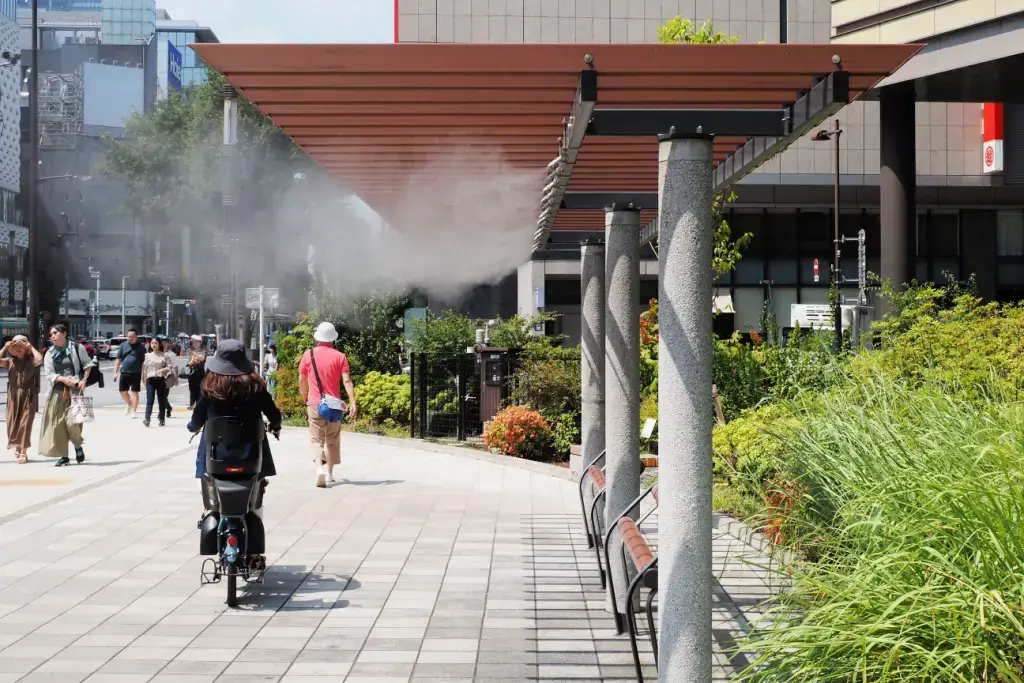
This record-breaking warmth serves as a stark reminder that climate impacts are immediate and tangible. Being prepared is key to enjoying each season and navigating the changing environment with confidence. How was summer like in your country? Let us know in the comments below!
Discover authentic flavors with Sakuraco
Get Sakuraco 
Discover authentic flavors with Sakuraco
Get Sakuraco
Related Articles
Akidearest Talks About Living in Japan & Creating Content
Excerpt
Akidearest shares her journey as a creator, her experiences living in Japan, thoughts on internet culture, favorite anime, and the everyday moments that continue to inspire her both online and offline.
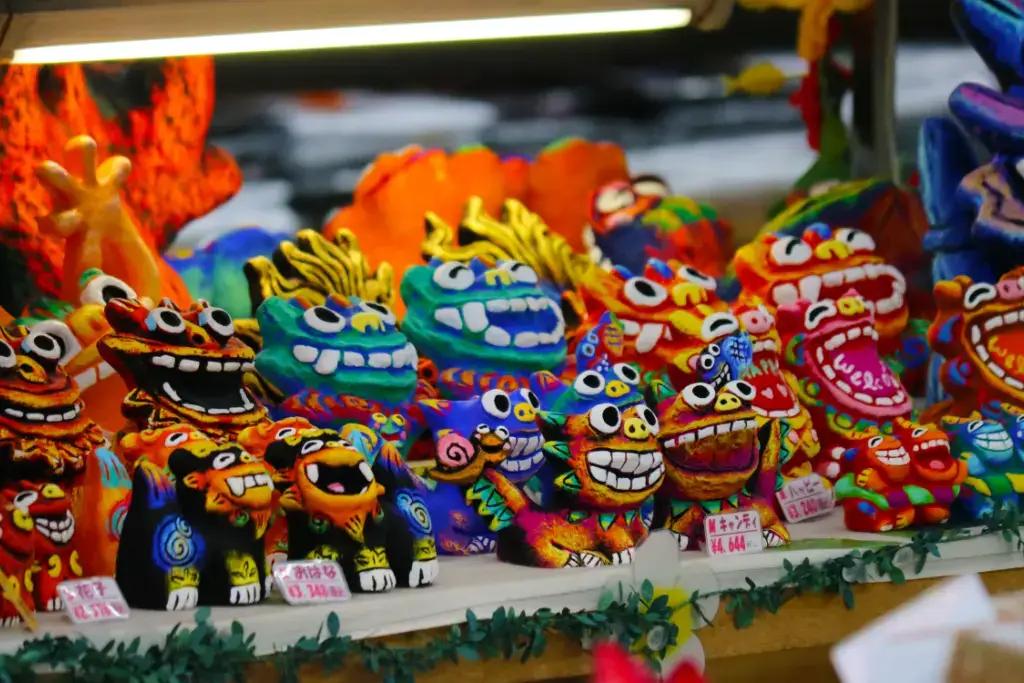
Okinawa Folklore: The Legends of Japan’s Southern Islands
Okinawa is famous for its beautiful beaches, unique culture, and rich history. Located in the southernmost part of Japan, the islands were once the independent Ryukyu Kingdom before becoming part of modern Japan.
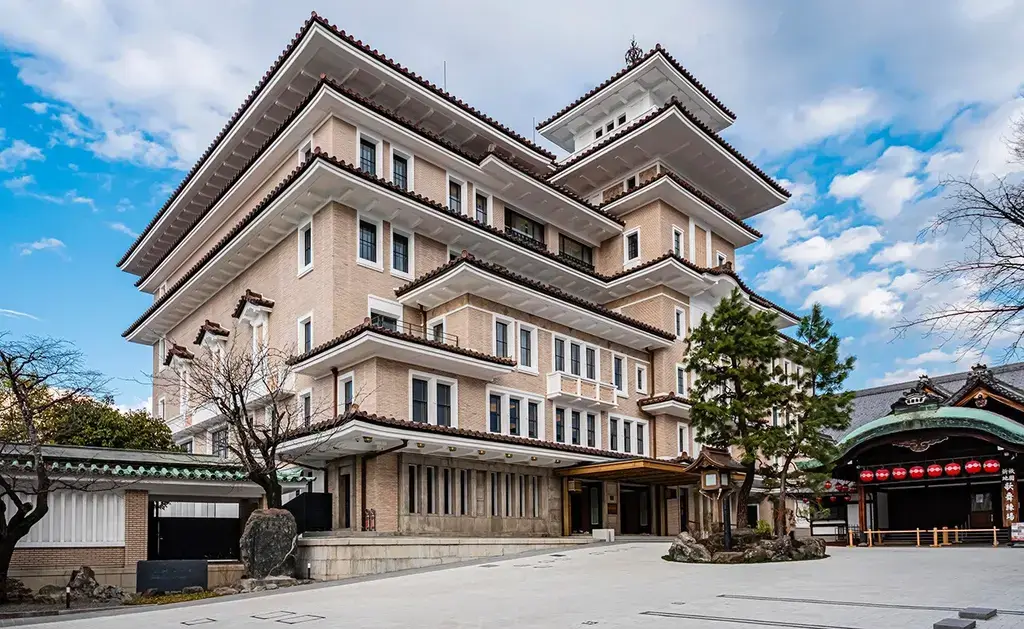
Imperial Hotel Kyoto: A New Chapter for a Historic Gion Landmark
The Imperial Hotel Kyoto represents one of the most significant hotel openings in Japan in recent years. Located in Kyoto’s famous Gion district, the luxury property combines modern hospitality with the preservation of an important cultural landmark.
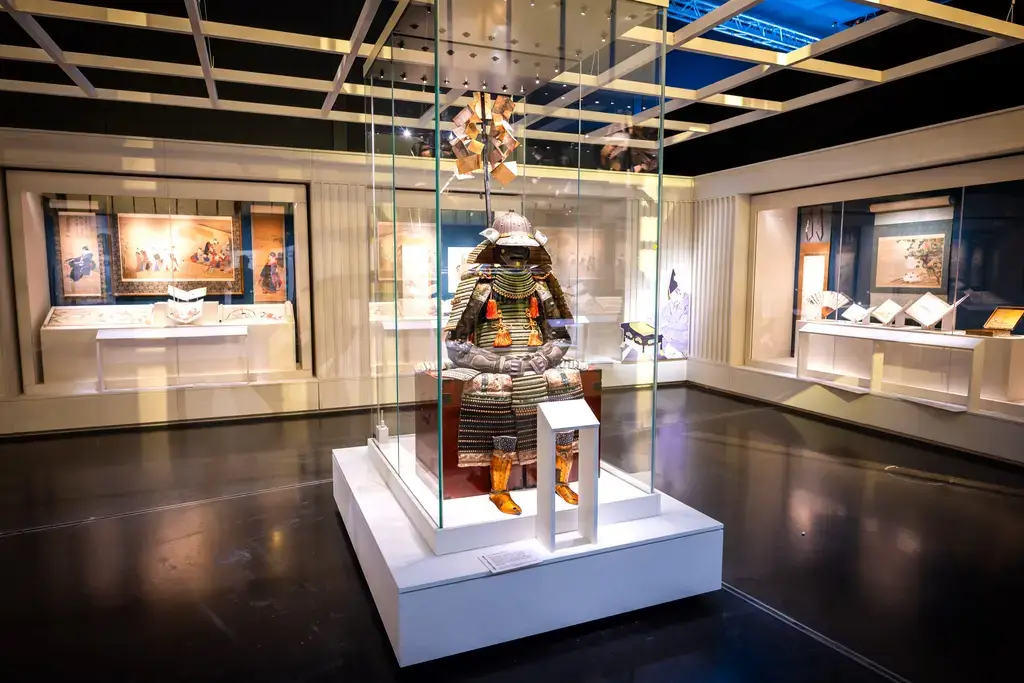
Samurai Exhibit at the British Museum Showcases Complex History
For many people outside Japan, the word “samurai” immediately brings to mind armored male warriors carrying swords into battle. Films, television, and video games have reinforced that image for decades. But the British Museum’s major 2026 exhibition, “Samurai,” presented a broader, more historically layered interpretation of Japan’s warrior class — including the important role women played within it.