


ningyo
Ningyo Dolls and More: Three Best Museums in Saitama City!

Thalia Harris

Posted on October 19, 2023
Share:
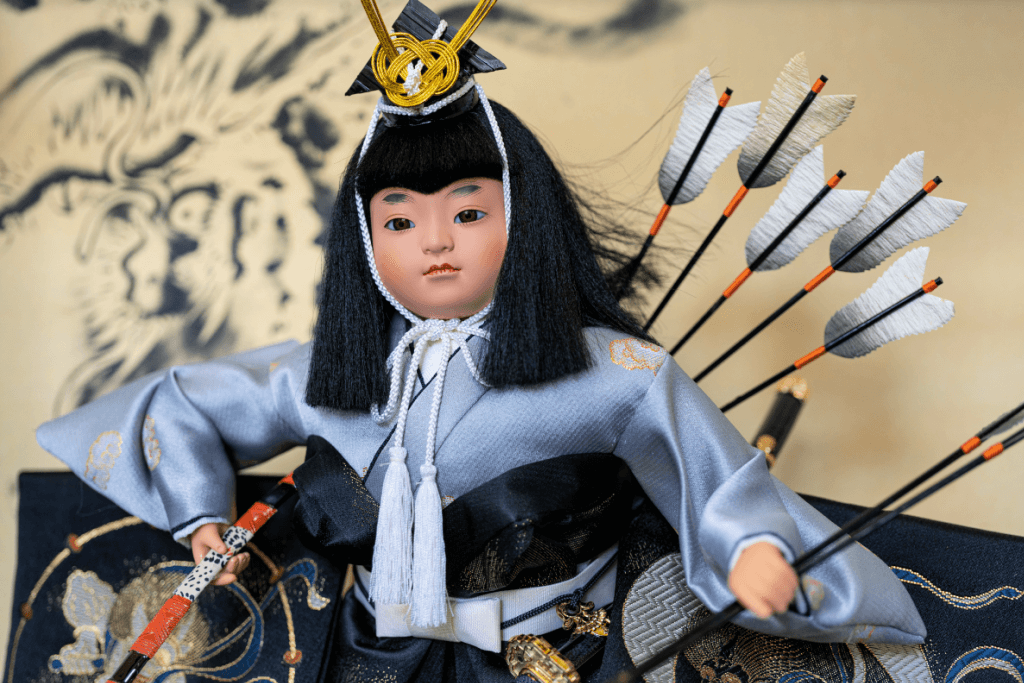
Discover three of Saitama’s museums’ rich tapestry of culture, boundless creativity, and enthralling history, such as ningyo dolls. This vibrant city boasts diverse cultural institutions that beckon you to explore the past, revel in artistic expression, and dive into the heart of Japanese heritage.
Iwatsuki Ningyo Museum
In Saitama City’s Iwatsuki Ward, the Iwatsuki Ningyo Museum is dedicated to Japanese dolls known as ningyo. The museum’s history traces back to Edo when Iwatsuki craftsmen were renowned for making exquisite dolls. Inside, you’ll discover an extensive old-style and modern ningyo collection. It’s like taking a journey through time to see how these dolls have changed over the years.
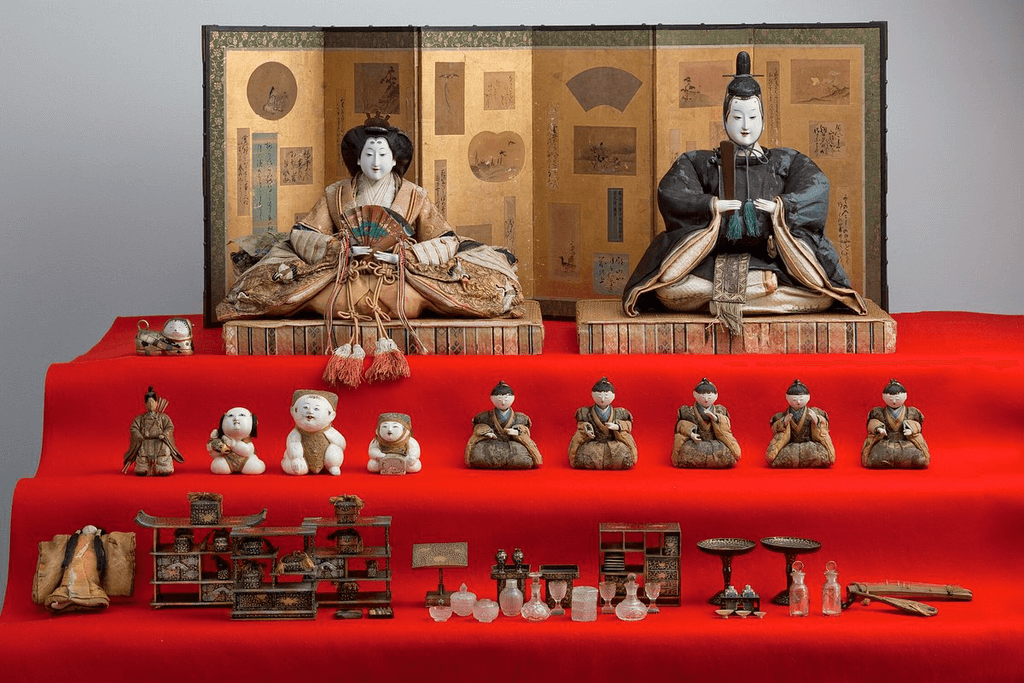
The Iwatsuki Ningyo Museum has a history dating back to 1927, when it was first established. For almost a century, it has been a testament to the tradition of Japanese dolls, showcasing their historical and artistic significance. This museum is now an essential destination for those exploring the world of Japanese doll-making and its cultural heritage.
But the museum is more than just a place to look at dolls. It’s vital for preserving Japan’s culture and supporting local artists. Visitors can learn about the art and traditions behind these dolls. For culture and history enthusiasts, the Iwatsuki Ningyo Museum is an excellent place to explore Japan’s artistic past.
Saitama Municipal Cartoon Art Museum
The Saitama Municipal Cartoon Art Museum is about manga, anime, and pop culture. This museum has been around for a while and is a big deal for people who love illustrated stories. It’s not just for locals; it’s a global hub for fans and creators. Many old and new comics and cartoons show how they’ve changed. You can also see famous characters and the artists who made them.
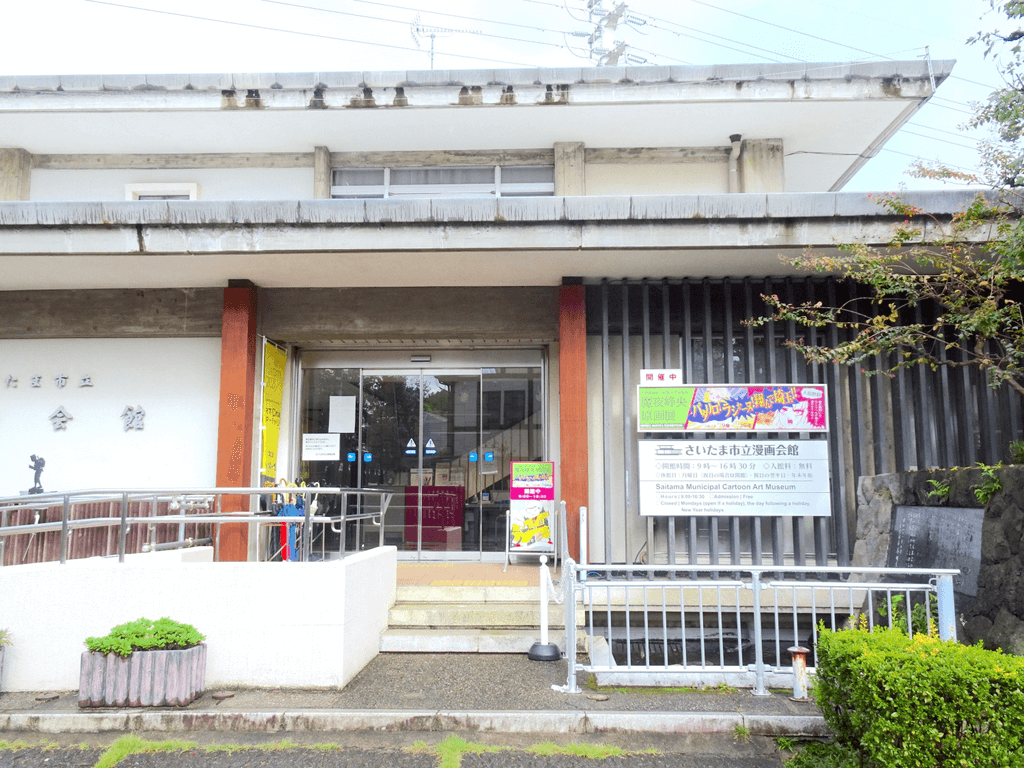
This museum is a must-visit for anyone who likes comics and cartoons and wants to understand their importance in Japan and the world. People from the local community are proud of how well-known Japanese creativity has become. It’s not just for fans but also for artists and anyone who loves art and pop culture. If you’re interested in fantastic artwork, the Saitama Municipal Cartoon Art Museum is a fun place to visit. It’s an excellent spot to learn about Japan’s influence on comics and animation.
Are you looking for snacks to enjoy while touring cultural meccas like Saitama City? Check out Sakuraco! Sakuraco delivers traditional Japanese snacks, teas, sweets, and snacks from local Japanese makers directly to your door so you can enjoy the latest treats directly from Japan!

Omiya Bonsai Art Museum
In the peaceful Omiya Ward of Saitama, you’ll find the Omiya Bonsai Art Museum, a special place dedicated to the ancient Japanese art of bonsai. Bonsai is about growing tiny trees in a way that’s like creating living artwork. This museum helps keep this tradition alive and connects people with nature. It has a beautiful collection of bonsai trees that show how this art has changed over time and can inspire people who love trees and the outdoors.
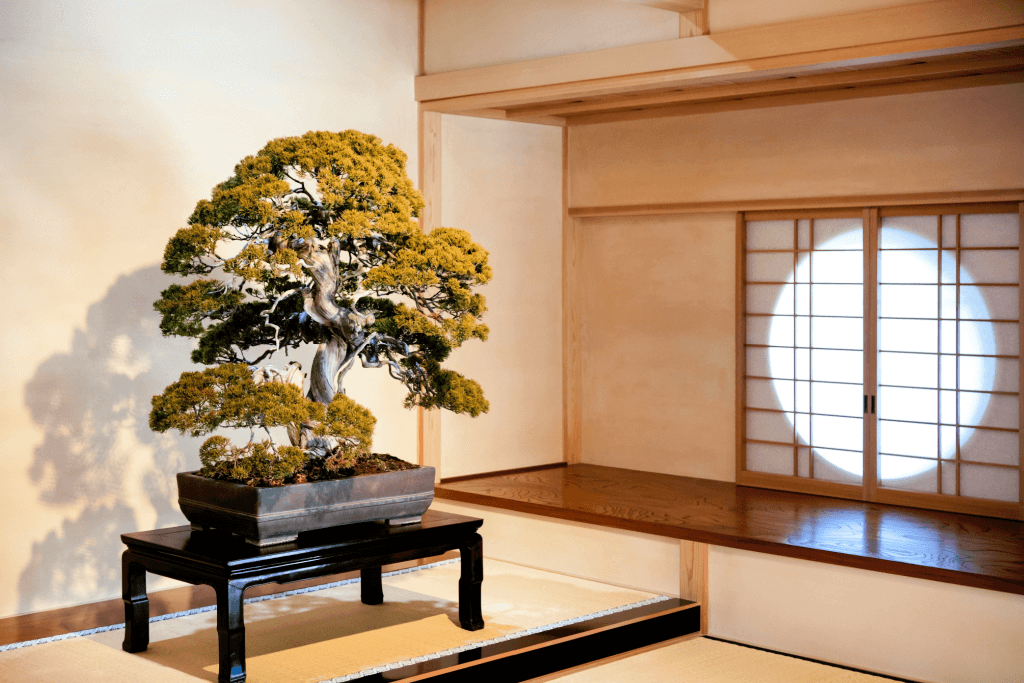
The Omiya Bonsai Art Museum was founded in the year 2010. Since its establishment, it has played a pivotal role in preserving and promoting the art of bonsai, offering visitors a glimpse into the intricate world of miniature landscapes and the profound cultural significance they hold in Japan.
The museum emphasizes the importance of nature in Japanese culture and its connection to the environment. Moreover, it’s a peaceful place for tourists, offering a serene blend of nature and art. If you’re intrigued by bonsai art and seek tranquility in nature, the Omiya Bonsai Art Museum is a must-visit spot to explore these miniature landscapes and find a sense of calm.
Why should I visit these museums?
These museums hold significance for both residents and people worldwide. They serve as bridges, connecting Japanese culture with the global community and vividly illustrating Japan’s creativity and artistry. For those living nearby, these museums evoke a sense of pride and provide a valuable link to our cultural history. They also serve as wellsprings of inspiration for aspiring artists. On the other hand, tourists find in these museums an opportunity to delve deeper into Japan’s rich artistic traditions, all while enjoying moments of serenity.
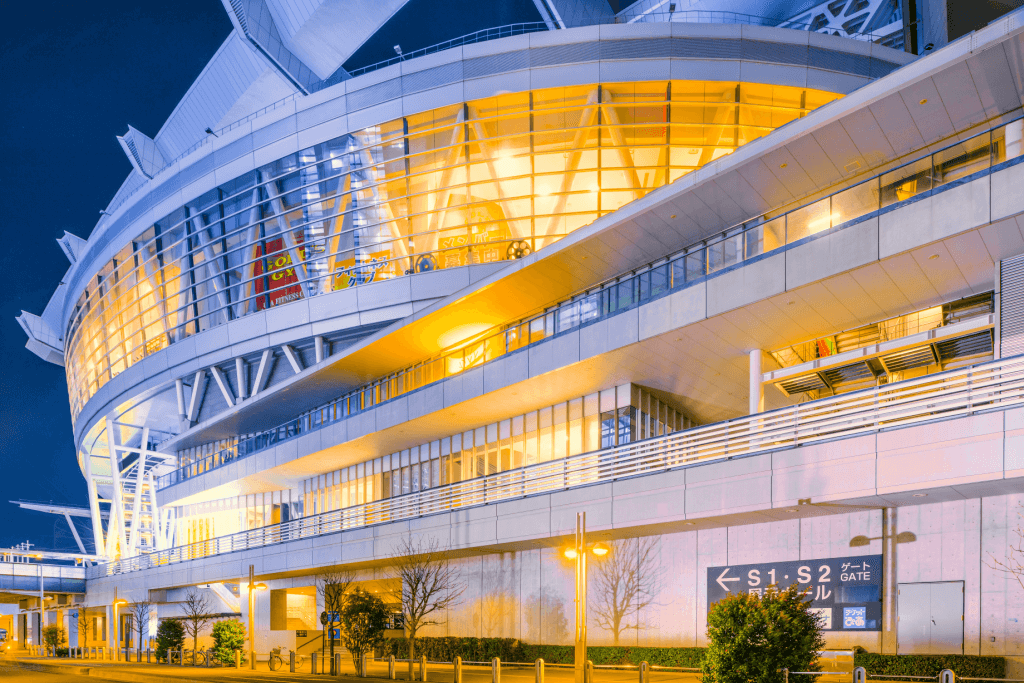
In essence, these museums aren’t merely repositories for art; they act as gateways to cultural exploration, stirring our creativity and facilitating a more profound comprehension of Japan’s art and nature. Each museum offers a unique and enriching experience, extending a warm welcome to all, whether you’re a resident or a curious visitor. We would love to hear your thoughts on these museums and their role in connecting culture and art. Please don’t hesitate to leave your comments below!

Discover authentic flavors with Sakuraco
Get Sakuraco 
Discover authentic flavors with Sakuraco
Get Sakuraco
Related Articles
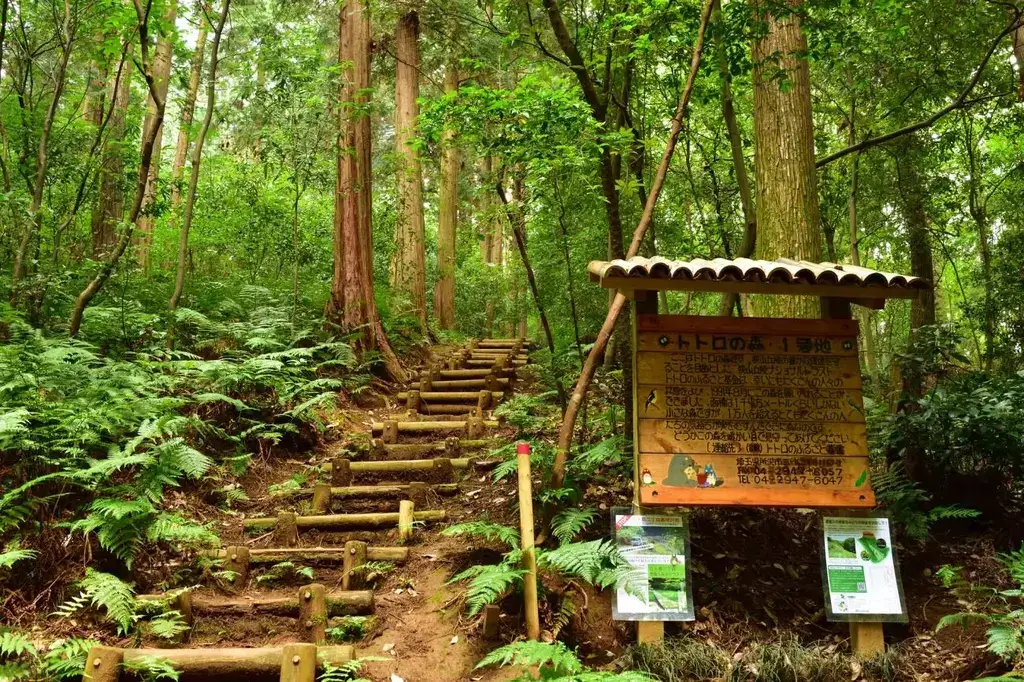
Forest Bathing in Japan: The Ultimate Guide
Japan is known for cultural traditions that promote balance, mindfulness, and a connection with nature. One of the most distinctive is forest bathing, or shinrin-yoku. Despite its name, forest bathing does not involve water.
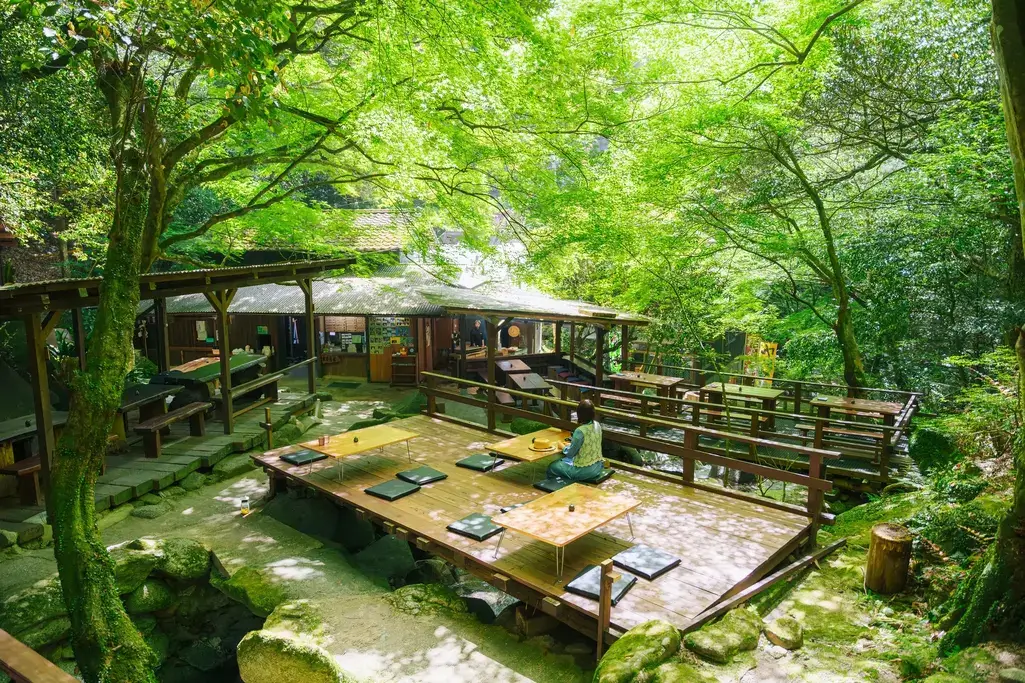
Kawadoko Dining in Japan: A Unique Riverfront Summer Tradition
Japan is home to many seasonal traditions that help people appreciate the changing environment. One of the most distinctive is kawadoko dining, an outdoor dining style that allows guests to enjoy meals beside or above flowing rivers during the warmer months. Known for its cool atmosphere and scenic surroundings, this riverfront dining tradition has become one of Japan’s most memorable summer experiences.
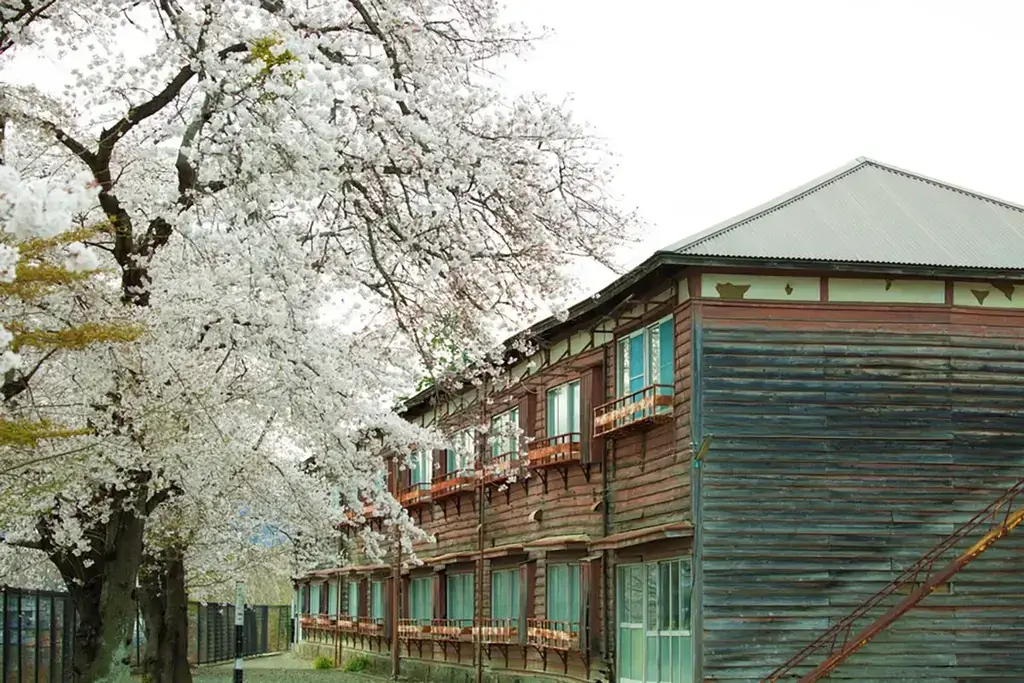
Tomioka Silk Mill: The Factory That Helped Modernize Japan
The Tomioka Silk Mill is one of Japan’s most important industrial heritage sites. Located in Tomioka City in Gunma Prefecture, the mill played a major role in Japan’s modernization during the late 19th century.
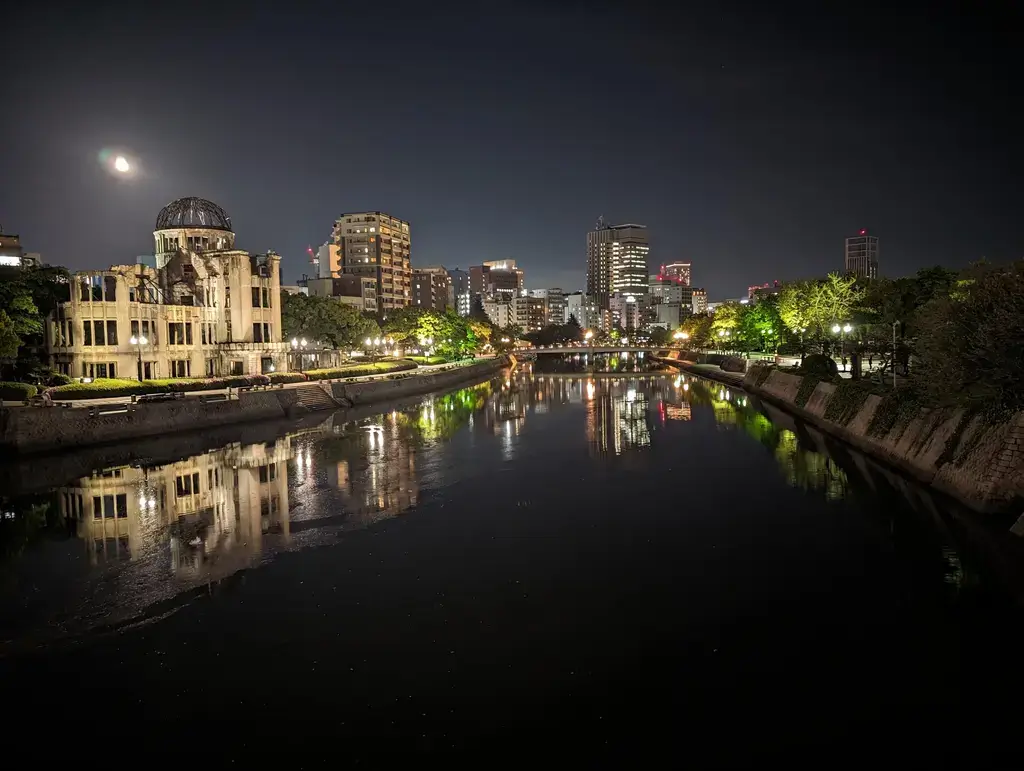
Hiroshima: History, Food, and Scenic Destinations
Hiroshima is one of Japan’s most historically important and culturally rich regions. Located along the Seto Inland Sea in western Japan, Hiroshima Prefecture is known for its history, food, and coastal scenery.