


Japan Ruby Roman Grapes: Features & Prices

Thuy Fang

Posted on October 26, 2022
Share:
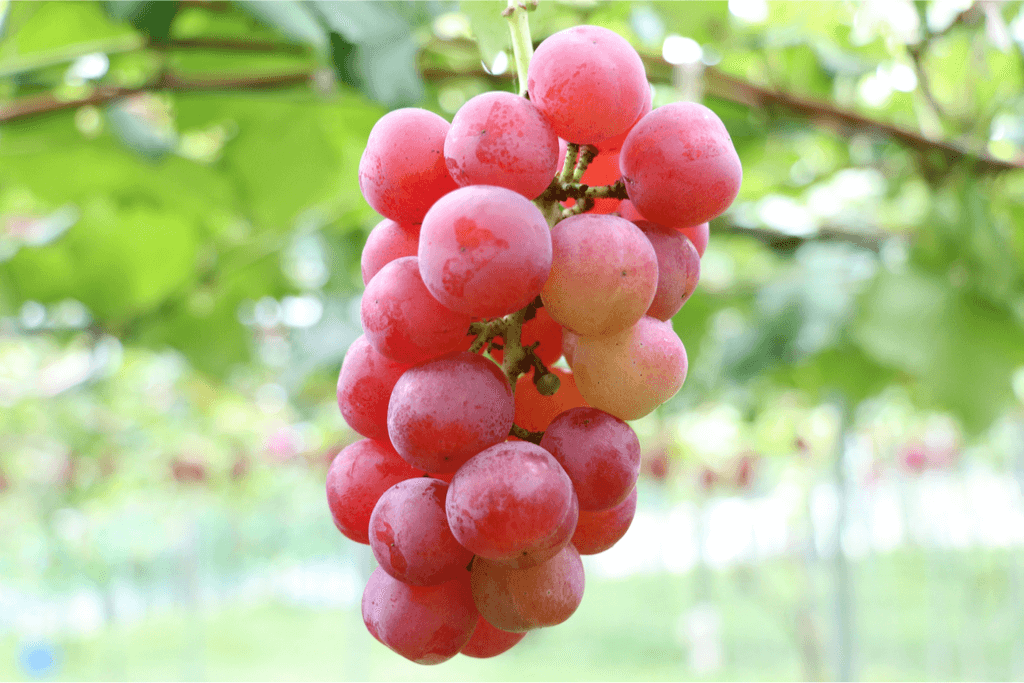
Japan Ruby Roman grapes are among some of the most expensive fruits in the world. These small ruby grapes are even more expensive than the world’s more precious jewelry.
Let’s learn more about Japan Ruby Roman grapes and why so many people treasure them.
Unique Features of Japan Ruby Roman Grapes
The most pronounced feature of Japanese Ruby Roman grapes is their size. Just one can be four times the size of an average grape and if they meet specific color requirements. There is no other variety in the world that is as large and red as the Ruby Roman.
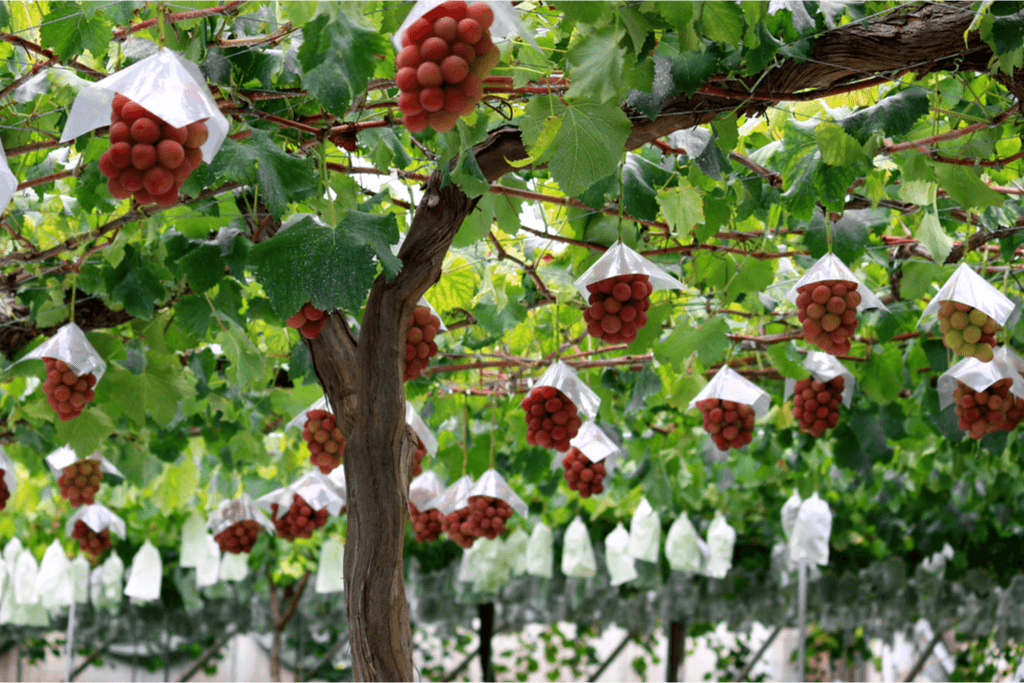
Each individual grape goes through a rigorous screening process using very specific criteria: color, weight, size, and sugar content. Ruby Roman grapes must have a deep red color with each grain weighing at least 20 grams. Also, each grape must be at least 30 millimeters in diameter and have over 18% of sugar content.
Can’t get enough of luxurious Japanese food? Try Sakuraco! Sakuraco sends traditional Japanese snacks, teas, and tableware from local Japanese makers right to your door!

Tiers of Japanese Ruby Roman Grape
For each harvest, “Superior Grapes” make up 90% while “Special Superior Grapes” make up 10%. Superior bunches are between $90 and $140 and for Special superior bunches, the price can vary from $180 to $450.
However, there is a unique category that is even higher than the two–“Premium”. In order to qualify as a “Premium” Ruby Roman grape, every grain has to be at least 30 grams and a single certified bunch can be sold for $1000.
Regardless of the tier of Ruby Roman grapes, they all share a uniquely sweet and juicy flavor. The taste is a combination of fragrant and elegantly sweet with a minimal sour taste. As soon as you peel off the skin, the juice will spill out of the luxurious grape and when you bite it, an explosion of fragrant juice and sweetness will envelop your mouth.
Behind the Fanciness of Japan Ruby Roman Grape
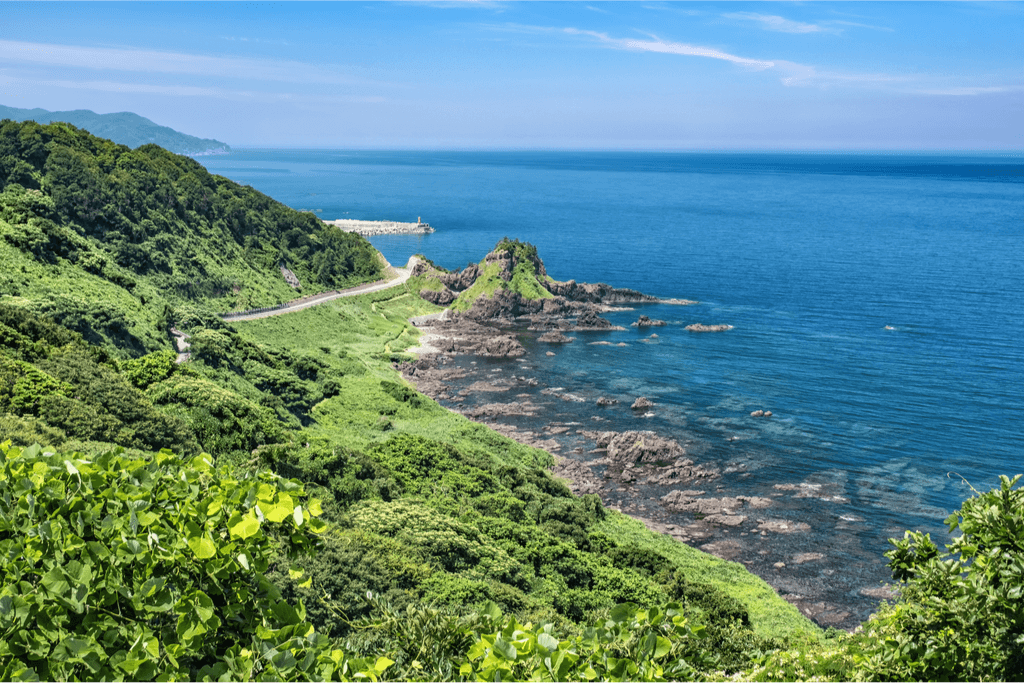
Japanese Ruby Roman grape is exclusively grown in Ishikawa Prefecture and the harvesting season starts in July. The tree grows in greenhouses where farmers can closely monitor the condition of the fruits. Ishikawa is the only place in the world that grows this luxurious fruit.
The farmer manicure each bunch of grapes to ensure their consistent shape and size. Additionally, they monitor the light levels with a proprietary measurement application. This allows farmers to easily care for the grapes using any smartphone. In order to do this, they add or remove any leaves near the vines.
The light level plays a crucial role in the color development of Ruby Roman because if there’s too little light, the grape will turn pale and white. When looking at these elaborate and complex care conditions, it’s surely easy to understand why the price of the precious grape product is exclusively high.
Caring for Ruby Roman Grapes
On top of that, the farmers have to keep the greenhouses temperature under control. They do this by opening all the windows to make sure the air circulates them. Unfortuantely, despite their efforts, not all the grapes wil grow into the succulent bunches we all know and love.
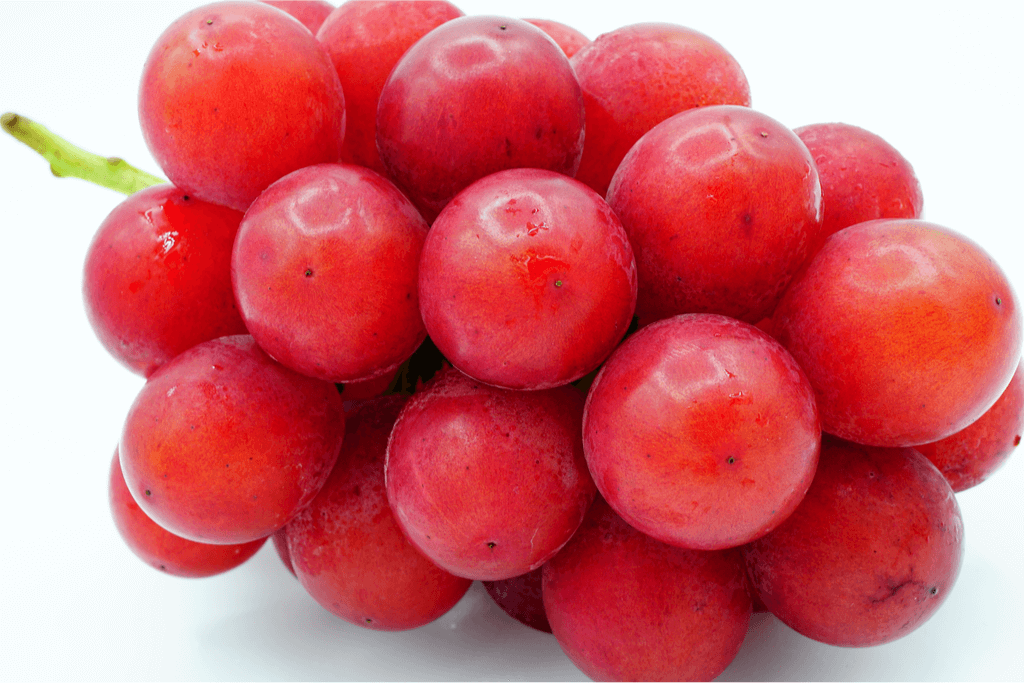
Because all of the delicate care for each bunch requires, the supply is constantly limited. This is also one of the reasons why Ruby Roman is the most expensive grape in the world. In 2020, there were only 25000 Ruby Roman bunches available for purchase. It’s so expensive that in 2020, one bunch was sold at auction for 1,780,140 JPY (12,000 USD). This equates to around 59,338 JPY (400 USD) per grape.
So that’s the overview of Japan Ruby Roman grapes – the world’s most expensive fruit. It’s easy to realize that these type of grapes is not only the savory and sweet fruit to eat but also a premium present that the Japanese usually tend to give to important people or special guests.
Have you ever had Ruby Roman grapes before? How much would you be willing to spend on it? Let us know in the comments below.
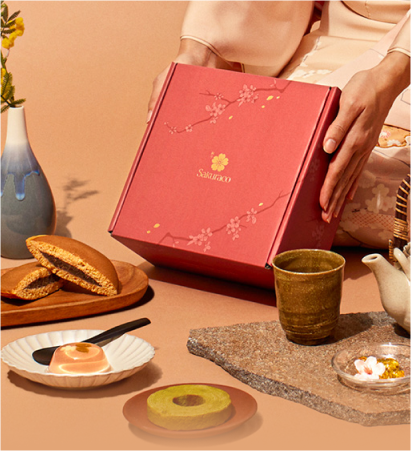
Discover authentic flavors with Sakuraco
Get Sakuraco 
Discover authentic flavors with Sakuraco
Get Sakuraco
Related Articles
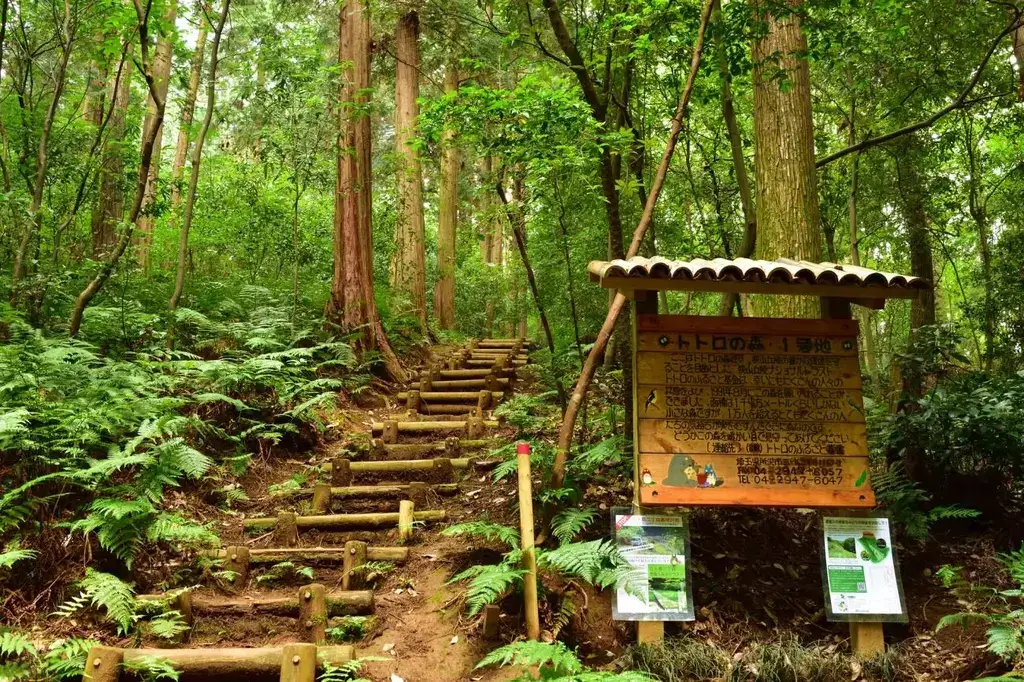
Forest Bathing in Japan: The Ultimate Guide
Japan is known for cultural traditions that promote balance, mindfulness, and a connection with nature. One of the most distinctive is forest bathing, or shinrin-yoku. Despite its name, forest bathing does not involve water.
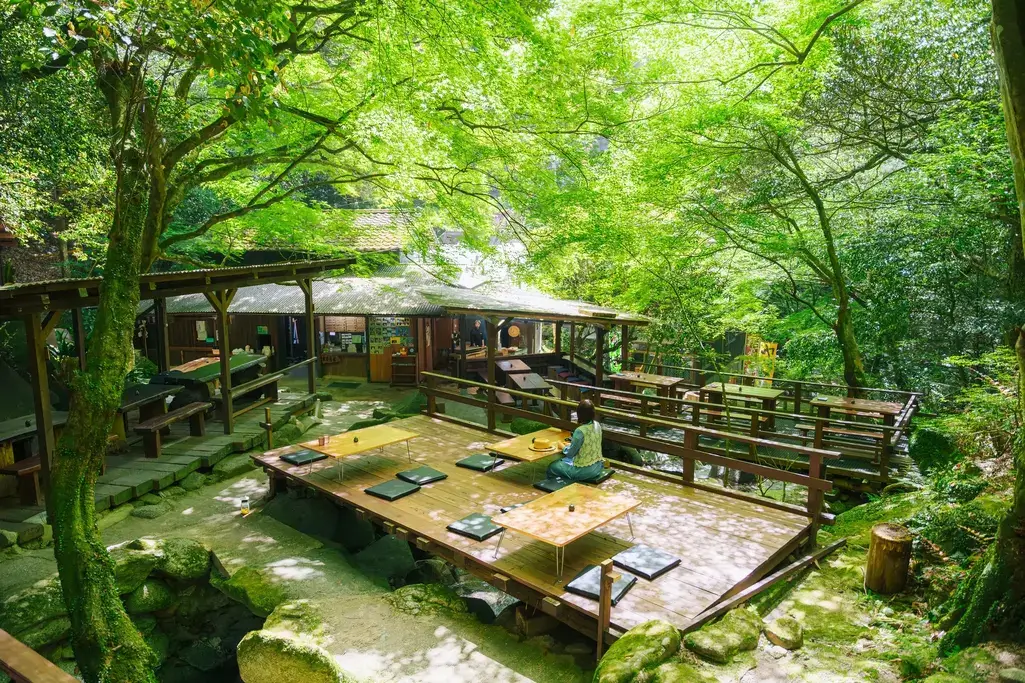
Kawadoko Dining in Japan: A Unique Riverfront Summer Tradition
Japan is home to many seasonal traditions that help people appreciate the changing environment. One of the most distinctive is kawadoko dining, an outdoor dining style that allows guests to enjoy meals beside or above flowing rivers during the warmer months. Known for its cool atmosphere and scenic surroundings, this riverfront dining tradition has become one of Japan’s most memorable summer experiences.
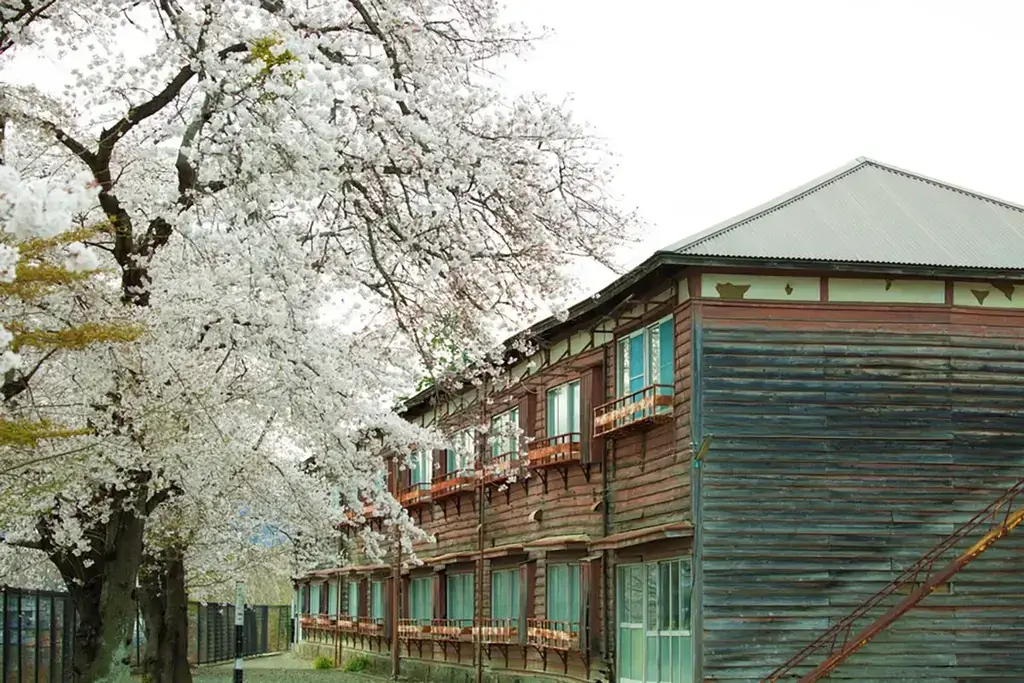
Tomioka Silk Mill: The Factory That Helped Modernize Japan
The Tomioka Silk Mill is one of Japan’s most important industrial heritage sites. Located in Tomioka City in Gunma Prefecture, the mill played a major role in Japan’s modernization during the late 19th century.
Hiroshima: History, Food, and Scenic Destinations
Hiroshima is one of Japan’s most historically important and culturally rich regions. Located along the Seto Inland Sea in western Japan, Hiroshima Prefecture is known for its history, food, and coastal scenery.