


little new year
Little New Year in Japan: Discovering Koshogatsu Traditions

Karina Ikedo

Posted on December 22, 2025
Share:
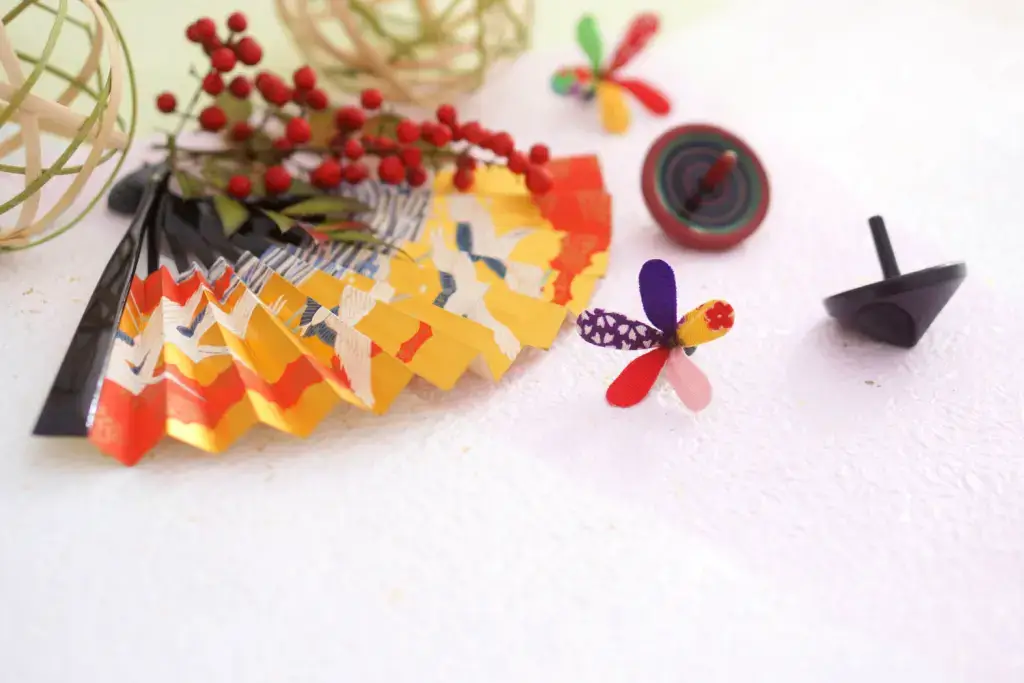
When people think of the Japanese New Year, they typically associate it with January 1st. It’s a time for celebrations, family, special foods, and visits to shrines for hatsumode (first prayer of the year). However, the Japanese New Year doesn’t end on January 1st. Another important celebration takes place soon after, called Koshōgatsu (Little New Year). This lesser-known tradition highlights Japan’s seasonal rhythms, its rich farming history, and its spiritual beliefs.
Understanding Koshōgatsu provides a clearer understanding of the Japanese New Year. It demonstrates how some traditions have evolved, yet continue to hold importance today. These customs continue to shape life in Japan during the winter months. Keep reading to learn how the Little New Year is celebrated and why it still matters today.
The Origins of the Little New Year
Before 1873, Japan observed the New Year according to the Chinese lunar calendar. This calendar was also used in China, Korea, and Vietnam. New Year’s Day fell around mid-February, based on the moon’s cycles. The first full moon of the year was significant; it became known as Koshōgatsu.
Later, Japan moved New Year’s Day to January 1st. Even so, the complete moon celebration stayed important. Koshōgatsu is usually celebrated around January 15th. It marks a turning point in the New Year season. Big New Year celebrations focus on personal luck and fresh starts. Little New Year traditions focus on farming, harvests, and community well-being.
What Koshogatsu Represents
The main Japanese New Year focuses on happiness and success for families. Koshōgatsu focuses on hopes for a good harvest. Farming was once a vital part of daily life in Japan. This tradition shows respect for nature and the seasons. At the center of Koshōgatsu is Toshigami (a Shinto spirit). Toshigami is believed to visit during the New Year. The spirit brings blessings for crops and prosperity.
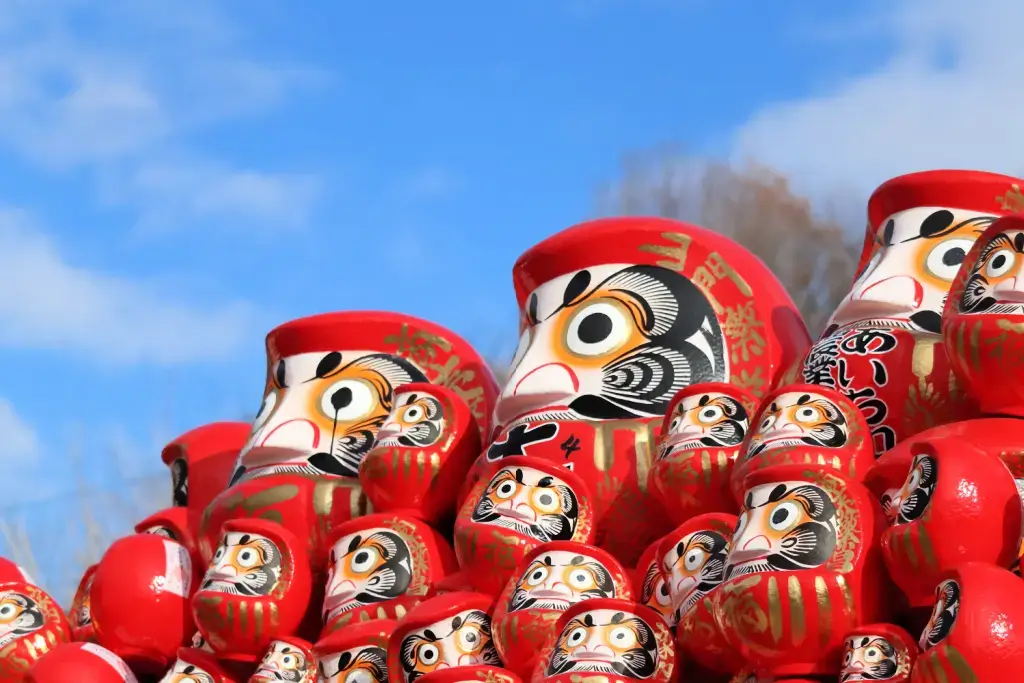
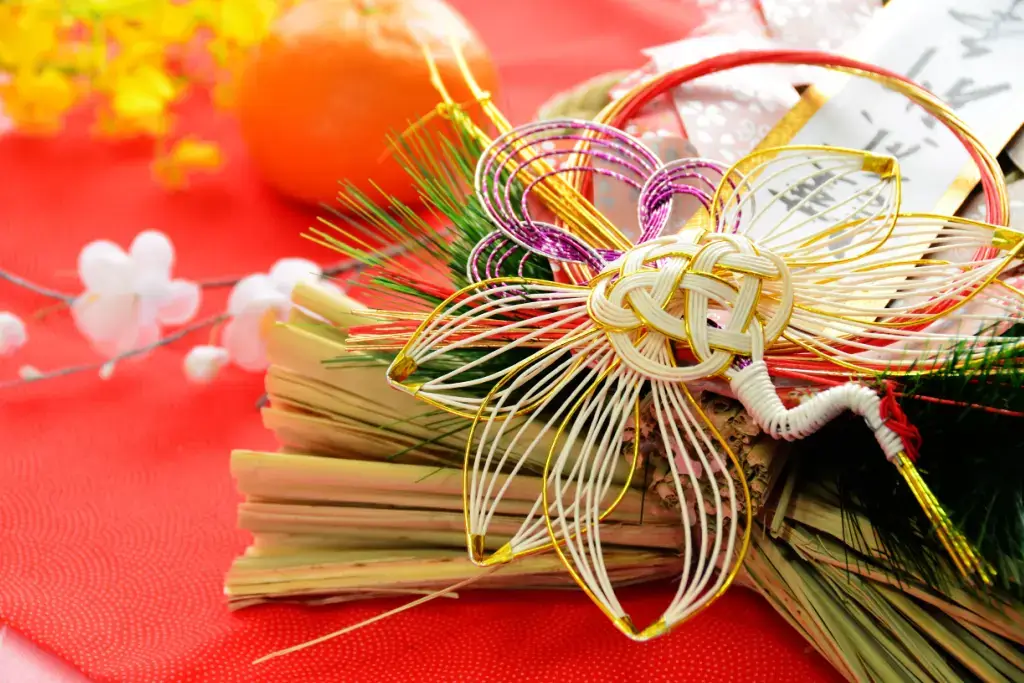
Families prepared special home altars to welcome Toshigami. Altars were decorated with shimekazari (rice straw ropes for purification). Families also offered kagamimochi (round rice cakes), sake (rice wine), and salt. These items showed gratitude, respect, and hope for abundance.
Are you looking for a way to enjoy authentic Japanese treats at home? Then check out Sakuraco! Sakuraco delivers traditional Japanese snacks, sweets, teas, and more from local Japanese makers right to your door!

Food and Rituals of the Little New Year
Food plays a significant role in many Japanese New Year traditions, including Koshogatsu. One famous dish eaten that day is azukigayu (red bean rice porridge). Azukigayu is a simple rice porridge with sweet red azuki beans. People believe this dish brings good health and good luck. In Japanese culture, the color red represents protection and positive energy.
Homes were also decorated with mayudama (rice cake decorations). Mayudama are small, cocoon-shaped rice cakes placed on branches. The branches are usually willow or bamboo. These decorations showed hopes for a strong harvest.
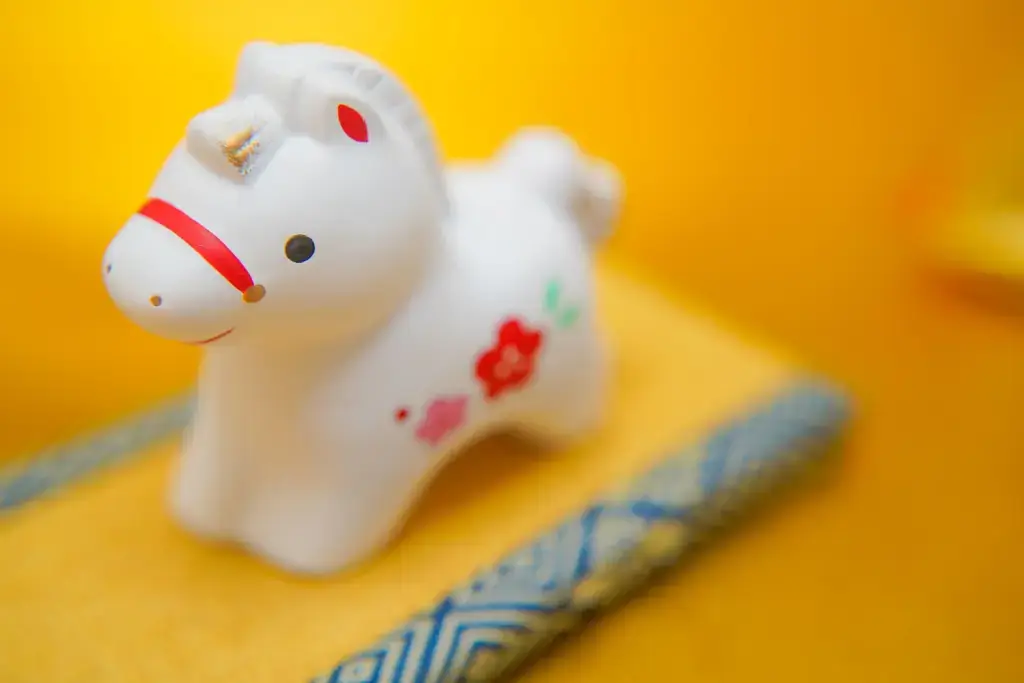
People often added lucky charms to the branches. These included koban (gold coins), tiny sake bottles, or wooden symbols. Another interesting tradition is called toshiura (fortune telling). Thin bamboo tubes were placed in the azukigayu while it cooked. After cooking, people checked how much porridge stayed inside the bamboo; this was used to predict the following year’s harvest.
Little New Year in Modern Japan
Japan is no longer mainly a farming society, but Koshogatsu continues. The tradition is strongest in rural areas, where farming is an integral part of daily life. In these communities, Koshogatsu still has deep meaning. Across Japan, temples and shrines hold Koshogatsu events around January 15. These events include rituals, prayers, and customs that have been passed down for generations.
For visitors, Koshogatsu feels quieter than the main Japanese New Year. It is a time for reflection and calm celebration. In modern homes, Koshogatsu signals the removal of New Year decorations. Shimekazari are removed from doors. This indicates that the festive season has come to an end. Seeing decorations taken down often means the Little New Year has arrived.
Why Koshogatsu Still Matters
The Japanese New Year is more than one day. It is a season filled with meaning and tradition. Koshōgatsu reminds people that celebrations can be quiet and thoughtful. It focuses on reflection, balance, and wishes for health and good fortune. Celebration can be found in shared meals, simple rituals, and time together.
These traditions bring families and communities closer. Learning about Little New Year builds respect for Japanese culture. It helps us see how old customs still matter today. Cultural values can last even as life changes. It encourages people to move forward with gratitude and hope.
By honoring Koshōgatsu, people take time to slow down after the busy New Year. This moment allows for calm reflection before daily life fully begins again. Have you learned about Koshōgatsu before? Which tradition would you like to try someday? Let us know in the comments below!
Cited Sources
- Coto Academy. “The Japanese little New Year: koshougatsu“.
- LIVE JAPAN Perfect Guide. “All About Koshogatsu: Japan’s “Little New Year”’
- The Cultural Hotela. “Koshogatsu (小正月): Japan’s “Little New Year” and the Beauty of Quiet Beginnings”.
Discover authentic flavors with Sakuraco
Get Sakuraco 
Discover authentic flavors with Sakuraco
Get Sakuraco
Related Articles
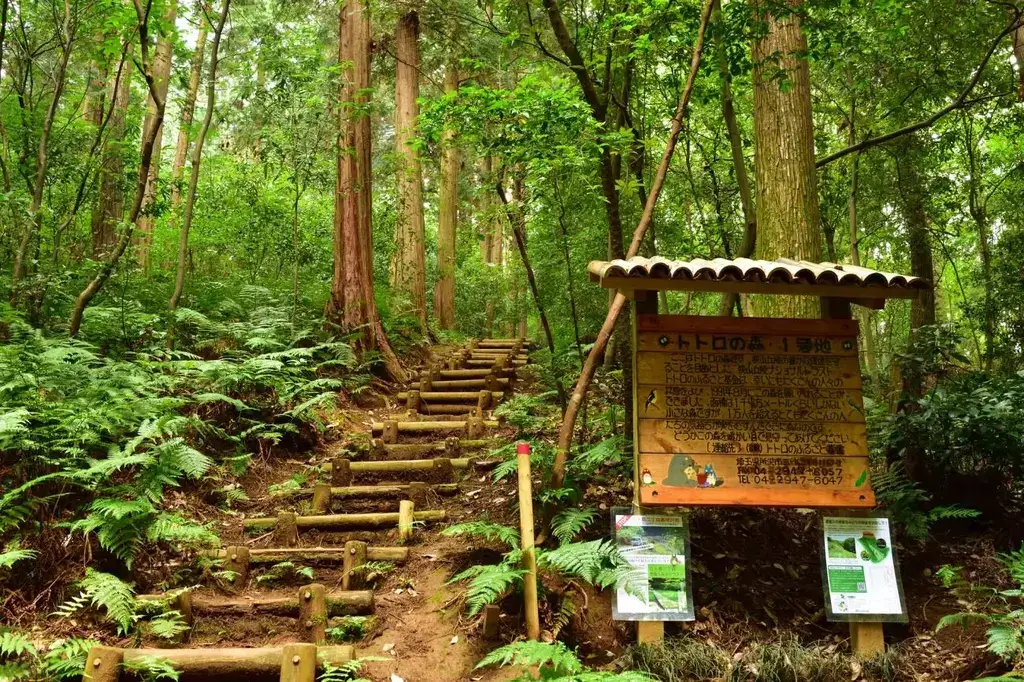
Forest Bathing in Japan: The Ultimate Guide
Japan is known for cultural traditions that promote balance, mindfulness, and a connection with nature. One of the most distinctive is forest bathing, or shinrin-yoku. Despite its name, forest bathing does not involve water.
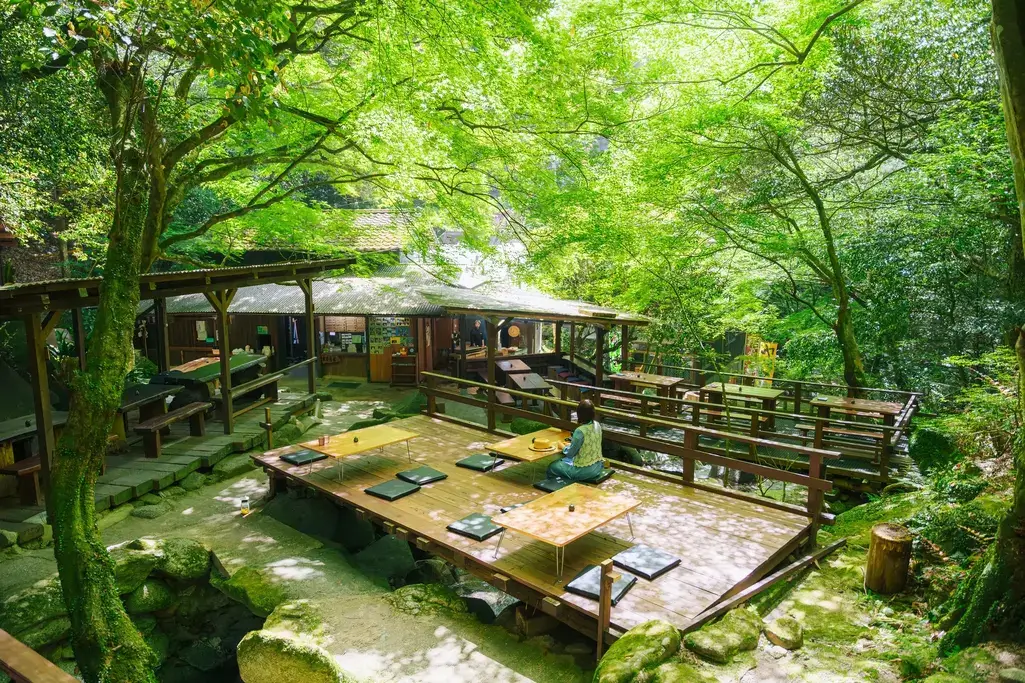
Kawadoko Dining in Japan: A Unique Riverfront Summer Tradition
Japan is home to many seasonal traditions that help people appreciate the changing environment. One of the most distinctive is kawadoko dining, an outdoor dining style that allows guests to enjoy meals beside or above flowing rivers during the warmer months. Known for its cool atmosphere and scenic surroundings, this riverfront dining tradition has become one of Japan’s most memorable summer experiences.
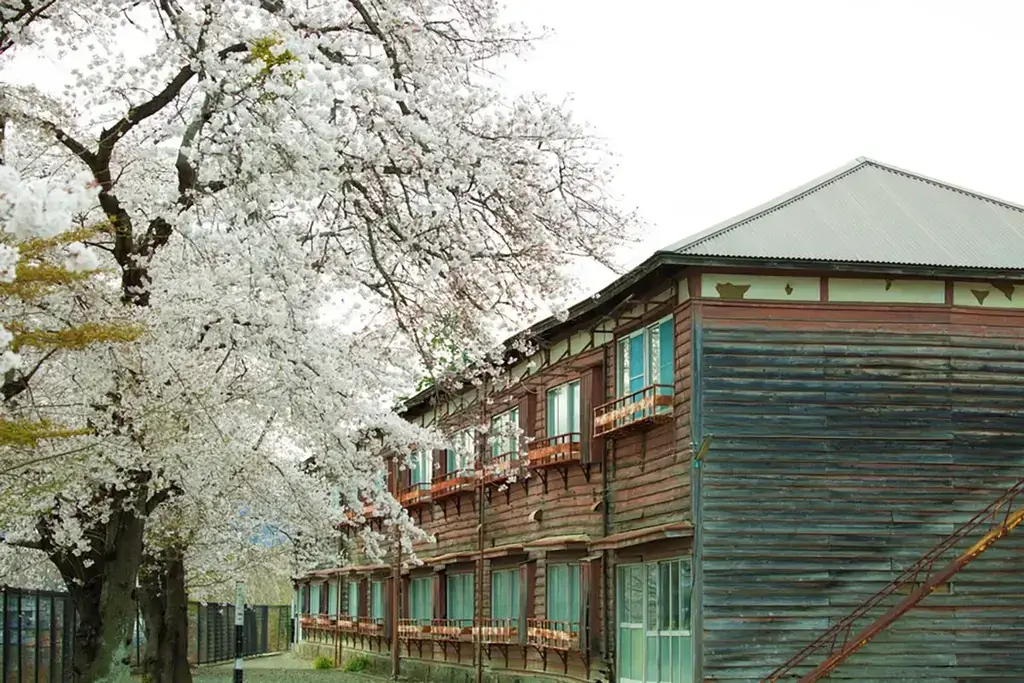
Tomioka Silk Mill: The Factory That Helped Modernize Japan
The Tomioka Silk Mill is one of Japan’s most important industrial heritage sites. Located in Tomioka City in Gunma Prefecture, the mill played a major role in Japan’s modernization during the late 19th century.

Hiroshima: History, Food, and Scenic Destinations
Hiroshima is one of Japan’s most historically important and culturally rich regions. Located along the Seto Inland Sea in western Japan, Hiroshima Prefecture is known for its history, food, and coastal scenery.