


Izu Islands: Tokyo’s Hidden Volcanic Treasures

Tokyo Terry

Posted on December 24, 2025
Share:
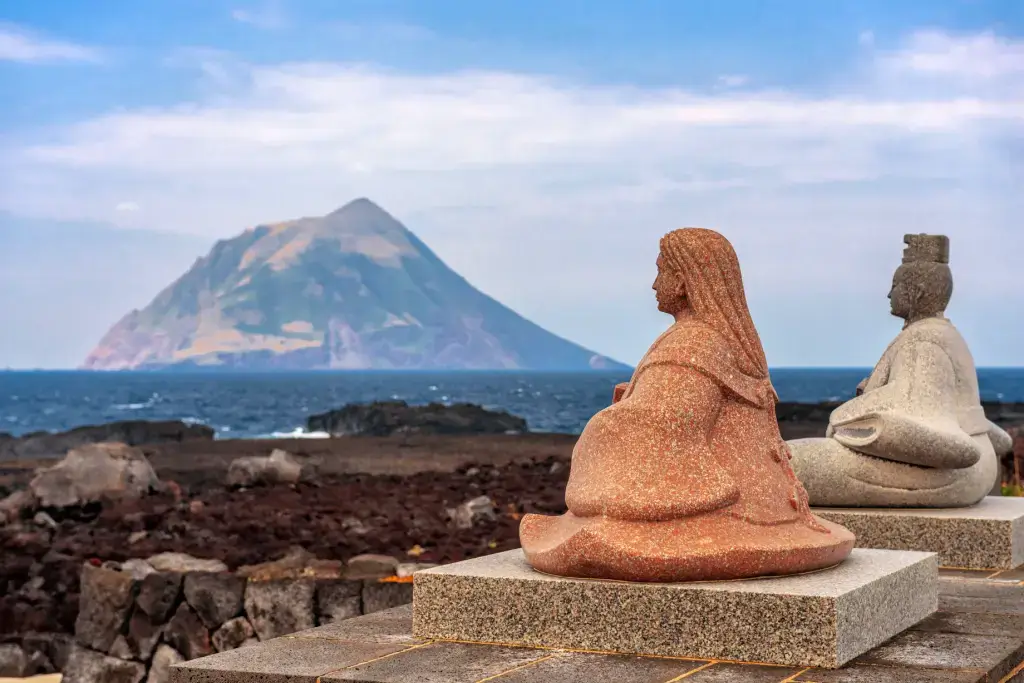
There are remote spots that offer escapes from urban life all over Japan. But perhaps none have the same combination of convenience and solitude as the Izu Islands. This chain of nine emerging from the sea just south of Tokyo was shaped by ancient eruptions. They boast rugged coasts and fertile soils that nurture unique flora. Their isolation has also helped preserve a distinct culture throughout the centuries.
The closest is only a few kilometers from the capital. Still, it feels more like Okinawa than Tokyo: Vibrant festivals and crafts add color to daily life, and crystal waters break onto pristine sands under starry skies. How did the Izu Islands manage to retain their tropical feel? Today, we will learn about this archipelago and explore its history, natural wonders, and attractions.
Geography and Nature
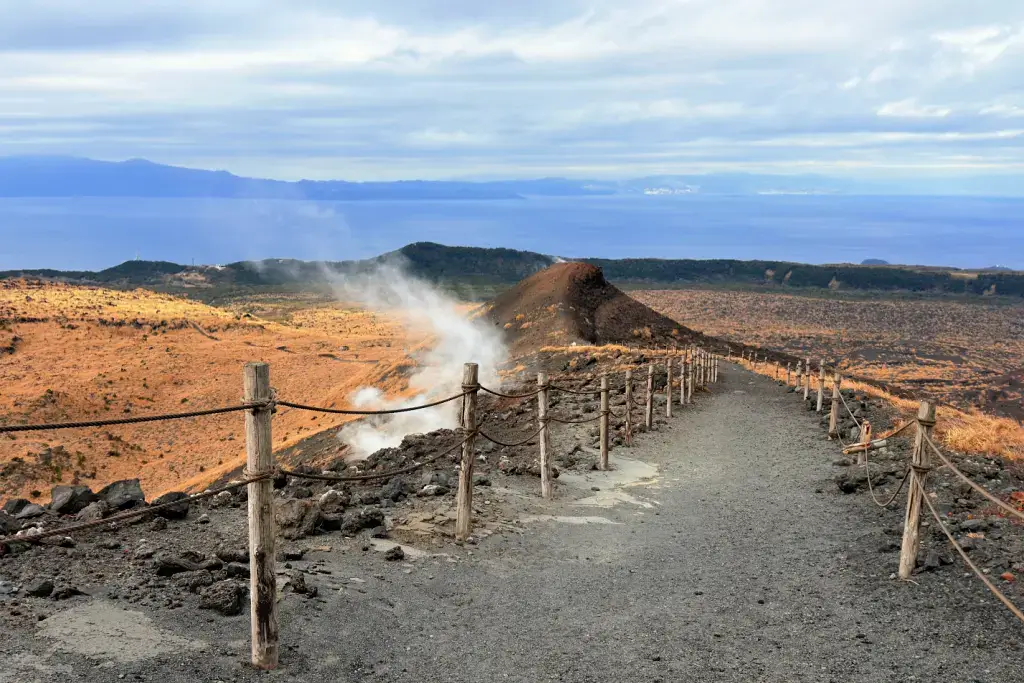
The Izu Islands stretch over 300 kilometers from Tokyo out into the Pacific Ocean. They were formed over millions of years by the volcanic activity under the region’s seas. Active volcanoes, such as Mount Mihara on Oshima, continue to shape the terrain. Black lava fields appear barren, but break down into rich soil. The forests that cover them are supplied with water by the marine winds that constantly sweep over the hills, supporting a diverse array of ecosystems. The surrounding seas are fed by nutrient-rich currents, making them ideal habitats for marine life.
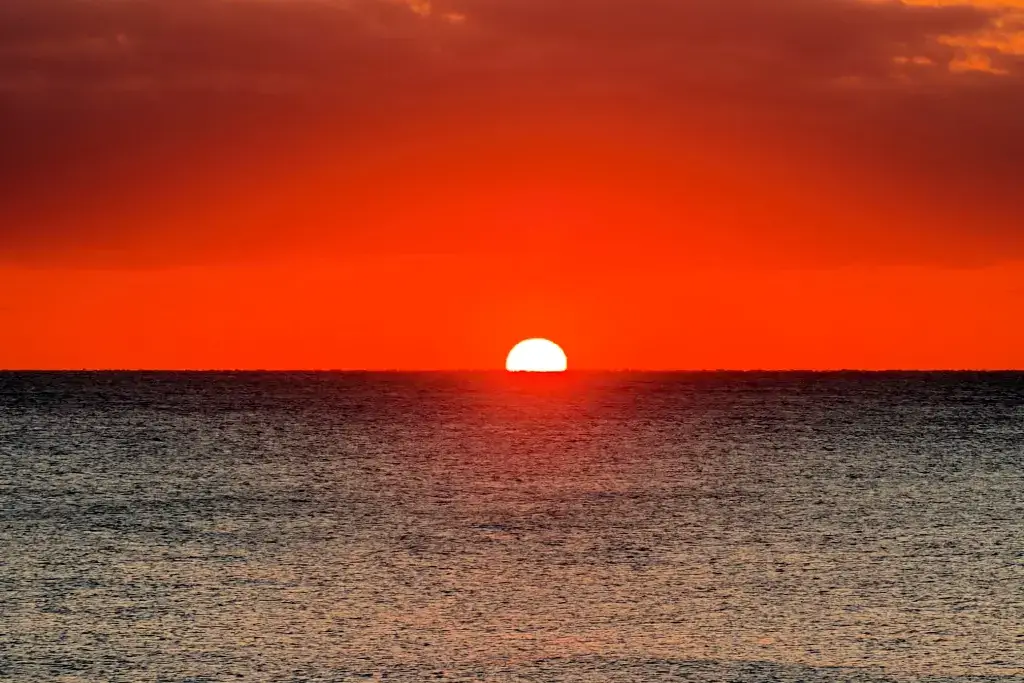
The rocky group and the surrounding seas are part of Fuji-Hakone-Izu National Park, which is renowned for its striking fauna and geological features. Hot springs bubble from geothermal sources, and beaches offer the choice of white coral beaches or dark, black sands. Numerous hiking trails wind through the mountains, offering panoramic views.
The History of the Izu Islands
The first people settled these shores approximately 10,000 years ago during the Jomon Era (14,000 BCE – 350 BCE). Excavations on Oshima have uncovered ancient burial sites filled with obsidian artifacts, which support this claim. Other archaeological sites contain pottery and tools, indicating that hunting and gathering were standard practices during this period. Centuries later, the archipelago became known as the Izu Kingdom.

A bustling trade industry developed with the mainland. Trading reached its peak in the Edo Era (1603-1868), when the islands regularly supplied resources, such as camellia oil, to Tokyo. They then officially became part of Japan and were incorporated into the larger Izu Province. Mishima in eastern Shizuoka Prefecture was its official capital. Throughout history, they also served as places of exile for ousted political figures.
Are you looking for great snacks from interesting places in Japan? Check out Sakuraco! Sakuraco delivers traditional Japanese snacks, teas, and sweets from local Japanese makers directly to your door so you can enjoy the latest treats directly from Japan!

Culture and Traditions
The local religion is its own form of Shinto beliefs, developed over centuries of isolation. Each island has evolved its own dialect, which is actively preserved by the communities. Traditional festivals honor sea gods, seeking safe voyages, successful fishing, and protection from the ocean’s fury.
There are also other rarer events, such as the annual “bull sumo” (ushi-tsuki or togyu) on Hachijojima. The dances at these festivals have been passed down through the generations, centered on rhythmic drums. Art encompasses activities such as weaving local plants into valuable items and producing silk fabrics dyed with natural pigments. Finally, the cuisine features fresh seafood specialties, such as kusaya (fermented fish), as well as vegetables grown in the rich, volcanic soil.
Top Places to Visit
The name “Izu Seven Islands” (“Izu Shichito”) refers to the seven main islands that were continuously inhabited during the Edo period: Oshima, Toshima, Niijima, Kozushima, Miyakejima, Mikurajima, and Hachijojima. However, the archipelago officially comprises more than a dozen islands today. Each member of the group boasts its own unique attractions: Oshima stands out as the largest and most accessible in the chain.
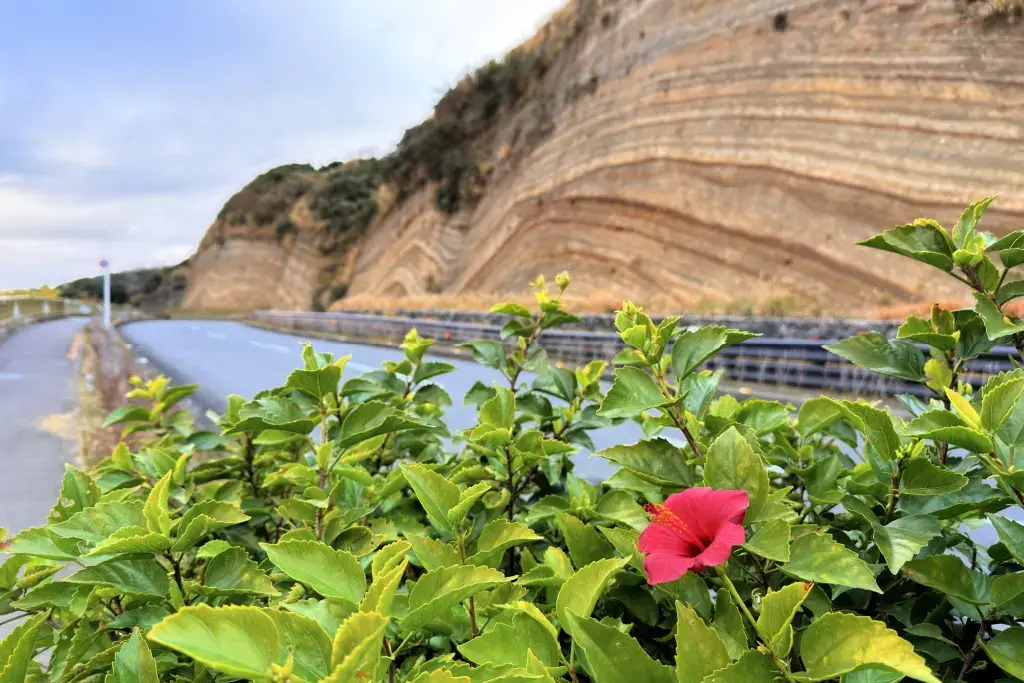
Its central volcano recently erupted in 1986. Travelers visit to witness the contrast of bright camellia flower gardens against the dark landscape. Niijima boasts prime surfing waves along its coast, and Kozushima is renowned for its clear night skies, which are ideal for stargazing. Hachijojima’s subtropical climate is the perfect weather for exotic fruits, and it is surrounded by coral reefs, which make for excellent diving. Aogashima’s double caldera volcano attracts the more adventurous traveler with its rugged landscapes.
Travel Tips and Activities
You can access the Izu Islands by ferry or plane from Tokyo. Jetfoil boats take about two hours to Oshima, but be sure to check the ferry schedule updates for weather delays. Flights depart from Haneda Airport. Despite its small size, there are several activities to choose from. Snorkeling and diving may be the most sought-after activities.
The warm weather means that hiking is possible year-round, allowing visitors to pack lightly and comfortably. Wildflowers carpet the slopes in winter and spring. Autumn is less crowded, and the less humid winter air makes for clear panoramic views. Entry to the park is free, but guided tours cost approximately 5,000 yen ($32.09). For a more relaxing time, it is possible to rent bikes and explore the coastal paths.
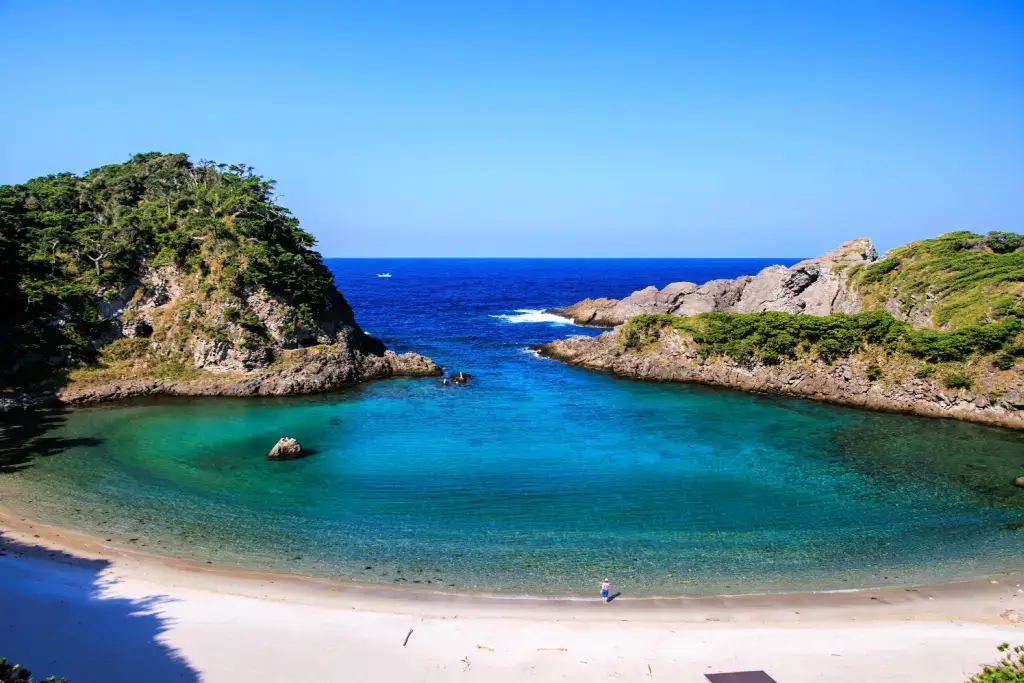
Why are the Izu Islands popular?
The Izu Islands are popular due to their isolated yet accessible nature. Despite being separated from the mainland by a large body of water, they can easily be accessed by both boat and plane. Both forms of transportation arrive at the destination in just a few hours. Yet, their remote location fosters a laid-back and authentic way of living, despite being part of Tokyo.
Once there, the natural landscape differs considerably, and the small size of the islands and surrounding ocean creates a feeling of solitude. The Izu Islands offer an easy way to feel like you’re visiting a different country, yet only a short distance away from the city. Have you explored the Izu Islands yet? Share your top experiences or tips in the comments below! Let’s start a conversation about these hidden gems!
Cited Sources
- Japan National Tourism Organization. “Izu Islands“.
- Visit Tokyo. “Izu & Ogasawara islands (Bonin islands) travel guide“.
- Japan Nature Guides. “The Izu Islands.“

Discover authentic flavors with Sakuraco
Get Sakuraco 
Discover authentic flavors with Sakuraco
Get Sakuraco
Related Articles

Japanese History Spotlight: Who Was Niijima Yae?
Niijima Yae stands among the most remarkable figures to emerge from Japan’s transition from the late Edo period to the modern Meiji era.
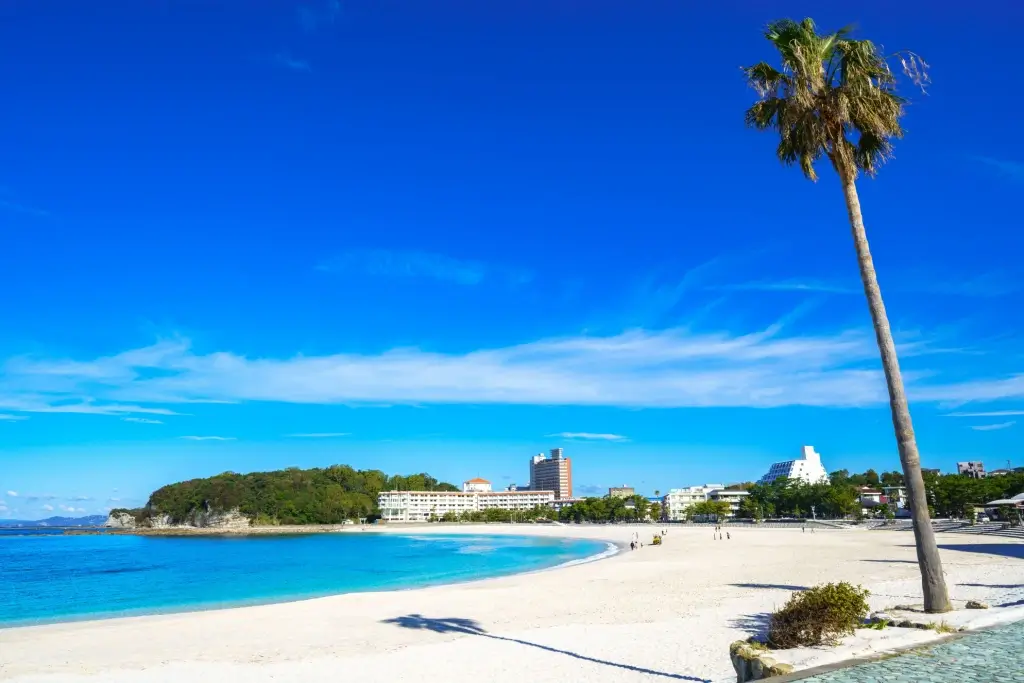
Wakayama Prefecture: Best Tourist Sites to Visit
Wakayama Prefecture has long served as a pilgrimage route and a resource-gathering area in Japan. This still holds true today. Its mountains, coastlines, and sacred grounds still draw people to the area for the same reasons. But today, it also supports modern tourism alongside its traditional fishing and spiritual communities.
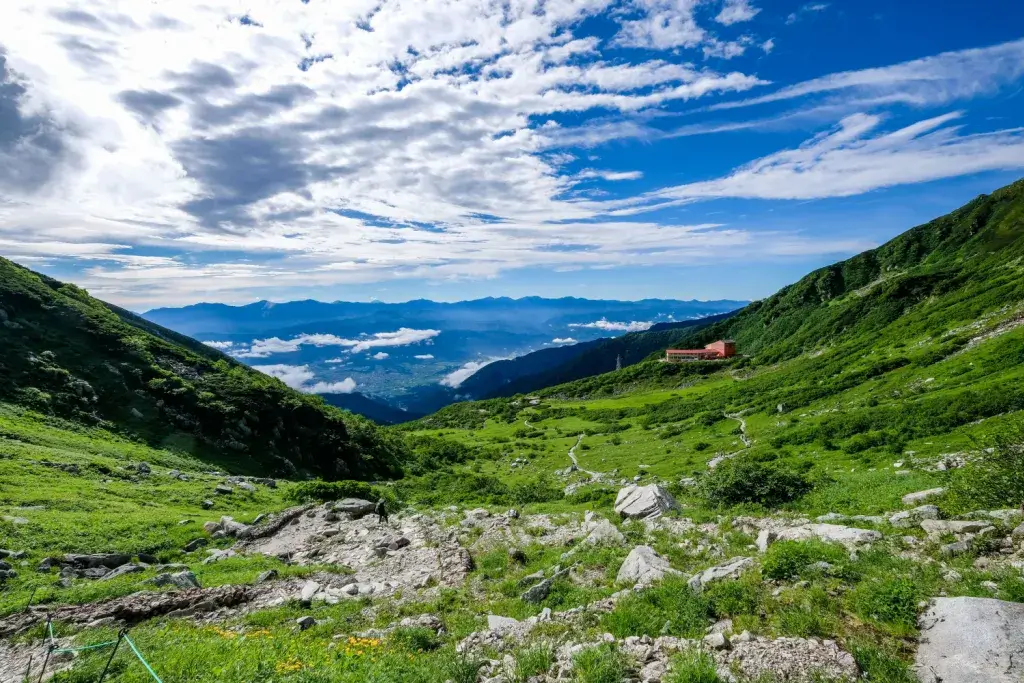
Traveling to Kiso Valley: Why Should You Visit?
Long ago, this quiet region was one of Japan’s main travel routes, connecting people, timber, and knowledge across the country. Today, we’ll explore five sites in Kiso Valley, each with its own story and charm.

Lavender in Japan: Places to Enjoy Purple Fields
Japan’s seasonal plants and trees bring color to the country each year. However, it may surprise you to know that some of the most popular are not native Japanese plants at all. Lavender is one such seasonal flower that blankets landscapes during the summer months.