


okinawa, valley of gangala
Okinawa Locations: What is the Valley of Gangala

Tokyo Terry

Posted on February 24, 2026
Share:
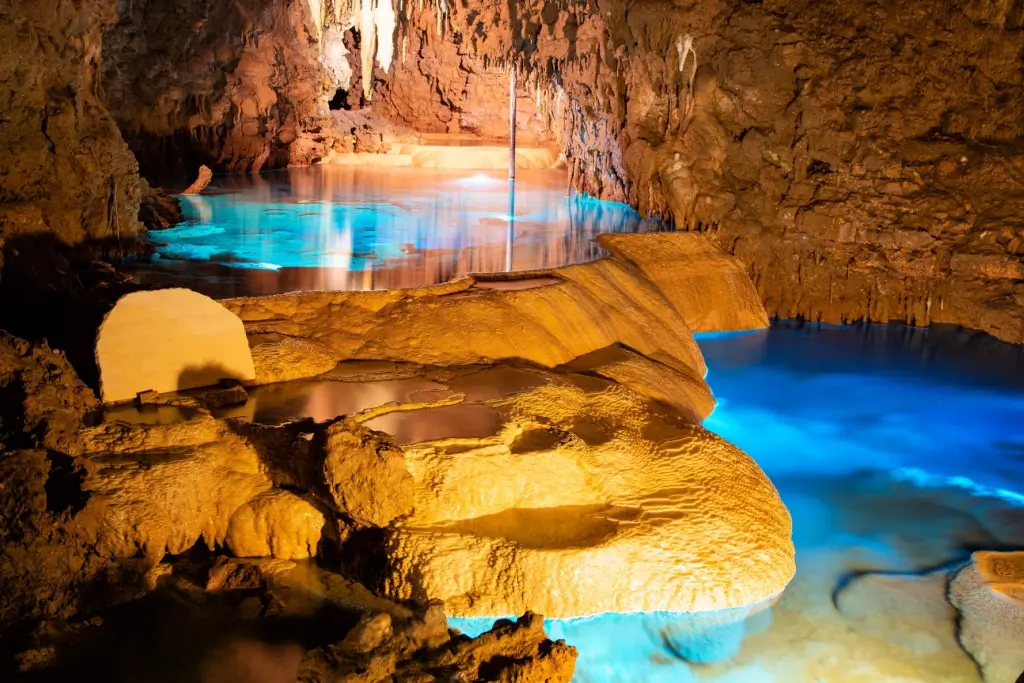
Okinawa’s human history stretches back tens of thousands of years, and its lush landscape hides ancient sites where early people lived and prayed. The Valley of Gangala is one of the most fascinating Okinawa locations. This dramatic valley and its limestone caves contain a mix of prehistoric remains and sacred prayer spots. Even the trees themselves hold spiritual importance, and are believed to house the very souls of those who have come before.
But, in addition to its great significance, visitors can still walk through this attraction’s lush forest on paths that literally wind back through time. What draws people to this hidden gem in Okinawa? Today, we’ll explore the Valley of Gangala, its discoveries, natural wonders, and spiritual traditions, and learn why it remains such a powerful place today.
What is the Valley of Gangala?
The Valley of Gangala is an archaeological and natural site located in Nanjō City, on the southern tip of the Okinawa main island. Its formation began hundreds of thousands of years ago when the Yūhigawa River flowed underground, carving a vast limestone cave system. When the roof collapsed, it created a 48,000-square-meter hole stretching along the river. Over the millennia, it has become a lush, green valley, home to a subtropical forest. But this Okinawa location is not only known for its natural beauty, and the unique manner in which it was created. Gangala is also an outdoor museum.
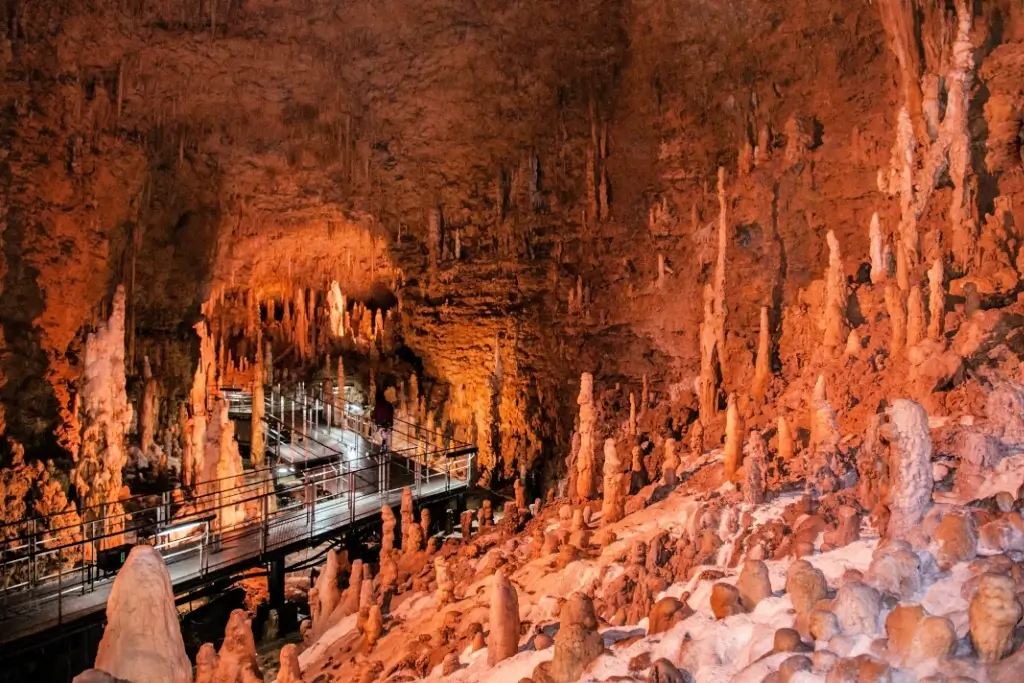
How is Gangala important to Archaeology?
This ancient Okinawan site contains traces of human activity dating back to the Paleolithic Era (3.3 million years ago). Digs at Sakitari Cave within the valley have uncovered bones, tools, and pottery fragments. One of the most amazing objects discovered was the world’s oldest known fishhook, dating back about 23,000 years. Moreover, this artifact links this Okinawa location to the Minatogawa people, some of the earliest inhabitants of Okinawa in Asia.
What is Gangala’s Ryukyuan history?
After prehistoric times, the valley continued to be inhabited by the ancient Ryukyuans. This group of people inhabited the islands from Taiwan to Kyushu, including Okinawa, well into the 19th century. Gangala was also used by the native Ryukyuans as a prayer site for millennia, but there are no remains of shrines or other ancient buildings in the valley. Instead, the natural features themselves became places of worship, so sacred caves line both sides of the river.
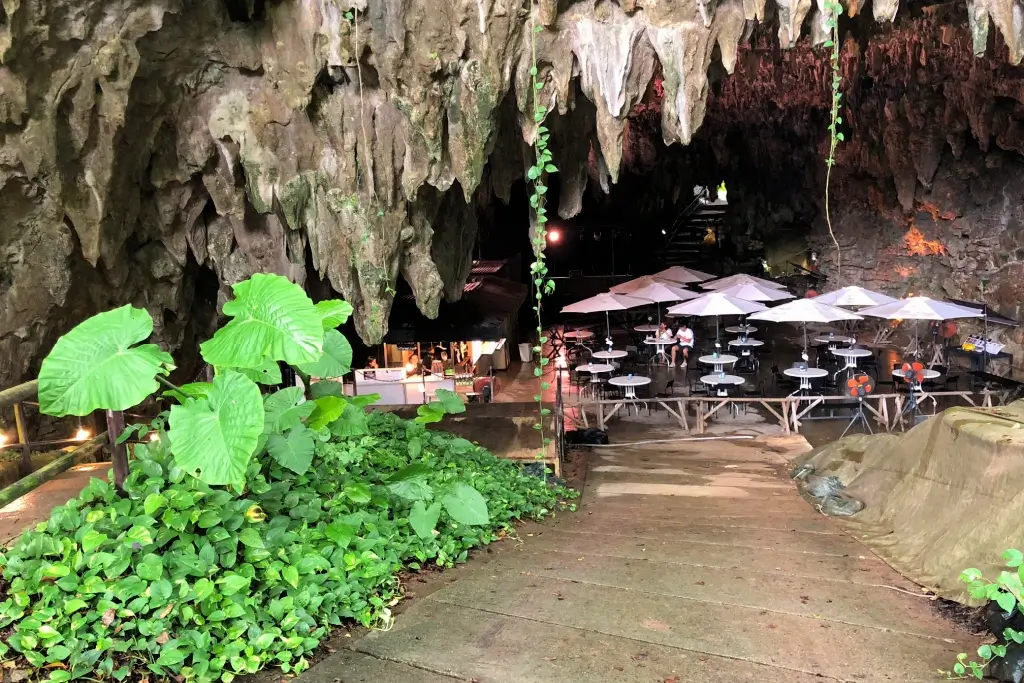
The Sacred Gangala Caves
Two of these caves in particular inspired ancient fertility rituals and are especially revered in Ryukyu spiritual beliefs: Inagu Cave and Ikiga Cave. Inagu Cave is associated with prayers for good marriages and safe childbirth. Meanwhile, Ikiga Cave serves as a site for prayers about birth, life growth, and children’s health. Followers still offer prayers today, honoring forces beyond human control, such as kami spirits and sacred groves (utaki).
Are you looking for great snacks from unique places in Japan? Check out Sakuraco! Sakuraco delivers traditional Japanese snacks, sweets, teas, and more from local Japanese makers right to your door!

The Famous Banyan Tree and Its Relationship with Okinawa Locations
Because of the valley’s humid air makes it perfect for subtropical plants, creating a dense, green canopy. The standout feature is the Ufushu Gajumaru, a massive 150-year-old banyan tree. Situated on one of the steep cliffsides, its aerial roots cascade down like thick ropes. They also blend seamlessly into the trunk and are strong enough to pierce concrete, symbolizing nature’s resilience and power. Locals call it the “master” or “lord” of the valley and believe it is a sacred tree that contains spirits.
How can I visit Gangala?
Access is only allowed as part of a guided group. This is due to the site’s significant importance and the risk of cave collapse in some areas. They begin at the Cave Café in Sakitari Cave, where visitors learn about ongoing excavations. The walk itself passes the great banyan tree and offers views of limestone features.
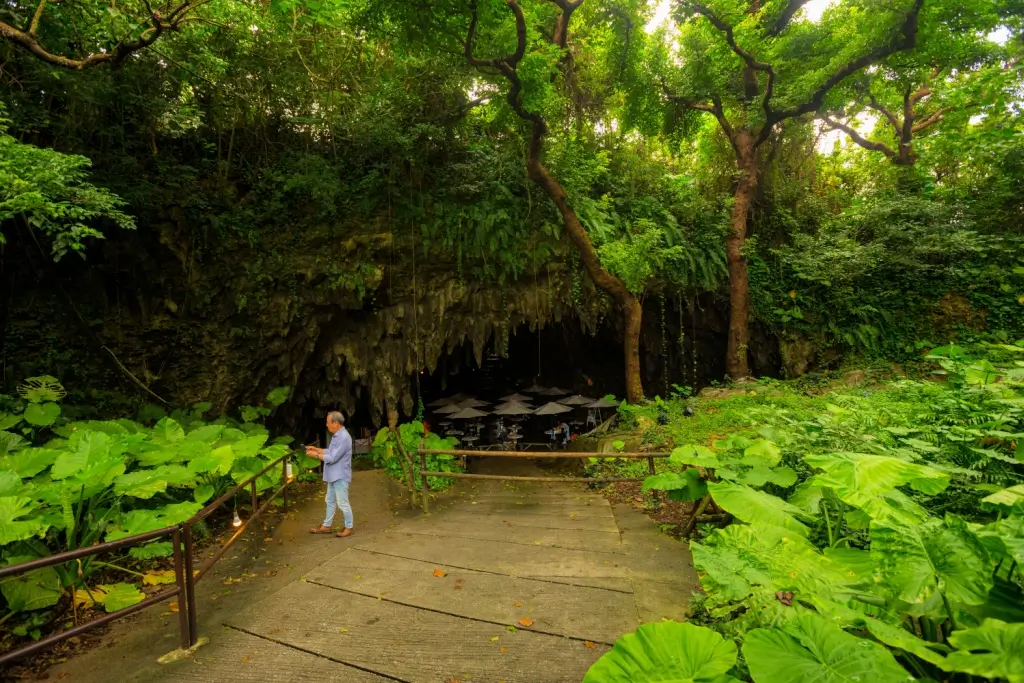
The approximately 90-minute tour covers roughly one kilometer and requires advance booking. Staff leads visitors through forest paths, explaining archaeological finds and sacred spots. Multilingual audio is available for non-Japanese speakers. Some tours include a trip to the nearby Okinawa World for a full day of culture and nature. The site’s natural beauty and historical depth offer a quiet contrast to busier Okinawa attractions.
Why is the Valley of Gangala one of the most important Okinawa locations?
The Valley of Gangala is an important Okinawa location because it connects Paleolithic human life to the present. It reminds visitors of humanity’s long relationship with nature by preserving multiple layers of history in one compact area. For archeologists, the valley’s contents and discoveries provide an invaluable understanding of early East Asian peoples.
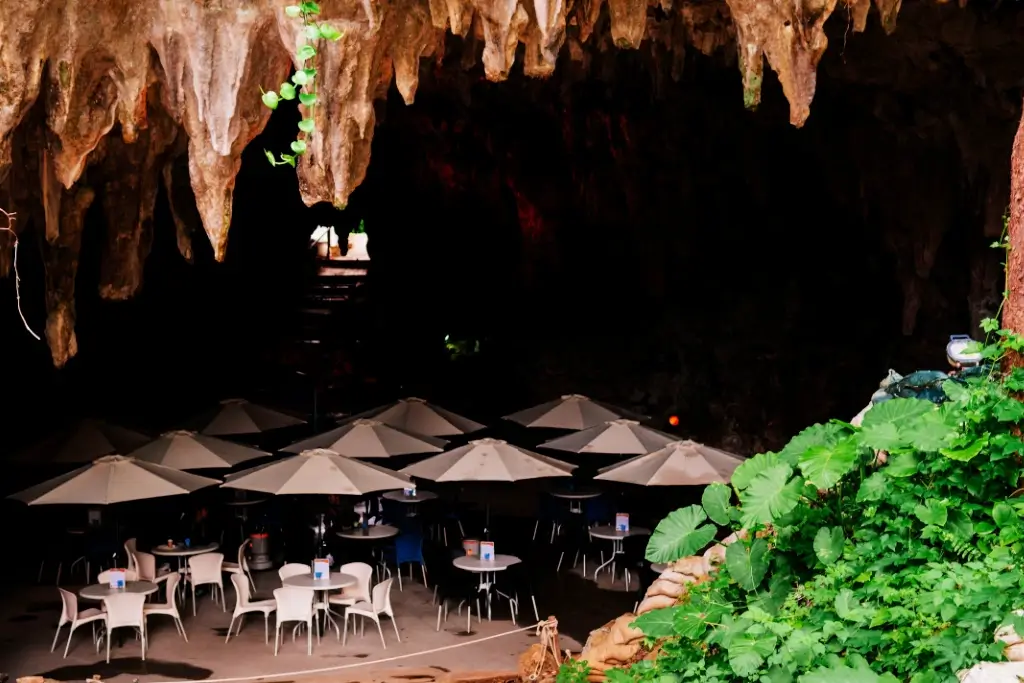
For people of Ryukyu heritage, it is filled with timeless spiritual traditions that continue an ancient Okinawan worldview in which nature and the divine connect directly. This spot stands as a living bridge between human prehistory and the present. Have you explored the Valley of Gangala or other Okinawa locations? Share your experiences or favorite spots in the comments!
Cited Sources
- Okinawa Island Guide. “Valley of Gangala“.
- Nippon.com. “Okinawa’s Valley of Gangala: Paleolithic Remains and Ancient Prayer Sites“.
- Japan National Tourism Organization. “Valley of Gangala“.

Discover authentic flavors with Sakuraco
Get Sakuraco 
Discover authentic flavors with Sakuraco
Get Sakuraco
Related Articles

Japanese History Spotlight: Who Was Niijima Yae?
Niijima Yae stands among the most remarkable figures to emerge from Japan’s transition from the late Edo period to the modern Meiji era.
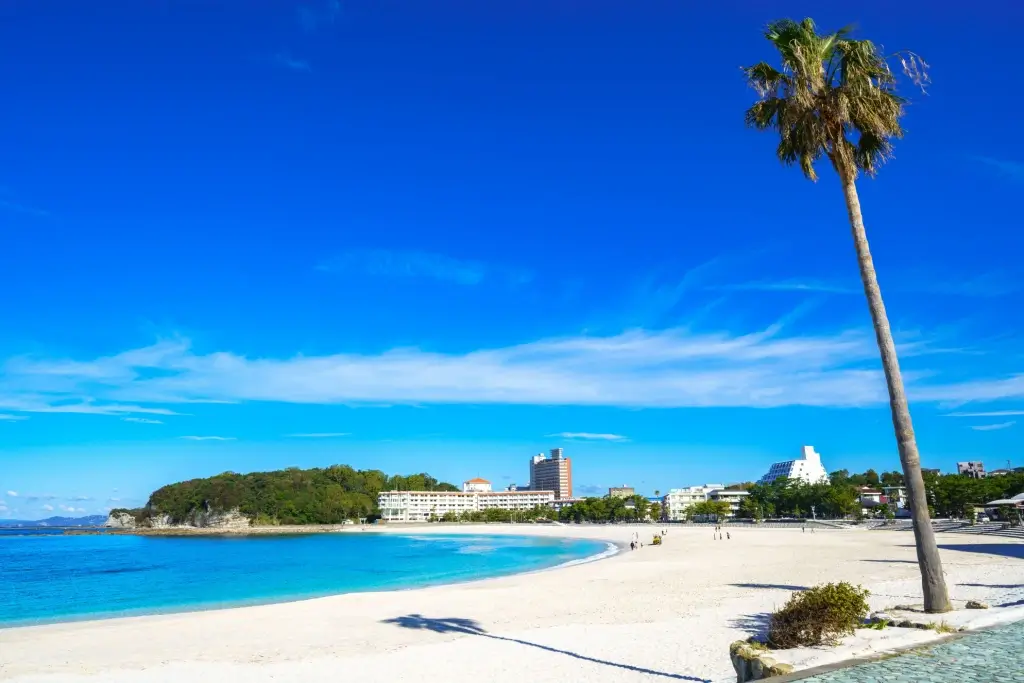
Wakayama Prefecture: Best Tourist Sites to Visit
Wakayama Prefecture has long served as a pilgrimage route and a resource-gathering area in Japan. This still holds true today. Its mountains, coastlines, and sacred grounds still draw people to the area for the same reasons. But today, it also supports modern tourism alongside its traditional fishing and spiritual communities.
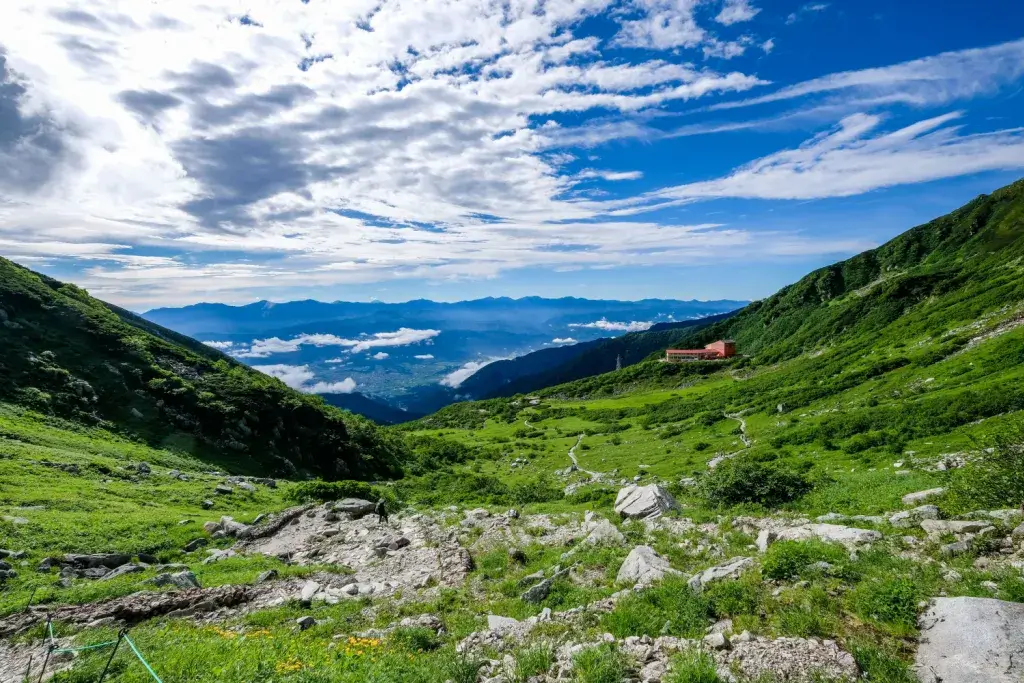
Traveling to Kiso Valley: Why Should You Visit?
Long ago, this quiet region was one of Japan’s main travel routes, connecting people, timber, and knowledge across the country. Today, we’ll explore five sites in Kiso Valley, each with its own story and charm.
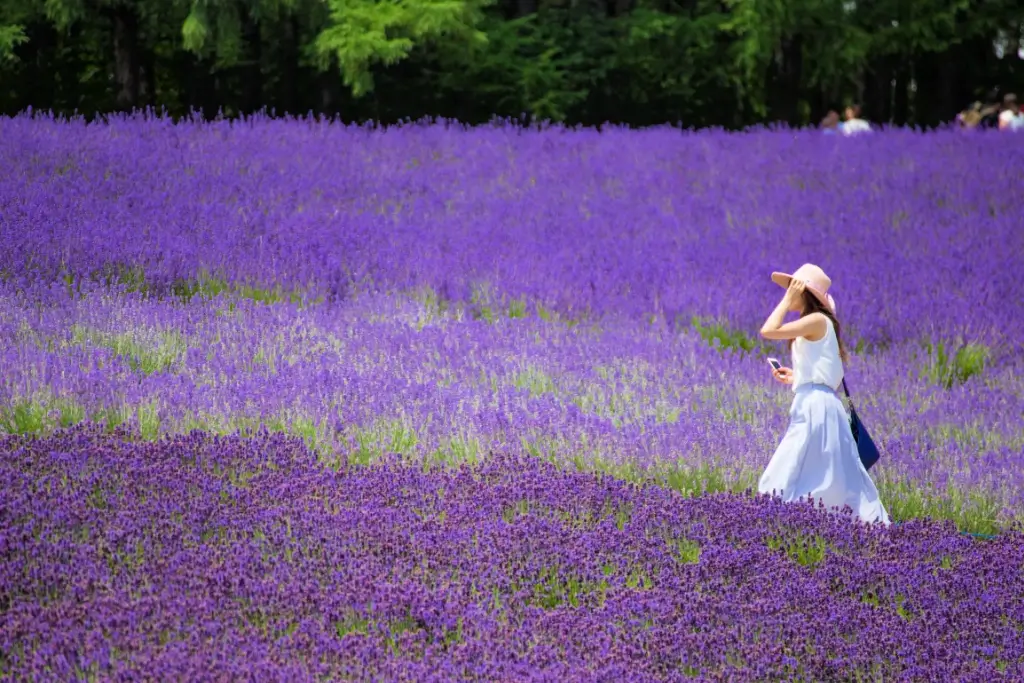
Lavender in Japan: Places to Enjoy Purple Fields
Japan’s seasonal plants and trees bring color to the country each year. However, it may surprise you to know that some of the most popular are not native Japanese plants at all. Lavender is one such seasonal flower that blankets landscapes during the summer months.