


how to eat edamame
How to Eat Edamame: A Guide to Soybeans!

Karina Ikedo

Posted on November 18, 2024
Share:
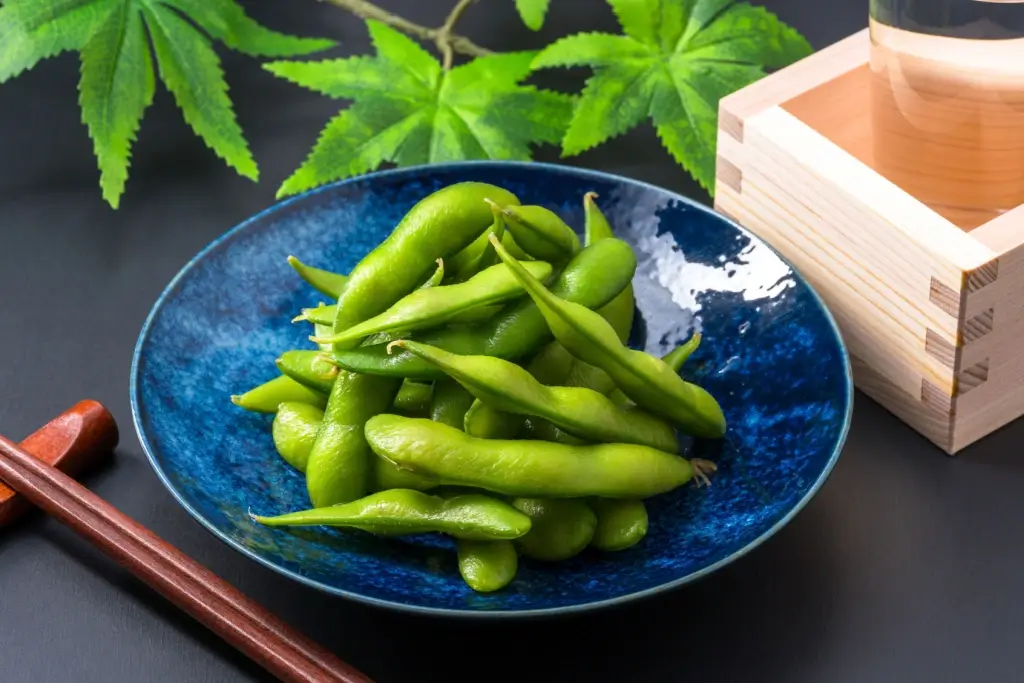
In Japan, edamame is a beloved, equally healthy, and delicious food. Packed with nutrients, these beans are delicious in a variety of dishes. Cooks can easily add the shelled beans to salads and stir-fries or use them to make a tasty dip. If this is your first time enjoying this delicious snack, let’s explore how to eat edamame. Keep reading to learn more about this versatile and healthy snack!
What is edamame?
Edamame are young soybeans that are green and unripe in their pods. They are fresh baby soybeans that grow as the soybeans used to make tofu. People pick them straight off the plant, leaving the beans in their pod. Once you have these raw and unripened pods of soybeans, you steam, boil, or microwave them.

It’s a tasty, protein-packed pea seasoned with just salt and pepper, which is the perfect starter for some sushi. Edamame has a sweet-mild, slightly nutty flavor and a crisp texture. Once boiled, the seeds take on a soft and creamy texture. It’s gained quite a following, especially from people who want to eat plant-based protein. People usually eat it at restaurants or izakayas (Japanese pubs) as a type of izakaya food.
Does edamame have any health benefits?
The other great thing about edamame is that they’re healthy and good for you. These beans, similar to other soy products, contain many essential nutrients. It can be a healthy addition to a person’s diet and an alternative to sweetened and processed snacks. It’s popular with people who prefer to eat healthy since it has a good dose of low-fat soy protein.
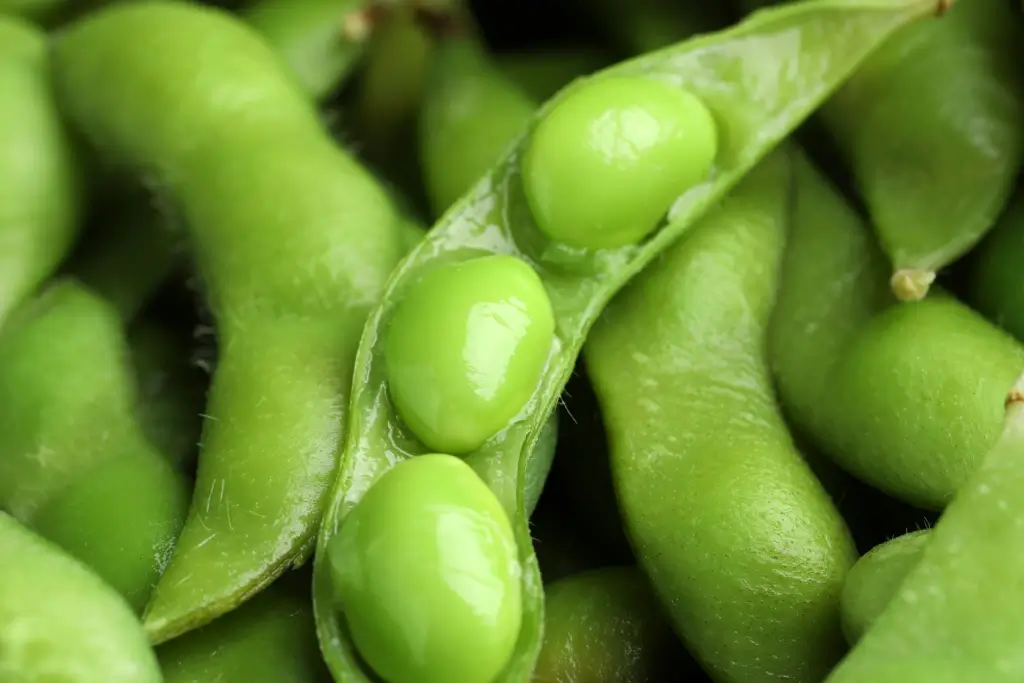
It has double the protein of green peas and one-third the carbs of chickpeas and black beans! Edamame is a great source of plant protein, folate, vitamins, minerals, and fiber. It helps reduce cholesterol, stabilize blood sugars, and regulate blood pressure, making it a great way for non-meat eaters to get their daily allowance.
Can’t make it out here, but want to try some exclusive Japanese snacks? Check out Sakuraco! Sakuraco delivers traditional Japanese snacks, teas, and sweets from local Japanese makers directly to your door so you can enjoy the latest treats directly from Japan!

How do I eat edamame?
You can add it to various recipes, including snacks and main meals. Once cooked, you can use the shelled or unshelled beans to create various dishes. Add sea salt and rice vinegar to cooked unshelled edamame for a quick snack. Enjoy this snack immediately, or chill it in the fridge for later.

Other flavorings and spices, such as chili, can also improve the taste. Cooked beans are also a great addition to fresh salads, adding a mild buttery flavor. Plus, they can be whipped up into a spicy dip or salsa to accompany your main meal. Speaking of main meals, they work perfectly in stir-fries, too.
What other ways do people enjoy edamame?
Fried rice
These beans are a great addition to a simple Japanese fried rice dish. It comes with plenty of plant-based protein. Add edamame to fried rice with brown rice, carrots, scrambled egg whites, garlic, soy sauce, and scallions. This fried rice is the ultimate comfort food, full of whole grains and packed with nutrients.

Chips
Get your crunch on crispy edamame chips puffed to perfection! They’re the perfect crispy, savory snack with the umami flavor of soybeans. They’re crunchy and flavorful and make a great vegan protein-packed snack. They’re a tasty, high-protein snack on their own. You can also use them as a topping for a nourishing bowl or salad to add some extra crunch!
Spicy edamame

Try spicy edamame to add spice and kick to your standard beans. After boiling or steaming whole edamame beans, sprinkle them with soy and chili flakes and toss them in chili oil. Getting the right balance of flavors in the sauce is key. Add mirin (rice wine) and miso (fermented soybeans) paste to give it an excellent depth of flavor. Serve it as a snack – it goes with everything: Japanese sake, wine, and cocktails.
Why should I try edamame?

People enjoy edamame because they’re tasty, nutritious, and easy to add to your diet, whether you’re vegetarian or a meat-eater. If you’ve never tried them, you’re missing out; these soybeans make a super snack! They are so versatile and easy to make. The green beans can be eaten as a snack, in salads and bowls, or made into dips. Have you tried edamame or agar agar before? Now that you know how to eat edamame, would you like to try it sometime? Share your thoughts in the comments below!

Discover authentic flavors with Sakuraco
Get Sakuraco 
Discover authentic flavors with Sakuraco
Get Sakuraco
Related Articles

Kyoto Confectionery Museum: Everything You Need to Know
Although Kyoto is famous for temples, gardens, and historic districts, the city is also known for its centuries-old confectionery culture. The Kyoto Confectionery Museum shows how sweets became closely connected to tea ceremonies, seasonal celebrations, and Japanese aesthetics.
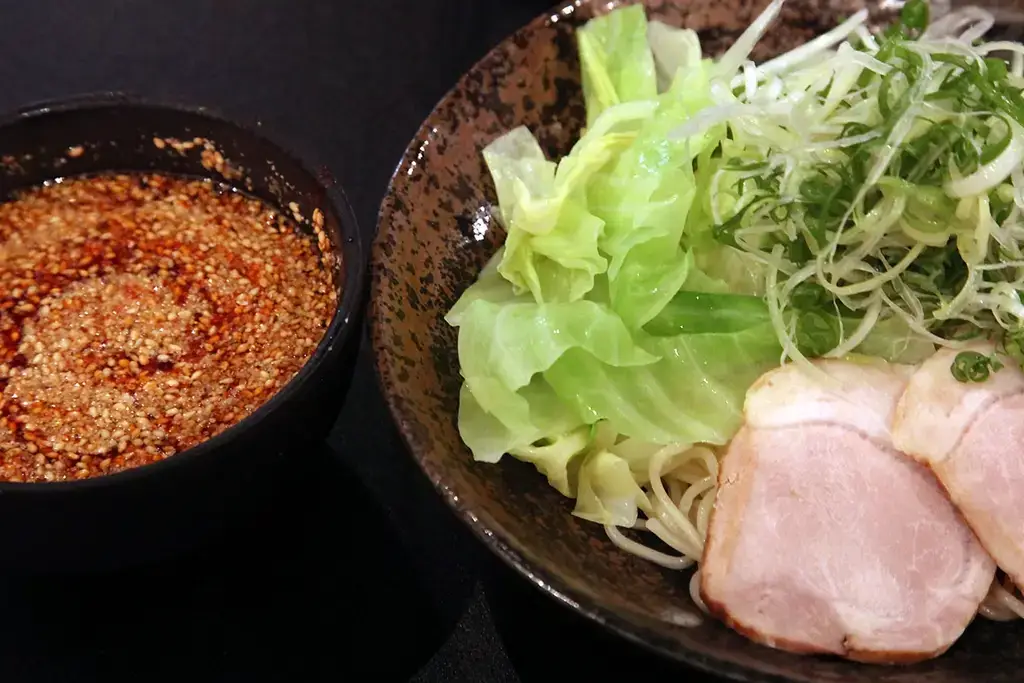
Hiroshima Tsukemen: A Spicy Take on Japanese Dipping Noodles
Tsukemen is one of Japan’s best-known noodle dishes, but Hiroshima offers its own distinctive version that differs sharply from the richer styles found in Tokyo and other parts of the country.

Sake from Takehara City: A History of Brewing
Takehara City in Hiroshima Prefecture is one of Japan’s historic sake towns. Located near the Seto Inland Sea, the city became wealthy during the Edo period through trade and sake brewing. Today, Takehara is still known for its traditional streets, old breweries, and connection to Hiroshima’s sake culture.

Aaron and Claire Soy-Glazed Pork Belly Recipe: A Guide!
Aaron and Claire share an easy soy-glazed pork belly rice bowl recipe that combines tender pork, a rich savory glaze, and simple ingredients for a comforting Japanese-inspired dinner at home.