


Ancient Bowl Discovery Shines Light on Lake Biwa

Thuy Fang

Posted on October 16, 2025
Share:
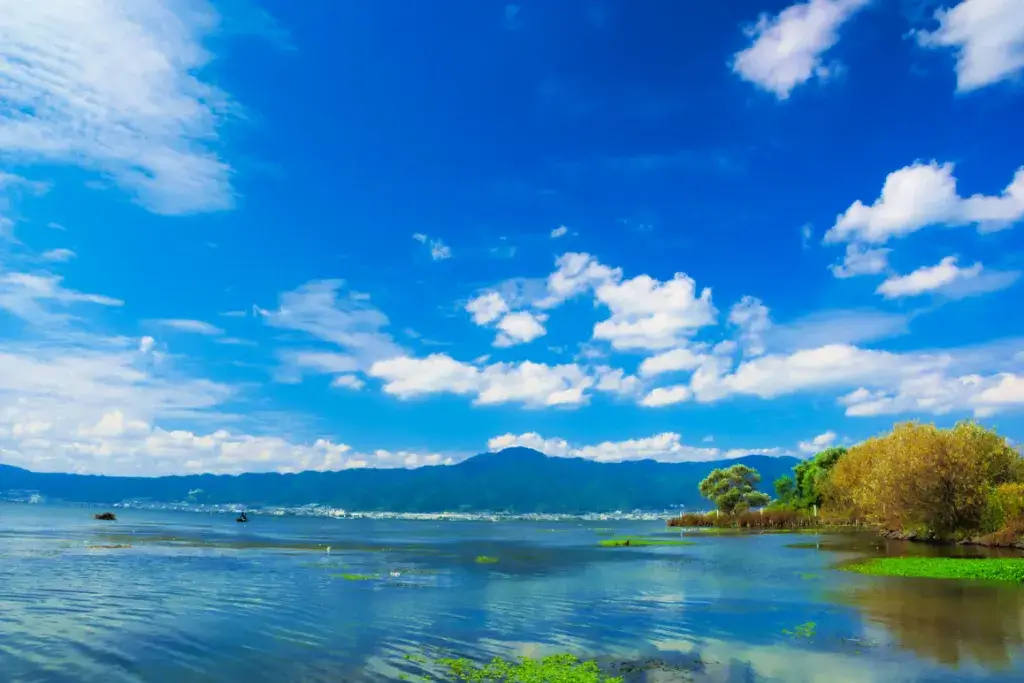
Renowned as Japan’s largest freshwater lake, Lake Biwa is not only a place of natural beauty but also a gateway to the country’s deep past. Recent underwater research has brought these long-lost stories back to light, contributing to the area’s designation as one of Japan’s most fascinating archaeological sites. Today, let’s journey together into this fascinating subject!
What kind of place is Lake Biwa?
Lake Biwa, or Biwa-ko, lies in Shiga Prefecture, just northeast of historic Kyoto. It formed in a deep tectonic basin over four million years ago, shaping the land with its calm waters. The lake stretches approximately 64 kilometers (40 miles) from north to south and covers an area of roughly 672 square kilometers. Its name comes from the biwa, a Japanese lute, because the lake’s outline resembles the instrument.
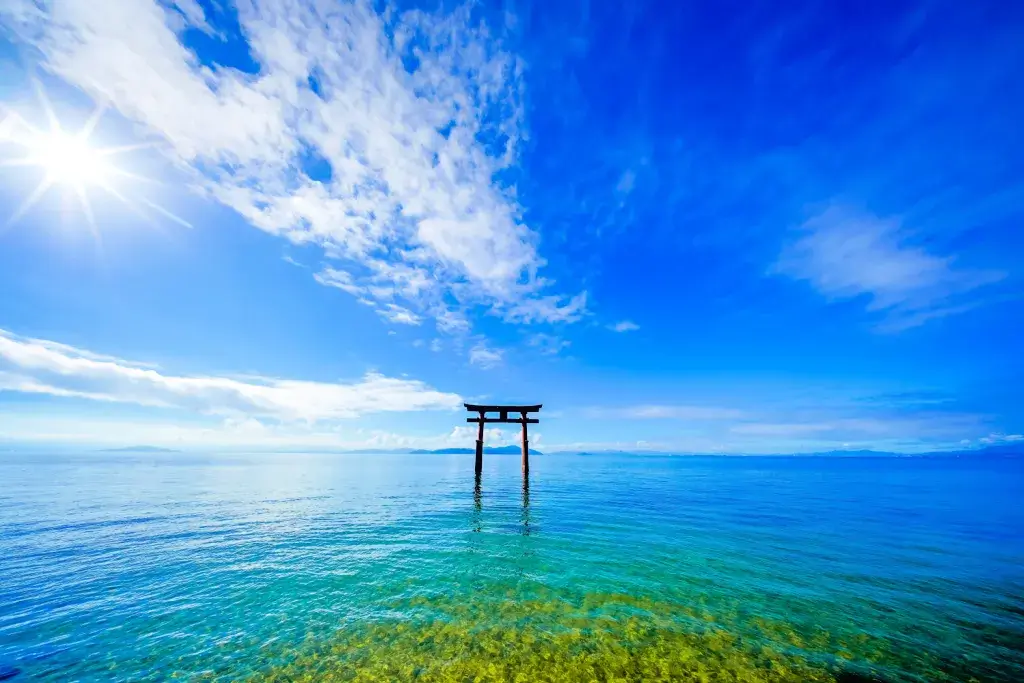
This place is home to an incredible variety of plants and animals, including many species found nowhere else on earth. Fish like the Biwa trout swim alongside unique freshwater creatures, while thousands of water birds visit every year. Small rivers from surrounding mountains feed the lake, and its waters flow south into the Yodo River, eventually reaching Osaka Bay.
Biwa-ko is excellent for fun on the water. People sail, windsurf, canoe, and kayak, while cruise boats offer stunning views of the islands and their surrounding shrines. Chikubu Island is a special spot where the goddess Benzaiten is honored, and you can explore ancient temples and historic structures. Additionally, seasonal events such as marathons and festivals keep the lake lively all year round.
What have people recently discovered in the Lake Biwa area?
Just as Lake Biwa is renowned for its beauty and diverse activities, it also harbors ancient underwater treasures. Researchers have explored the lake carefully and discovered nearly 90 archaeological sites hidden beneath its waters. These sites range from shell mounds left by prehistoric people to old bridge foundations and the remains of ancient houses.
Recently, researchers have discovered a stemmed bowl resting at the lake’s bottom, hinting at the rituals of long ago. This remarkable artifact lies approximately seventy meters below the surface, remaining nearly untouched for over fifteen centuries.
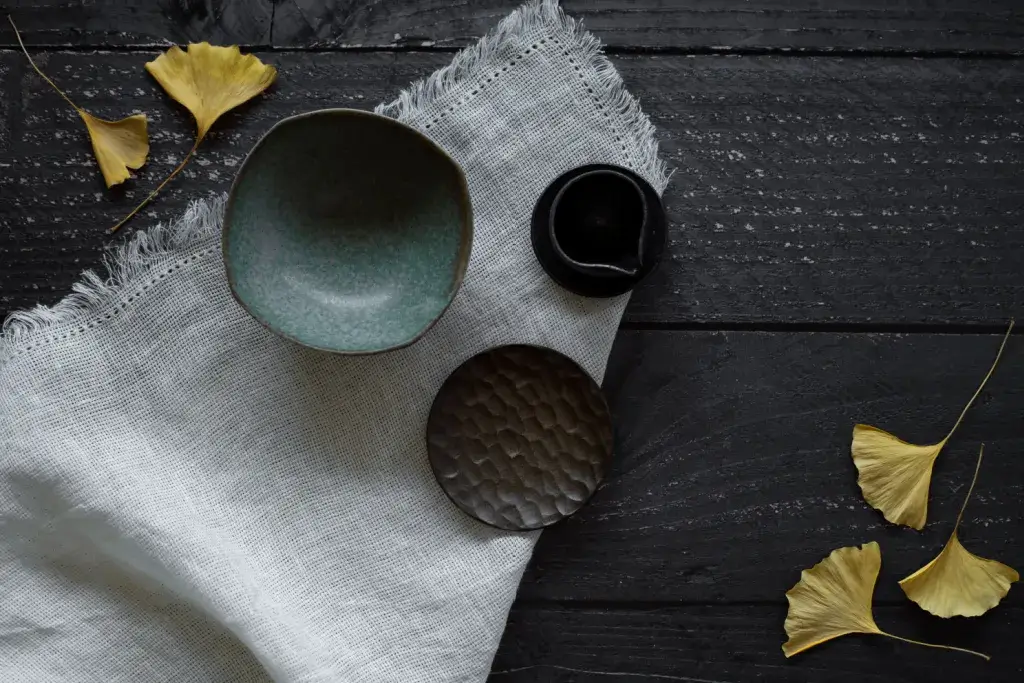
The bowl was discovered on July 2nd using a remotely operated underwater vehicle, guided by the Biwako Trust, which protects the environment in this area. Michio Kumagai, a senior researcher at Ritsumeikan University, led the team near Tsuzuraozaki Cape in the northern part of the lake. Video footage showed the bowl lying quietly alongside a possible shallow dish, preserved like a time capsule.
Sadakatsu Kunitake, chief archaeologist at the Nara National Research Institute for Cultural Properties, believes the bowl dates to the 15th century. Its shape and careful design suggest it was used in rituals, offering a rare glimpse into ancient ceremonial life. The lakebed may hold many more artifacts waiting to tell their stories.
Are you looking for great snacks from places like Sakuraco? Check out Sakuraco! Sakuraco delivers traditional Japanese snacks, teas, and sweets from local Japanese makers right to your door every month so you can experience the taste and tradition of Japan in your own home!

What other remarkable discoveries were made here in the past?
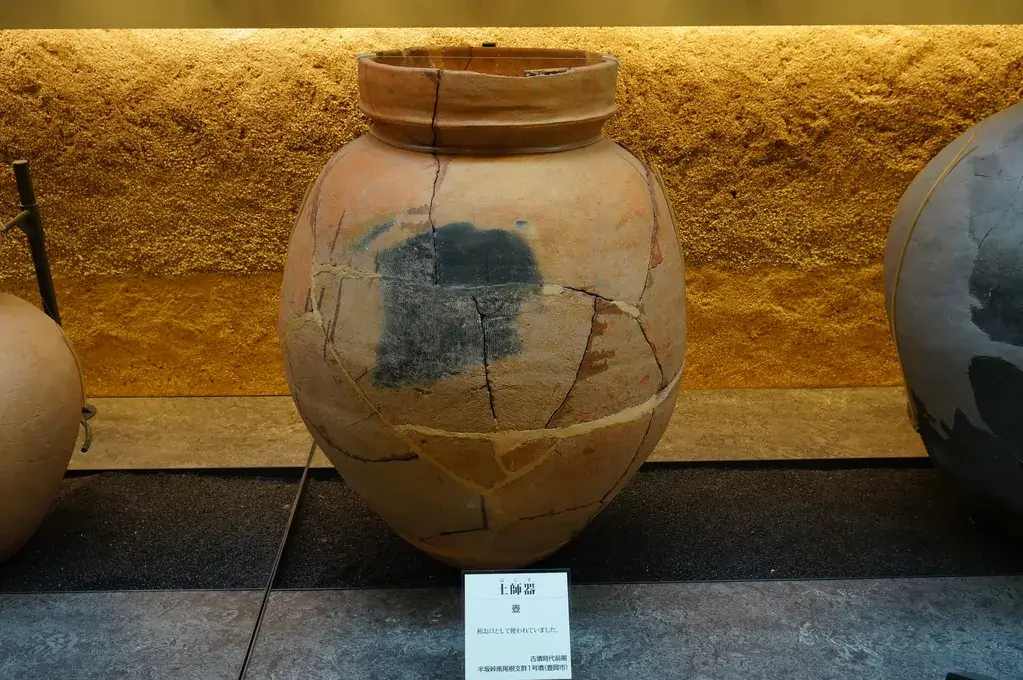
Long before the bowl’s discovery, Lake Biwa had already amazed researchers with treasures hidden beneath its calm waters. In 2017, a reddish-brown urn made of Haji pottery surfaced in the lake’s northern part. Standing about 40 centimeters (16 inches) tall, it dates back to the 7th or 8th century. A remotely operated robot from Professor Kenichi Yano’s team at Ritsumeikan University spotted it resting quietly on the lakebed for centuries.
Its rusty tone came from fire baking, and its graceful shape reflected Japan’s ancient pottery traditions. Experts believe artisans created it between the Asuka (592–710) and Nara (710–794) periods, when techniques from the Korean Peninsula influenced Sue-style (pronounced “soo-eh”) ceramics.
Furthermore, several small Sue bowls found nearby revealed how ancient craft and foreign influence blended beautifully in Japan’s early days. Some theories suggest these pieces were part of daily life, while others imagine they were gently placed into the lake for unknown rituals.
Years earlier, in 2014, another surprising discovery appeared near Nagahama City on the northeastern shore. Professor Hiromichi Hayashi’s team of the University of Shiga Prefecture found eight wooden pillars standing upright underwater, just 100 meters (328 feet) from the coast. Carbon dating revealed that the structure originated from the Edo period (1603-1868) and was likely part of a Shinto shrine dedicated to the guardian god Chinjugami.
Why are underwater archaeological discoveries in Lake Biwa so important?
Underwater findings in Lake Biwa are significant as they connect the present with Japan’s ancient past in ways land cannot. Each artifact offers clues about how people once lived, worshipped, and faced the changes of nature. These findings also reveal how earthquakes and shifting landmasses have shaped the stories hidden beneath the lake’s calm surface.
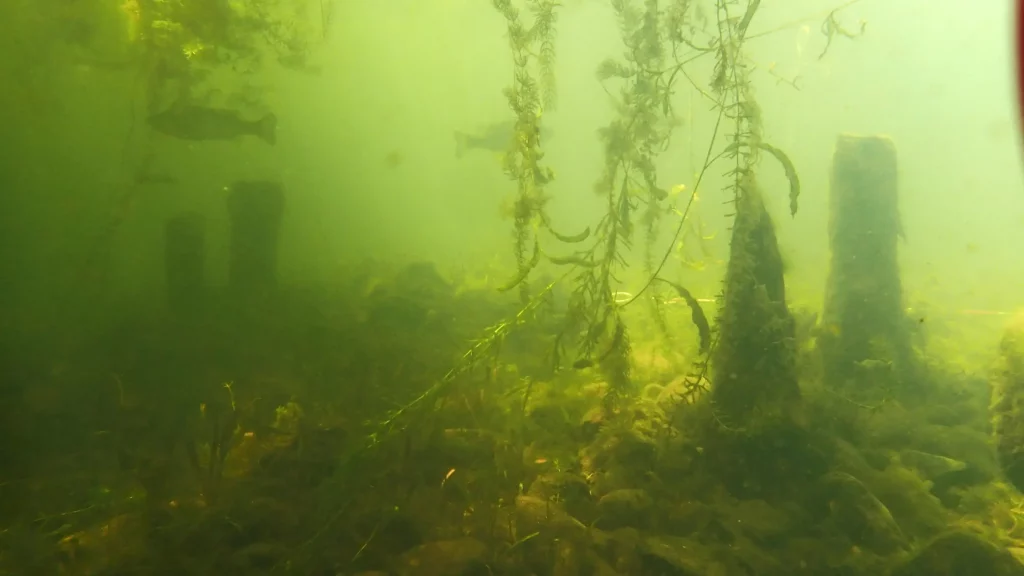
By studying them, researchers learn not only about history but also about human resilience and faith through time. Would you like to explore more hidden archaeological sites across Japan? What ancient secrets do you hope to uncover beneath their quiet landscapes? Share your thoughts in the comments!
Sources
- The Asahi Shimbun. “Ancient ritual bowl found intact deep in Lake Biwako“.
- Newsweek. “Ancient Urn Discovered by Robot at Bottom of Japan’s Biggest Lake Mystifies Archaeologists“.
- Message to Eagle. “Pillars Of Underwater Structure Discovered In Lake Biwako, Japan“.
- The Museum of Underwater Archaeology. “Submerged Archaeological Sites in the Lake Biwa, Japan.”

Discover authentic flavors with Sakuraco
Get Sakuraco 
Discover authentic flavors with Sakuraco
Get Sakuraco
Related Articles
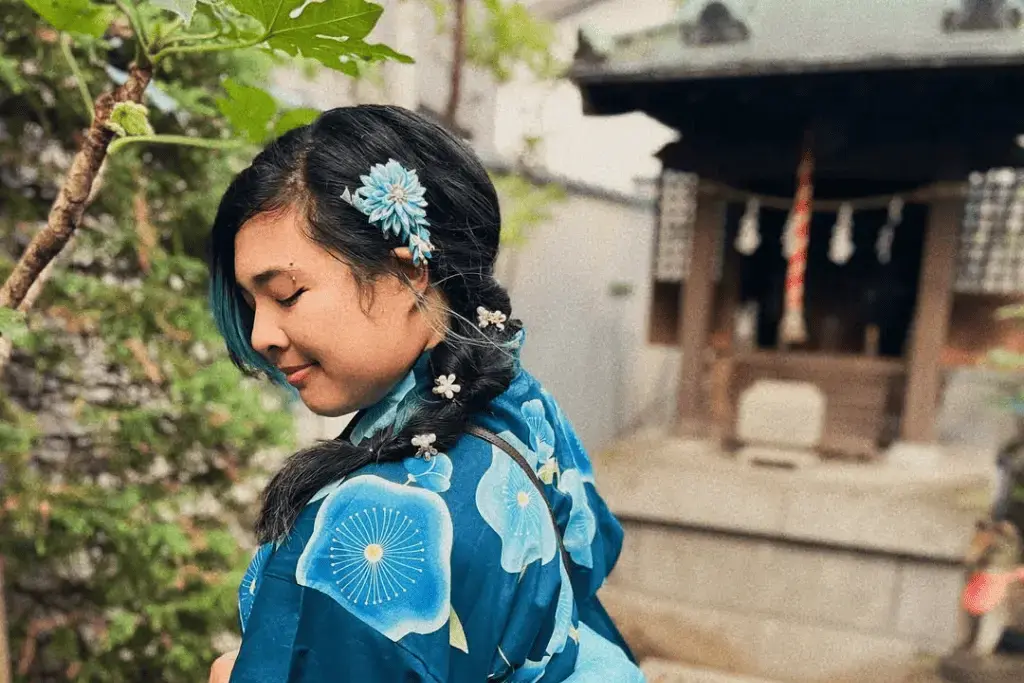
Akidearest Talks About Living in Japan & Creating Content
Excerpt
Akidearest shares her journey as a creator, her experiences living in Japan, thoughts on internet culture, favorite anime, and the everyday moments that continue to inspire her both online and offline.

Okinawa Folklore: The Legends of Japan’s Southern Islands
Okinawa is famous for its beautiful beaches, unique culture, and rich history. Located in the southernmost part of Japan, the islands were once the independent Ryukyu Kingdom before becoming part of modern Japan.
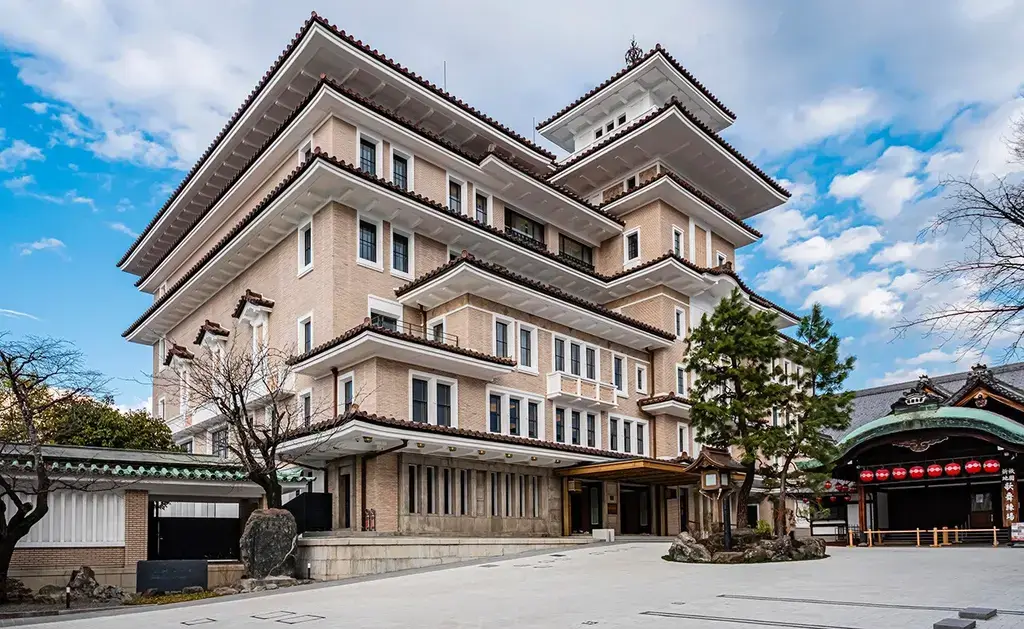
Imperial Hotel Kyoto: A New Chapter for a Historic Gion Landmark
The Imperial Hotel Kyoto represents one of the most significant hotel openings in Japan in recent years. Located in Kyoto’s famous Gion district, the luxury property combines modern hospitality with the preservation of an important cultural landmark.
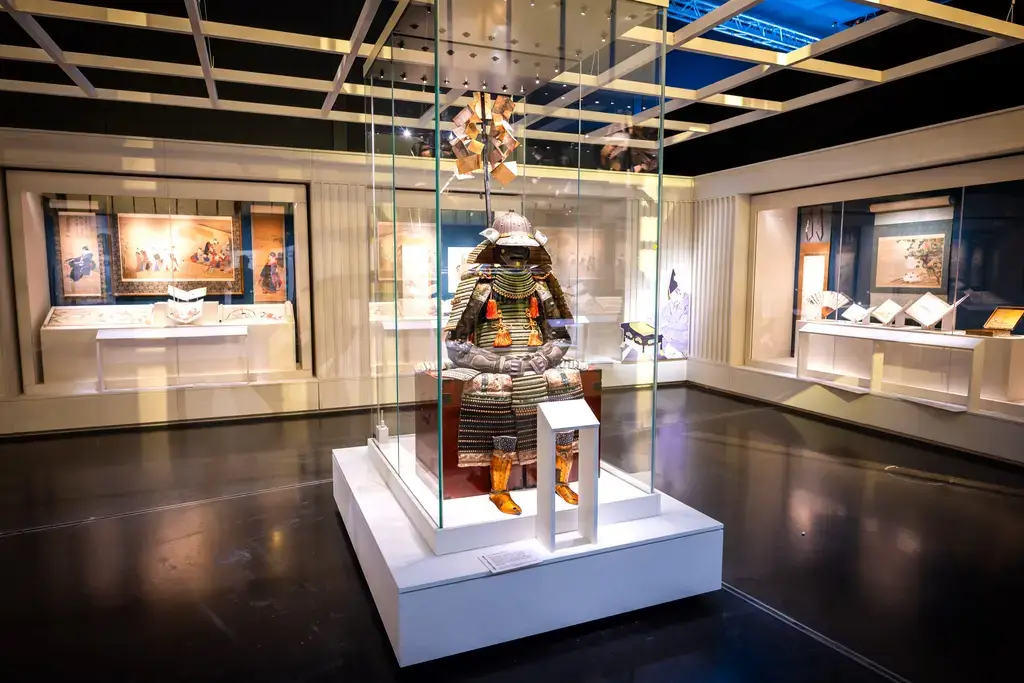
Samurai Exhibit at the British Museum Showcases Complex History
For many people outside Japan, the word “samurai” immediately brings to mind armored male warriors carrying swords into battle. Films, television, and video games have reinforced that image for decades. But the British Museum’s major 2026 exhibition, “Samurai,” presented a broader, more historically layered interpretation of Japan’s warrior class — including the important role women played within it.