


Japanese Glassware at Its Finest: Five Exceptional Manufacturers

Karina Ikedo

Posted on January 28, 2026
Share:
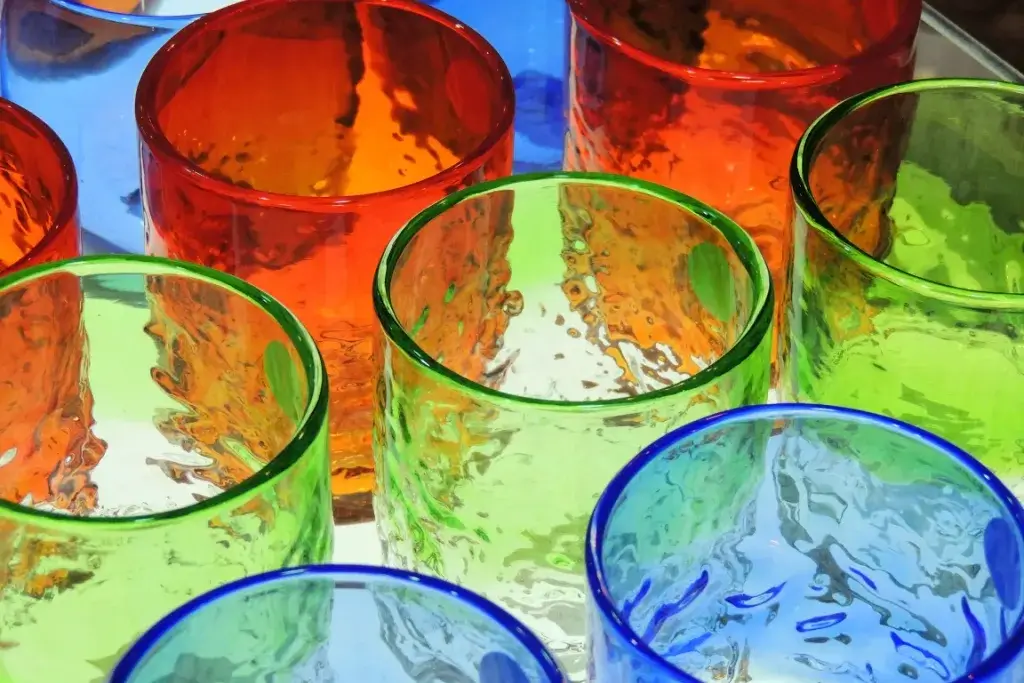
Japan is famous worldwide for its skill, balance, and attention to detail. While ceramics are famous, Japanese glassware has a rich history too. Japan makes hand-blown glass and everyday tableware. Glassmakers mix traditional techniques with modern design. This balance makes Japanese glassware stand out worldwide.
Glass arrived in Japan later than many other crafts. Even so, Japanese makers quickly created their own styles. Today, Japan is home to some of the world’s best glass manufacturers. They are respected for quality, precision, and artistry. Without further ado, let’s look at the five top Japanese glass manufacturers.
Ishizuka Glass (Aderia Glass)
Founded in 1819, Ishizuka Glass is one of Japan’s oldest glass manufacturers. The company was started by Iwasaburo Ishizuka. He traveled to Nagasaki to learn glassmaking. Afterwards, he returned to central Japan and opened a small workshop.
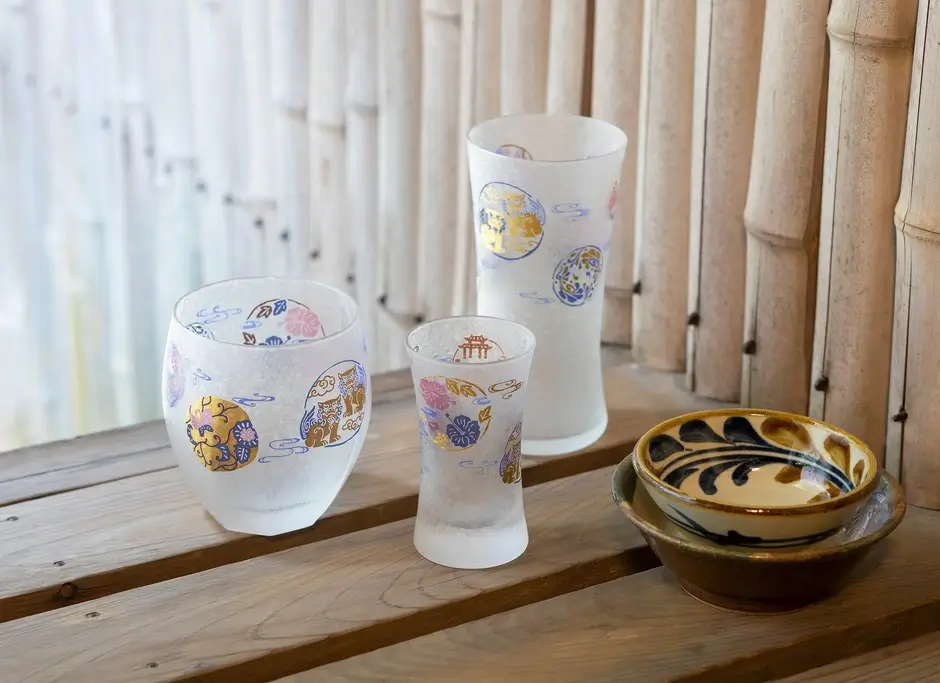
At first, Ishizuka made small, handmade glass pieces. Over time, it became a leader in mass-produced glass in Japan. After World War II, Ishizuka helped supply affordable glassware. This supported Japan’s growing middle class. The Aderia line became especially popular.
It featured colorful and playful designs from the 1960s and 1970s. Many of these classic designs are still loved today, and they have been reissued for modern customers. Even as it grew, Ishizuka respected traditional design. Its glass often includes Japanese patterns and seasonal themes. These designs work well for everyday use and special occasions.
Kimura Glass
Based in Tokyo, Kimura Glass was founded in 1910. The company is notable for elegant and simple glassware. Kimura Glass designs many products for professionals. Many people use it in high-end restaurants, bars, and hotels in Japan. The company focuses on function, clarity, and balance. Each glass is designed to feel comfortable and easy to use.
Many Kimura glasses are mouth-blown by skilled artisans. This creates thin rims and lightweight shapes. These details improve the drinking experience. Kimura Glass is especially famous for wine glasses. It is also respected for cocktail glasses and sake vessels. The brand generally works with designers and sommeliers. Together, they create glasses for specific drinks. This ensures each piece looks beautiful and works well.
Hirota Glass
Hirota Glass was founded in 1899 and is based in Tokyo. The company is known for protecting traditional Japanese glassmaking techniques. One of its most famous styles is Edo Kiriko. Edo Kiriko is a cut-glass technique from Japan’s Edo period, featuring carefully hand-cut patterns. The cuts create sharp designs and sparkling surfaces. In addition, Hirota Glass mixes old patterns with modern shapes. This makes it feel both classic and new.
Many pieces also feature deep cuts and geometric designs. They also use rich, jewel-like colors. These colors catch and reflect light beautifully. Hirota Glass also makes simpler tableware; these designs are inspired by early 20th-century styles. As a result, they appeal to people who enjoy vintage looks with a Japanese touch.
Curious to explore more authentic Japanese culture at home? Then check out Sakuraco! Sakuraco delivers traditional Japanese snacks, sweets, teas, and more from local Japanese makers right to your door!

Sugahara Glass (Sghr)
Sugahara Glass was founded in 1932 and is also known as Sghr. The company is famous for its handmade glassware, as each piece is crafted by skilled artisans. No two items are exactly the same, and these small differences give each piece its own character. Their designs are soft and colorful. Generally, they have smooth, rounded shapes.
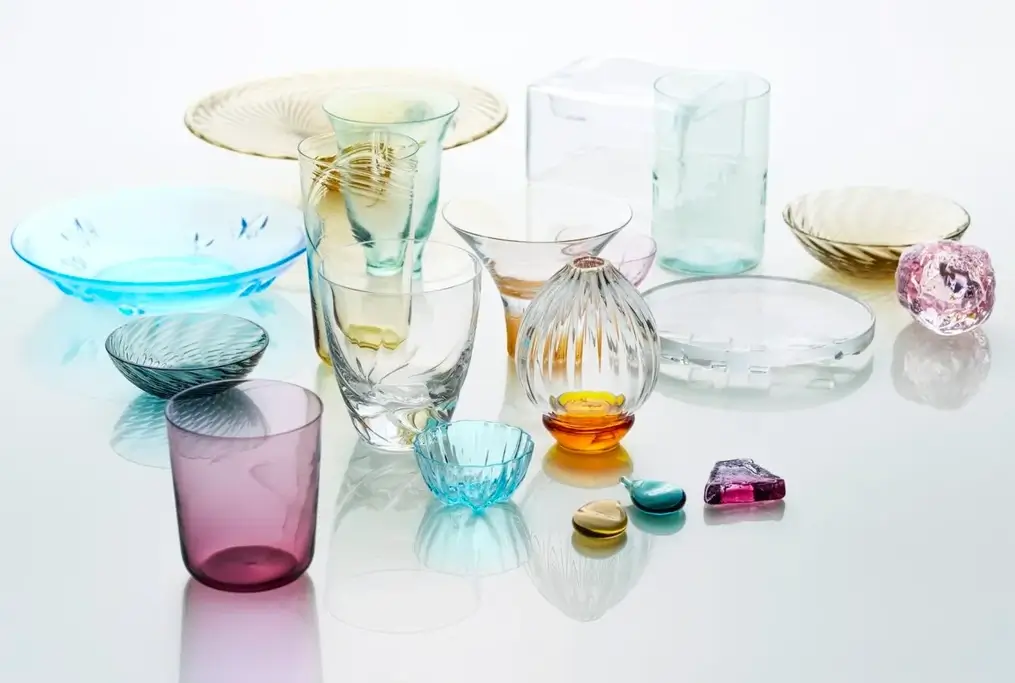
Many designs are inspired by nature. The company makes bowls, cups, plates, and vases. These pieces feel warm and friendly in modern homes. Overall, Sugahara emphasizes craftsmanship. It operates workshops where visitors can watch glassblowing. Therefore, they show their respect for tradition and handmade skill.
Kagami Crystal
Kagami Crystal was established in 1934. It is known for luxury Japanese glassware. The company is especially famous for cut crystal. These pieces are most popular for gifts and formal events. They are also chosen for important diplomatic occasions. Their designs feature detailed and careful cuts. Many patterns are inspired by traditional Japanese designs.
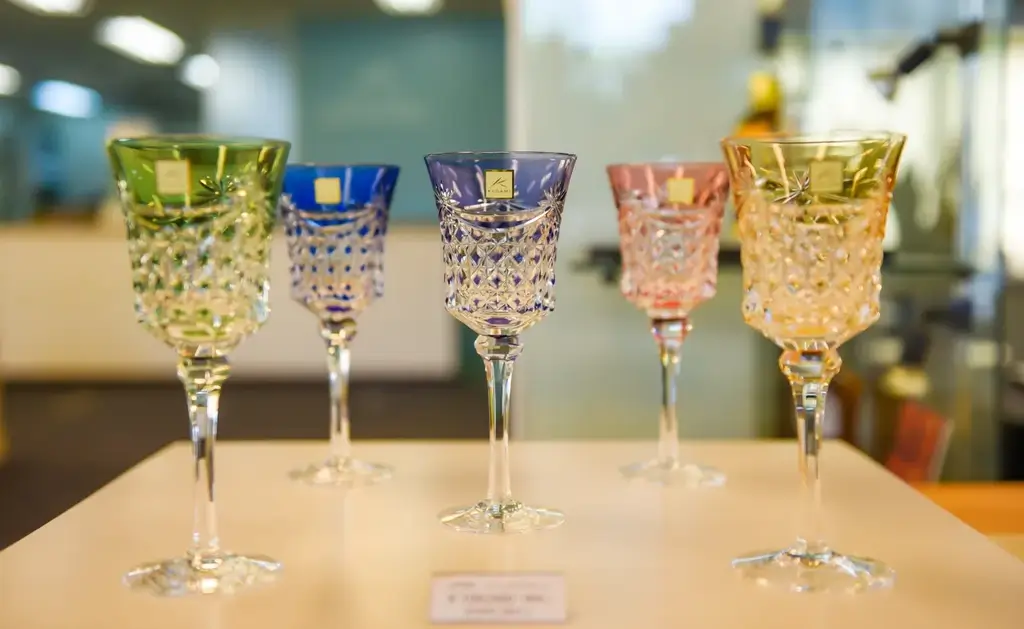
The company has received special recognition in Japan. It was named a purveyor to the Imperial Household. They also create modern designs, and each piece is made with great precision and care. This reflects centuries of Japanese craftsmanship. Every item is both beautiful and highly detailed. Each piece can be considered a true work of art.
The Appeal of Japanese Glassware
Japanese glassware embodies a graceful balance of beauty and functionality. Designed for both everyday dining and special gatherings, each piece reflects a quiet pursuit of harmony, balance, and craftsmanship using only the finest materials.
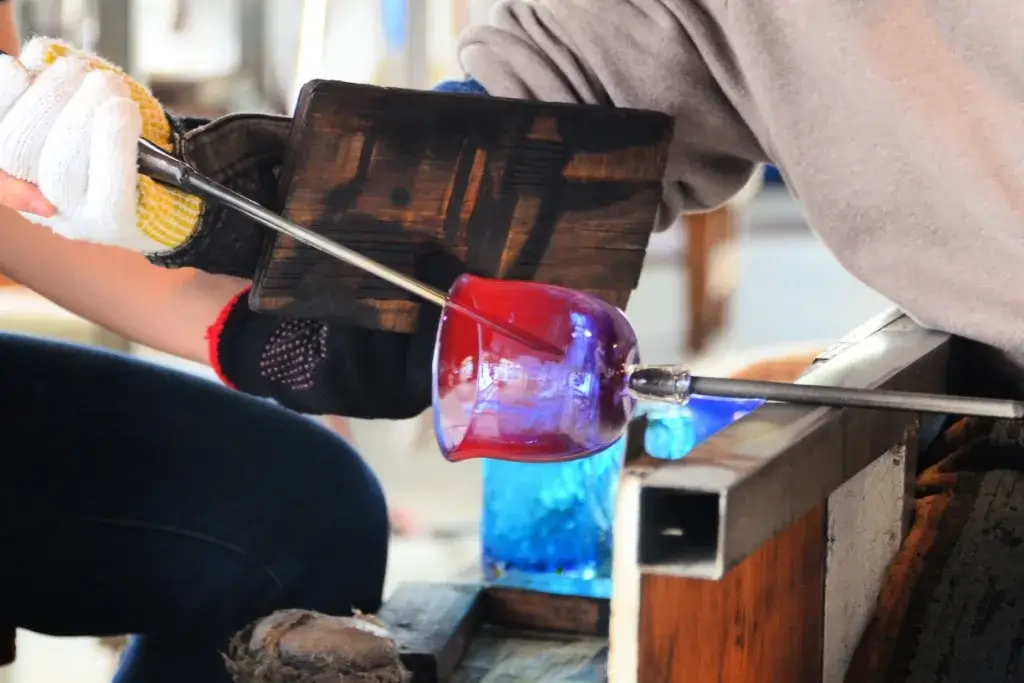
Across Japan, artisans also create glassware that appeals to a wide range of tastes and lifestyles. Ishizuka offers refined simplicity suited to daily living, while Kagami Crystal is celebrated for its exquisite luxury. As a result, every maker carries a legacy of skill, blending tradition with innovation in a distinctly Japanese way.
Collectors and design enthusiasts alike are drawn to the subtle elegance of Japanese glassware. Practical yet artistic, it captures the spirit of Japanese culture with timeless grace. Which style appeals to you more—classic craftsmanship or contemporary design? Share your thoughts in the comments below.
Discover authentic flavors with Sakuraco
Get Sakuraco 
Discover authentic flavors with Sakuraco
Get Sakuraco
Related Articles

Forest Bathing in Japan: The Ultimate Guide
Japan is known for cultural traditions that promote balance, mindfulness, and a connection with nature. One of the most distinctive is forest bathing, or shinrin-yoku. Despite its name, forest bathing does not involve water.
Kawadoko Dining in Japan: A Unique Riverfront Summer Tradition
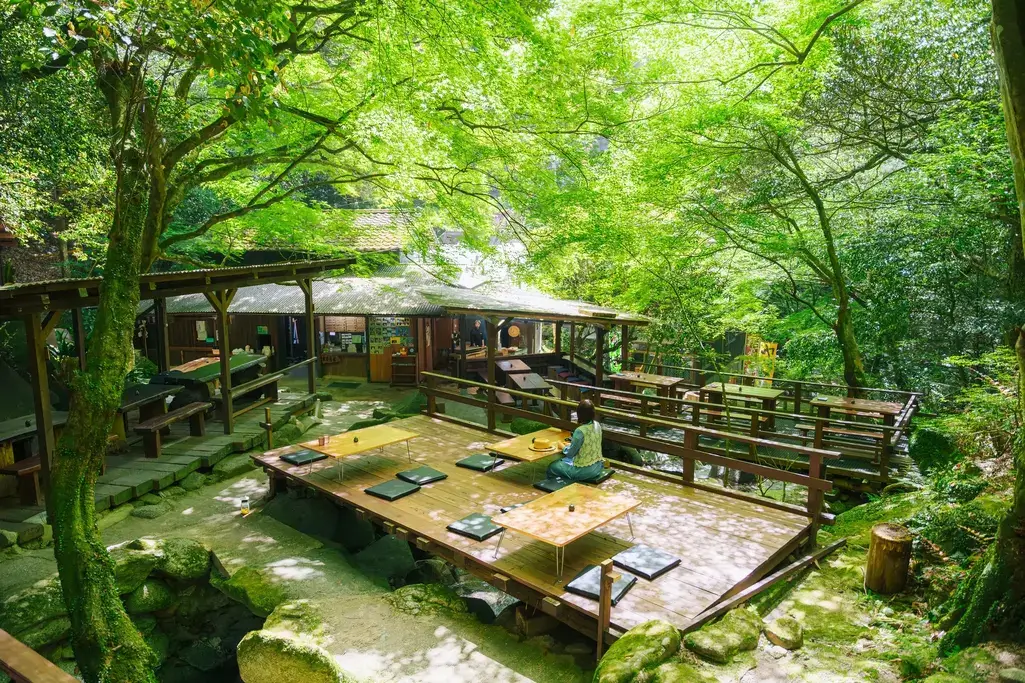
Japan is home to many seasonal traditions that help people appreciate the changing environment. One of the most distinctive is kawadoko dining, an outdoor dining style that allows guests to enjoy meals beside or above flowing rivers during the warmer months. Known for its cool atmosphere and scenic surroundings, this riverfront dining tradition has become one of Japan’s most memorable summer experiences.

Tomioka Silk Mill: The Factory That Helped Modernize Japan
The Tomioka Silk Mill is one of Japan’s most important industrial heritage sites. Located in Tomioka City in Gunma Prefecture, the mill played a major role in Japan’s modernization during the late 19th century.
Hiroshima: History, Food, and Scenic Destinations
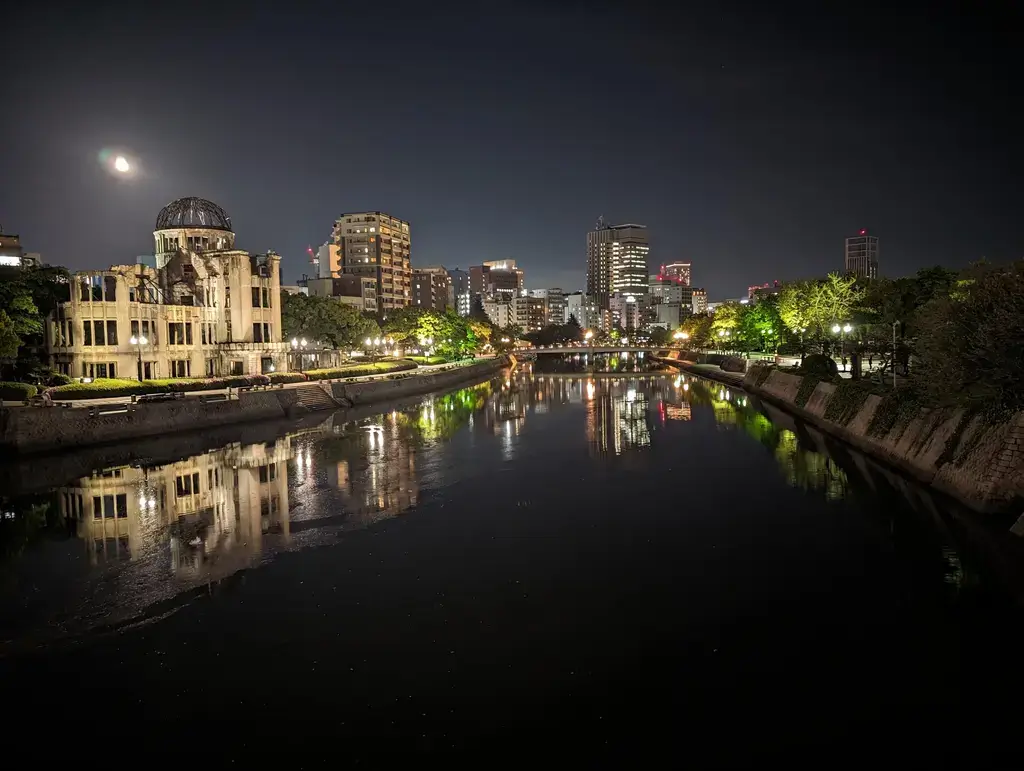
Hiroshima is one of Japan’s most historically important and culturally rich regions. Located along the Seto Inland Sea in western Japan, Hiroshima Prefecture is known for its history, food, and coastal scenery.