

Yokohama Chinatown: A Gem of Chinese Culture in Japan

Kim Kahan

Posted on December 23, 2021
Share:
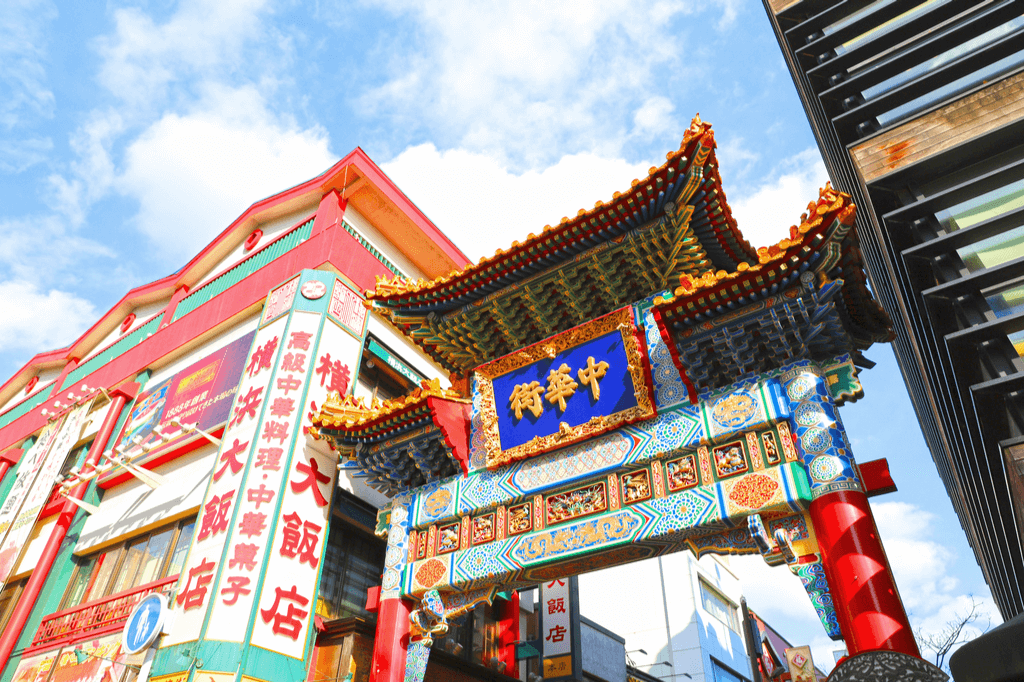
In Yokohama, to the south of Tokyo, lies the largest Chinatown in Japan, established nearly 150 years ago; full of shops, restaurants, and businesses bustling with activity. Visiting Yokohama Chinatown as a tourist can be a very fun experience. Let’s have a look at why…
History
Yokohama is the closest way to access Tokyo by sea from the Pacific Ocean, meaning that when it was opened as a trading port in 1859, it attracted much trade and many Chinese traders. People from China flocked to start a new life in Japan, many settling right where they landed: Yokohama.
Gradually, what began as a few traders staying in the Port of Yokohama soon started to grow and attract more Chinese immigrants from across the Pacific Ocean. They formed a vibrant community of shops and businesses which came to be known as Chinatown, or chuukagai (中華街) in Japanese.
Today, Yokohama Chinatown is the largest Chinatown in Japan, featuring more shops than houses.
Want to experience a taste of Yokohama, a city full of treats. Check out Sakuraco! Sakuraco sends traditional Japanese snacks, teas, and sweets from local makers right to your door so you can experience Japan at home!

Things to See
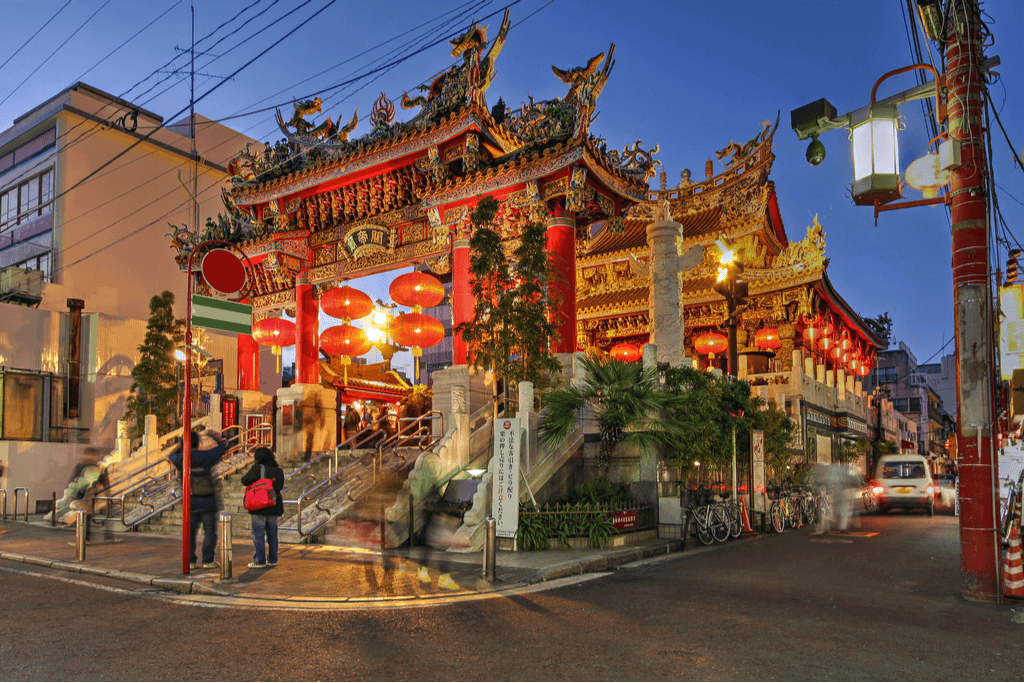
There is an amazing temple called the Kuan Ti Miao in the middle of Chinatown, which was built in 1871, using donations from local people and the overseas Chinese community. The temple has a tumultuous history, and as a result has seen many iterations, with it being in its current state since 1990.
The area of Chinatown is surrounded by four North, East, South, and West gates, which were built by Chinese residents and still stand to this day. The gates themselves – there are 10 in total – are a great photo opportunity, built for Instagram; but over 600 traditional Chinese shops and Chinese restaurants are the real attraction.
Chinese Cuisine
When entering Chinatown through some of its famous gates, visitors are greeted with a cacophony of noise and colors, with red and gold in abundance. There are shops selling Chinese herbal remedies and traditional Chinese medicines, street food vendors, and too many restaurants to choose from!
One especially popular Chinese food on offer are the Chinese steamed buns. Available in sweet or savory, there is a flavor to suit every palate.
From pork steamed buns to red bean steamed sweet buns, look out for the buns from street food vendors lining the streets. Some funky shapes and kawaii (cute) buns are popular, too. Some examples include the cute hedgehog buns shaped like tiny baby hedgehogs, smaller than the big meaty buns and just right for the palm of your hand.
For events and cultural days, there may be special buns on offer. Around Christmastime it is common to spot tiny snowman shaped steamed buns or even tiny little Santa buns.
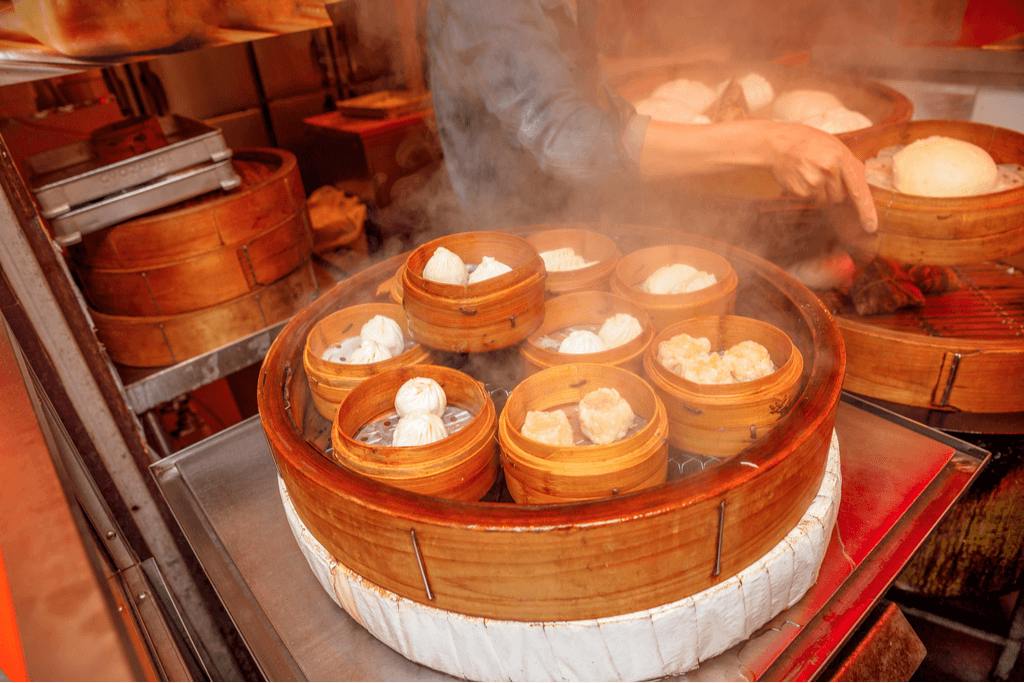
Soak up the Chinatown spirit by heading inside a restaurant and eating like a local. Popular dishes include mapo-tofu – a firm favorite across Japan that features chopped tofu in a deep red spicy sauce; gyoza (dumplings also known as potstickers)- these come in three main ways: boiled, pan fried or steamed; and ramen (wheat noodles)- a dish invented in China but made popular by Japan and Japanese cup ramen.
Much like Kyushu ramen, although many of the dishes have been adapted to Japanese tastes, they still maintain an authentic air.
Street food vendors are to be found on every corner serving plenty of varied dishes and must-try foods. From steamed buns to egg tarts and dumplings, head over in winter to get something hot to cup your hands around while you wander round savoring the sights, sounds and smells of chuukagai.
Special Events
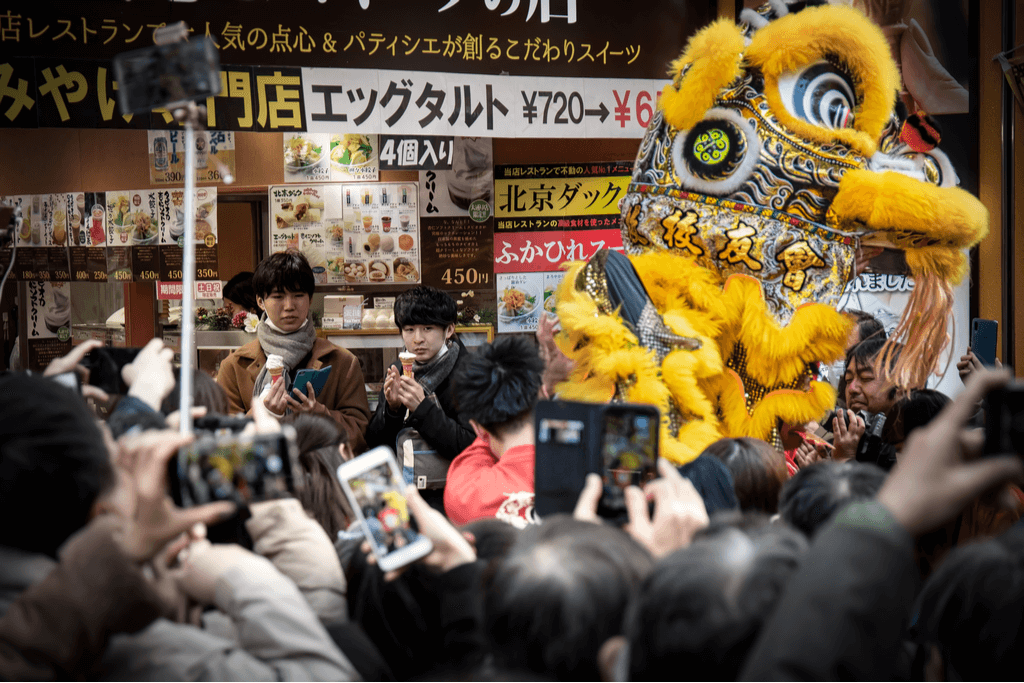
Yokohama Chinatown is a bustling community and an unabashed tourist attraction for both foreign and Japanese tourists. Combine these together, and when it’s time to party, you bet they throw a good one.
The biggest event has to be the annual Chinese New Year celebrations, which take place in February each year. It’s a great party and parade which sees people flocking from across Japan to attend. Expect to spot the infamous Chinese lion dancing through the streets accompanied by musical performances, more street food, and a lot of dancing.
During Chinese New Year, performers take on the costume of an elaborate Chinese dragon and head to a specially-built stage in Yamashita Park along with a traditional Chinese band. Catch the performance if you can, while eating some delicious street food from a nearby vendor and revelling in the spirit of Chinese New Year.
Other events include Western New Year countdowns, illuminations, and small festivals, so be sure to check the site before you go.
How to Get There
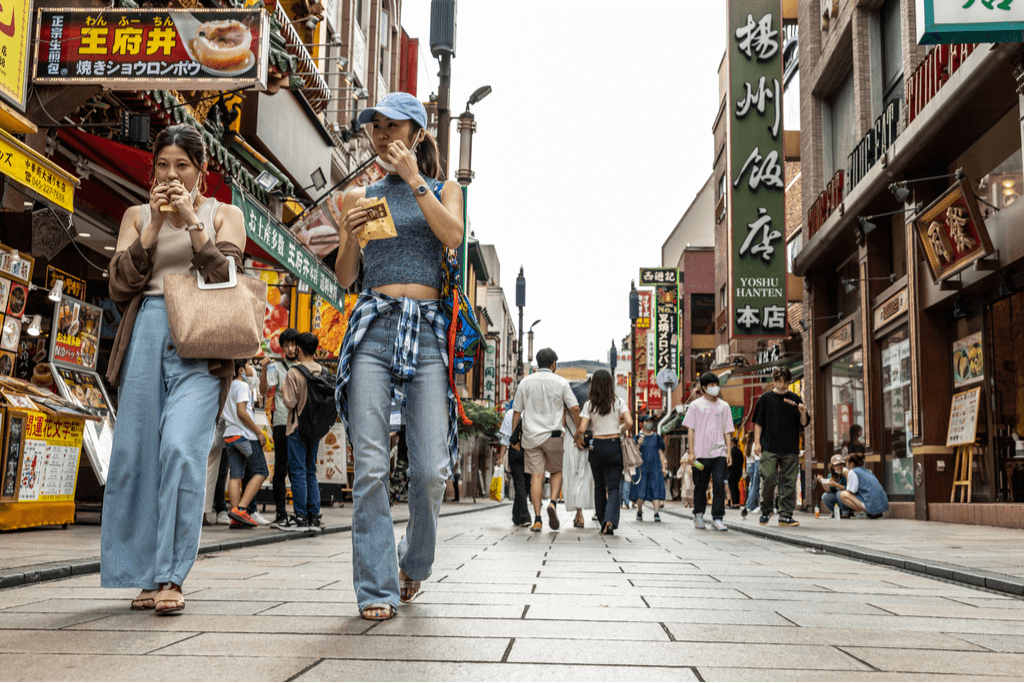
Yokohama Chinatown is very accessible, and not just by boat!
The area is accessible from Yokohama Station via Ishikawacho Station (Negishi Line) or the Motomachi-Chukagai Station (Minato Mirai Line). For those who prefer bus travel, the ‘Akai-Kutsu’ bus, which is designed for sightseeing, also stops at chuukagai.
If you’re walking round the city, you will know when you’ve come to Chinatown by all the colors, the intricately-designed gates, and the exciting noises of street vendors peddling their wares. Chinatown is actually just a hop and a skip from other Yokohama sightseeing spots, like the Cup Noodle Museum and the Yokohama Ramen Museum.
If you make it there after (or before!) reading our article, do drop us a comment below to let us know what you enjoyed about Yokahama Chinatown and if you have any recommendations.

Discover authentic flavors with Sakuraco
Get Sakuraco 
Discover authentic flavors with Sakuraco
Get Sakuraco
Related Articles

Japanese Fish Bait: The Beautiful Art of Kebari
Kebari are traditional hand-tied flies used for freshwater fishing in Japan, especially in mountain streams where small insects form the main diet of native fish. Instead of bright plastic lures, kebari use feathers, thread, and natural materials to create subtle movements in the water.

Japan Holidays Guide: Relax, Explore, and Delight in Festive Fun
As the year draws to a close, everywhere buzzes with preparations for the holidays, and Japan is no exception. Despite the cold winter weather, you can feel warmth in the scenery, decorations, and festive activities across the country. Let’s explore the unique experiences of holidays in Japan that many people dream of enjoying at least once in their lifetime!

Tokyo Gardens: Five Beautiful Traditional Japanese Gardens to Visit
Tokyo gardens offer a relaxing escape for visitors looking to get a breath of fresh air. However, Tokyo has more than just the typical gardens we see in the West. Let’s explore five traditional Japanese gardens and what makes them unique!

Japan Cruise Spotlight: The Ultimate Guide to Abashiri Icebreaker!
Japan offers a diverse range of cruise experiences, taking in various stunning landscapes. But, in the chilly grip of winter, some voyages pull in adventurers from around the globe. At the forefront of these wintry trips is the Abashiri Icebreaker Cruise in Hokkaido.