


silent hill f
Silent Hill F and Its Relation to Shintoism

Devon Lord-Moncrief

Posted on December 24, 2025
Share:
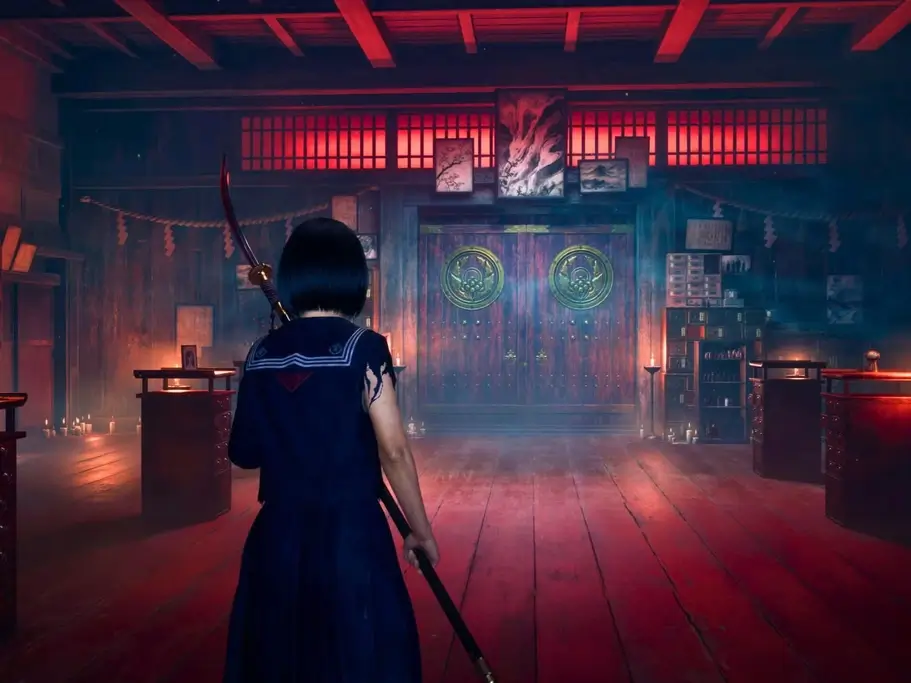
Konami’s Silent Hill series is considered to be one of the greatest and most influential horror franchises in all of gaming, and for good reason. Foregoing typical thrills and explosive action, Silent Hill has established itself as a deeply psychological horror experience. While the series has rooted itself in Western locales and themes since its conception, the latest game, Silent Hill f, has instead placed itself firmly in Japanese myth and culture. Silent Hill f looks to Shintoism as its source of inspiration…and horror.
(Editor’s Note: The video game Silent Hill f deals with sensitive topics and has intense action and imagery; please refer to IMDb for content warnings if necessary.)
The History of Silent Hill
Released in 1998 for the PlayStation, the original Silent Hill introduced players to Harry Mason. He was an ordinary man caught in extraordinary circumstances. Stranded in the mysterious town of Silent Hill, Harry had to explore its fog-covered streets in search of a missing young girl. The game established many of the series’ enduring themes—loneliness, despair, twisted faith, and the darkness within the human soul.

What makes Silent Hill f so unique is how the game shifts away from the traditional locale the series is famous for and instead opts for an entirely Japanese experience. Set within 1960s Japan, the game features a young girl who becomes entangled in a supernatural adventure. Deepening the game’s Japanese setting is its heavy use of Shintoism and Shinto imagery.
What exactly is Shintoism?
Shintoism is a deeply embedded religion in Japan and Japanese culture. It is impossible to pinpoint precisely who spearheaded Shintoism, but the practice has been active in Japan for centuries. Essentially, Shintoism is the practice of worshipping the countless gods and spiritual deities that exist throughout Japan. These gods and beings, known as kami, can be as large as the spirits that oversee childbirth and motherhood, or as small as entities that can exist within everyday objects.
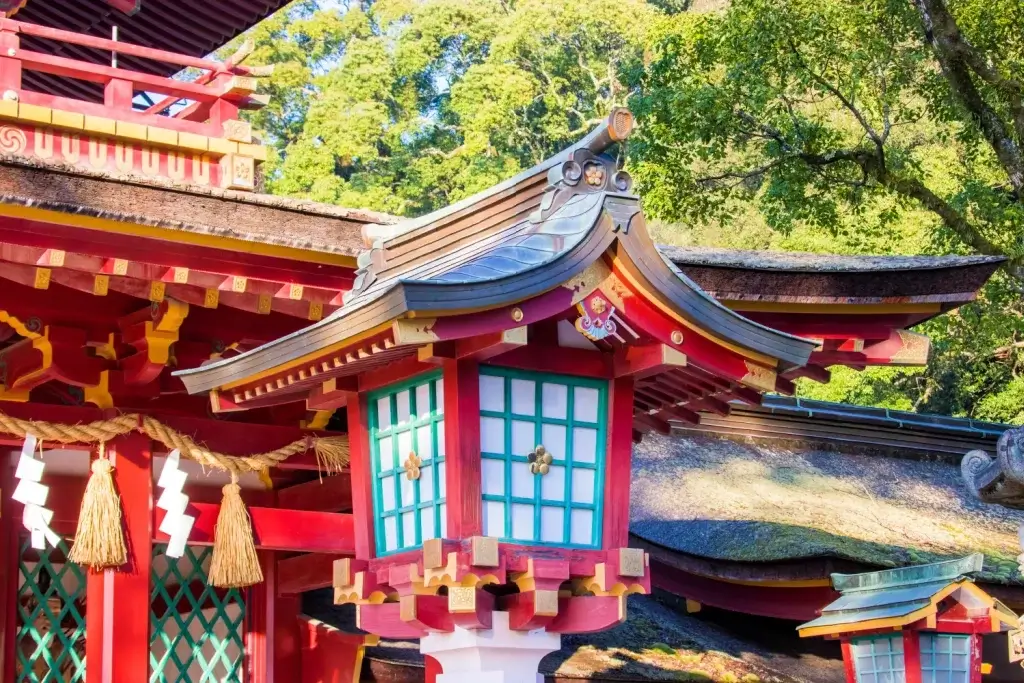
Even people who have never visited Japan may recognize Shinto imagery. Torii gates, found throughout Japan, frequently appear in pop culture, calendars, and postcards. The shrine maiden, dressed in white robes, is another well-known symbol of Shinto tradition. Across Japan, people continue to participate in Shinto practices, praying to local kami and visiting nearby shrines.
How Shintoism Is Utilized In The Game
Shintoism appearing in a video game isn’t unique to Silent Hill. Many other games, such as Fatal Frame, have utilized it before. For Silent Hill, though, this marks a first. The series typically centers on the town itself, its mysterious cult, and the monsters that emerge from it. Earlier games never included Shinto elements, focusing instead on gruesome creatures and psychological horror inspired by films like Jacob’s Ladder.

The Shinto content that is in Silent Hill f ranges from buildings, shrines, and physical objects to specific deities, entities, and religious practices. These include kitsune, or foxes, which are a famous part of Shintoism. Hokora are integral locations in the game where players may increase their stats. These shrines are dedicated to smaller kami that do not have a permanent residence in larger shrine locations. In classic Silent Hill fashion, the inversion of something classically pure is on full display with the inclusion of shiromuku. Shiromuku are the traditional white robes worn by brides on their wedding day. Of course, the game features plenty of other Shinto references as enemies, puzzles, and as set pieces in the environment.
Are you looking for great snacks to enjoy while having interactive media experiences? Check out Sakuraco! Sakuraco delivers traditional Japanese snacks, sweets, teas, and more from local Japanese makers right to your door!

Why is Shintoism so unique for Silent Hill?
The heart of Silent Hill, as a series, has always been to deconstruct and study what lies at the core of a person’s heart. It is within these depths that the horrible things, the foul thoughts, and the untidy desires fester. Silent Hill, as a town, could extract the truth from a person’s soul and make it manifest; this was the core of Silent Hill 2, with everything the protagonist, James Sunderland, saw and experienced being a direct representation of what existed within him.
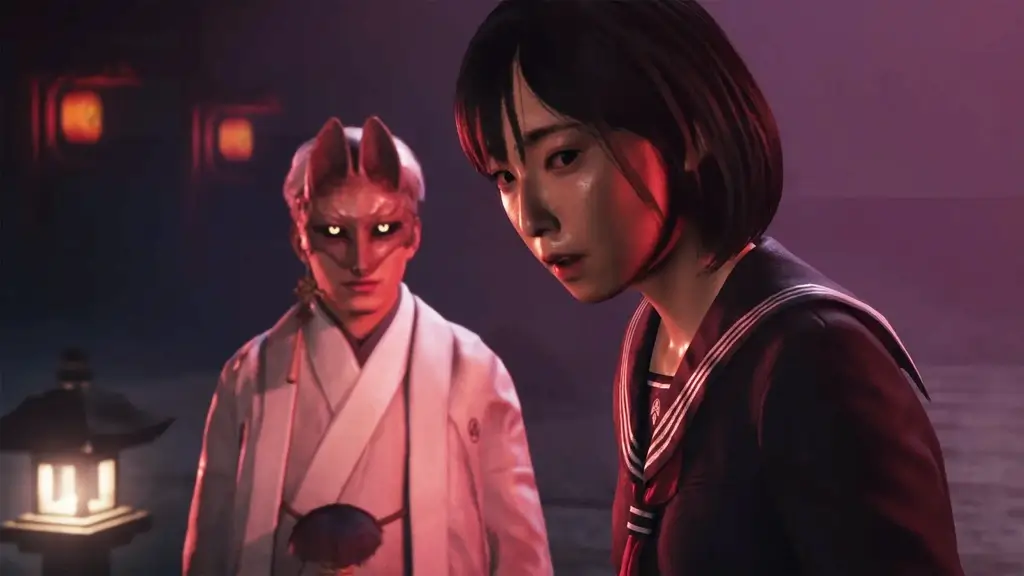
Nevertheless, in Silent Hill, the shift toward Shintoism may seem like a bold change for the series. Yet the message remains the same: darkness exists in everything, whether we admit it or not. The use of distorted Shinto imagery isn’t just surface-level horror. It reflects the same themes of corruption and human darkness that the series has always explored.
However, for the main character Shimizu Hinako, her adventure into the viciously supernatural may be a test of faith for her, or the inevitable confrontation of repressed trauma that’s been long overdue for her. It’s up to her – and the players – to discover the truth behind it all. Have you played the game yet? Please let us know! We’d love to hear your thoughts on it!
Cited Sources
- Tokyo Weekender. “Shinto Motifs in Silent Hill F“.
- The Japan Times. “How Japan’s greatest psychological horror game came home“.
- Automaton. “Silent Hill f was initially supposed to take on a more classic religious cult narrative, but the devs trusted global players to grasp a fully Japanese mythological worldview“.

Discover authentic flavors with Sakuraco
Get Sakuraco 
Discover authentic flavors with Sakuraco
Get Sakuraco
Related Articles

Japanese History Spotlight: Who Was Niijima Yae?
Niijima Yae stands among the most remarkable figures to emerge from Japan’s transition from the late Edo period to the modern Meiji era.

Wakayama Prefecture: Best Tourist Sites to Visit
Wakayama Prefecture has long served as a pilgrimage route and a resource-gathering area in Japan. This still holds true today. Its mountains, coastlines, and sacred grounds still draw people to the area for the same reasons. But today, it also supports modern tourism alongside its traditional fishing and spiritual communities.

Traveling to Kiso Valley: Why Should You Visit?
Long ago, this quiet region was one of Japan’s main travel routes, connecting people, timber, and knowledge across the country. Today, we’ll explore five sites in Kiso Valley, each with its own story and charm.
Lavender in Japan: Places to Enjoy Purple Fields
Japan’s seasonal plants and trees bring color to the country each year. However, it may surprise you to know that some of the most popular are not native Japanese plants at all. Lavender is one such seasonal flower that blankets landscapes during the summer months.