


crane origami, renzuru
Japanese Crane Origami: The Magic of Renzuru

Savannah Walker

Posted on January 15, 2026
Share:
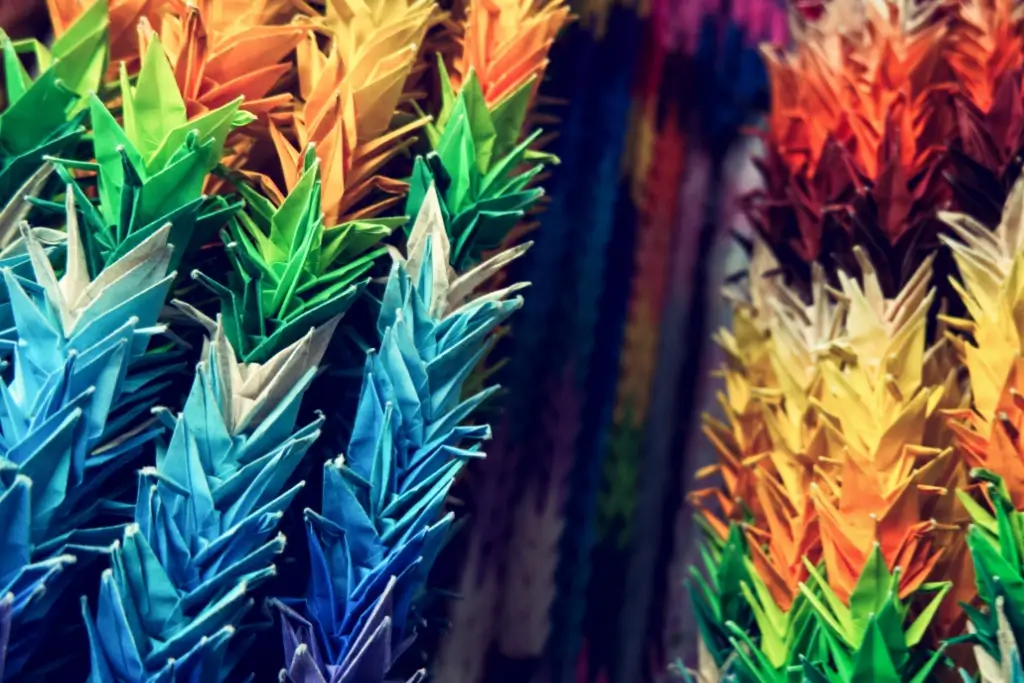
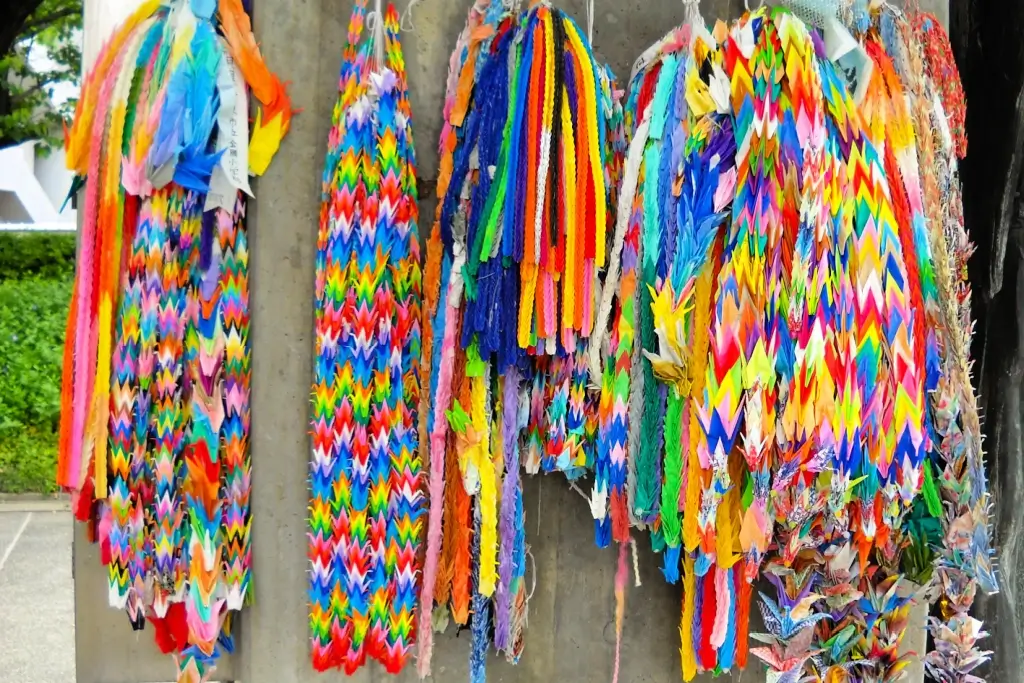
In Japan, a simple paper crane carries deep meaning as a symbol of peace, healing, and hope. But take that one crane and connect hundreds into a flowing chain, and you create renzuru, which is Japanese crane origami that transforms a single fold into a breathtaking arrangement of color and hope.
This advanced art form, known as “connected thousand cranes,” transforms simple paper into poetry and tradition, with each bird’s wing linking to the next to create endless patterns. They can be hung from ceilings or draped over shrines. Renzuru grabs people’s attention with its beauty and the tradition that is put into every twist.
What are Japanese crane origami chains?
Renzuru refers to chains of origami cranes, folded from a single continuous sheet of paper or individually linked together. Unlike a single crane, which anyone can learn in minutes, this requires a high level of accuracy and considerable effort to create flowing strands that can stretch meters long. Colors range from vibrant rainbow papers to soft pastels, with patterns like spirals, waves, or hearts emerging as the chain unfurls.
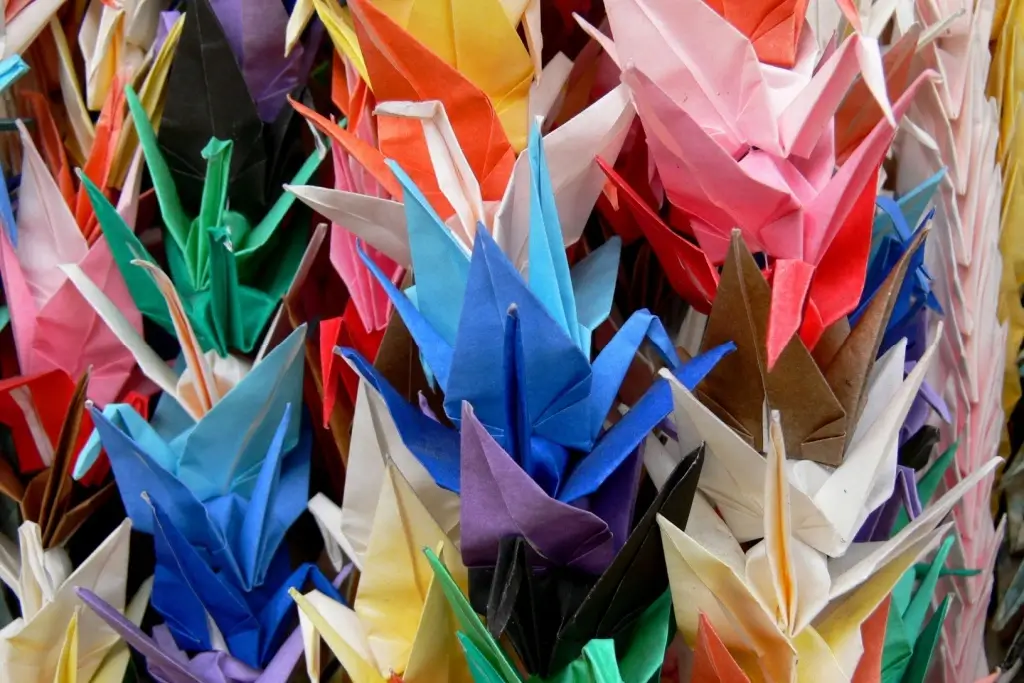
The classic thousand origami cranes, or senbazuru, often use renzuru techniques. Legend has it that folding 1,000 cranes grants a wish, inspired by Sadako Sasaki, a Hiroshima survivor who folded cranes during her illness. Her story turned the crane into a global peace symbol, and these chains show that message with their scale and unity, each bird supporting the next.
How did renzuru origami cranes begin?
Origami cranes date back to the Edo period (1603-1868), when paper folding evolved into an art form among both samurai and commoners. The basic crane, or tsuru orizuru, spread as a party trick or gift. Today’s form evolved later, likely in the 20th century, as folders experimented with linking models for festivals and decorations.
Sadako’s legacy in the 1950s popularized senbazuru, and skilled artists like Takashi Suzuki refined this into intricate chains. Today, workshops in Tokyo and Hiroshima teach the craft, passing techniques from masters to students. Annual peace festivals feature massive installations, linking Japan’s folding tradition to modern calls for harmony.
How do you make Japanese crane origami?
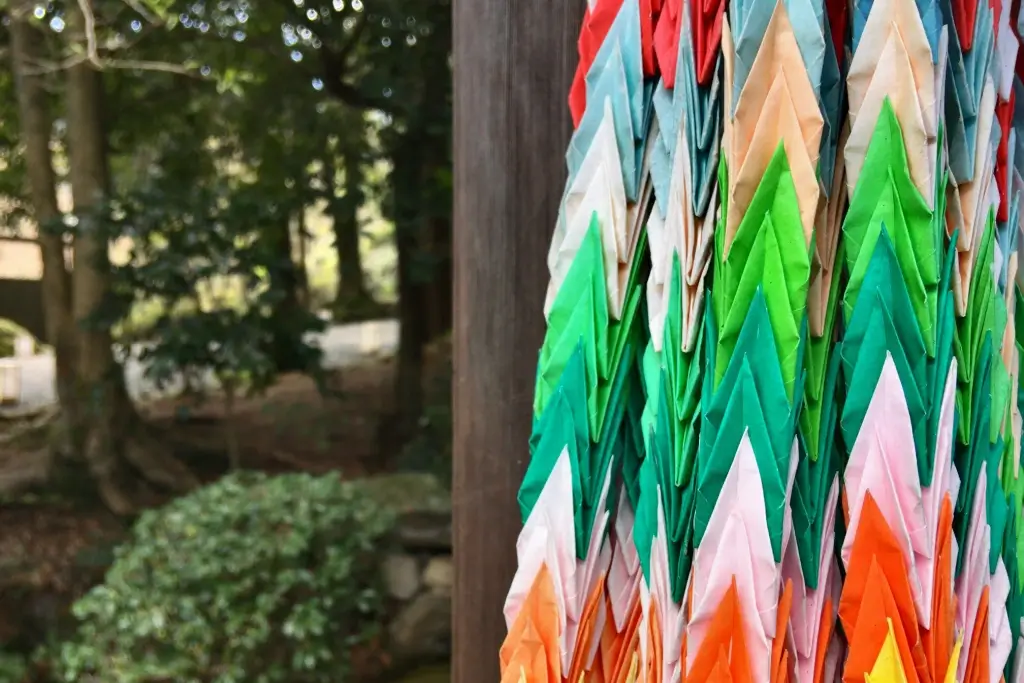
Folding these starts with mastering the basic crane: valley folds, mountain creases, and a beak pinch from a square paper. For chains, folders cut long strips or use pre-linked papers, folding one crane after another without cutting between them. Key steps include precisely narrowing the wings to slip into the next bird’s body, ensuring the chain drapes smoothly without tangles.
Beginners start with 10-crane practice chains, progressing to 100 or more. Advanced folders may create patterns mid-chain, such as diamonds or loops, using colored papers for visual impact. Tools like bone folders sharpen creases, and patience prevents rips. A full senbazuru might take 20-30 hours, spread over days, turning folding into meditation.
Common challenges include uneven links or drooping sections, which can be solved by maintaining consistent tension and regular practice. Online tutorials and books can help guide newcomers, while classes offer hands-on tips from experts.
Are you looking for great snacks after making Japanese crafts? Check out Sakuraco! Sakuraco delivers classic Japanese teas, ceramics, and sweets from local Japanese businesses straight to your door!

Famous displays and artists
Hiroshima’s Peace Memorial Park showcases massive renzuru chains sent from around the world, draped over Sadako’s statue. Tokyo’s origami museums feature Takashi Suzuki’s works, with chains spanning rooms in designs. Annual events like the Origami World Festival display record-breaking renzuru, some of which are over 10,000 cranes long.
Artists also innovate: some embed LED lights for glowing chains, while others use metallic papers for special occasions. Schools craft class-sized renzuru for festivals, fostering teamwork. Globally, renzuru is used in weddings as a symbol of unity and in hospitals as a form of therapeutic art.
Why Japanese crane origami today?
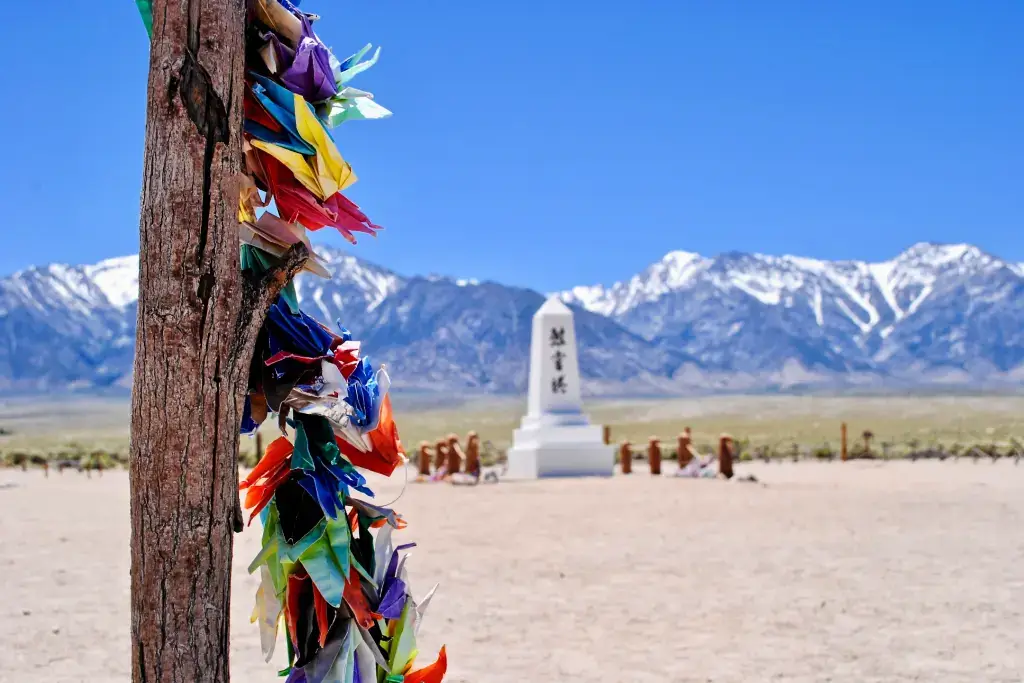
Beyond beauty, renzuru teaches mindfulness and resilience. Each fold quiets the mind, and linking cranes symbolize interconnected lives; one weak link affects the whole. In disaster relief, such as after the 2011 Tohoku earthquake, chains flooded shrines as people prayed for recovery.
For children, it’s playful math: geometry in creases, patterns in colors. Adults find therapy in the repetitive nature, which reduces stress, much like knitting or coloring. Environmentally, it uses recycled paper, promoting sustainability. As a gift, a small renzuru chain conveys deep wishes, better than flowers, as it lasts. Hung in homes, they sway gently, reminding us of hopes fulfilled.
Renzuru in Japanese culture and beyond
Cranes embody longevity in Japan, paired with turtles in art. Renzuru extends this to community strength, as seen in the appearance of Shinto festivals, weddings, and New Year’s decorations. Globally, it’s a peace ambassador: chains sent to Ukraine or Gaza carry a message of solidarity during a difficult time.
Workshops thrive in Kyoto and Nara, where folding is often combined with tea ceremonies. Digital twists include AR apps scanning chains for virtual flights. Yet handmade renzuru endures, its imperfections proving human touch.
Bringing renzuru home
Start your own chain with square origami paper and YouTube guides. Aim for 108 cranes, a Buddhist symbol of luck. Renzuru origami cranes weave fragility into strength, one fold at a time. In a rushed world, they invite slowness, turning paper into prayers that flutter forever. Whether for peace or personal wishes, a chain of cranes lifts spirits higher than any single bird could fly. Have you ever seen or made these cranes before? Let us know in the comments below!
Discover authentic flavors with Sakuraco
Get Sakuraco 
Discover authentic flavors with Sakuraco
Get Sakuraco
Related Articles
Forest Bathing in Japan: The Ultimate Guide
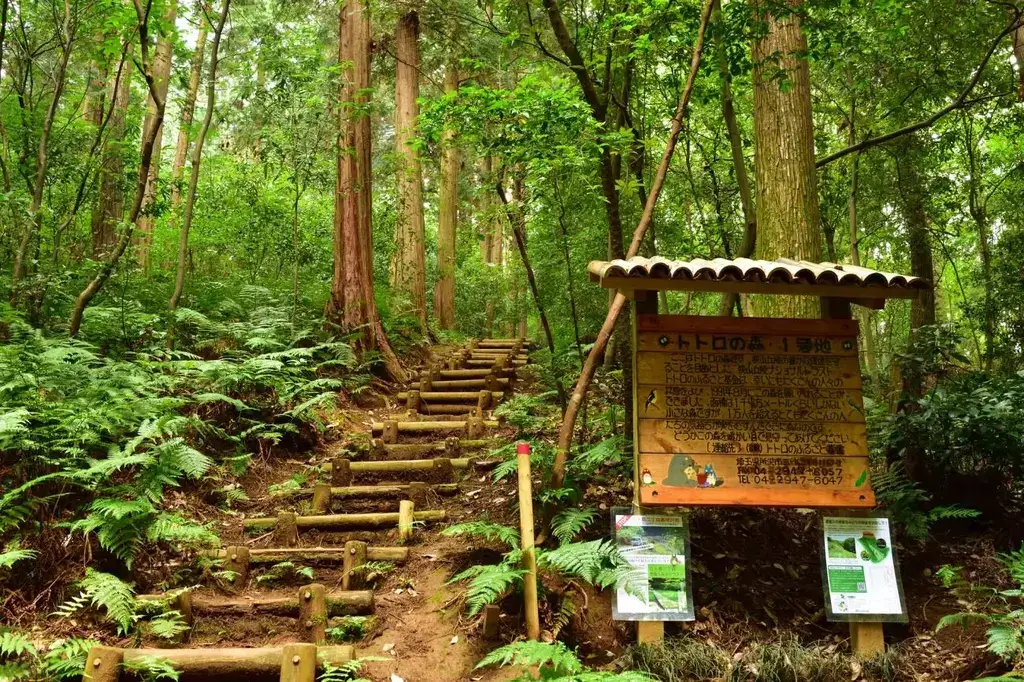
Japan is known for cultural traditions that promote balance, mindfulness, and a connection with nature. One of the most distinctive is forest bathing, or shinrin-yoku. Despite its name, forest bathing does not involve water.
Kawadoko Dining in Japan: A Unique Riverfront Summer Tradition
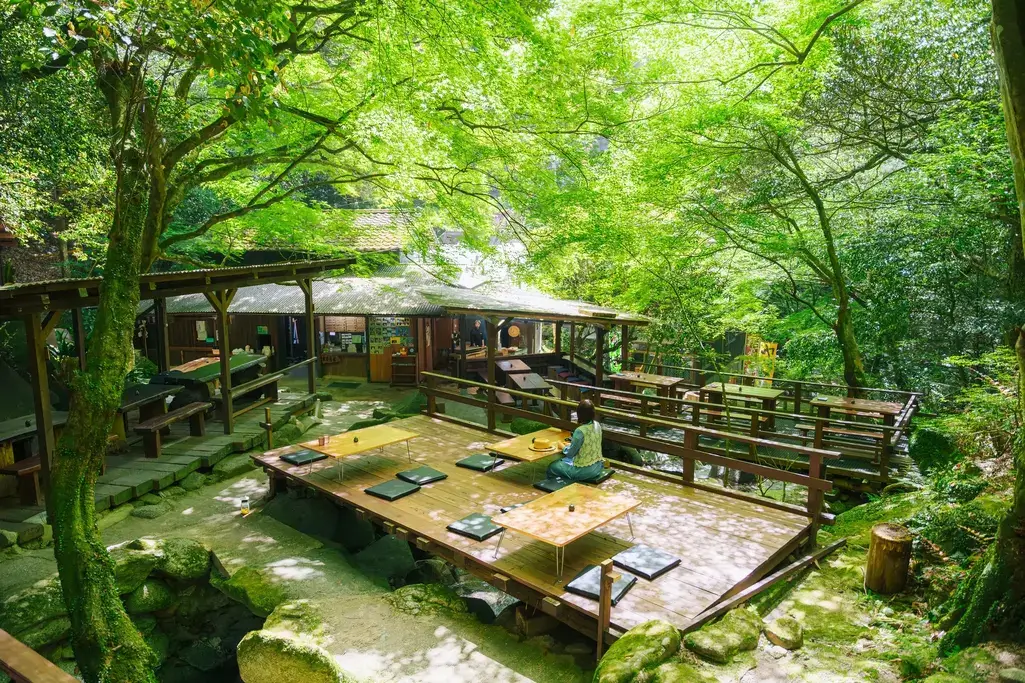
Japan is home to many seasonal traditions that help people appreciate the changing environment. One of the most distinctive is kawadoko dining, an outdoor dining style that allows guests to enjoy meals beside or above flowing rivers during the warmer months. Known for its cool atmosphere and scenic surroundings, this riverfront dining tradition has become one of Japan’s most memorable summer experiences.
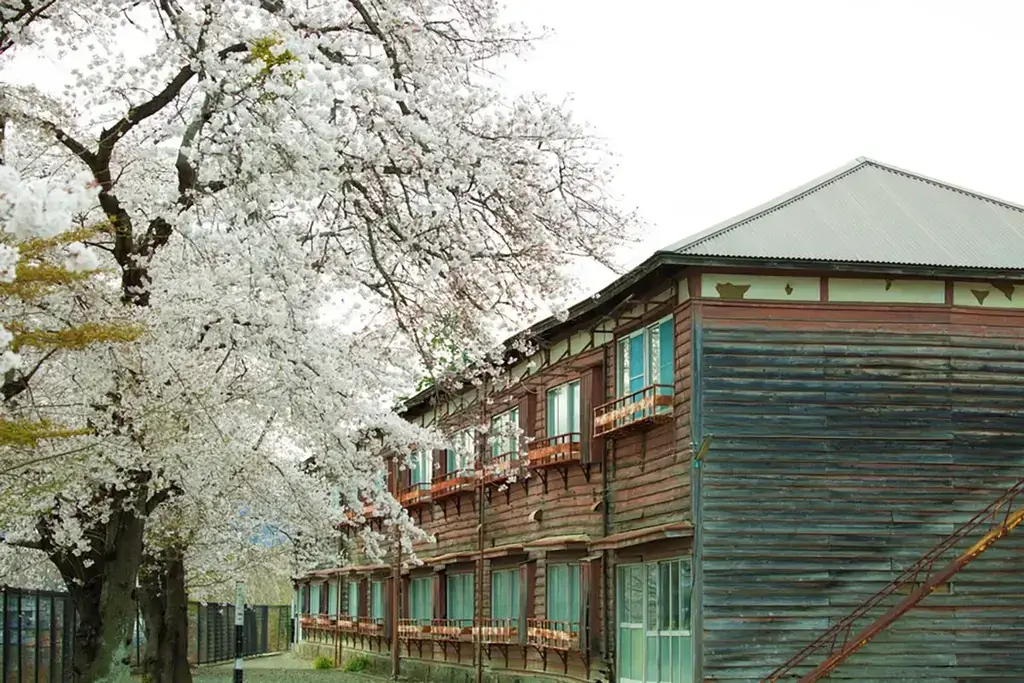
Tomioka Silk Mill: The Factory That Helped Modernize Japan
The Tomioka Silk Mill is one of Japan’s most important industrial heritage sites. Located in Tomioka City in Gunma Prefecture, the mill played a major role in Japan’s modernization during the late 19th century.
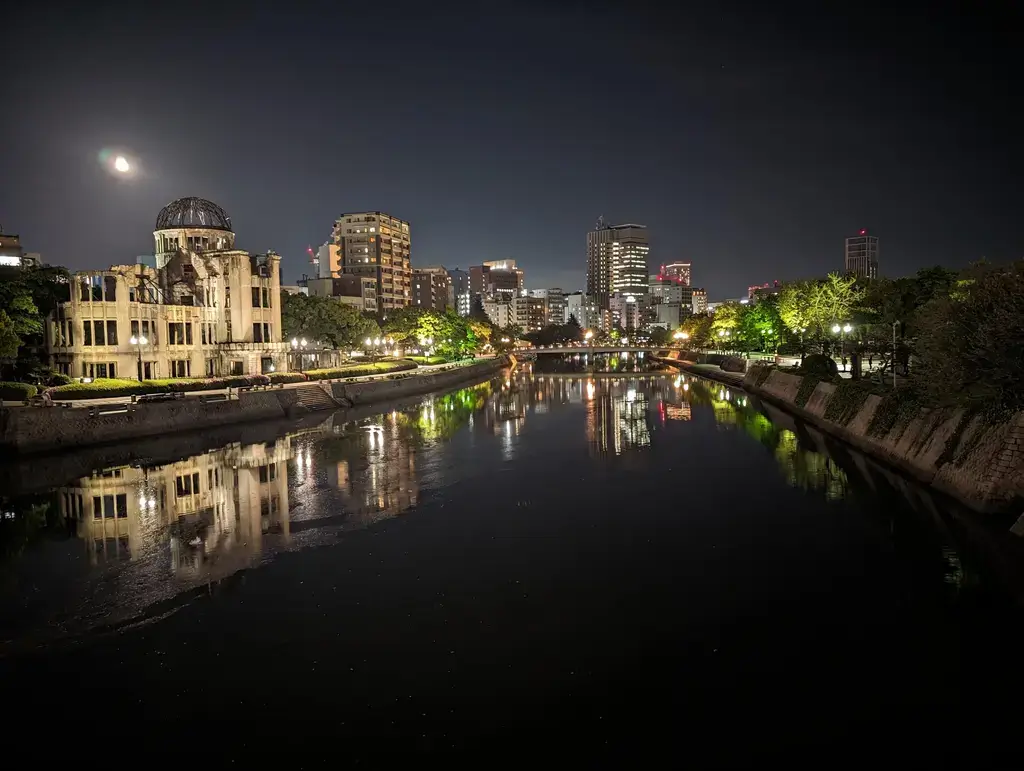
Hiroshima: History, Food, and Scenic Destinations
Hiroshima is one of Japan’s most historically important and culturally rich regions. Located along the Seto Inland Sea in western Japan, Hiroshima Prefecture is known for its history, food, and coastal scenery.