


hiroshima pictures
Hiroshima Pictures: Best Natural Sights in the Prefecture!

James Lau

Posted on December 22, 2023
Share:
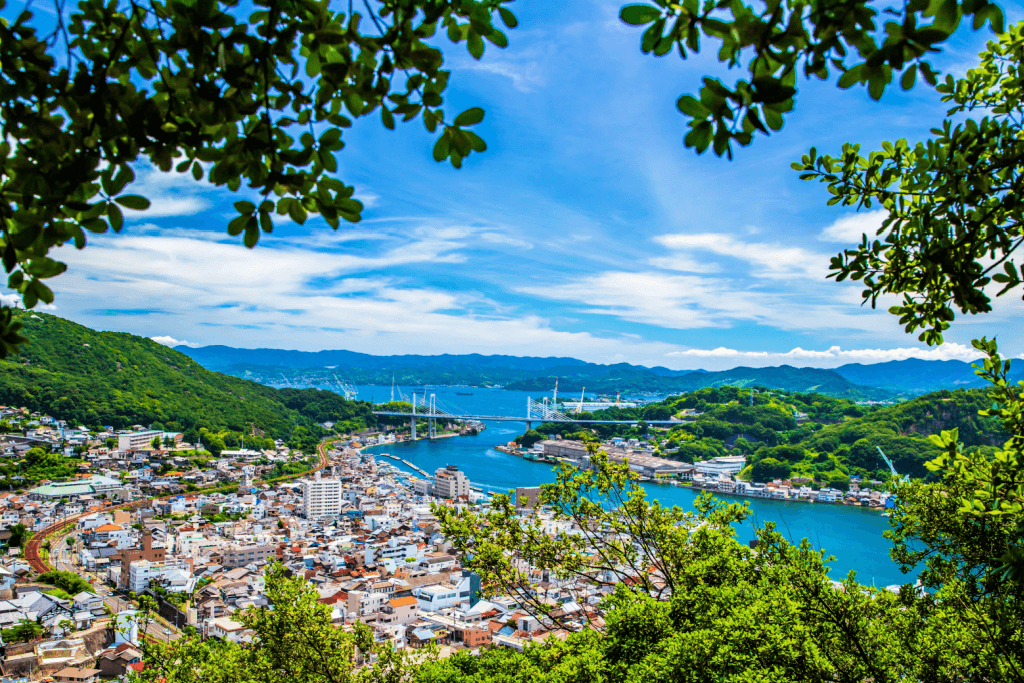
Let’s look at some of the most beautiful places to take those Hiroshima pictures that your friends will love! With some of the most beautiful places in Japan, from calm gardens to breathtaking gorges, Hiroshima offers tons of natural beauty that you should check out! Let’s take a look at some of the best Hiroshima has for you to see!
Shukkeien Garden
In the heart of Hiroshima is Shukkeien Garden, where nature’s beauty is miniature. “Shukkeien” translates to “shrunken scenery” and is the garden theme. The garden has landscapes mirroring valleys, mountains, and rivers. Built-in 1620 by a tea master as a private villa for the Asano family, the garden now welcomes visitors. There’s also a tea house near the edge of the garden’s main pond, allowing guests to appreciate the surroundings.
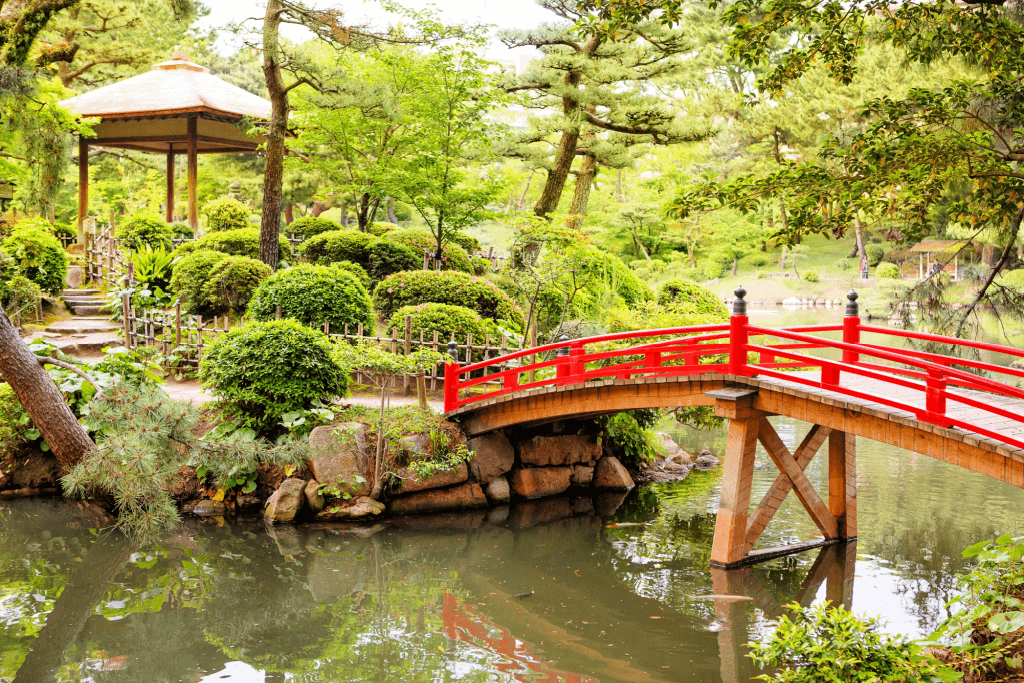
Despite its beauty, Shukkeien’s history has moments of struggle and reconstruction. The garden almost perished during WWII, with nearly all structures reduced to rubble. After the tragedy, however, the city restored Shukkeien to its original glory, preserving its traditional Japanese garden aesthetics. Today, the garden hosts tea ceremonies throughout the year, providing an immersive experience in traditional Japanese culture.
Shimanami Kaido
The Shimanami Kaido goes from Onomichi City in Honshu to Imabari City in Shikoku. It is a 60-kilometer toll road and a unique link between Japan’s main islands. To be more specific, this scenic route crosses six islands in the Seto Inland Sea, giving travelers views of the water and towns. Also known as the Nishiseto Expressway stands out as the sole pathway accessible on foot or by bicycle, setting it apart from other connections between Shikoku and Honshu.
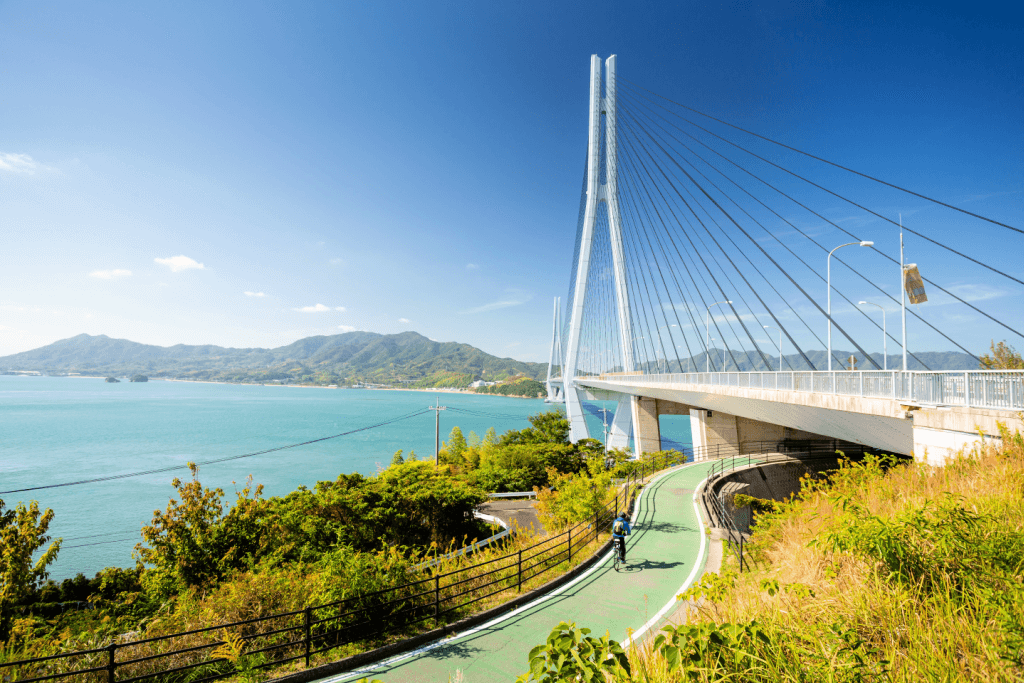
The Shimanami Kaido provides an exciting bicycle route with well-marked paths and gentle inclines on the ramps leading to the bridges. Moreover, cyclists can explore cultural attractions like the Hirayama Museum and Kosanji Temple. There is also a museum for the Murakami Kaizoku, pirates from the Sengoku era, where visitors can enjoy Kaizoku Musubi rice ball, a snack that the Murakami Kaizoku might have eaten. This road is one of many places to take beautiful pictures of Hiroshima.
Bihoku Hillside Park
Bihoku Hillside Park is Japan’s 11th national park and the first one in the Chugoku region. The park also offers many attractions, including “Hiba no Sato,” a space replicating the Chugoku Mountains, and “Hana no Hiroba,” an area filled with blooming flowers. The park is a popular destination and provides year-round enjoyment with seasonal events. These events include the Bihoku Flower Picnic in spring, the Bihoku Cosmos Picnic in autumn, and the Bihoku Illumination during the winter.
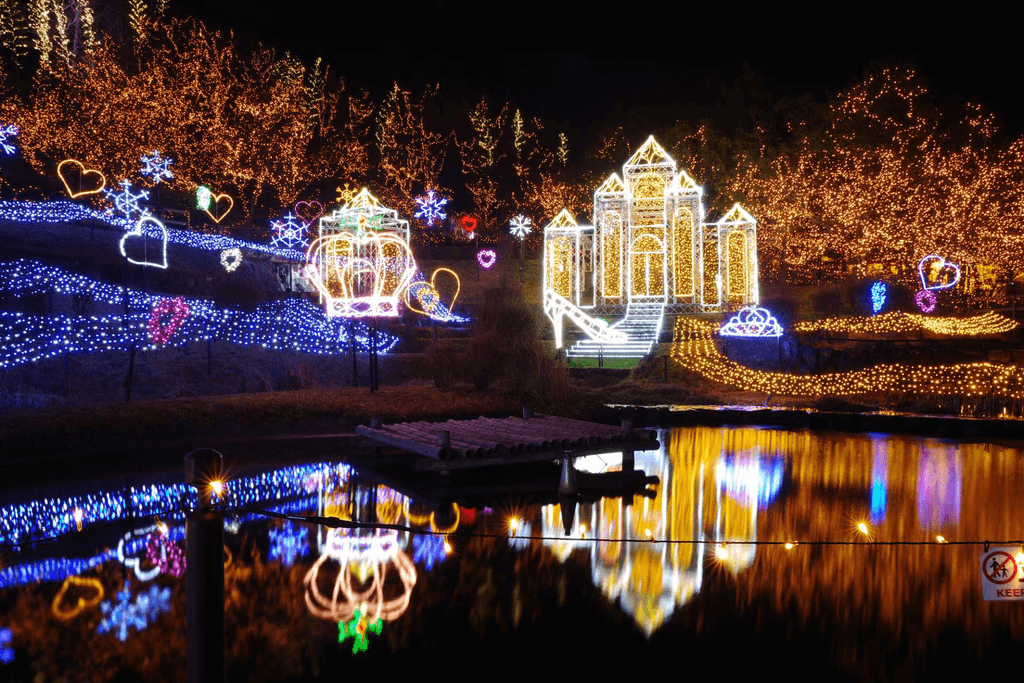
During the springtime festival, from mid-April to mid-May, the park transforms with around 180,000 poppies in bloom. Bihoku Hillside Park is for all ages, providing a space for learning, playing, and appreciating nature. This is because there are over 40 types of playground equipment and activities in the “Kyu-no-oka” complex during summer. With its beauty, the park is undoubtedly a year-round favorite for those seeking fun and relaxation in Hiroshima.
Are you interested in some delicious snacks while taking pictures in Hiroshima? Check out Sakuraco! Sakuraco delivers traditional Japanese snacks, teas, and sweets from local Japanese makers directly to your door so you can enjoy the latest delicacies directly from Japan!

Sandankyo Gorge
Along the Shibaki River in northwestern Akiota, Sandankyo Gorge stands as a marvel of nature. It is a designated Special Place of Scenic Beauty and a part of Nishi-Chugoku Sanchi Quasi-National Park. The gorge prioritizes nature conservation, offering visitors paths that blend with the environment. Everyone can enjoy the rushing waters, massive cliffs, and untouched forests with walking courses for all levels.
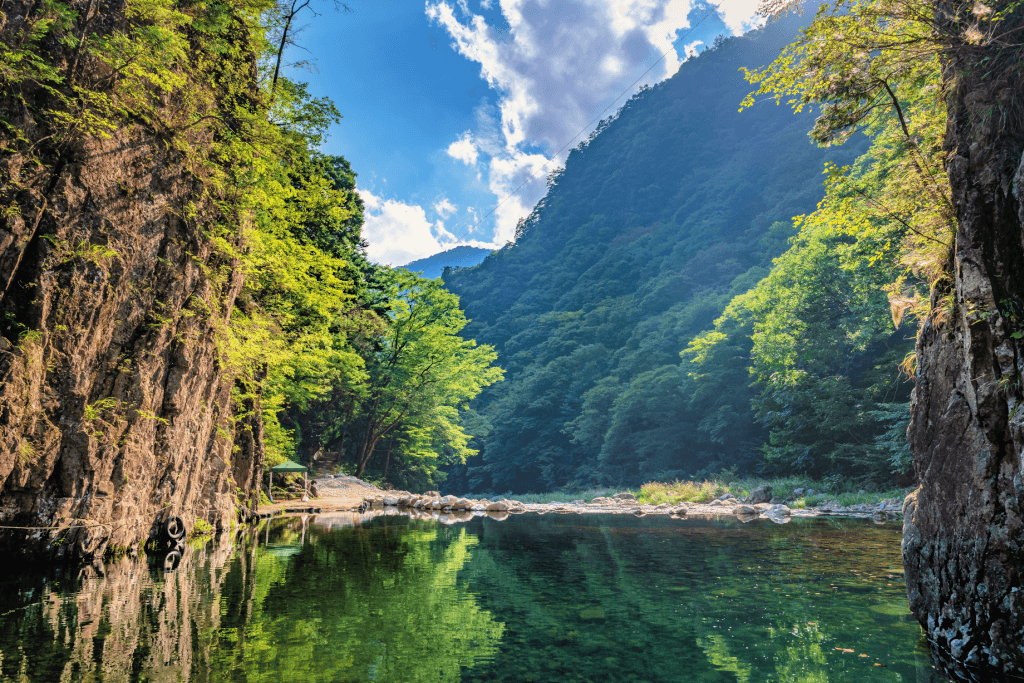
Sandankyo Gorge initially came into the public eye via photographer Kuma Nanpo. His passion for preserving its beauty led to its designation as a “Special Place of Scenic Beauty” in 1953 and a quasi-national park in 1969. Today, visitors can also travel on the trails, passing by waterfalls like Shimaidaki, Akadaki, and Meotobuchi, and explore the Nidandaki Falls by boat. Therefore, guests can stay at the historic Sandankyo Hotel, where they can eat locally sourced meals and enjoy the view.
Sensui Island
Floating just beyond the port of Tomonoura, Sensui Island is full of nature. Additionally, the island’s name, inspired by its abundant natural beauty, is legendary. Sensui Island is also a sanctuary of untouched landscapes shaped by ancient volcanic activity. Overall, the island’s trails provide panoramic views of Tomonoura’s charming townscape.
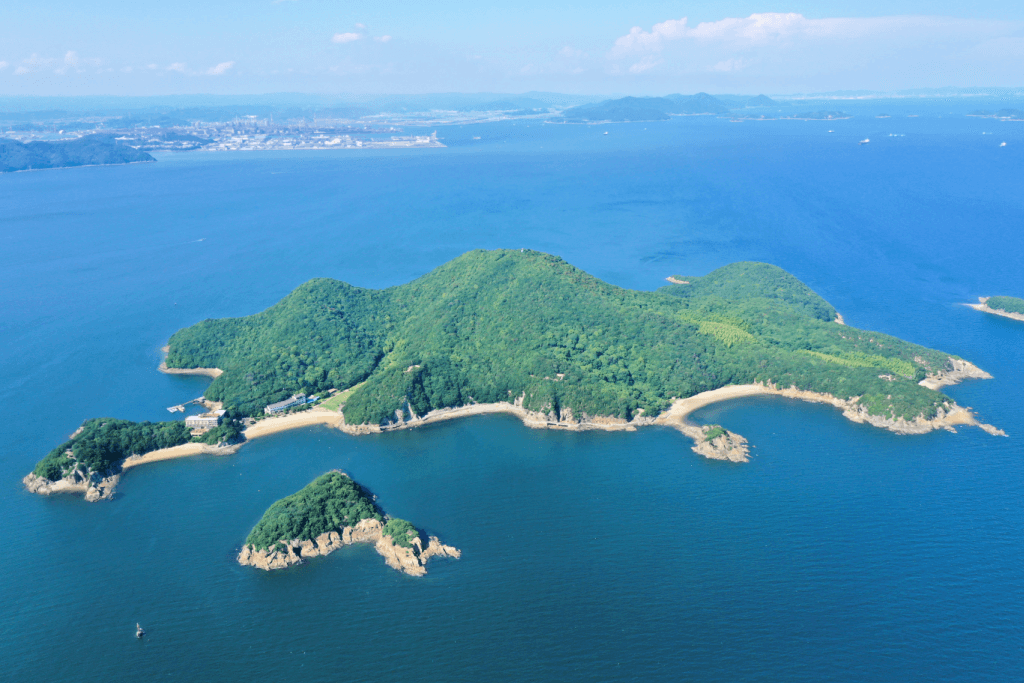
The coastline has mysterious rock formations, while the legendary Goshiki-iwa Rock shows off a rare five-color layer. With over 200 sea caves to explore, Sensui Island invites guests to enjoy unique activities, from swimming and barbecuing to cruises and firefly tours. For an extended stay, the island offers accommodations. Moreover, the annual Sea Bream Netfishing event in early summer allows visitors to witness traditional fishing methods and purchase fresh fish directly.
Why should I go to these places to take Hiroshima pictures?
These natural sights offer a chance to pause and reconnect with the wonders of the earth. Whether you’re a nature lover, a photography enthusiast, or someone looking to relax, Hiroshima’s beautiful landscapes are suited for all. Each location provides a unique experience, ensuring something for everyone in Hiroshima’s natural beauty.
All in all, we hope you’ll go on your adventures and witness the beauty captured in these “Hiroshima pictures.” Have you explored Hiroshima’s natural wonders? Are you inspired to add them to your travel bucket list? Let us know in the comments below!

Discover authentic flavors with Sakuraco
Get Sakuraco 
Discover authentic flavors with Sakuraco
Get Sakuraco
Related Articles
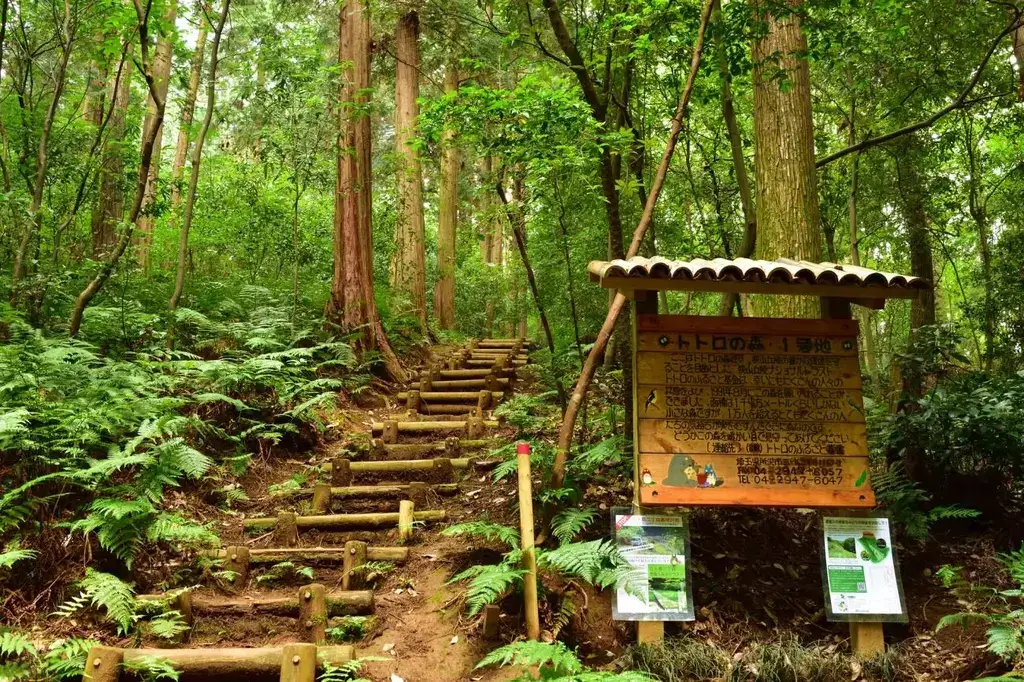
Forest Bathing in Japan: The Ultimate Guide
Japan is known for cultural traditions that promote balance, mindfulness, and a connection with nature. One of the most distinctive is forest bathing, or shinrin-yoku. Despite its name, forest bathing does not involve water.
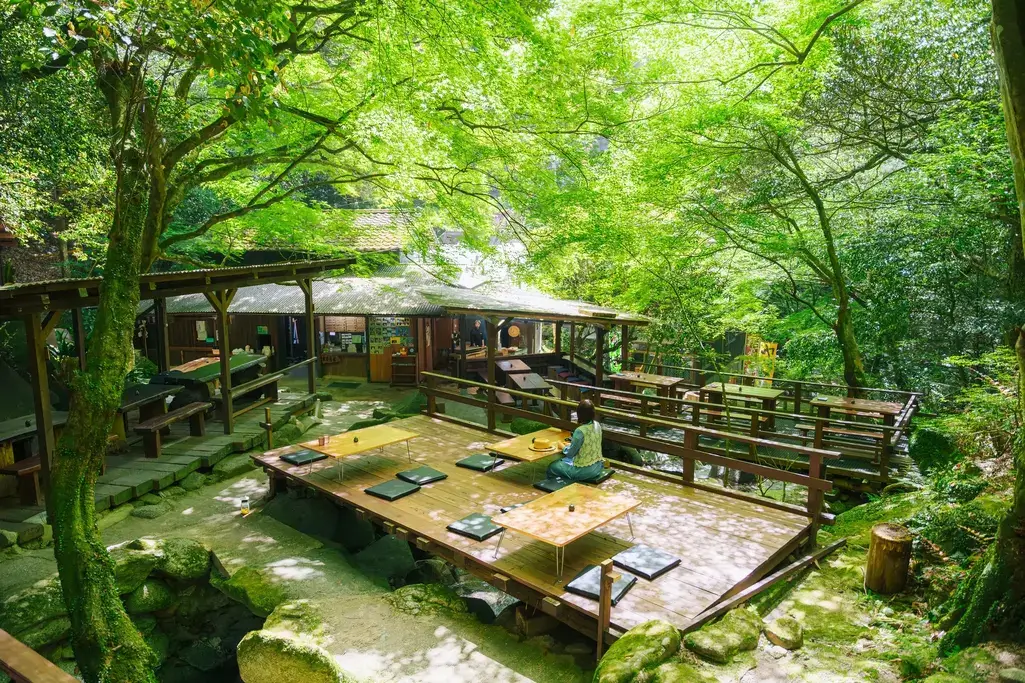
Kawadoko Dining in Japan: A Unique Riverfront Summer Tradition
Japan is home to many seasonal traditions that help people appreciate the changing environment. One of the most distinctive is kawadoko dining, an outdoor dining style that allows guests to enjoy meals beside or above flowing rivers during the warmer months. Known for its cool atmosphere and scenic surroundings, this riverfront dining tradition has become one of Japan’s most memorable summer experiences.
Tomioka Silk Mill: The Factory That Helped Modernize Japan
The Tomioka Silk Mill is one of Japan’s most important industrial heritage sites. Located in Tomioka City in Gunma Prefecture, the mill played a major role in Japan’s modernization during the late 19th century.
Hiroshima: History, Food, and Scenic Destinations
Hiroshima is one of Japan’s most historically important and culturally rich regions. Located along the Seto Inland Sea in western Japan, Hiroshima Prefecture is known for its history, food, and coastal scenery.