


japanese art, japanese culture, Japanese game, shrine, video game
Final Fantasy Artist Donates Paintings to Kyoto Shrine as Tribute!

Devon Lord-Moncrief

Posted on July 18, 2025
Share:
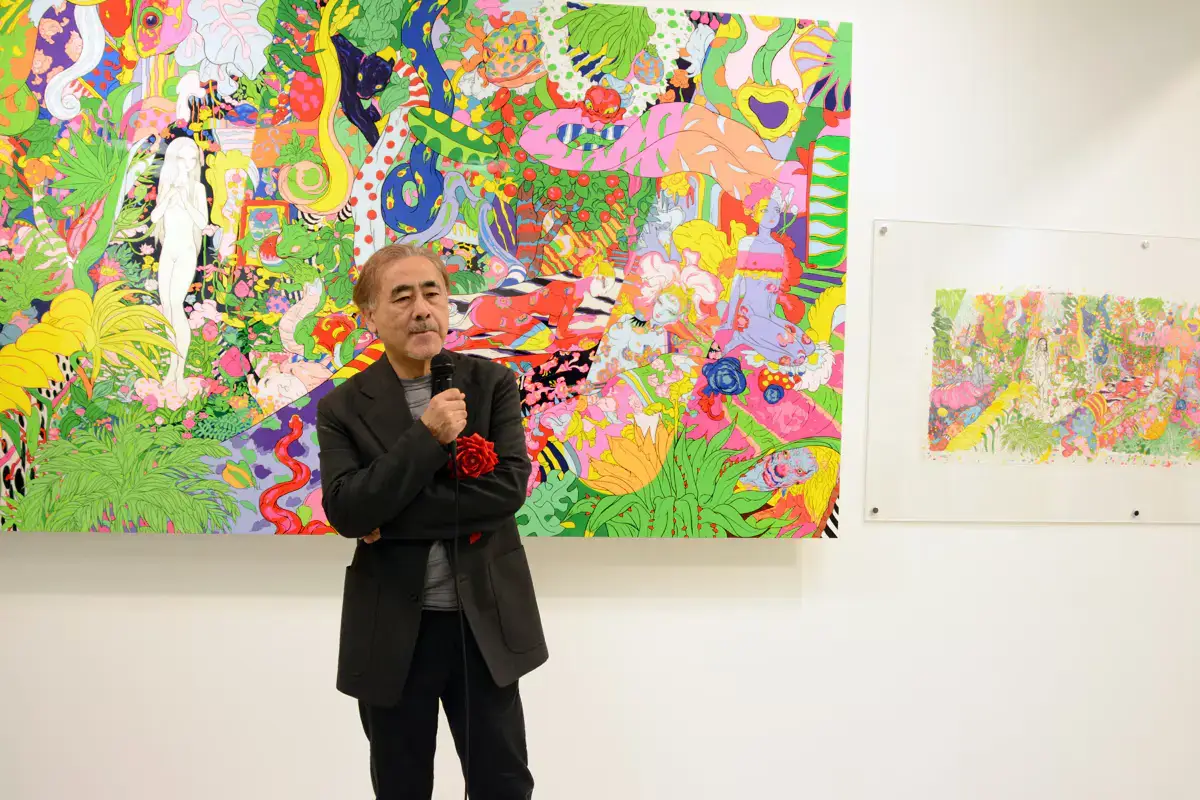
The act of blending physical art with the living history of Japanese legends dates back centuries throughout Japan. Countless shrines, temples, and castles are home to paintings, sculptures, and literature dedicated to the rich and lustrous history of Japanese myth. To honor these myths and legends further, world-class painter and Final Fantasy artist Yoshitaka Amano created several new paintings for the Fushimi Inari Taisha shrine in Kyoto.
For one of the world’s most famous artists to present the shrine with such art is a significant deal that will be honored for many years. Discover who Yoshitaka Amano is and what makes his art special!
Who is Final Fantasy Artist Yoshitaka Amano?
Yoshitaka Amano is one of Japan’s foremost artists whose work has become famous in video games, anime, and manga. Most famously, Yoshitaka Amano is known for his art for the Final Fantasy series of games. His art and designs have inspired and shaped the series since the very first title on the NES.
Alongside Final Fantasy, Amano is famous for contributing art to Hideyuki Kikuchi’s Vampire Hunter D series of novels. His work has produced covers for many of the books, bringing Kikuchi’s dark sci-fi series to startling life.
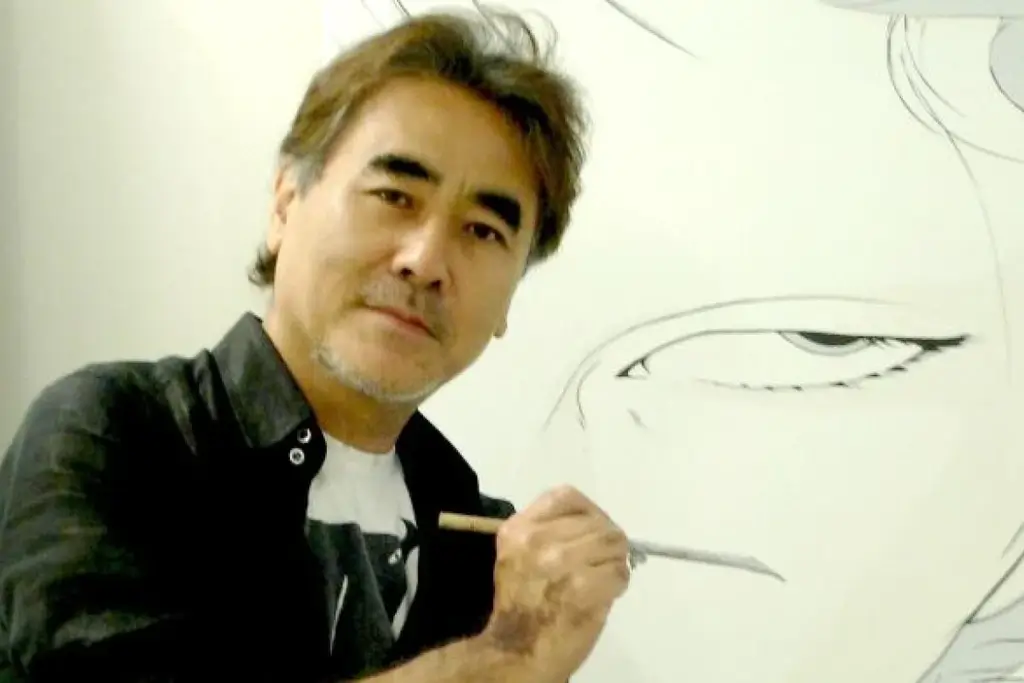
Amano’s art is special because of its ethereal and dreamlike quality. Characters are slender and beautiful, with androgynous features that merge perfectly with the dreamscapes around them. Impossible architecture, wisp-like geography, and futuristic technology all blend together in stunning displays of the finest linework and deepest colors. His art style is unmistakable, setting a precedent for fantasy, science fiction, and horror worlds.
Are you looking for snacks that look like art? Check out Sakuraco! Sakuraco delivers traditional Japanese snacks, teas, and sweets from local Japanese makers directly to your door so you can enjoy the latest treats directly from Japan!

What did the Final Fantasy artist create?
This past May, Amano created and donated seventeen sliding door paintings to the Fushimi Inari Taisha shrine in Kyoto. The shrine is special because it sits at the base of Mt. Inari, a major spiritual location in Japan. Mt. Inari is famous for its one thousand torii gates, the famous red gates that lead up from the base of the mountain all the way to its summit.
The beginning of the trek is relatively easy. The surprise comes from realizing that what seemed like the end is actually only halfway through the journey. But climbing the mountain to its top, passing through every torii gate, and watching the crowds become thinner is the experience of a lifetime.
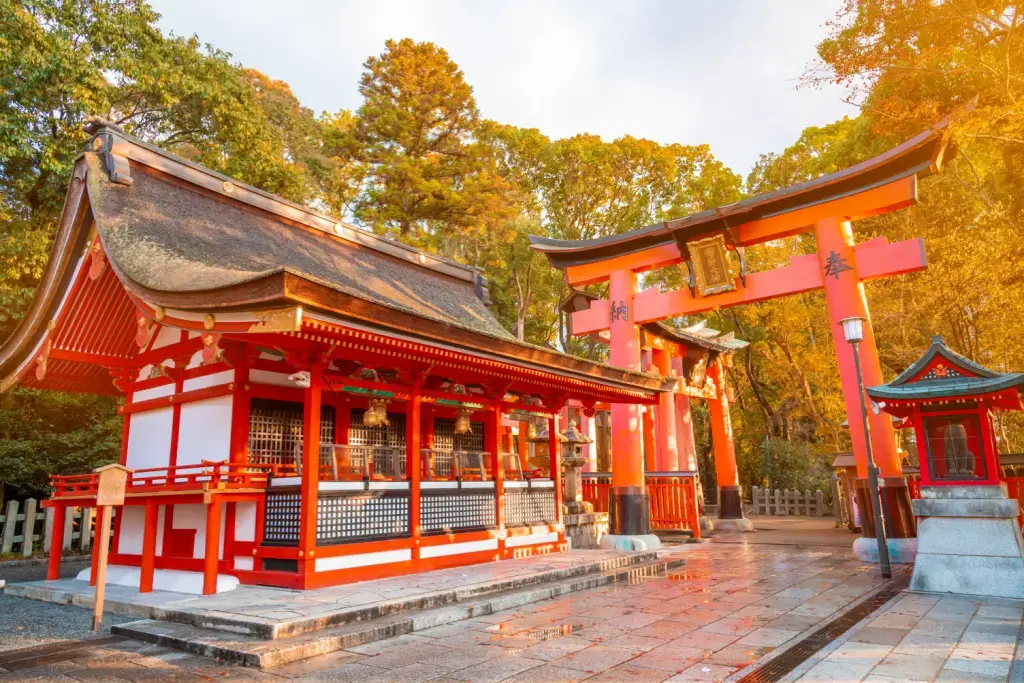
This is the shrine where Amano donated his art. Specifically, he painted seventeen pieces of art using sumi ink, or the traditional ink commonly found in solid sticks used in Chinese, Japanese, and other Asian art. He painted on fusuma paper, the thick paper used as walls in traditional Japanese shrines. Fusuma paper is unique because it is very thick, perfect for dimming light sources and diminishing outside sounds.
Amano began his work on May 10th and finished on May 18th. It’s astounding that it only took him a little over a week to produce seventeen gorgeous, full door-sized pieces of art. The imagery he painted fits the themes of the shrine. Images of foxes, goddesses, and dragons in spectacular displays move across the seventeen pieces of paper. His art resembles dreams in typical fashion, with every character depicted in grand, sweeping line art. It truly fits the sublime importance of the shrine perfectly.
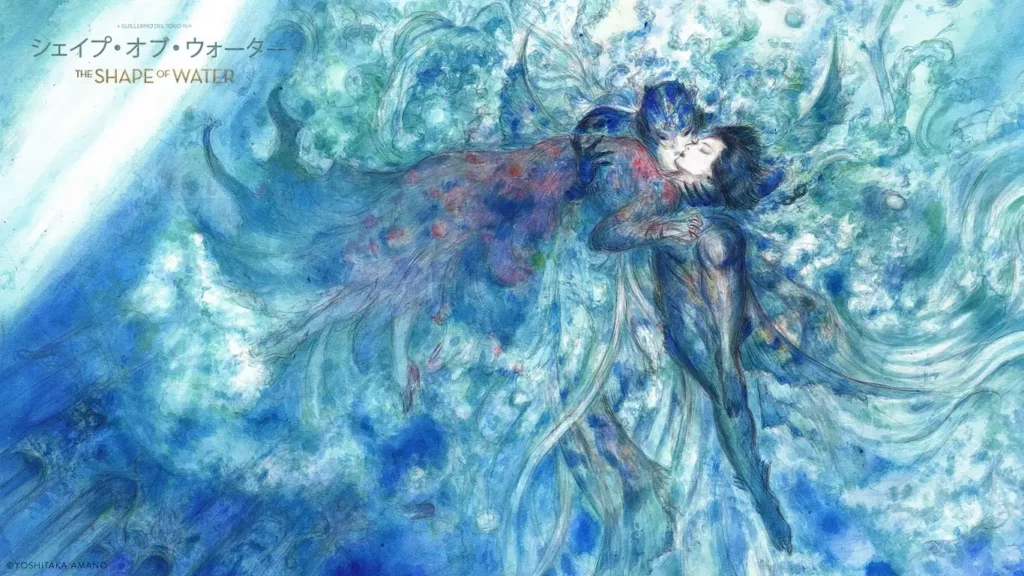
Why is Yoshitaka Amano’s art so special?
As of right now, the art is not viewable by the general public. This makes sense as the Fushimi Inari Taisha shrine receives thousands of visitors monthly. Thus, there are many liabilities with allowing so many people from different parts of the world to stroll onto the shrine grounds and view the art. Accidents happen. As a world-class art in its creation and presentation, it must be appreciated appropriately and eventually displayed in the shrine.
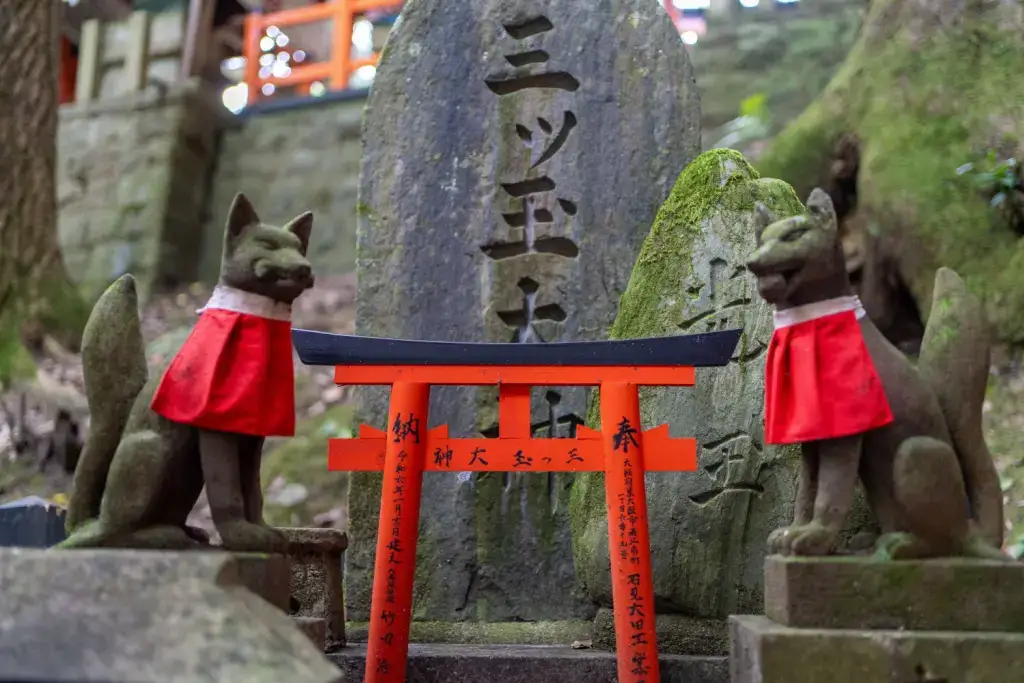
When they are made available to the public, seeing Amano’s art in person will be worth the travel. To soak up his art, journey up Mt. Inari, and then travel back down as the sun sets. It’s truly incredible that Yoshitaka Amano personally painted such exquisite art for one of Japan’s most famous spiritual sites. For anyone traveling to Japan, it’s an absolute must to visit Fushimi Inari Taisha shrine and see his art!
Have you traveled to Fushimi Inari Taisha shrine before? If so, did you climb all the way to the top (it’s completely worth it!)? Please let us know in the comments below! We’d love to hear about your visit to Kyoto!

Discover authentic flavors with Sakuraco
Get Sakuraco 
Discover authentic flavors with Sakuraco
Get Sakuraco
Related Articles

Akidearest Talks About Living in Japan & Creating Content
Excerpt
Akidearest shares her journey as a creator, her experiences living in Japan, thoughts on internet culture, favorite anime, and the everyday moments that continue to inspire her both online and offline.
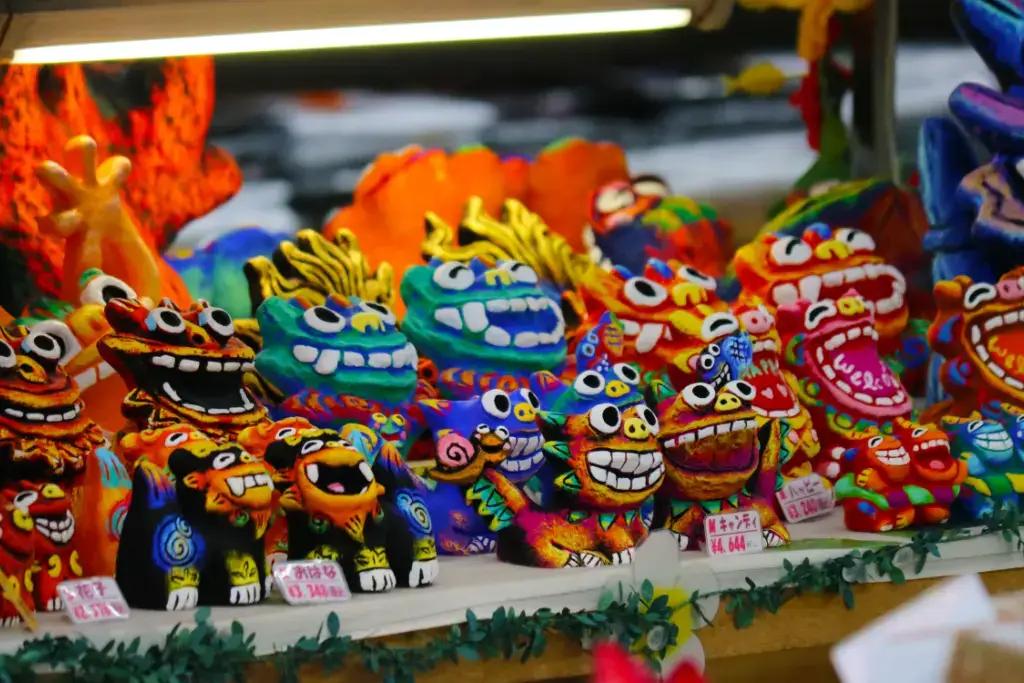
Okinawa Folklore: The Legends of Japan’s Southern Islands
Okinawa is famous for its beautiful beaches, unique culture, and rich history. Located in the southernmost part of Japan, the islands were once the independent Ryukyu Kingdom before becoming part of modern Japan.
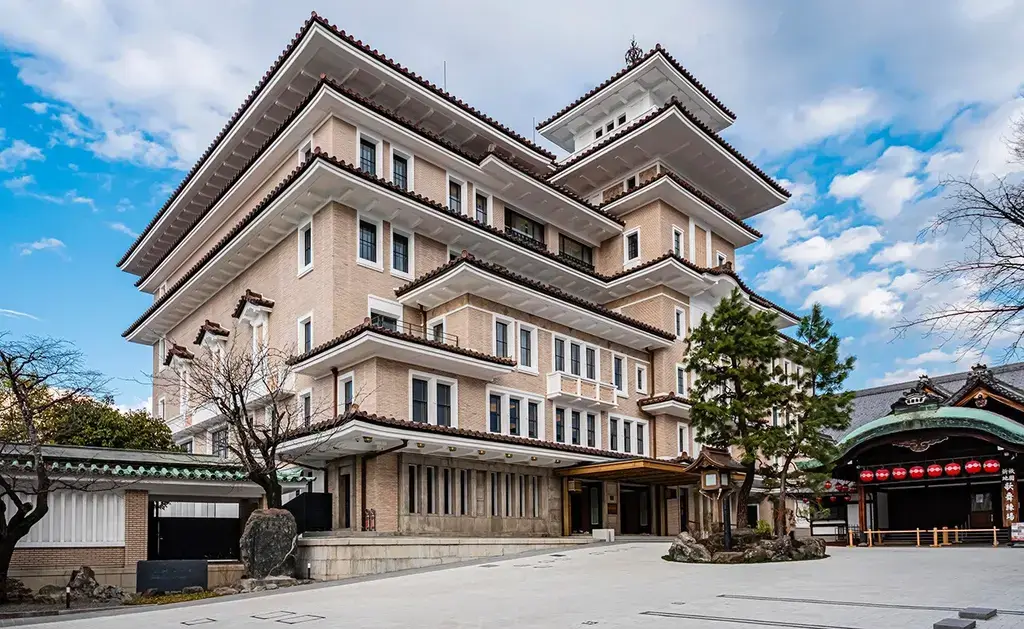
Imperial Hotel Kyoto: A New Chapter for a Historic Gion Landmark
The Imperial Hotel Kyoto represents one of the most significant hotel openings in Japan in recent years. Located in Kyoto’s famous Gion district, the luxury property combines modern hospitality with the preservation of an important cultural landmark.
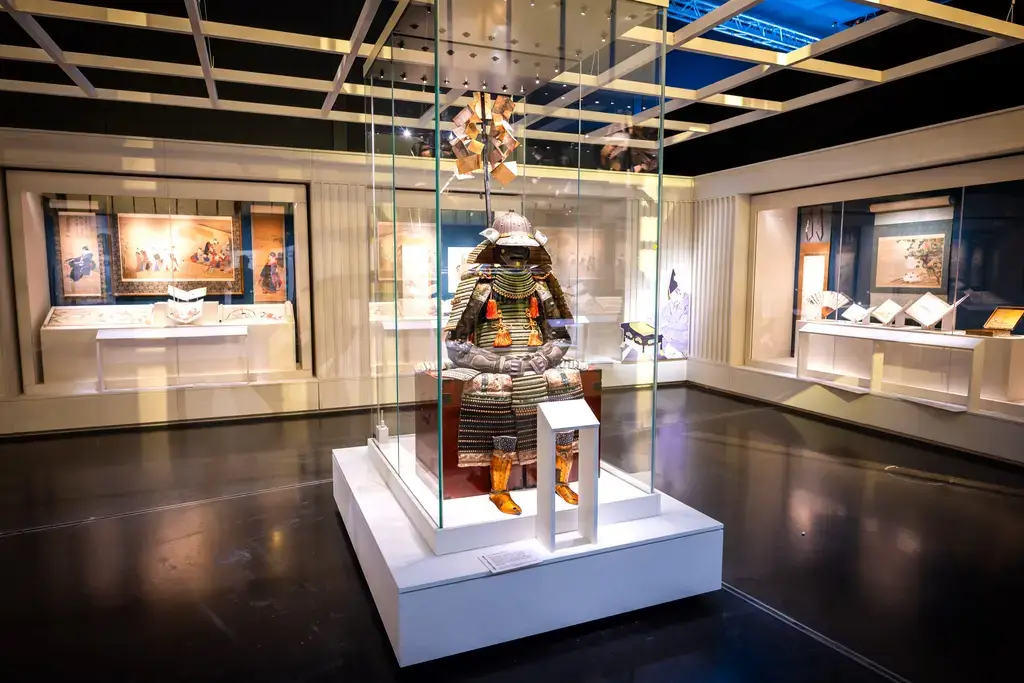
Samurai Exhibit at the British Museum Showcases Complex History
For many people outside Japan, the word “samurai” immediately brings to mind armored male warriors carrying swords into battle. Films, television, and video games have reinforced that image for decades. But the British Museum’s major 2026 exhibition, “Samurai,” presented a broader, more historically layered interpretation of Japan’s warrior class — including the important role women played within it.