


Dust Storm: Japan’s Spring Challenge with Yellow Sand

Thuy Fang

Posted on April 15, 2025
Share:
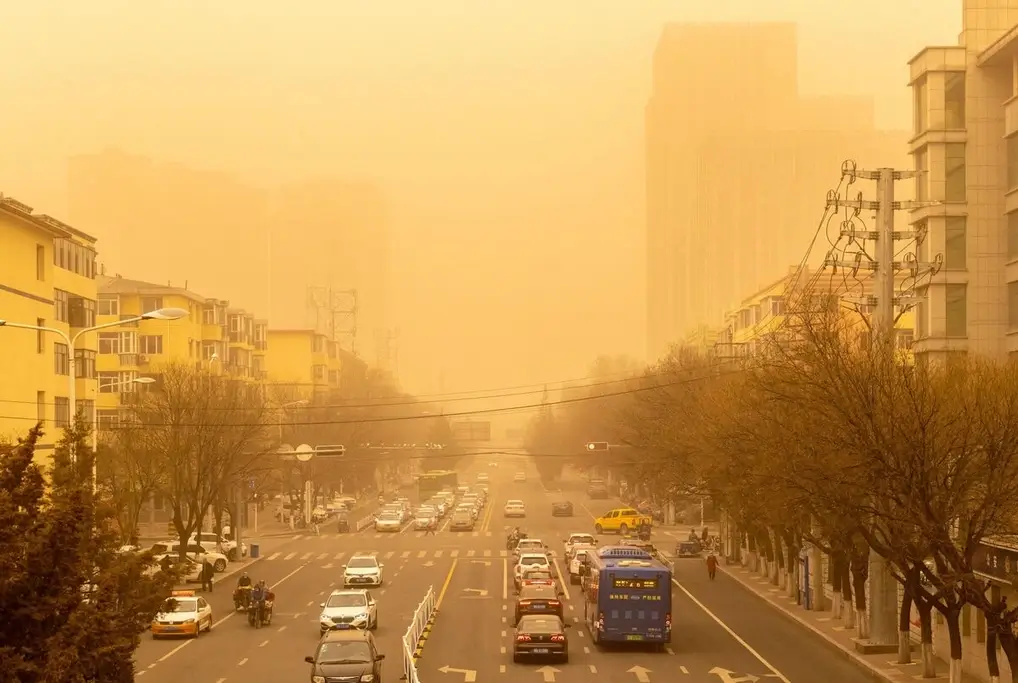
In our heavily industrialized world, nature shows its power through dramatic events like the yellow dust storm. These storms, which have been recorded in ancient Chinese texts from over 3,000 years ago, are now spreading widely and growing more harmful. With its bustling cities and vulnerable populations, Japan faces significant challenges during these events. Let’s explore yellow dust and learn simple ways to stay safe from these powerful storms!
What is the yellow dust storm?
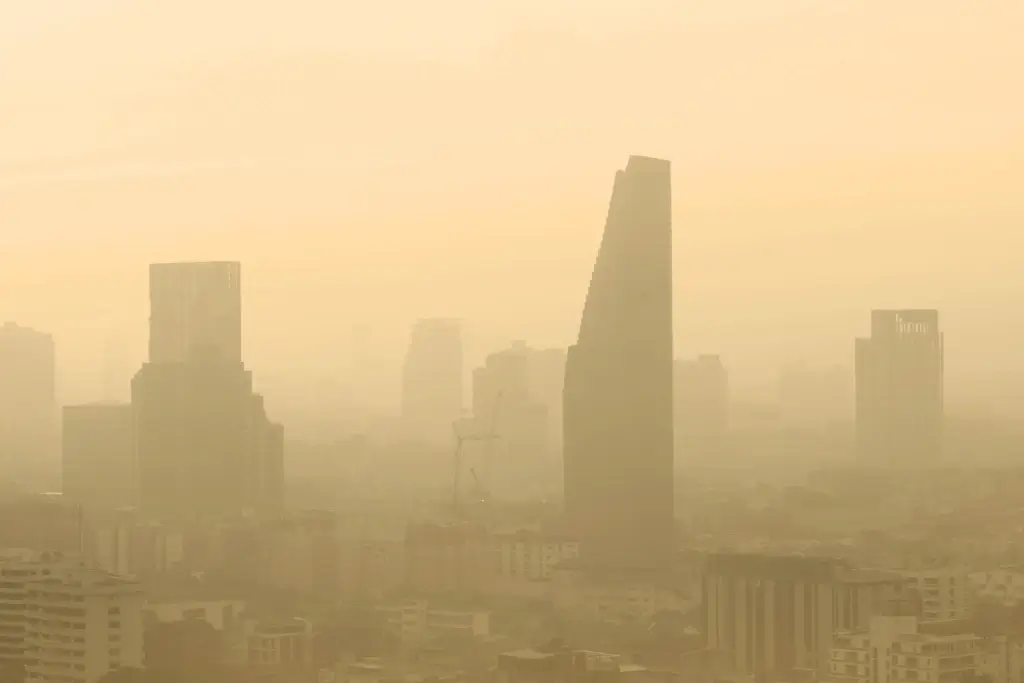
Yellow dust storms, also known as Asian dust or yellow sand, are big clouds of dry and sandy dust that blow across East Asia, especially in spring. This dust mostly comes from China, Mongolia, and Kazakhstan deserts. When strong winds pick up the tiny pieces of dry soil, they carry them far away. The skies turn hazy and yellowish, making it hard to see clearly.
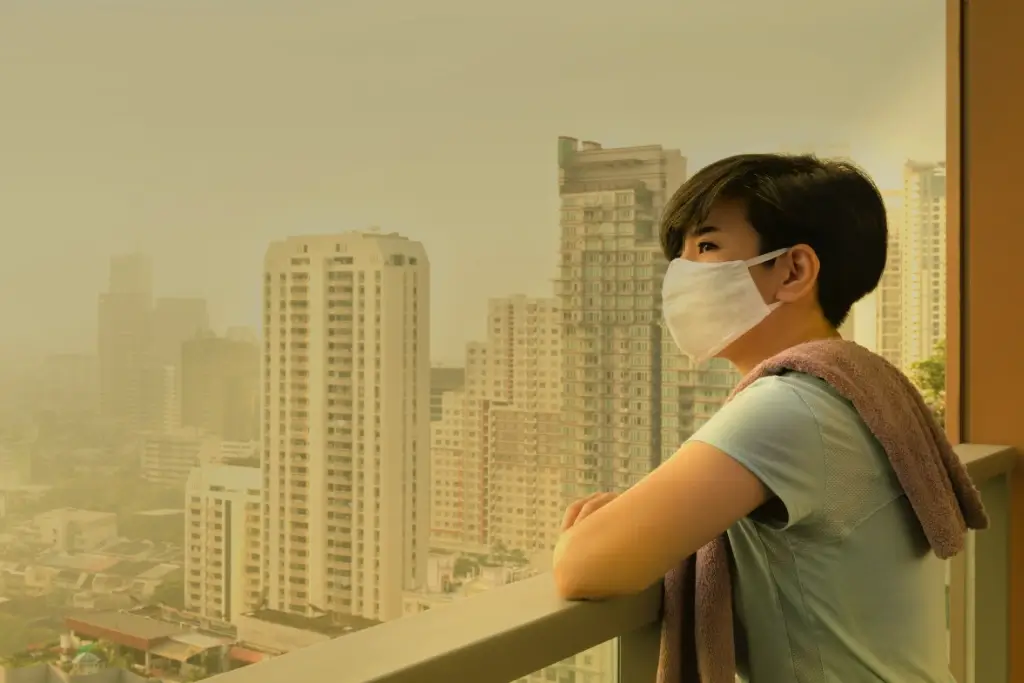
The main cause of these dust storms is desertification, which means land is turning into desert. This happens because people cut down too many trees or use too much water for farming, especially near the Gobi Desert and places like the Aral Sea. As the deserts grow, there’s more loose soil for the wind to blow around. Also, with more factories and pollution in recent years, sand isn’t just natural.
Yellow sand can also carry harmful chemicals from smoke and pollution, so today’s yellow sand can be worse than before. Yellow dust storms can cause general health problems, particularly for people with asthma or weak lungs. They also affect the environment, pollute the air, and sometimes even harm the paint on buildings or airplanes.
How does yellow sand affect Japan?
Japan experiences yellow sand every spring because Strong winds lift it into the air and carry it across the sea. It usually appears in places like Kyushu, Osaka, and Tokyo between March and May, with its peak intensity in April.
When the yellow sand comes, it can make it harder to see far distances. In cities like Osaka and Nagoya, people have noticed that they can only see a few kilometers ahead. The dust can sometimes cause traffic trouble when drivers can’t see clearly. Even everyday things like washing clothes outside need extra care because the sand sticks around.
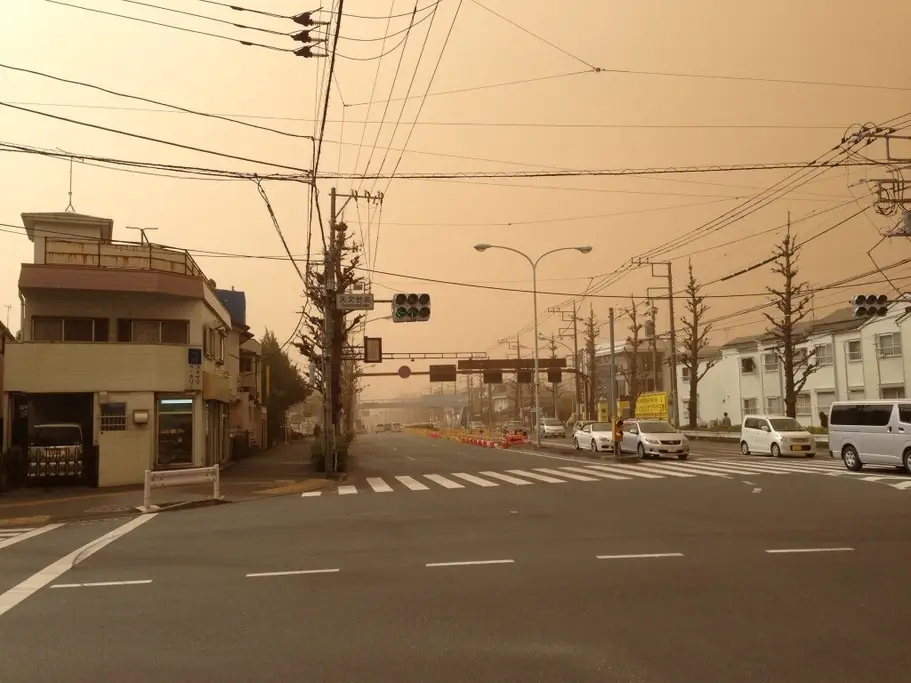
This dusty visitor isn’t just annoying and can affect Japanese people’s health. For those with breathing problems, the yellow sand can be quite bothersome. Medical professionals also say it can put extra strain on your heart, possibly raising the risk of a heart attack or stroke.
Government officials in Japan are monitoring the situation closely. They advise everyone to stay safe by checking weather reports and limiting outdoor time when the dust is heavy. They even suggest wearing masks that fit well and closing windows at home so that less dust comes inside.
Are you looking for snacks to enjoy after weathering storms? Check out Sakuraco! Sakuraco delivers traditional Japanese snacks, sweets, tableware, and more from local Japanese makers right to your door, perfect for a pleasant snack time at home!

How to protect yourself against the yellow dust storm
When yellow dust clouds drift over Japan, it’s important to know how to protect yourself. One smart step is to check the daily weather and air quality reports to know when the dust might come. On days when the air is dusty, try to stay indoors or do gentle activities inside. If you need to go outside, wear a strong mask like an N95 that can block many tiny particles.
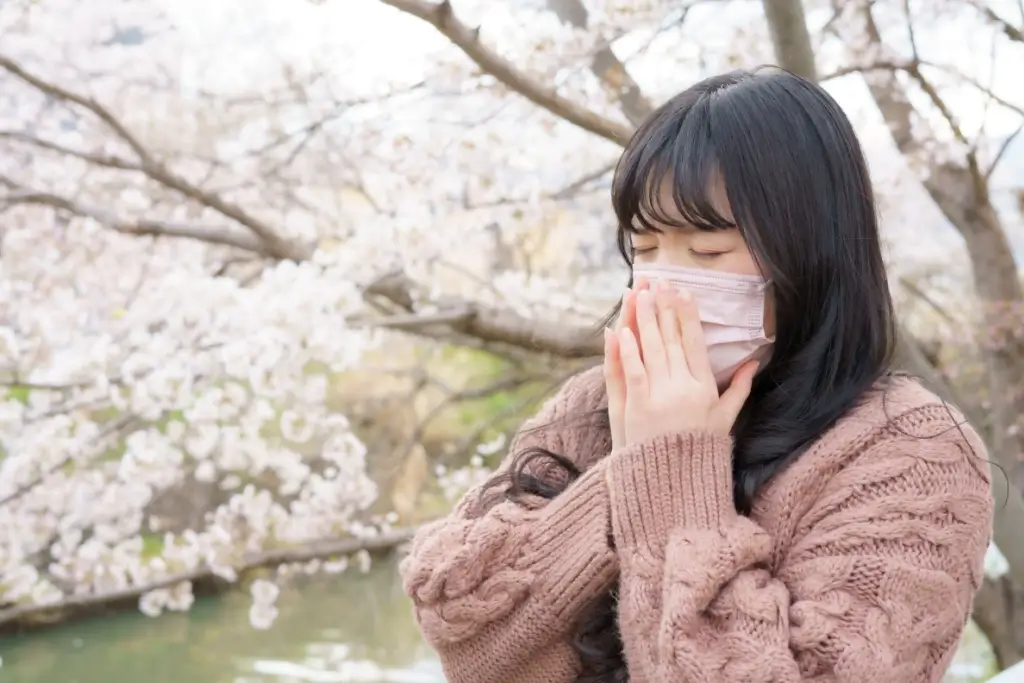
You can make your air extra clean at home by using an air purifier with a HEPA filter. These devices suck up the dust from the air, making it easier to breathe. You can also put window filters on your windows so that when you open them, less dust comes inside. Remember to close your windows and vents and set your air conditioner to recirculate the inside air when driving.
Moreover, taking care of your eyes and nose is very important. Wear protective glasses to keep dust from getting into your eyes. And if they ever feel red or itchy, wash them gently with water or use eye drops. For your nose, a nasal rinse can help clear out any dust that might cause irritation. Don’t forget to eat fruits and vegetables rich in Vitamin C, including oranges and broccoli, which help keep your body strong and healthy during these hazy days!
Why do we need to be aware of the yellow sand warning?
The warnings remind us to be aware of it because this dust can change our day and affect our health. When the yellow dust storm covers Japan, it can make breathing, driving, and even playing outside a little tougher. The government and officials are working hard to protect everyone by sharing updates and implementing more safety steps.
By staying alert and using simple tips, we can keep ourselves healthy. This practice shows we care about our well-being and our community. It’s a small but important step in taking responsibility for our environment. What do you think—what small change can we make today to stay safe when yellow sand is near? Share your thoughts in the comments!
Sources
- NHK World Japan. “Airborne yellow sand observed across Japan while temperatures soared“.

Discover authentic flavors with Sakuraco
Get Sakuraco 
Discover authentic flavors with Sakuraco
Get Sakuraco
Related Articles

Akidearest Talks About Living in Japan & Creating Content
Excerpt
Akidearest shares her journey as a creator, her experiences living in Japan, thoughts on internet culture, favorite anime, and the everyday moments that continue to inspire her both online and offline.

Okinawa Folklore: The Legends of Japan’s Southern Islands
Okinawa is famous for its beautiful beaches, unique culture, and rich history. Located in the southernmost part of Japan, the islands were once the independent Ryukyu Kingdom before becoming part of modern Japan.
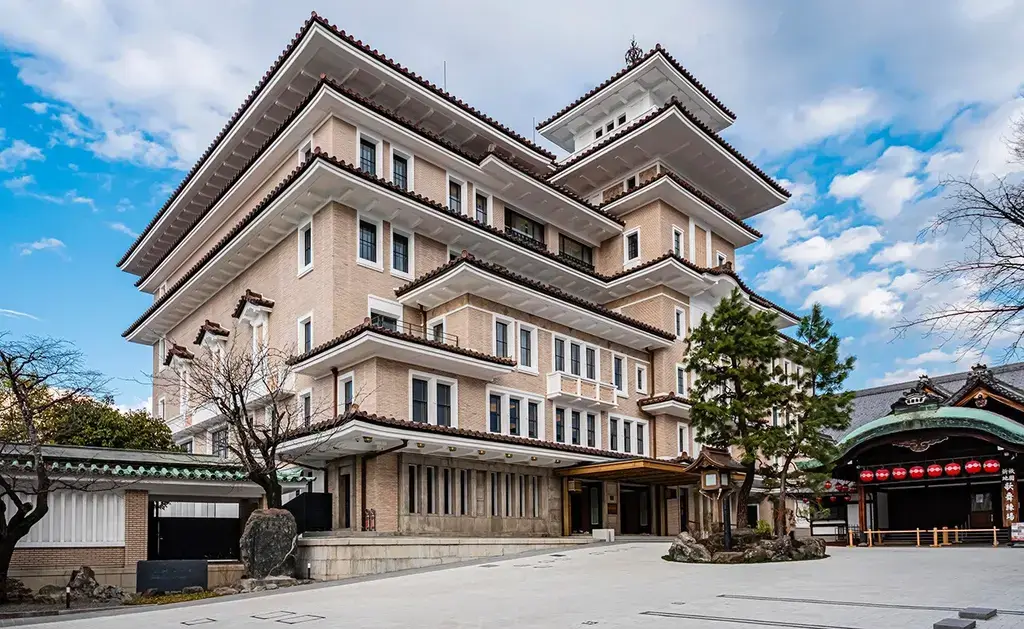
Imperial Hotel Kyoto: A New Chapter for a Historic Gion Landmark
The Imperial Hotel Kyoto represents one of the most significant hotel openings in Japan in recent years. Located in Kyoto’s famous Gion district, the luxury property combines modern hospitality with the preservation of an important cultural landmark.
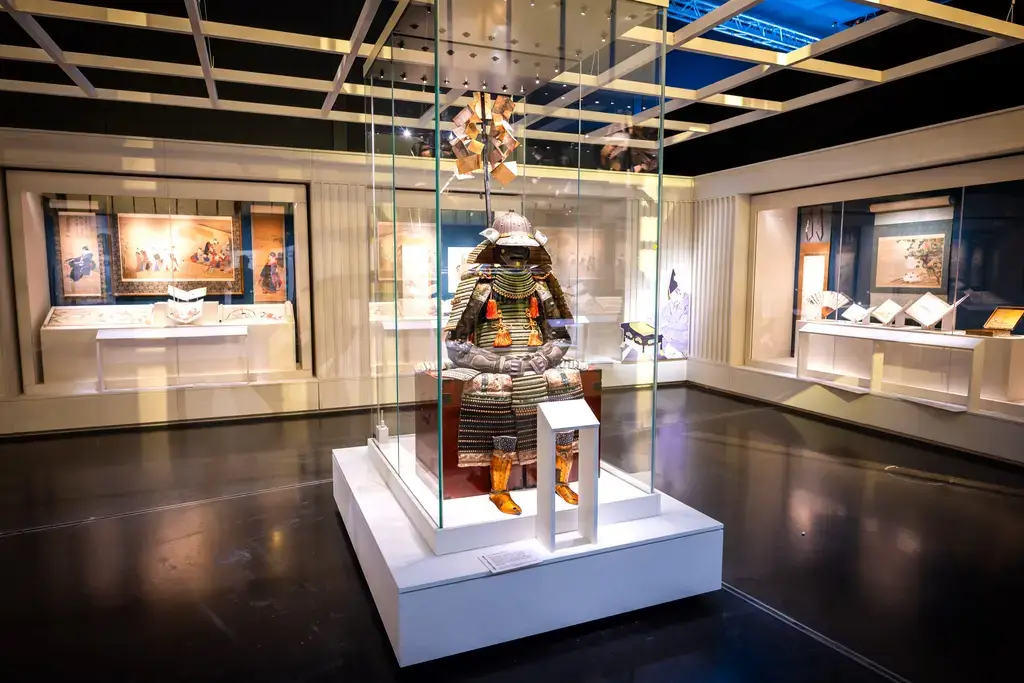
Samurai Exhibit at the British Museum Showcases Complex History
For many people outside Japan, the word “samurai” immediately brings to mind armored male warriors carrying swords into battle. Films, television, and video games have reinforced that image for decades. But the British Museum’s major 2026 exhibition, “Samurai,” presented a broader, more historically layered interpretation of Japan’s warrior class — including the important role women played within it.