

donburi
Donburi: The Amazing Rice Bowl Cuisine To Try!

Karina Ikedo

Posted on April 16, 2024
Share:
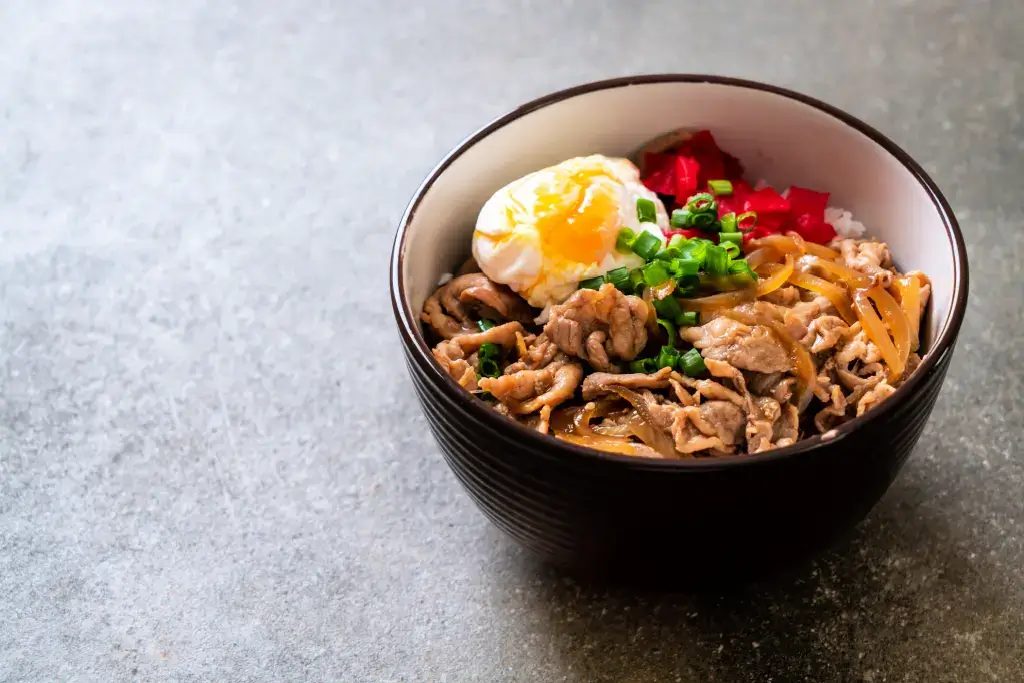
Everyone in Japan loves donburi (rice bowl dish). Donburi rice bowls are the quintessential Japanese comfort meal. In a donburi, cooked rice is topped with meat, seafood, eggs, and vegetables. However, all sorts of toppings can be used, allowing for countless variations.
As a casual meal, donburi is generally inexpensive, although this will vary depending on the toppings you choose. It’s also available at various restaurants, with many putting their unique spin on the dish. Keep reading, and we’ll introduce you to donburi, a must-try dish if you are visiting Japan!
What is donburi?
Generally, donburi are dishes with various toppings on bowls of rice. Moreover, the toppings in a donburi bowl can include anything from meat and seafood to eggs and vegetables. The variety of sauces used is also diverse. But no matter which variety you choose, the combination of flavorful toppings over rice is a match made in heaven!
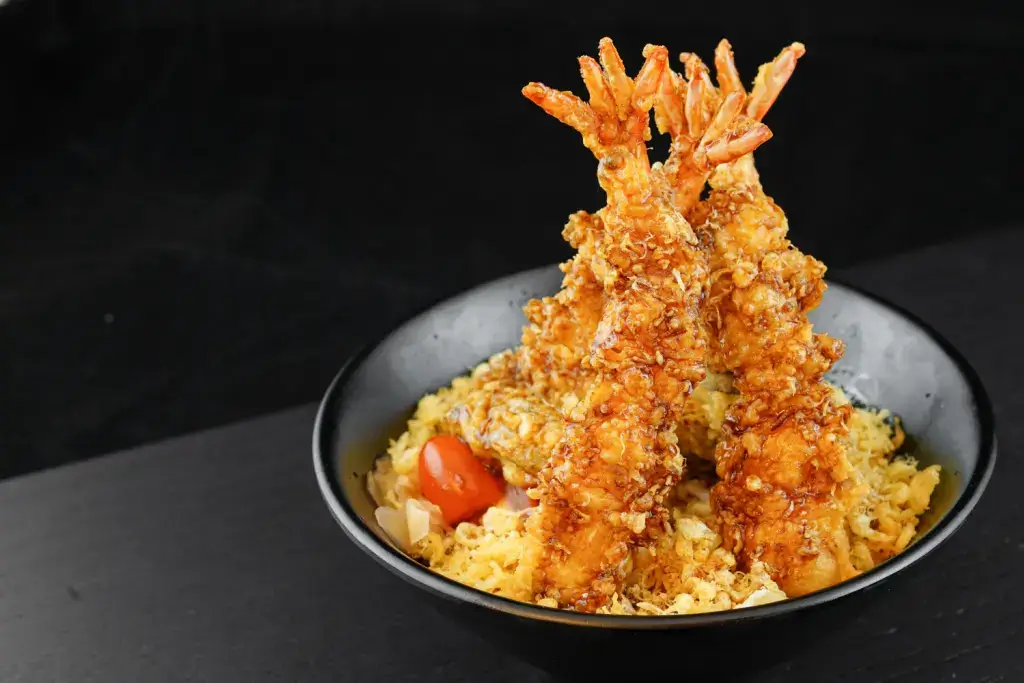
Specifically in Japan, this dish has various names, including donmono and donburimono. All in all it’s a complete, filling, and delicious dish in one bowl, distinguishing it from many other traditional Japanese foods where the rice is on the side.
Who invented donburi?
Donburi has a long and rich history as an essential part of Japanese cuisine. It can be traced back to a dish called houhan (cooked buckwheat and rice) from the Muromachi period (1336-1573). Generally prepared in temples, this consisted of a bowl of rice topped with stewed vegetables and dashi (Japanese soup stock).
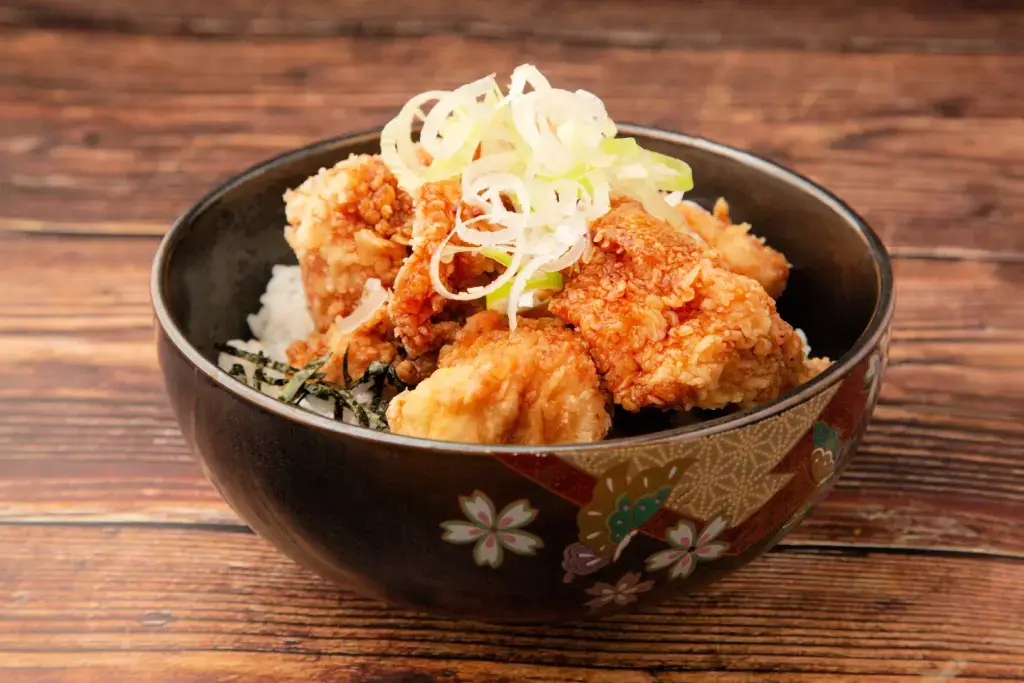
But it wasn’t until the Edo period that the modern style of donburi bowl took off. The first donburi was broiled eel on rice, available at concession stands for theatergoers. As a result, the dish spread from the theater to street stalls and donburi restaurants, and the varieties quickly expanded. This led to the wealth of donburi bowl options we know and love today!
Looking to experience the fantastic treats Japan has to offer? Check out Sakuraco! Sakuraco delivers traditional Japanese snacks, teas, sweets, and snacks from local Japanese makers directly to your door so you can enjoy the latest treats directly from Japan!

How do you make it?
Making your own donburi at home can be a fun and rewarding culinary adventure. Undoubtedly, the beauty of donburi is its versatility – you can get as creative as you want with the ingredients. First, start with a base of steamed and fluffy white rice. Then, top it with your choice of proteins, like grilled chicken, teriyaki beef, or tempura shrimp. Next, pile on the veggies, from sautéed mushrooms to pickled radishes. Finally, don’t forget to drizzle your favorite sauce, soy, teriyaki, or spicy mayonnaise.
What are the most common dishes?
Because donburi is so versatile, you can make the dish with various ingredients. As a result, you can try an impressively wide range of varieties. Here are some of the most popular donburi dishes that are a must-try!
Gyudon
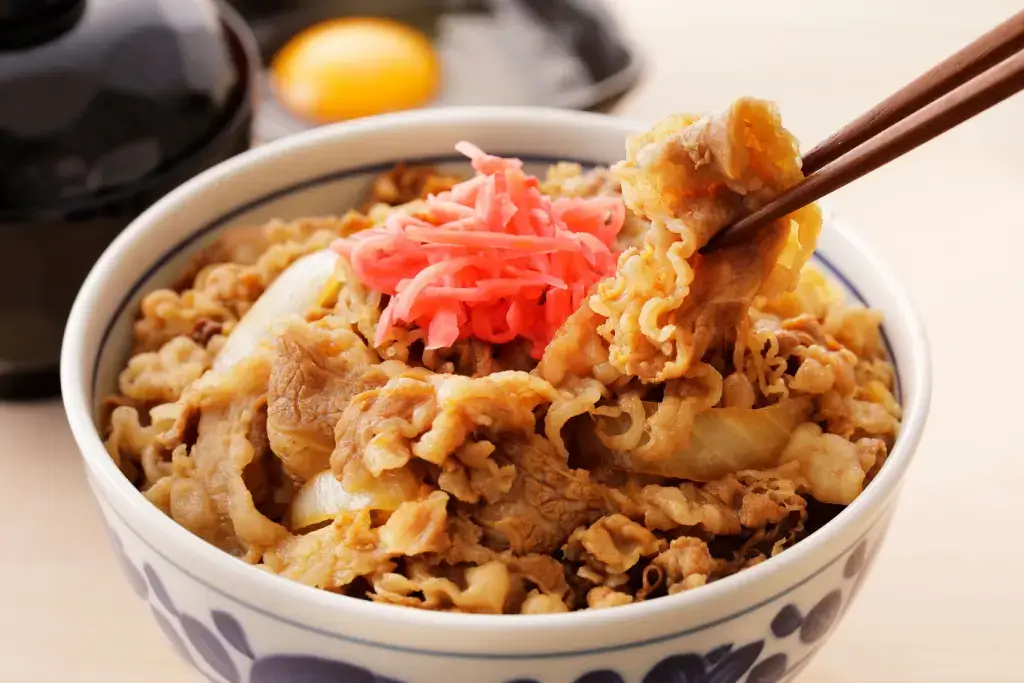
Gyudon (beef bowl) is one of Japan’s most popular dishes. Usually, it uses thinly sliced beef simmered with onions or spring onion and placed over rice. Moreover, the classic seasoning is a sweet and salty sauce made with Japanese soy sauce, sugar, and other ingredients. Sometimes, it comes with shirataki (fine konjac yam noodles)
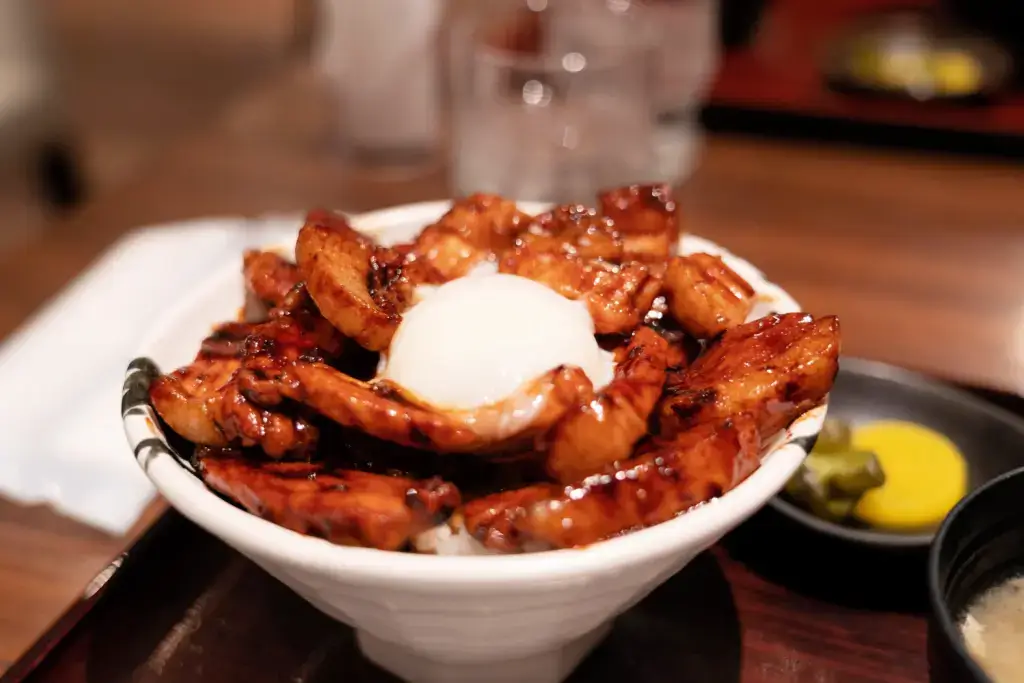
Butadon
Butadon is similar to gyūdon but made with pork instead of beef. Originated in Hokkaido, Japan, butadon is a rice bowl featuring grilled pork slices with caramelized soy sauce. As a result, the sweet and savory flavor combines perfectly together.
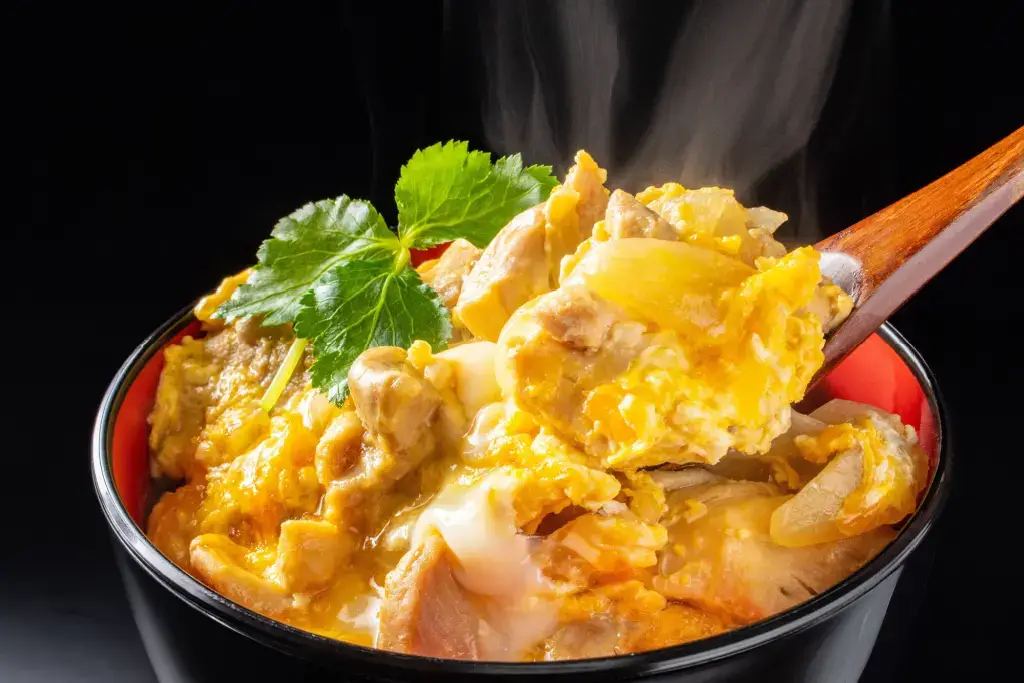
Oyakodon
Oyakodon is an exceptionally flavorful and nutritious dish. Steamed chicken and eggs are simmered in a mix of dashi (Japanese soup stock) and soy sauce. They are then served on freshly cooked rice and garnished with green onions or fresh herbs. It’s hearty yet nutritious, making it a favorite meal to start the week.
Katsudon
Katsudon is a donburi bowl with crispy tonkatsu (deep-fried breaded pork cutlet). It is simmered in a unique dashi and soy sauce broth, along with onions and a scrambled egg. Moreover, the broth consists of sweet dashi and soy sauce. Additionally, the crispy texture of tonkatsu is excellent, along with the creaminess of the half-cooked egg! It generally comes with Japanese wild parsley or shredded nori on top.
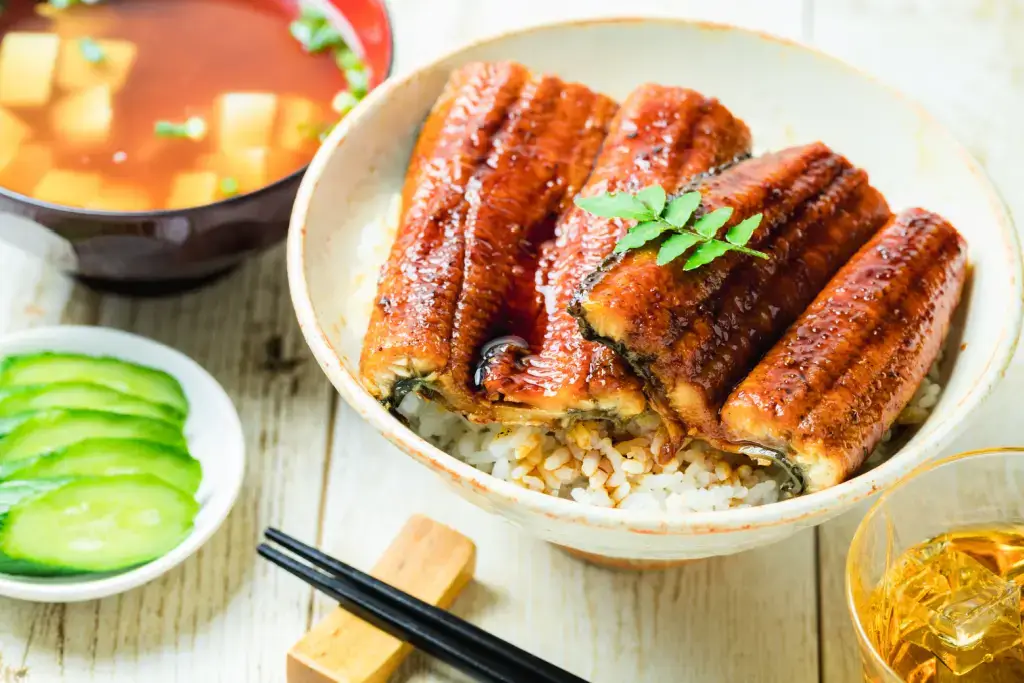
Unadon
The original version of the dish, unadon, is an excellent way to try unagi, Japan’s famous freshwater eel. It is coated in a thick, sweet soy-based sauce similar to teriyaki and grilled over a charcoal fire. The delicious combination of warm rice and sweet caramelized sauce over the perfectly grilled unagi is irresistible.
Why should I try donburi?
You should try donburi because it’s a delightful and comforting Japanese meal you’ll love! From grains and protein to veggies and sauce, the wholesome components of donburi make it a delicious and fulfilling dish. In just one bowl, you can taste a region’s history and characteristics, the chef’s passion, and more! Have you tried donburi before? Do you have a favorite type? Let us know in the comments below!

Discover authentic flavors with Sakuraco
Get Sakuraco 
Discover authentic flavors with Sakuraco
Get Sakuraco
Related Articles

Anko Donuts: A Sweet Combination of Cultures
Anko donuts combine a familiar Western pastry with a classic Japanese filling. These soft, fried treats are filled with sweet red bean paste known as anko. The result is a dessert that blends two food traditions in a simple and recognizable way.
Amazake: A Sweet Sip of Wellness from Japan
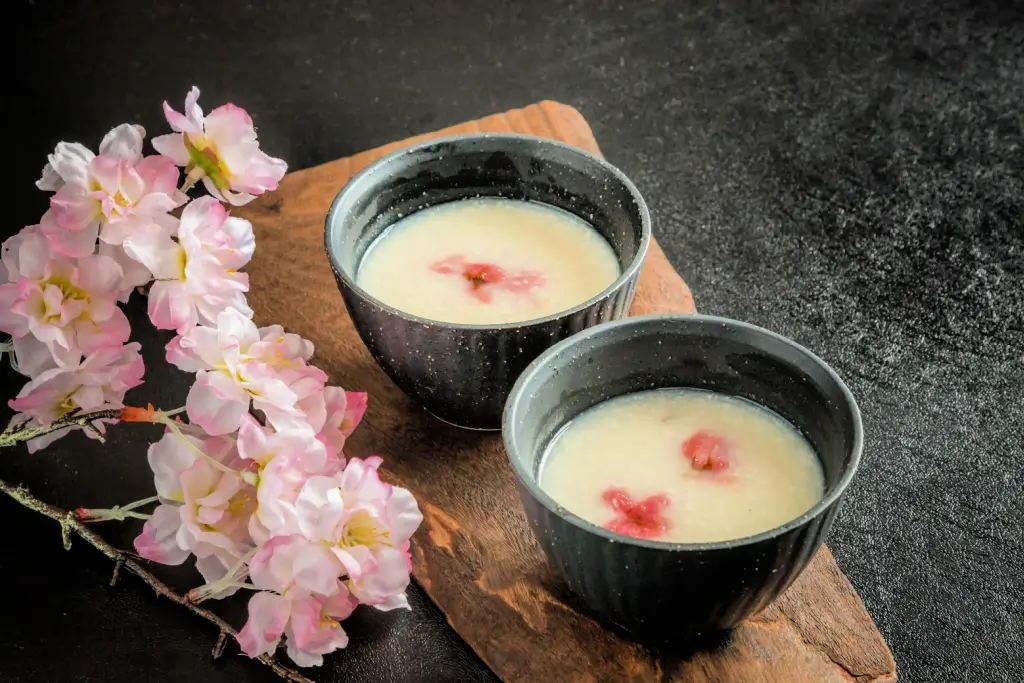
Amazake is one of the most unique traditional drinks enjoyed by Japanese people since the Nara period (710-794). Even though its name includes the word sake (alcoholic beverage), most amazake contains little to no alcohol, so both children and adults can enjoy it together.
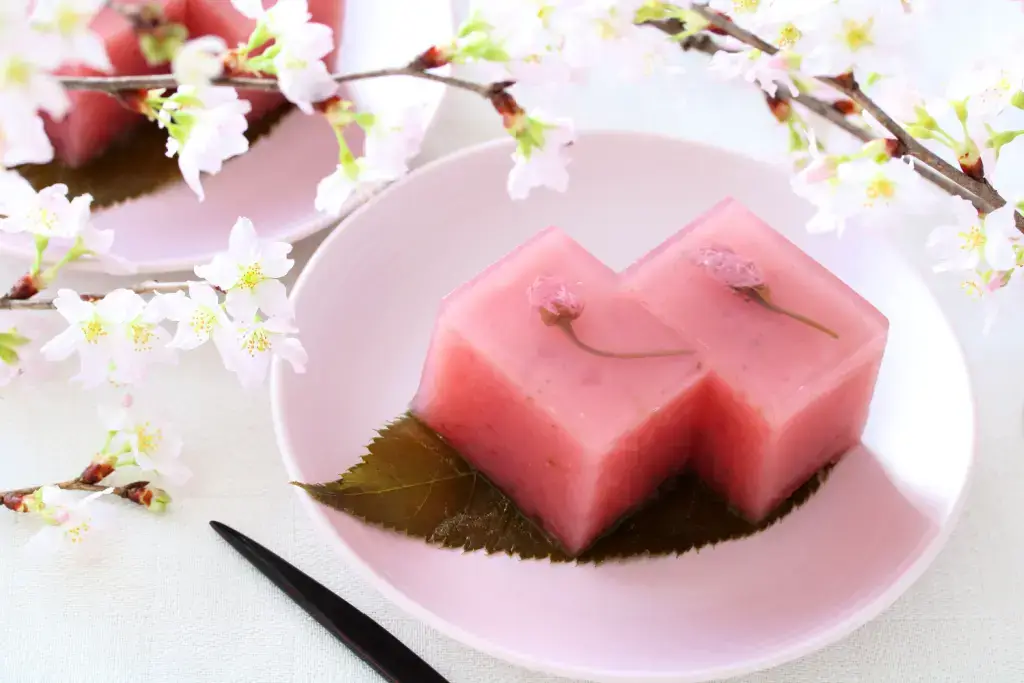
Jelly Wagashi in Japan: Everything You Need to Know
Jelly wagashi brings a touch of elegance to Japan’s confectionery traditions. This dish offers a light and cooling alternative to denser sweets like mochi or festival pastries. Crafted from agar, a seaweed-based gelling agent, these translucent delights capture subtle flavors of fruit, tea, or seasonal blossoms.

Aaron and Claire: 3 Dishes You Can Remake at Home
Aaron and Claire make Japanese home cooking simple and realistic to try. Here are three re-cook friendly dishes, from Butadon to Omurice and Buta no Kakuni, that you can confidently make at home.