

chazuke, green tea, japanese food, salmon, sea bream, umeboshi, unagi
What is Chazuke? The Underrated Japanese Dish

Thalia Harris

Posted on August 16, 2022
Share:
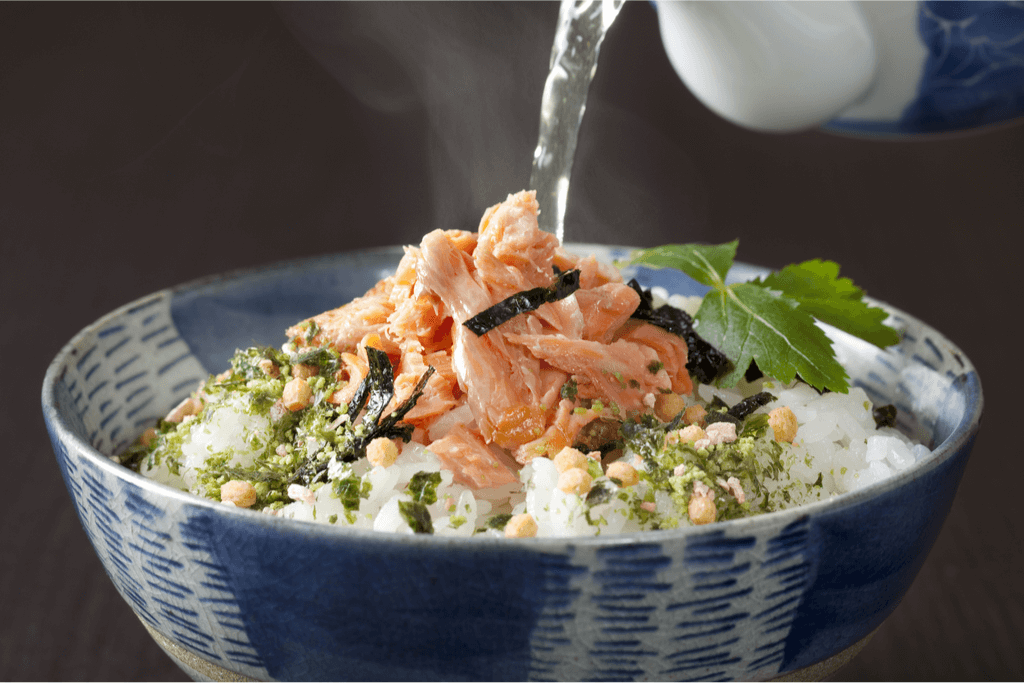
Chazuke–also known as tea rice–is an underrated, yet tasty part of Japanese cuisine. Just add a hot cup of green tea or dashi broth over some cooked rice, and you got yourself a humble Japanese dish that’s good for sprucing up some leftovers.
The chazuke dish originated during the Heian era. It’s originally known as a type of Kyoto food, also known as bubuzuke. Read on to learn more about this underrated Japanese dish!
What is Chazuke?
Chazuke is a versatile dish that is made of a hot liquid poured over white rice. “Cha” stands for “tea”, while “zuke” means “to soak”. The hot liquid is usually some form of Japanese green tea. However, when it’s prepared as an izakaya food, you can use savory dashi broth instead.
When using green tea, bold toppings such as seaweed, furikake (a form of Japanese seasoning) and even raw fish are quite common. On the contrary, dashi broth allows for more understated toppings like arare (rice cracker garnish) and sesame kombu (a type of seaweed).
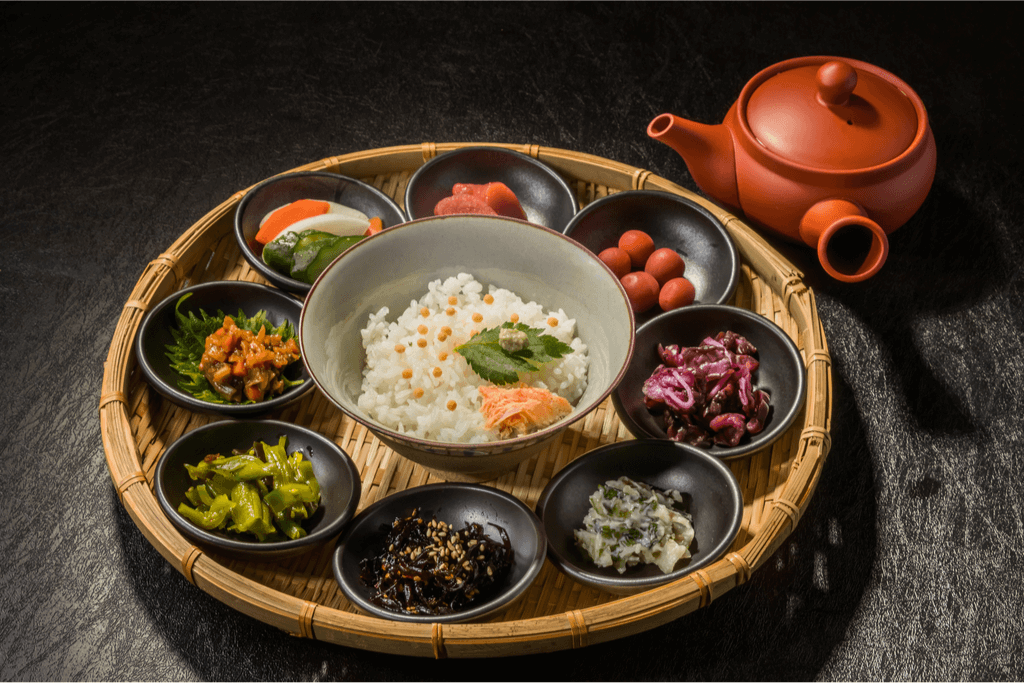
Similar to other classic dishes like okonomiyaki, chazuke is highly customizable. In addition to the broth, you can use brown rice and even black rice instead of the usual white rice. You can also drink with cold liquid instead, which could be very refreshing on hot days!
If you have even less time to whip up some ochazuke, you can buy flavored ochazuke powder to mix with hot water. Miso soup can also be used.
Now let’s talk about some common ochazuke toppings!
Looking to experience even more traditional Japanese flavors like chazuke? Check out Sakuraco! Sakuraco sends traditional Japanese sweets, snacks, home goods and tea straight to your door.

Salmon
Salmon chazuke, also known as sake chazuke (not to be confused with the rice wine sake) is the most popular. It uses either salmon flakes or filet, and is usually paired with seaweed. The mild, yet oily taste of salmon pairs well with green tea, but brown rice tea can also be used as well.
Umeboshi (Pickled Plum)
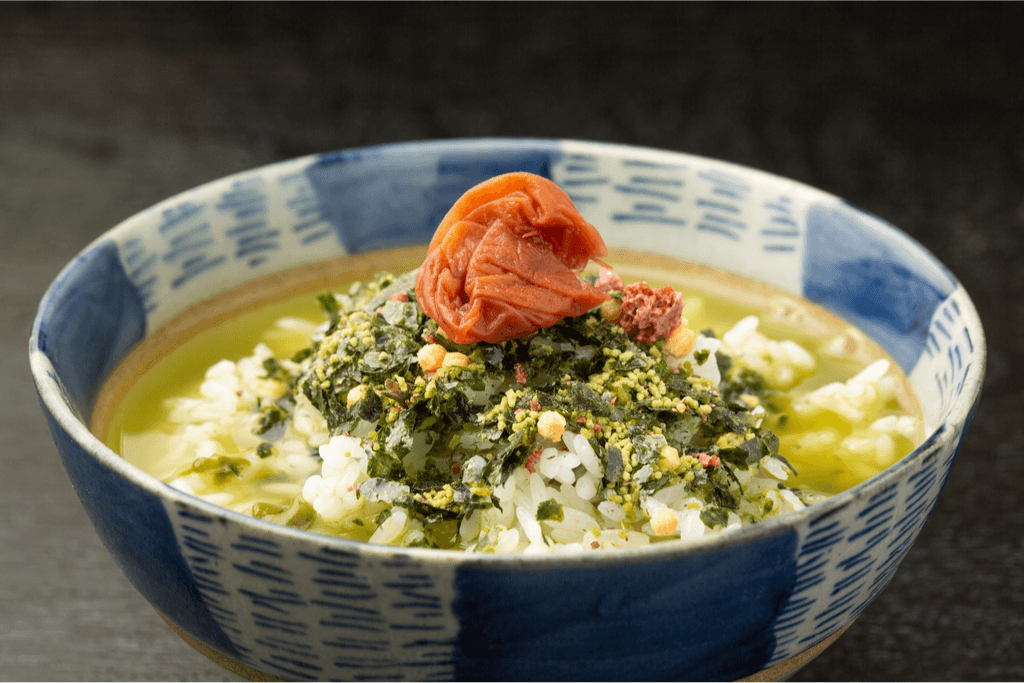
Pickled plum ochazuke, also known as ume chazuke, is an even lighter edition of this minimalist dish. It’s white rice with umeboshi (pickled plum) on top. Since umeboshi is already salty, a simple green tea broth will do. For those who don’t have umeboshi available, a simple plum shiso (perilla leaf) chazuke powder will do.
Tai (Sea Bream)
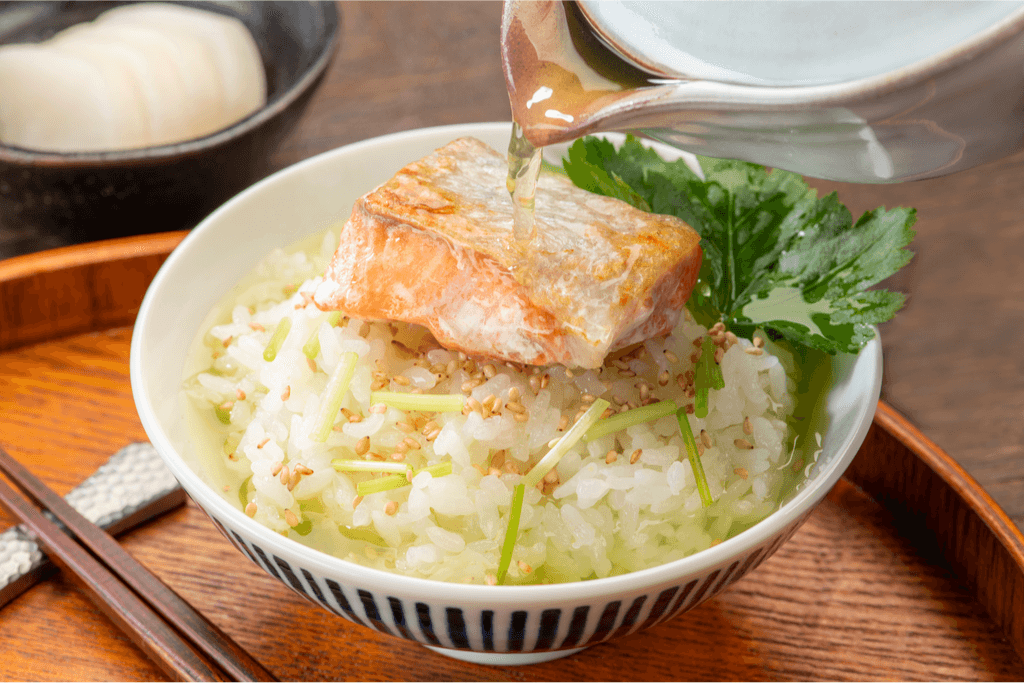
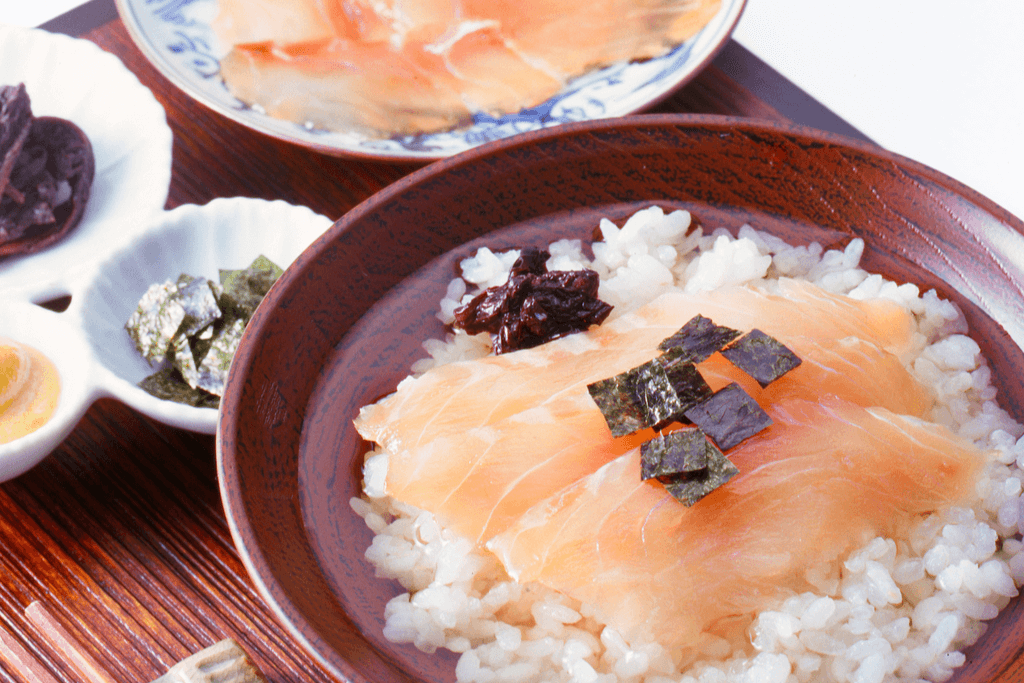
Tai chazuke uses sea bream, a white fish that’s less fatty than salmon. Sea bream is an iconic fish in Japanese culture. Not only is its red color considered good luck, it also serves as the main inspiration for taiyaki, a fish-shaped pastry filled with red bean paste.
However, when it comes to the actual fish, sea bream is meatier and a little sweeter than salmon. Because of this, the sea bream is marinated in a homemade sesame sauce for extra flavor. Wasabi and seaweed can also be used.
Unagi (Eel)
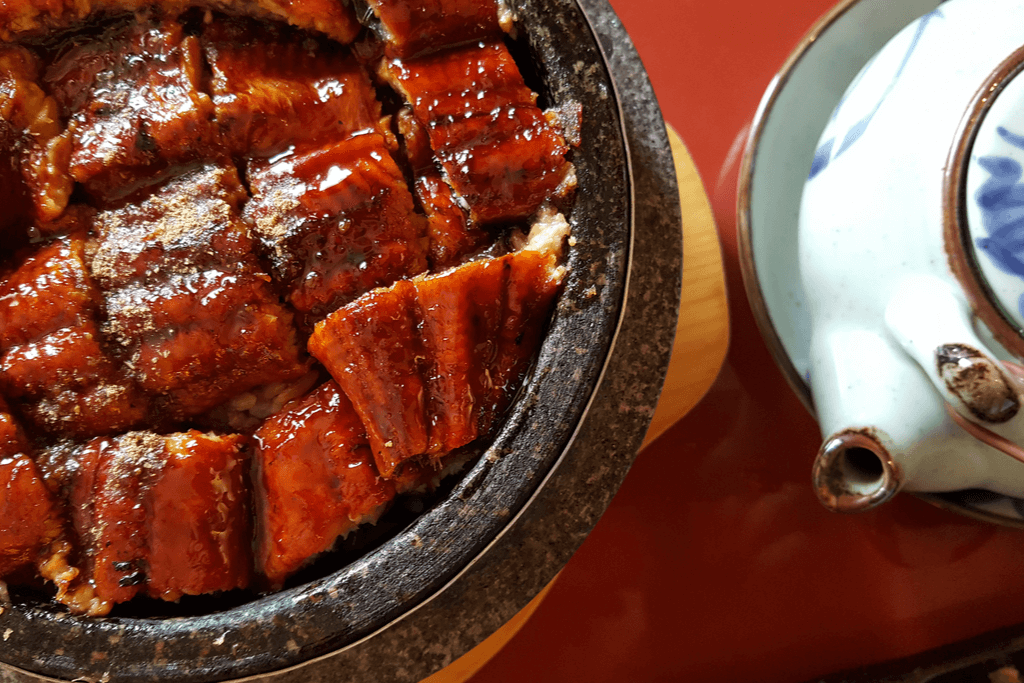
Unagi chazuke uses broiled eel, a beloved summertime food. This particular dish hails from Nagoya, which is Japan’s biggest producer of eel. Heavily inspired by their delicacy hitsumabushi (thinly-sliced grilled eel over a large tub of rice), eel chazuke is usually eaten when ⅓ of the main dish remains.
What kind of chazuke have you eaten before? What other ones would you like to try? Let us know in the comments below!

Discover authentic flavors with Sakuraco
Get Sakuraco 
1 Responses
Discover authentic flavors with Sakuraco
Get Sakuraco
Related Articles
Mochi: How is Mochitsuki Made in Japan?
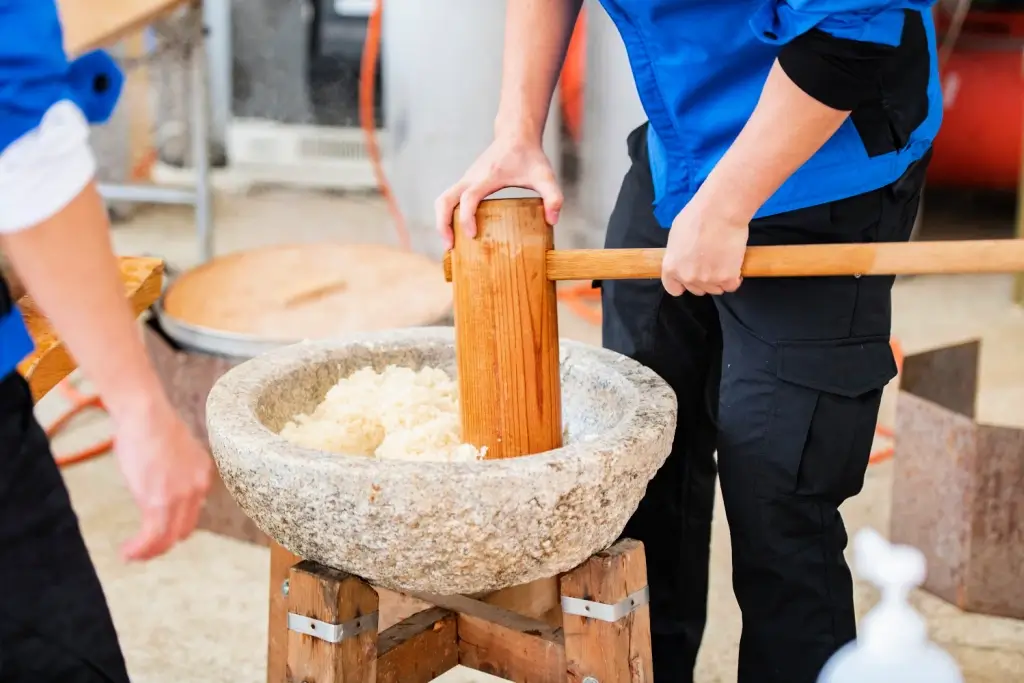
Mochitsuki is the Japanese tradition of pounding steamed rice to make mochi for the New Year. Families and neighbors gather to participate in this lively and meaningful tradition. The teamwork involved helps everyone feel a sense of connection.
Konpeito Candy: What Makes This Starry Treat Shine?
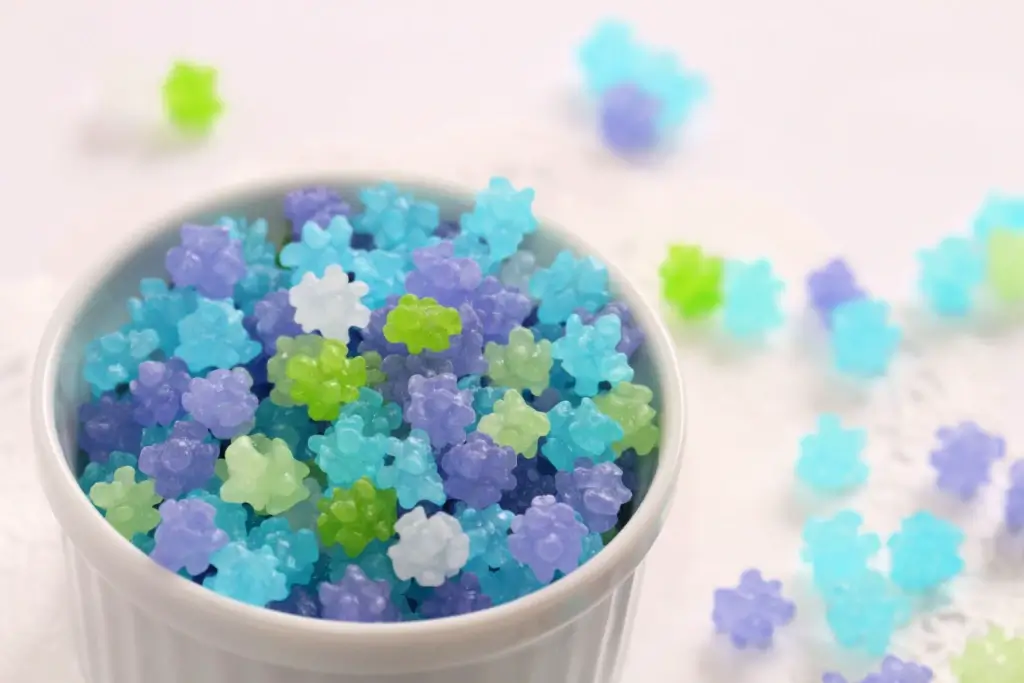
If you are a fan of the famous Demon Slayer series, then you probably know that the favorite treat of the adorable Nezuko Kamado is those tiny, colorful little sweets.
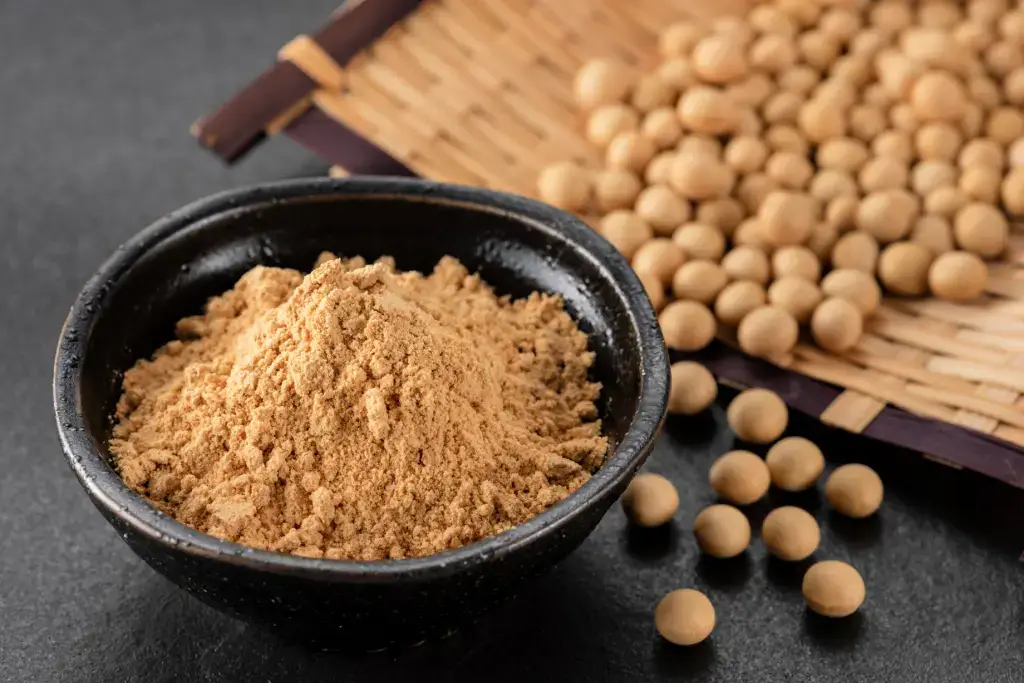
Kinako: The Amazing Roasted Soybean Powder!
Kinako is a very popular ingredient that can easily be found in many traditional Japanese sweets. It has a distinctive flavor, standing alongside other classic tastes such as red bean or sesame. Let’s explore this charming ingredient together, and who knows, you might even be able to make it in your own beloved kitchen!
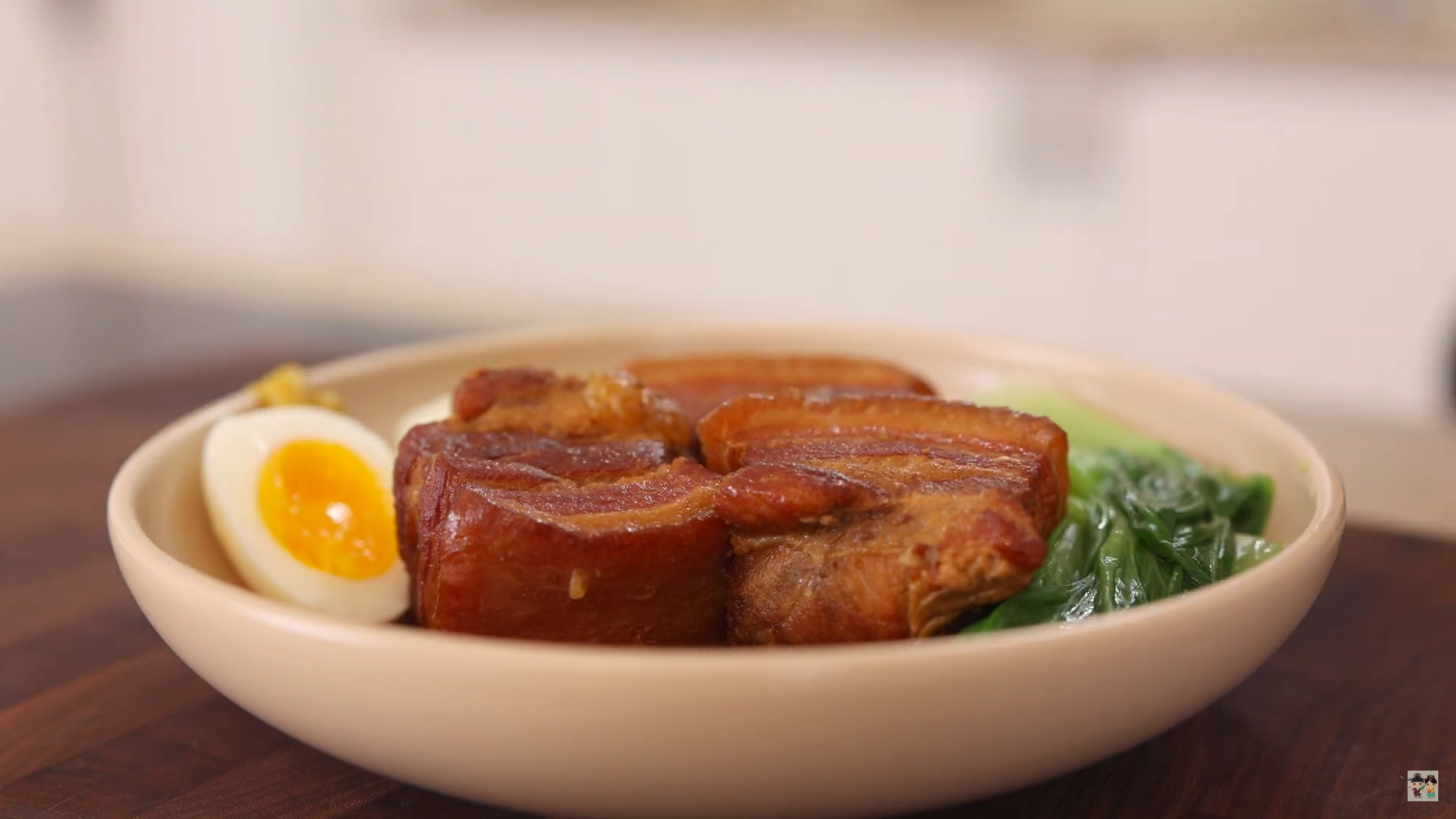
Aaron and Claire Make the Ultimate Japanese Pork Belly: Buta no Kakuni
If you want a Japanese dish that’s rich, tender, and simple to follow, Aaron and Claire show exactly how to make it in this episode. Aaron prepares Buta no Kakuni, a classic braised pork belly dish renowned for its rich flavor and tender texture.