


festival food, festivals, tokyo
All About Tokyo: A Fusion of Traditional & Modern

Jenna Wilson

Posted on August 24, 2021
Share:
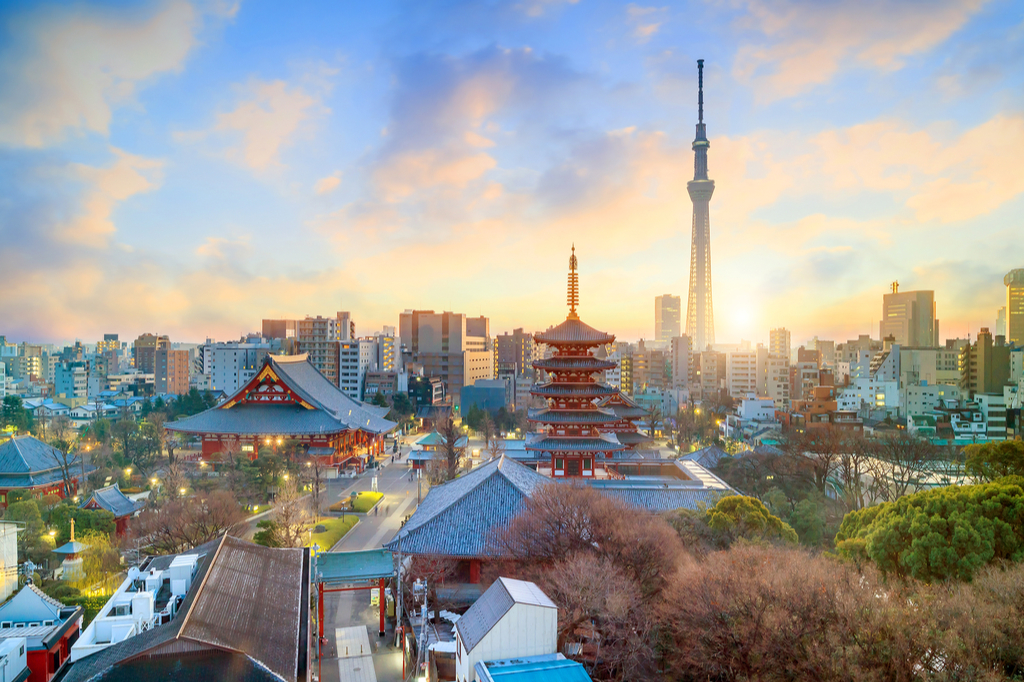
In 1603, military leader Tokugawa Ieyasu became Shogun, shifting the seat of power from Kyoto to modern day Tokyo and launching the start of the Edo Period. It was during this period that many of the traditions we associate with Japan were created and formalized, including sushi, woodblock prints, and kabuki.
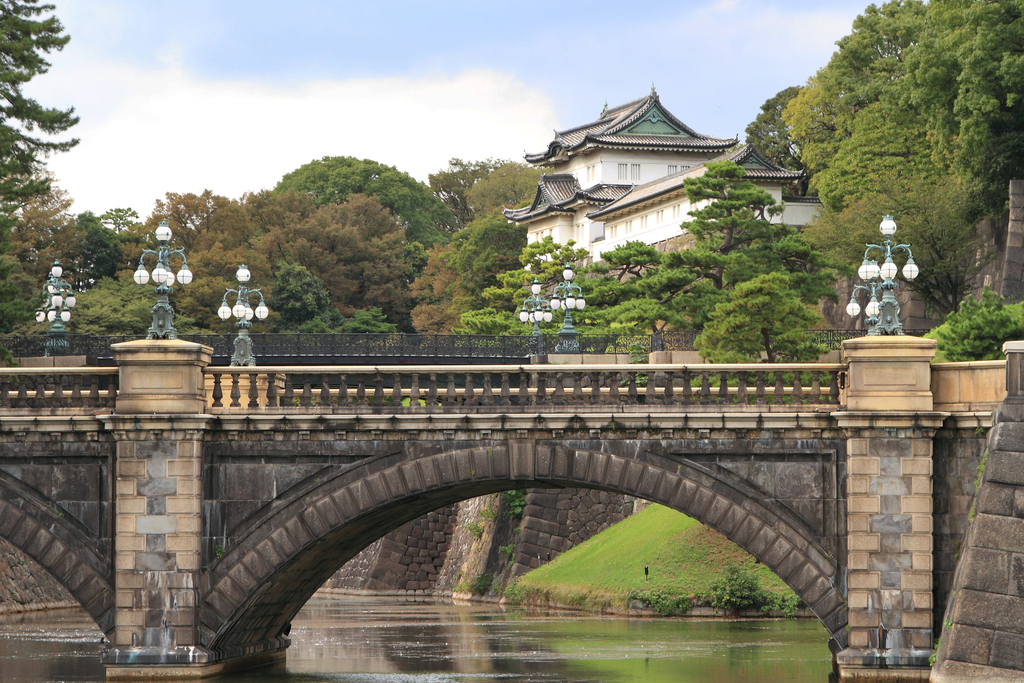
Over the course of many centuries, the city has seen much change, including being renamed to Tokyo from its original Edo in 1868, but it still retains strong links to the past and is renowned for its blending of old and new, traditional and modern. One of the most exciting examples of this philosophy put to practice is the impressive festivals that are held across the city every year. Some of which have been held regularly for over 400 years.
Discover Japan’s rich culture via its regional culinary traditions: Sakuraco sends traditional sweets & snacks from across Japan to your door.
Carrying the Mikoshi
Every year, men and women volunteer at Japanese festivals for a tiring but also exhilarating responsibility: carrying the mikoshi. Most likely a familiar sight for anyone who has attended a festival in Japan, or even just seen a photo, this beautiful and intricate religious object is believed to contain the spirit of the shrine. Not sure what a mikoshi is? Check out our blog to learn more.
Festival Foods
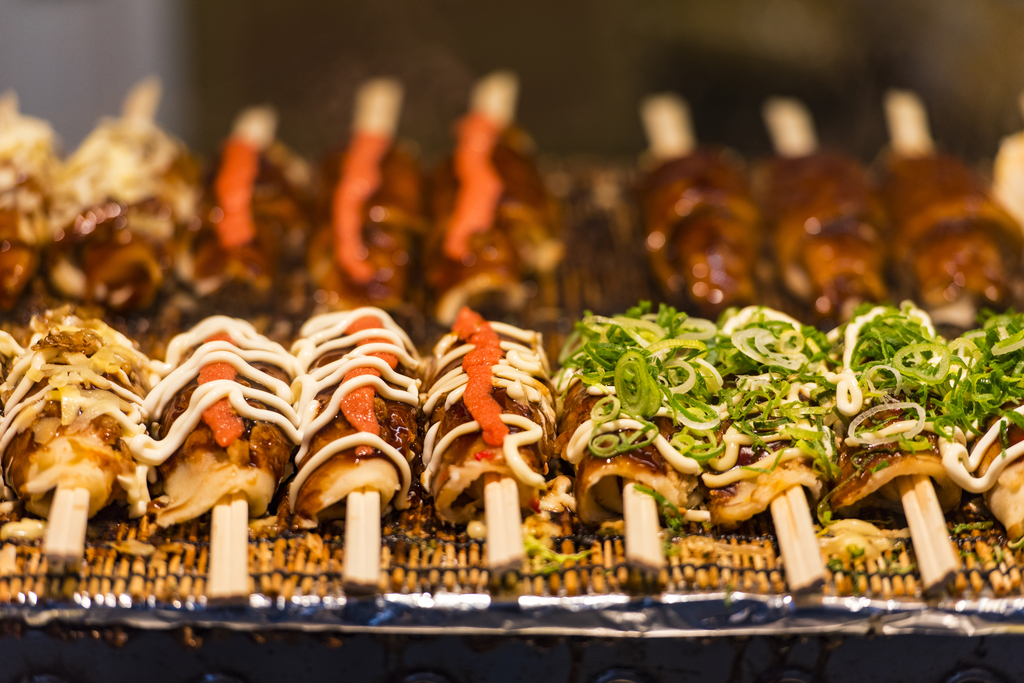
Going to a festival in Tokyo is a fully immersive experience and one of the highlights is always the food. Brightly decorated food stalls beckon festival goers with their delicious wares on display and vendors calling out to passers-by. There is nothing quite like enjoying the centuries’ old tradition of leisurely strolling through the streets of a festival and perusing your culinary options. From yakisoba and grilled corn, to dango and choco bananas, the biggest challenge of course is selecting what to eat. Get an idea of what’s out there with our Top 5 Traditional Festival Foods.
Activities
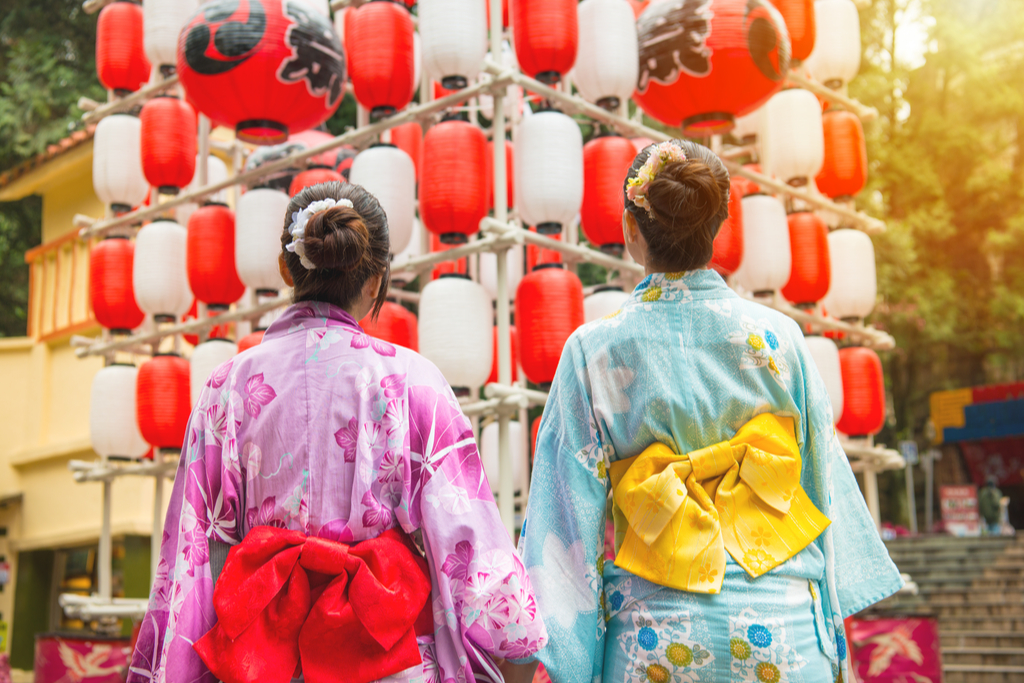
Tokyo is especially famous for the Sumidagawa Fireworks Festival, which has a long and interesting history. But festivals have more than just fireworks and food, going to one can easily turn into a whole day affair and it’s a popular way for friends and families to spend time together. There are even quite a few games, some of which are traditional, and others that are more recent foreign imports. Find out everything you need to know about attending a Japanese matsuri, then take our quiz to see how much you learned.
Protecting Tradition in Modern Times
Tokyo is constantly changing and evolving, both figuratively and literally with new constructions endlessly popping up in the bustling metropolis. While it can sometimes seem that the city is always moving at a breakneck speed, it’s during traditional celebrations like matsuri that we get a peek at a slower pace of life and a simpler time. Tokyoites love to be the first to try the latest food trends, buy the latest gadgets, or wear the newest fashions, but they also have a deep respect for the rich culture of kaizen (continual improvement) that got the city to where it is today.
Discover authentic flavors with Sakuraco
Get Sakuraco 
Discover authentic flavors with Sakuraco
Get Sakuraco
Related Articles
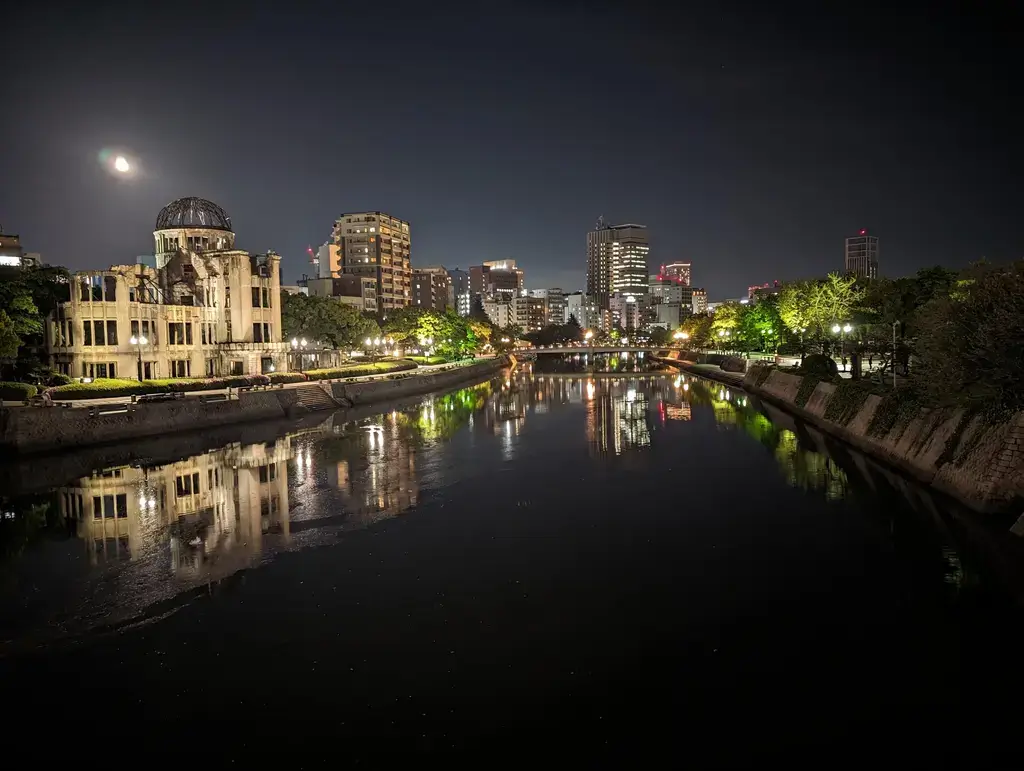
Hiroshima: History, Food, and Scenic Destinations
Hiroshima is one of Japan’s most historically important and culturally rich regions. Located along the Seto Inland Sea in western Japan, Hiroshima Prefecture is known for its history, food, and coastal scenery.
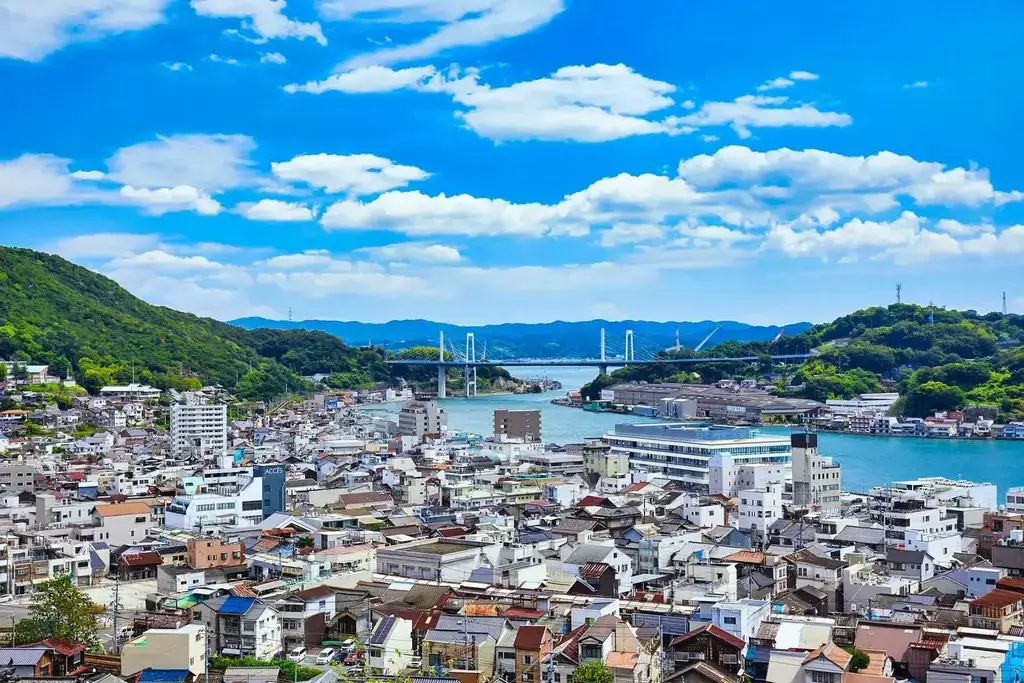
Onomichi: Hiroshima’s Historic Port City by the Seto Inland Sea
Onomichi is one of Hiroshima Prefecture’s most scenic and historic cities. Located along the Seto Inland Sea, Onomichi is known for its hillside temples, narrow streets, old shopping arcades, and waterfront views. The city has long been an important port town and remains popular with travelers seeking a quieter, more traditional side of Japan.
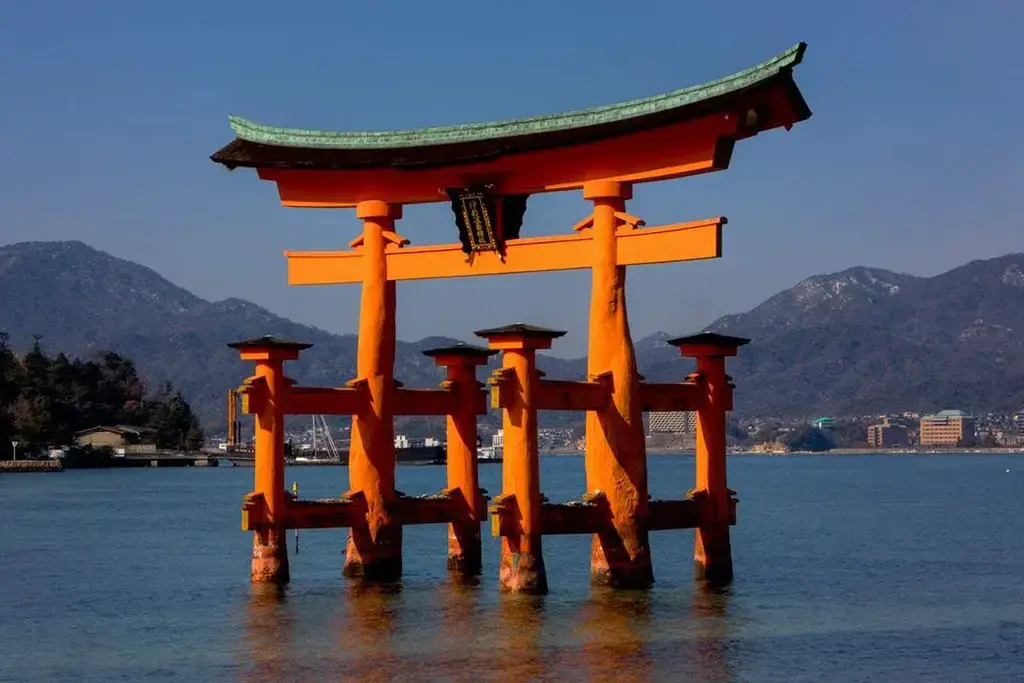
Miyajima: Hiroshima’s Famous Island of Shrines, Deer, and Scenic Views
Miyajima is one of Japan’s most famous islands and one of Hiroshima Prefecture’s best-known tourist destinations. Officially called Itsukushima, the island is better known by the nickname “Miyajima,” which means “shrine island” in Japanese.

Japanese Bathroom Makeover Time With Rachel and Jun!
A look at Rachel and Jun’s Japanese bathroom makeover, featuring simple DIY upgrades, smart storage solutions, and practical ideas you can try at home.