


Onomichi: Hiroshima’s Historic Port City by the Seto Inland Sea

Thalia Harris

Posted on May 29, 2026
Share:
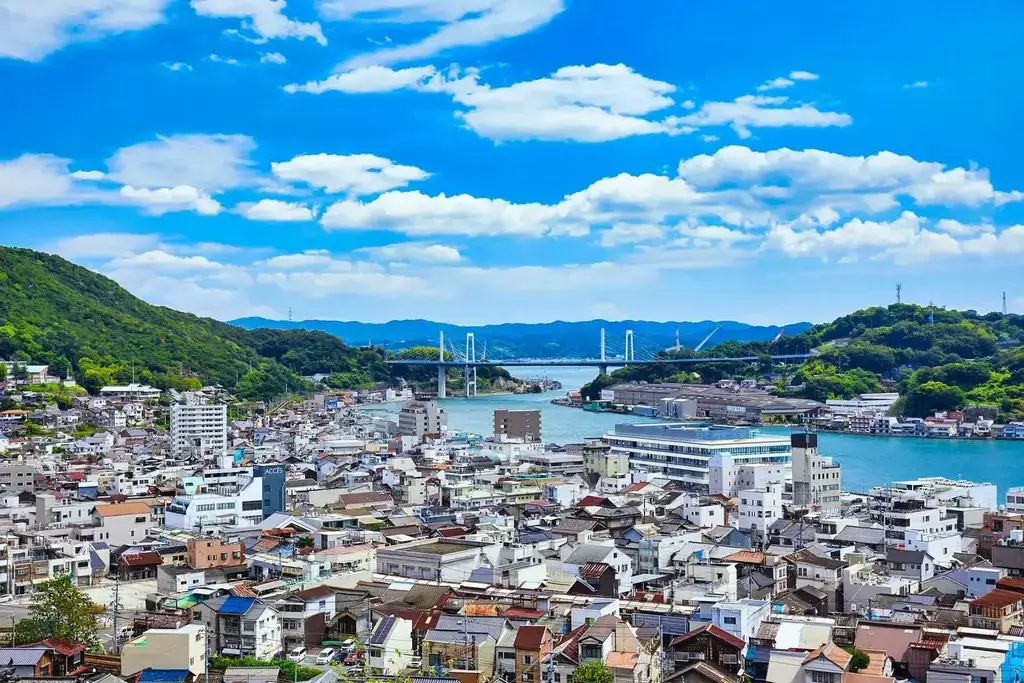
Onomichi is one of Hiroshima Prefecture’s most scenic and historic cities. Located along the Seto Inland Sea, Onomichi is known for its hillside temples, narrow streets, old shopping arcades, and waterfront views. The city has long been an important port town and remains popular with travelers seeking a quieter, more traditional side of Japan.
What makes Onomichi special?
Unlike large modern cities filled with skyscrapers and busy train stations, Onomichi has a slower atmosphere. Many visitors come to explore its steep hills, historic neighborhoods, and views of the sea and nearby islands. The city is also famous as the starting point of the Shimanami Kaido, a cycling route that connects Japan’s main island of Honshu with Shikoku through a series of bridges and islands. Over the years, Onomichi has developed a reputation as a city connected to art, film, literature, and traditional culture.
Onomichi’s History as a Port Town
Onomichi developed as a port city over centuries and became especially important during the Edo period. Ships carrying goods such as rice, salt, and seafood stopped in the city as part of regional trade networks along the Seto Inland Sea. The city’s narrow streets and hillside layout developed naturally between the mountains and the coastline. Even today, many parts of Onomichi still feel closely connected to older periods of Japanese history. Traditional wooden homes, small temples, and stone stairways remain throughout the city. Because flat land was limited, buildings were often constructed close together on steep hillsides. This unique geography became one of Onomichi’s defining features.
Walking Through Onomichi’s Temple District
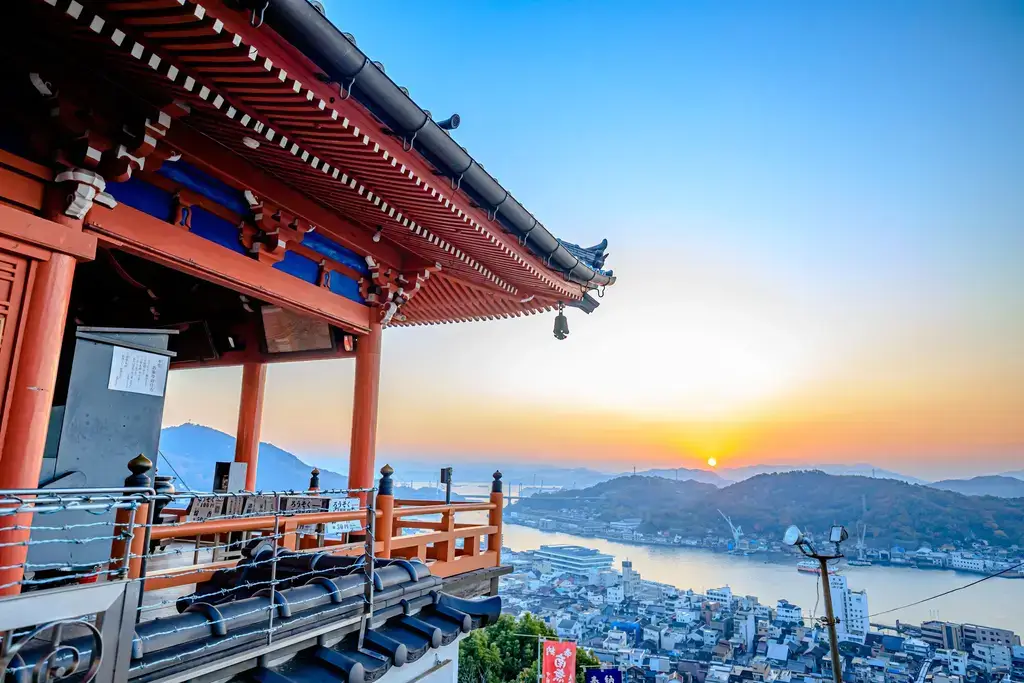
One of Onomichi’s best-known activities is walking through the city’s temple district, where visitors pass historic temples, quiet neighborhoods, and scenic viewpoints along the hillsides. Some of the city’s most famous temples include Senko-ji Temple, which overlooks the city from Mount Senkoji. The temple is known for its red buildings, hillside location, and panoramic views of the Seto Inland Sea. Walking through the temple district gives Onomichi a peaceful atmosphere that feels distinct from that of larger tourist destinations. Many visitors describe the city as calm and nostalgic, thanks to its older streets, traditional buildings, and slower pace.
Senkoji Park and Scenic Views
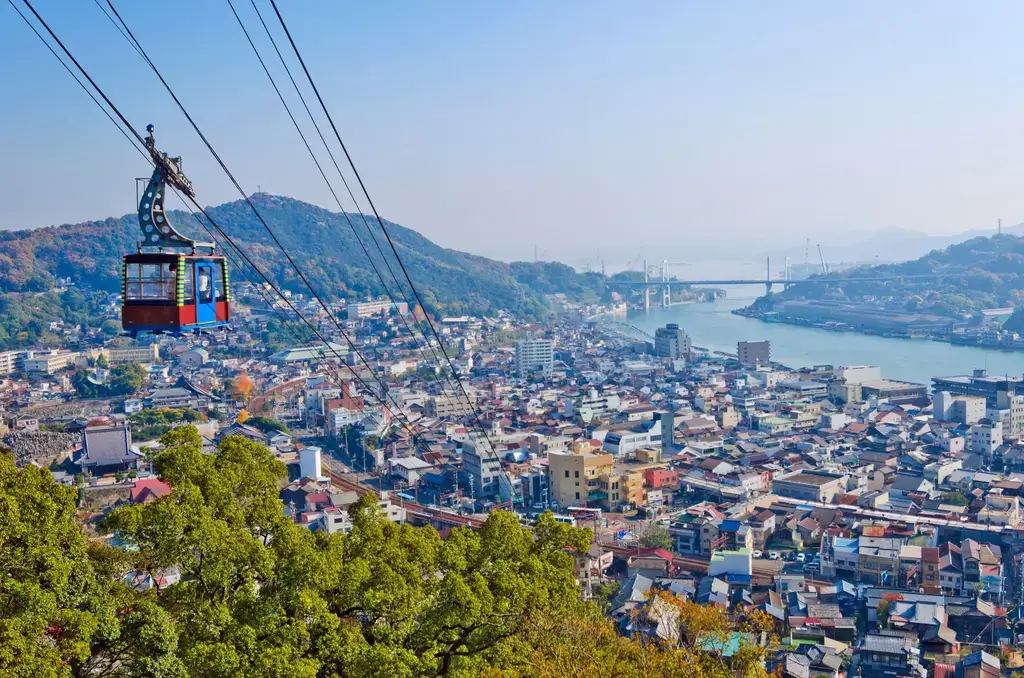
Senkoji Park is one of Onomichi’s most visited locations. The park sits on a hillside above the city and offers wide views of the harbor, islands, and surrounding mountains. Visitors can reach the area by walking or by taking the ropeway up the hillside. During spring, the park becomes especially popular for cherry blossom viewing. In autumn, colorful leaves attract photographers and tourists. The combination of mountains, sea, and closely packed buildings creates some of the most recognizable scenery in Hiroshima Prefecture.
Onomichi Ramen and Local Food
Onomichi is also known for its regional ramen style. Their ramen usually features a soy-sauce-based broth, topped with floating pieces of pork back fat that add richness to the soup. The noodles are often flat and firm, creating a different texture from other ramen styles in Japan. The city’s location along the Seto Inland Sea also means seafood plays an important role in local cuisine. Fresh fish, oysters, and seasonal seafood are available at many restaurants throughout the area. In addition to seafood and ramen, Onomichi is also known for citrus farming. Lemons and other citrus fruits grown on nearby islands have become important regional products in recent years.
Are you looking for amazing snacks from places like Hokkaido? Check out Sakuraco! Sakuraco sends traditional Japanese snacks, teas, and sweets from local makers straight to your door each month!

The Shimanami Kaido
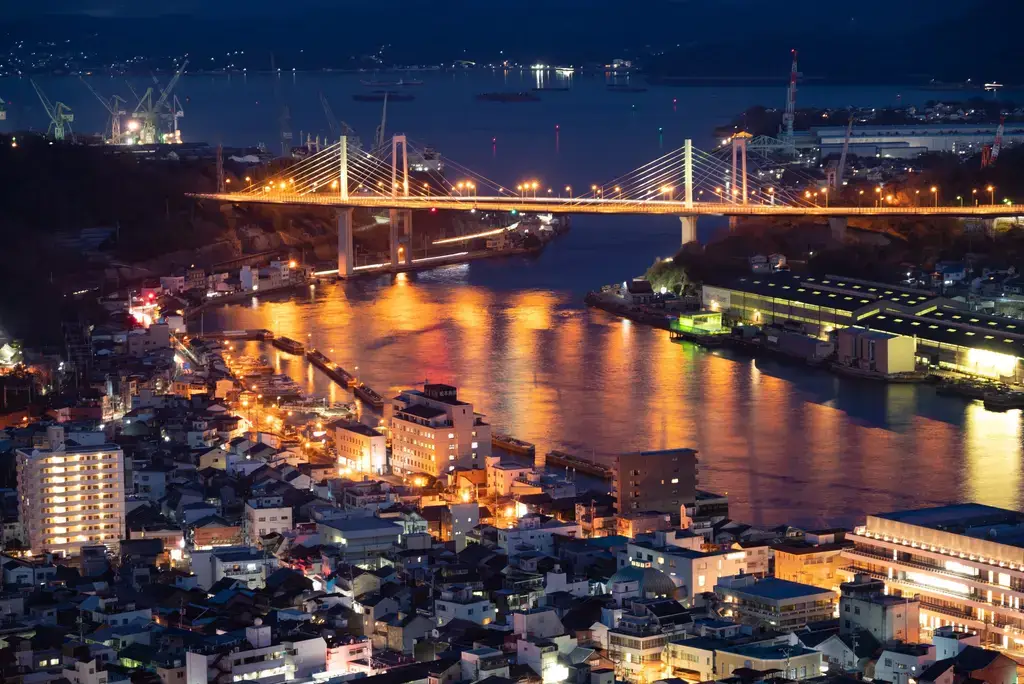
One reason Onomichi has become internationally known is the Shimanami Kaido cycling route. This famous route stretches across a chain of islands connecting Hiroshima Prefecture and Ehime Prefecture. Cyclists travel across large bridges while passing coastal towns, beaches, and small fishing communities. The route attracts both experienced cyclists and casual travelers because of its scenic views and relatively accessible paths. Onomichi serves as the main starting point for many visitors beginning the journey. Bicycle rental services, hotels, and cafes connected to cycling tourism have become increasingly common in the city.
Onomichi’s Connection to Film and Art
Onomichi has also become famous for its connection to Japanese cinema and art. Director Nobuhiko Obayashi used the city as the setting for several films, helping create Onomichi’s reputation as a nostalgic and artistic location. The city’s narrow alleys, stairways, temples, and seaside scenery have made it popular with photographers and filmmakers for decades. Some travelers visit specifically because of Onomichi’s appearance in movies, television dramas, and anime. Art spaces, small galleries, and renovated cafes have also become more common in recent years. Some old buildings have been turned into creative spaces while preserving the city’s traditional atmosphere.
Cats, Alleys, and Everyday Life
Part of Onomichi’s charm comes from its everyday scenery. Quiet residential alleys, steep staircases, and views of the sea create an atmosphere that many visitors find relaxing. The city is also known for its cats, especially in hillside neighborhoods, where visitors sometimes spot them resting along narrow pathways or on temple grounds. This helped inspire the nickname “Cat Alley” for part of the city near the temple district. Unlike heavily crowded tourist areas, Onomichi often feels connected to ordinary daily life. Local shops, small cafes, and older homes continue operating alongside tourism businesses.
Why Visitors Continue to Love Onomichi
Onomichi offers a different side of Japan from major cities like Tokyo or Osaka. Instead of modern skyscrapers and large entertainment districts, the city focuses on scenery, history, and atmosphere. Visitors can spend time exploring temples, eating local ramen, cycling across island bridges, or simply walking through quiet streets overlooking the sea. The city’s slower pace is a large part of its appeal. At the same time, Onomichi continues balancing preservation and modernization.
Tourism has grown in recent years, especially because of the Shimanami Kaido, but much of the city still maintains its historical character. For travelers exploring Hiroshima Prefecture, Onomichi offers a mix of natural beauty, traditional culture, and local cuisine in a compact coastal city. In the end, Onomichi remains one of the Seto Inland Sea’s most distinctive destinations. Through its temple-lined hills, historic port, local ramen culture, and scenic island views, the city continues to attract visitors seeking a quieter, more traditional experience in Japan.

Discover authentic flavors with Sakuraco
Get Sakuraco 
Discover authentic flavors with Sakuraco
Get Sakuraco
Related Articles
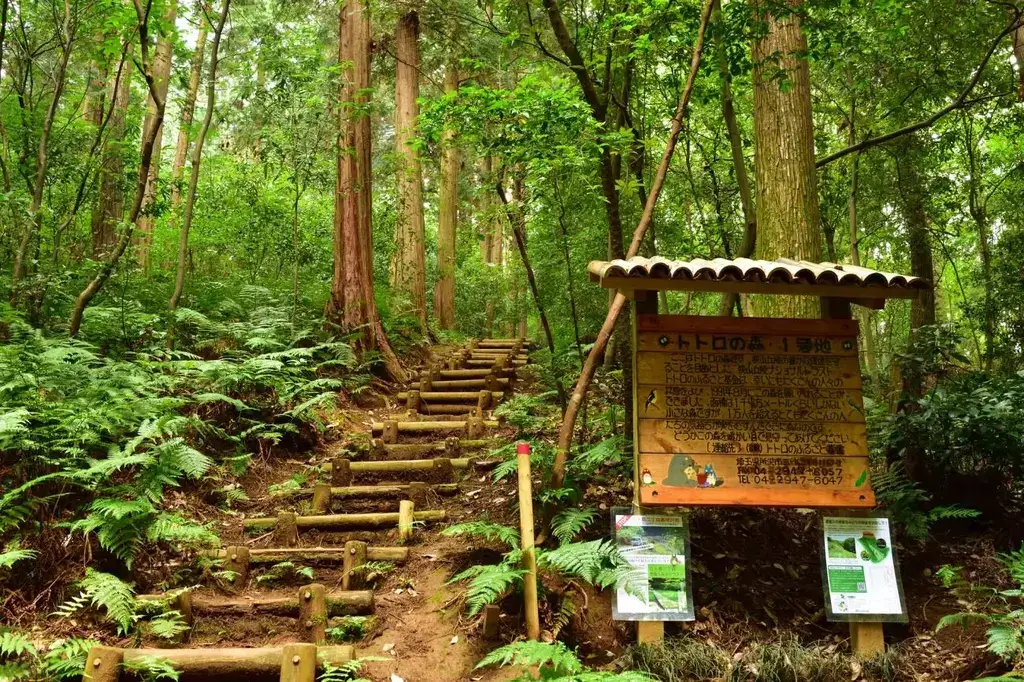
Forest Bathing in Japan: The Ultimate Guide
Japan is known for cultural traditions that promote balance, mindfulness, and a connection with nature. One of the most distinctive is forest bathing, or shinrin-yoku. Despite its name, forest bathing does not involve water.
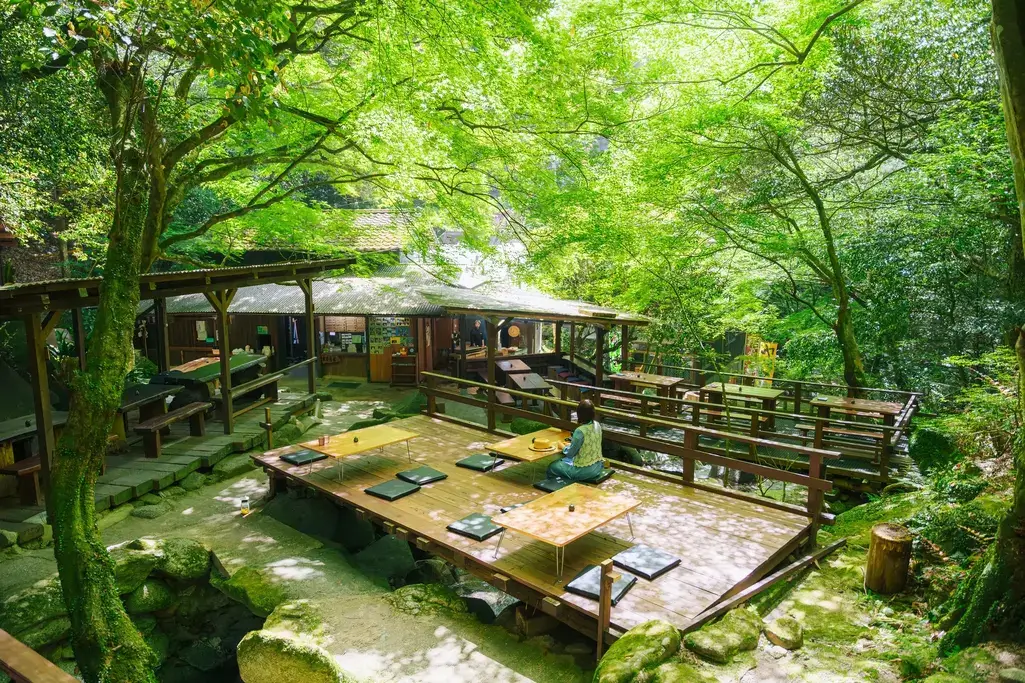
Kawadoko Dining in Japan: A Unique Riverfront Summer Tradition
Japan is home to many seasonal traditions that help people appreciate the changing environment. One of the most distinctive is kawadoko dining, an outdoor dining style that allows guests to enjoy meals beside or above flowing rivers during the warmer months. Known for its cool atmosphere and scenic surroundings, this riverfront dining tradition has become one of Japan’s most memorable summer experiences.
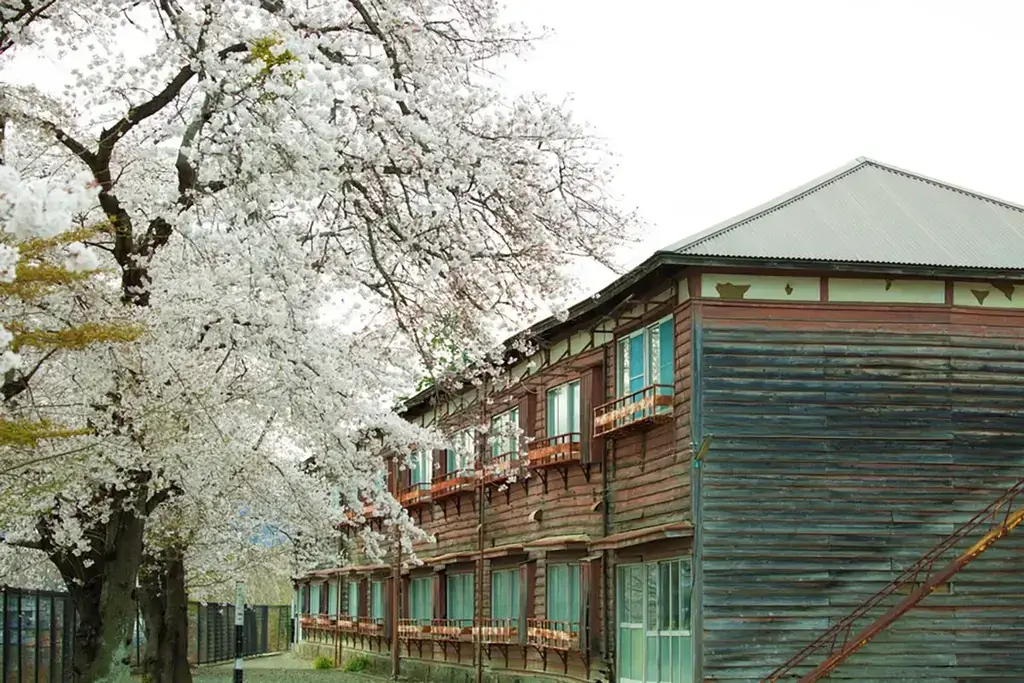
Tomioka Silk Mill: The Factory That Helped Modernize Japan
The Tomioka Silk Mill is one of Japan’s most important industrial heritage sites. Located in Tomioka City in Gunma Prefecture, the mill played a major role in Japan’s modernization during the late 19th century.
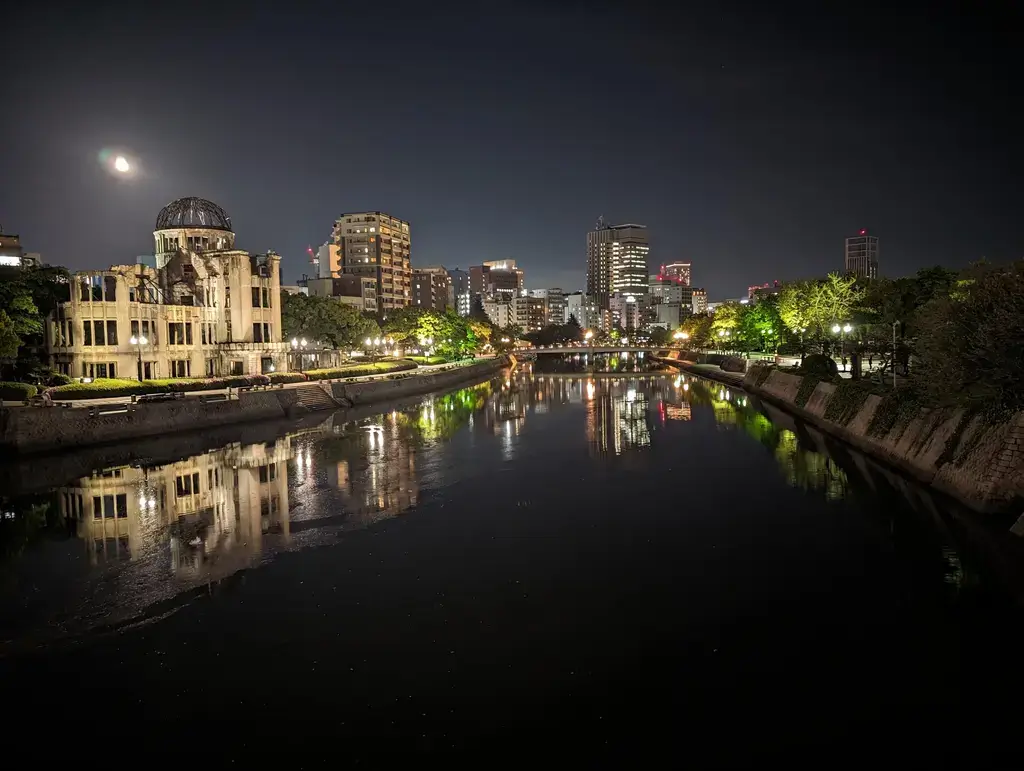
Hiroshima: History, Food, and Scenic Destinations
Hiroshima is one of Japan’s most historically important and culturally rich regions. Located along the Seto Inland Sea in western Japan, Hiroshima Prefecture is known for its history, food, and coastal scenery.