


Hiroshima: History, Food, and Scenic Destinations

Thalia Harris

Posted on June 01, 2026
Share:
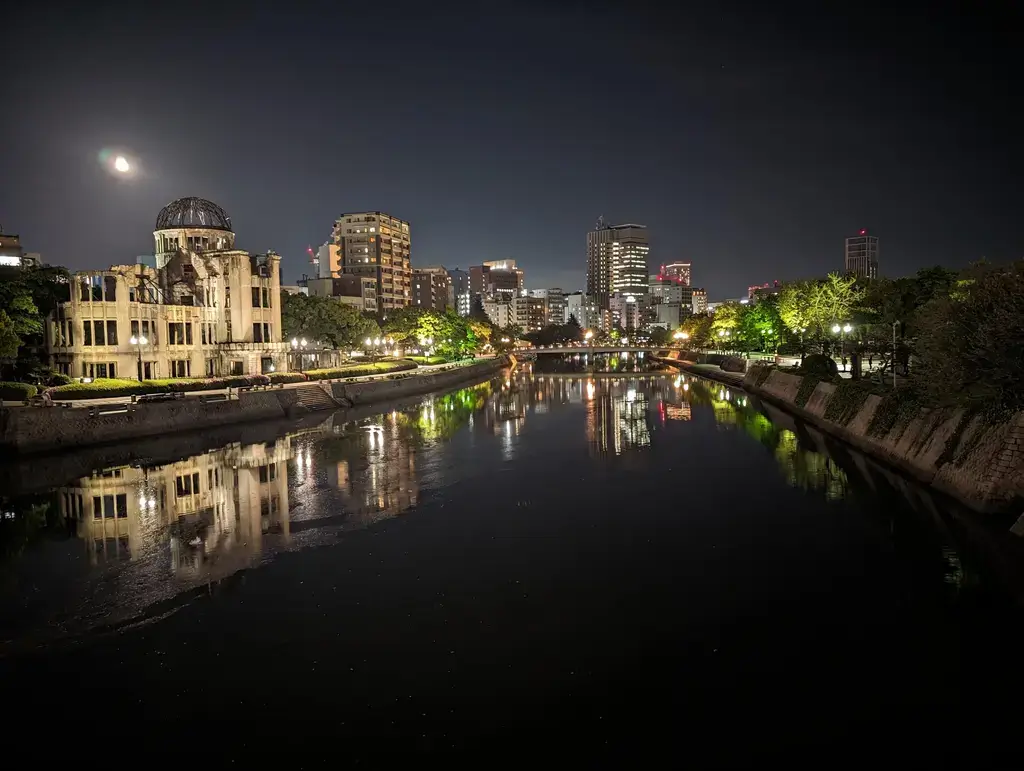
Hiroshima is one of Japan’s most historically important and culturally rich regions. Located along the Seto Inland Sea in western Japan, Hiroshima Prefecture is known for its history, food, and coastal scenery. Many international visitors associate Hiroshima with World War II history. However, the region offers much more than its historical sites.
Facts About Hiroshima
Hiroshima Prefecture is located in Japan’s Chugoku region on the island of Honshu. The prefecture faces the Seto Inland Sea, a calm body of water known for its many islands and mild climate. Hiroshima City serves as the prefectural capital and is the largest city in the region.
Hiroshima became internationally known after the atomic bombing on August 6, 1945, during World War II. Today, places such as Hiroshima Peace Memorial Park and the Atomic Bomb Dome remain important symbols of peace and remembrance.
At the same time, modern Hiroshima is also known for sports, food, and tourism. The city is home to the Hiroshima Toyo Carp baseball team and has developed into a major transportation and business center in western Japan. The prefecture is also famous for oysters, lemons, okonomiyaki, and sake production. Coastal geography and nearby islands have strongly shaped Hiroshima’s local cuisine and economy for centuries.
Hiroshima Tsukemen
One of Hiroshima’s best-known regional foods is Hiroshima tsukemen, a spicy noodle dish that differs from many other Japanese noodle styles. Unlike traditional ramen, where noodles are served in hot broth, tsukemen separates the noodles from the dipping sauce.
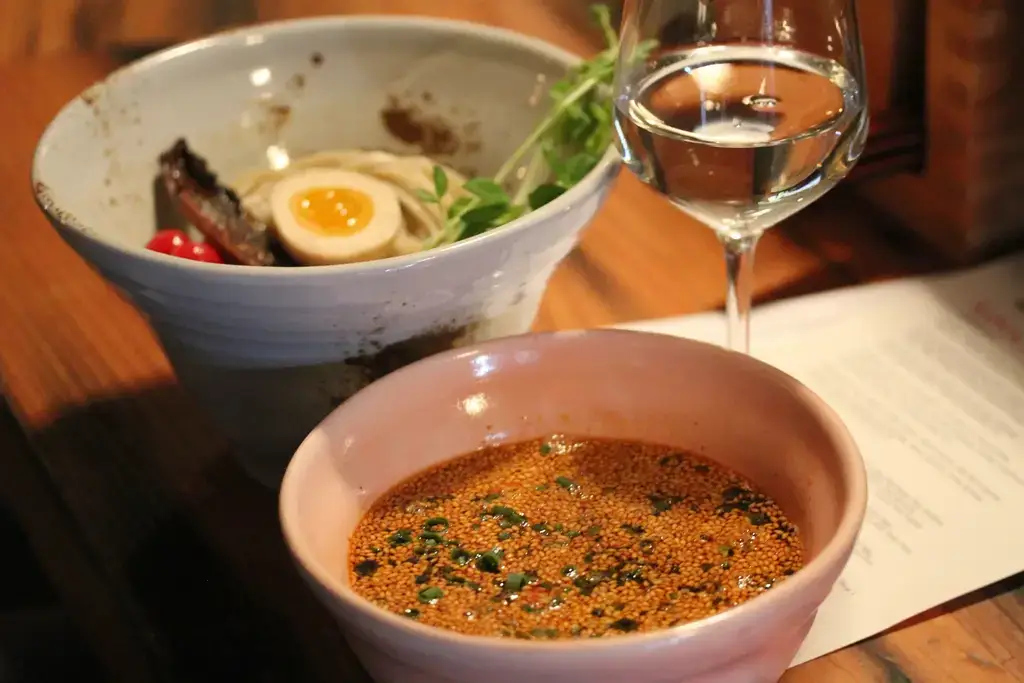
Hiroshima tsukemen usually consists of chilled noodles served with a spicy soy sauce-based dipping sauce. Common toppings include cabbage, cucumber, green onions, bean sprouts, and sliced pork. The dipping sauce often contains chili oil, vinegar, sesame oil, and soy sauce. These ingredients help balance heat and acidity.
The cold noodle style became especially associated with Hiroshima and is particularly popular during the region’s hot summers. Hiroshima tsukemen is now considered one of the prefecture’s signature local noodle dishes. Today, specialty shops across Hiroshima continue serving local variations of the dish.
Takehara Sake
Takehara is one of Hiroshima’s most important sake towns. It is located along the Seto Inland Sea. During the Edo period, the city grew into a prosperous trading center. It later became known for its sake brewing industry.
This city is often called the “Little Kyoto of Aki Province” because of its preserved historical streets and traditional architecture. White-walled merchant homes, old brewery buildings, and narrow streets still give visitors a sense of what the city looked like centuries ago.
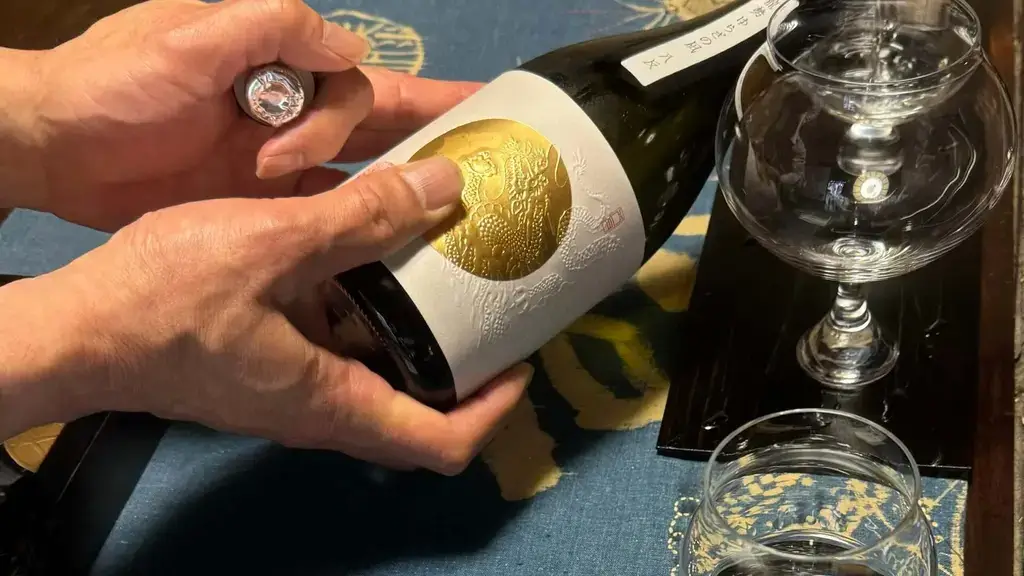
The city is especially important because of its connection to Senzaburo Miura, who helped refine brewing techniques designed for Hiroshima’s soft water. At one time, many brewers believed that soft water made it difficult to produce high-quality sake. Miura’s methods helped change Hiroshima’s reputation and contributed to the smooth, balanced sake style now associated with the region.
Today, Hiroshima sake is often associated with smooth, refined flavor profiles influenced by the region’s soft-water brewing techniques. Small breweries in and around Takehara continue preserving this brewing tradition.
Are you looking for great snacks from places like Hiroshima? Check out Sakuraco! Sakuraco sends traditional Japanese snacks, teas, and sweets from local makers straight to your door each month!

Miyajima Island
Miyajima is one of Japan’s most famous islands and one of Hiroshima Prefecture’s top tourist destinations. Officially called Itsukushima, the island is best known for its large red torii gate that appears to float on the water during high tide. The gate belongs to Itsukushima Shrine, a UNESCO World Heritage Site traditionally said to have been founded in 593 CE. The shrine complex was built over the water because the island itself was considered sacred, and early worship practices discouraged ordinary people from setting foot on it.
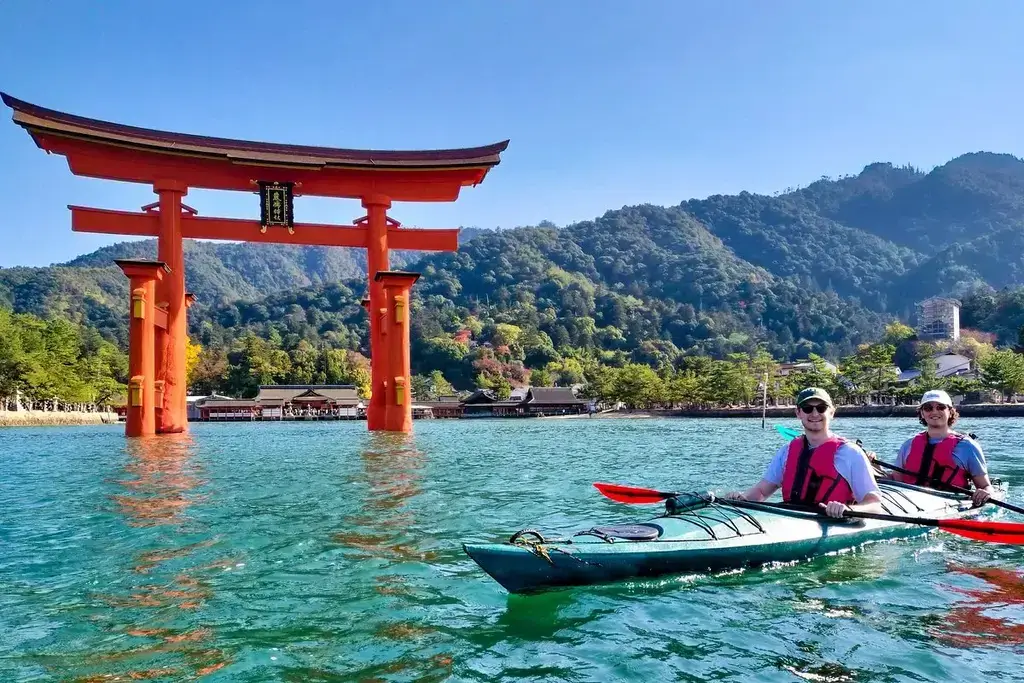
It’s also known for its deer, mountain scenery, and hiking trails. Visitors can explore temples, ride the ropeway to Mount Misen, or walk through traditional shopping streets. These streets are lined with local snacks and souvenirs. The island is also known for foods such as grilled oysters and momiji manju. Momiji manju is a maple-leaf-shaped dessert usually filled with sweet bean paste. Because of its mix of history, religion, and natural beauty, Miyajima is traditionally considered one of Japan’s “Three Views.”
Onomichi City
Onomichi is a historic port city known for its hillsides, temples, narrow streets, and views of the Seto Inland Sea. The city developed over centuries as an important port and trading center and still retains much of its historical atmosphere today.
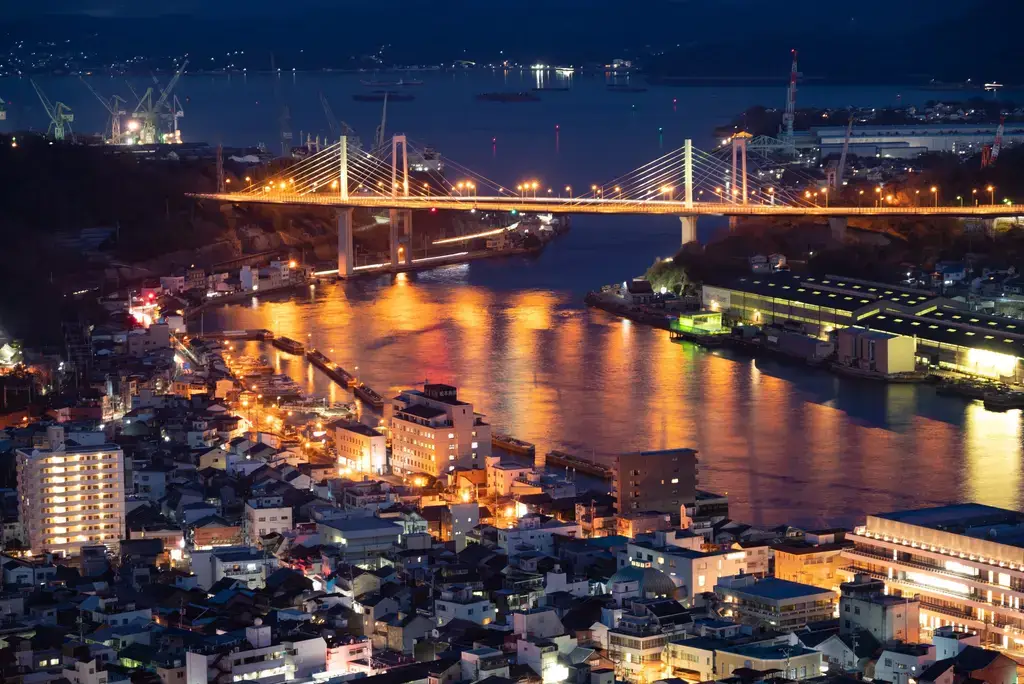
One of Onomichi’s most popular activities is walking through its hillside temple district. Stone stairways, narrow alleys, and historic temples create a peaceful atmosphere that attracts photographers, filmmakers, and travelers seeking a quieter side of Japan. Among the city’s best-known landmarks is Senko-ji Temple, which overlooks the city from Mount Senkoji. The area around the temple offers panoramic views of the harbor and nearby islands.
Onomichi is also famous as the starting point of the Shimanami Kaido, a cycling route connecting Hiroshima Prefecture with Ehime Prefecture through a chain of bridges and islands. The route has become internationally popular among cyclists because of its scenic coastal views. Food is another important part of the city’s identity. Onomichi ramen features soy sauce-based broth topped with floating pieces of pork back fat, giving the soup a rich flavor while maintaining a lighter appearance than some heavier ramen styles.
Why Hiroshima Continues to Attract Visitors
Hiroshima Prefecture offers much more than a single historical narrative. While its wartime history remains globally significant, the region also contains coastal scenery, traditional towns, famous foods, historic shrines, and long-standing cultural traditions. Visitors can experience modern city life in Hiroshima City, explore historical brewery districts in Takehara, hike scenic mountain trails on Miyajima, or cycle along island bridges near Onomichi. Each destination highlights a different side of Hiroshima’s identity.
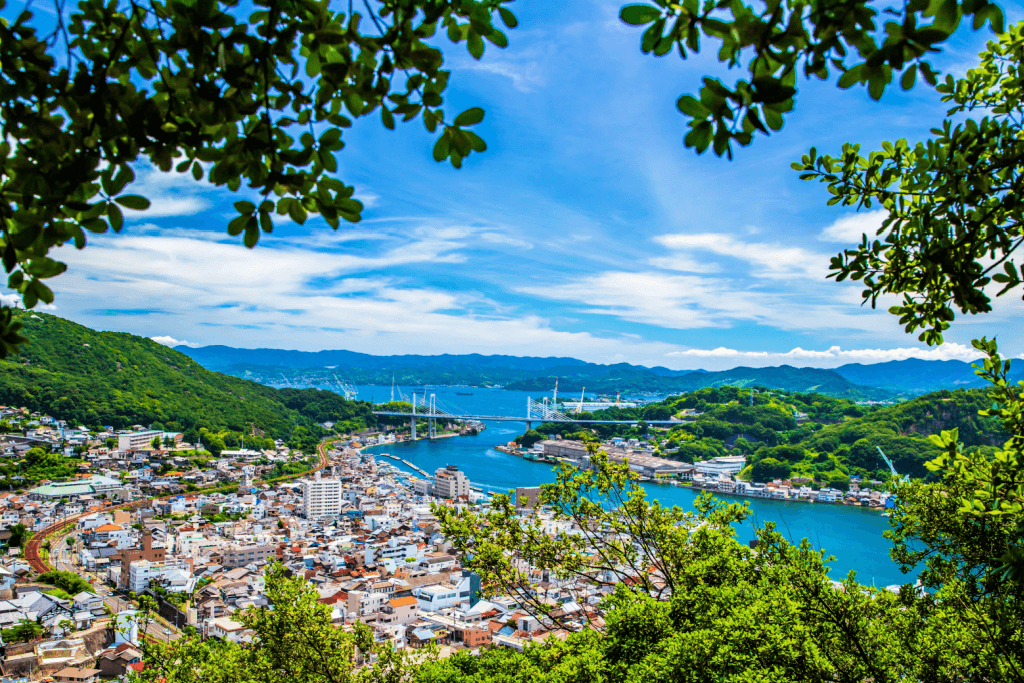
The prefecture’s combination of historical importance, local cuisine, and natural beauty continues to attract both domestic and international travelers. From spicy tsukemen noodles to centuries-old shrines overlooking the sea, Hiroshima remains one of western Japan’s most distinctive and culturally important regions.

Discover authentic flavors with Sakuraco
Get Sakuraco 
Discover authentic flavors with Sakuraco
Get Sakuraco
Related Articles
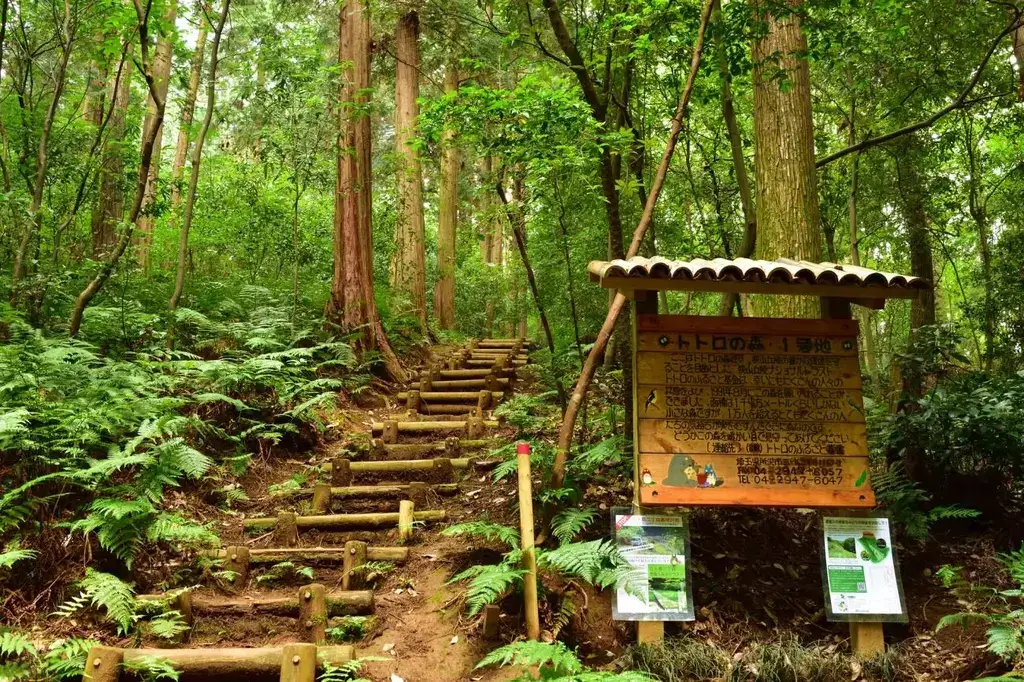
Forest Bathing in Japan: The Ultimate Guide
Japan is known for cultural traditions that promote balance, mindfulness, and a connection with nature. One of the most distinctive is forest bathing, or shinrin-yoku. Despite its name, forest bathing does not involve water.
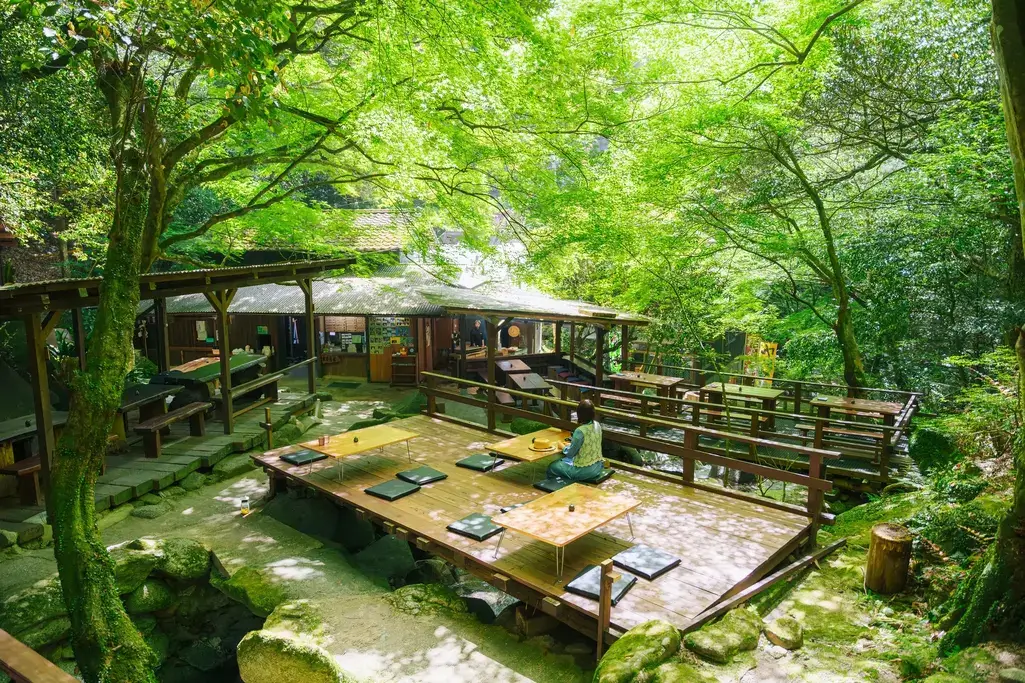
Kawadoko Dining in Japan: A Unique Riverfront Summer Tradition
Japan is home to many seasonal traditions that help people appreciate the changing environment. One of the most distinctive is kawadoko dining, an outdoor dining style that allows guests to enjoy meals beside or above flowing rivers during the warmer months. Known for its cool atmosphere and scenic surroundings, this riverfront dining tradition has become one of Japan’s most memorable summer experiences.
Tomioka Silk Mill: The Factory That Helped Modernize Japan
The Tomioka Silk Mill is one of Japan’s most important industrial heritage sites. Located in Tomioka City in Gunma Prefecture, the mill played a major role in Japan’s modernization during the late 19th century.