


sakuramori
Sakuramori: Who Are The Cherry Blossom Guardians?

Savannah Walker

Posted on February 06, 2026
Share:
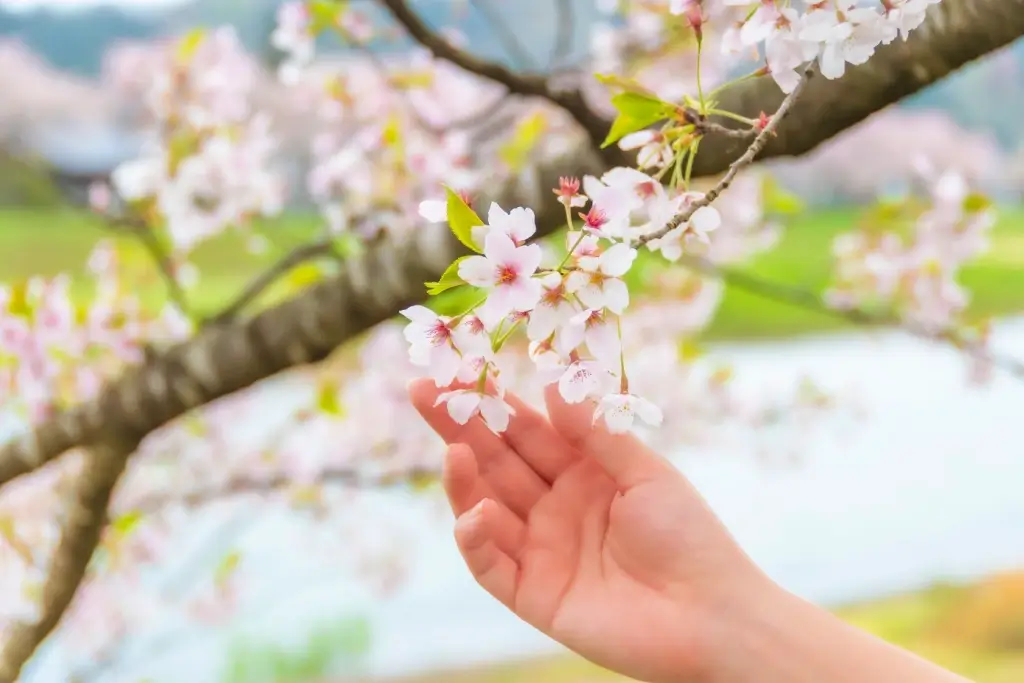
Cherry blossom trees, also known as sakura, hold a special place in Japan. People called sakuramori protect and care for these trees. Sakuramori means “cherry blossom guardians” in Japanese. They work hard to keep old trees healthy and plant new ones. Their efforts ensure everyone can enjoy the pink blooms each spring, keeping them healthy and people happy.
Who are the sakuramori?
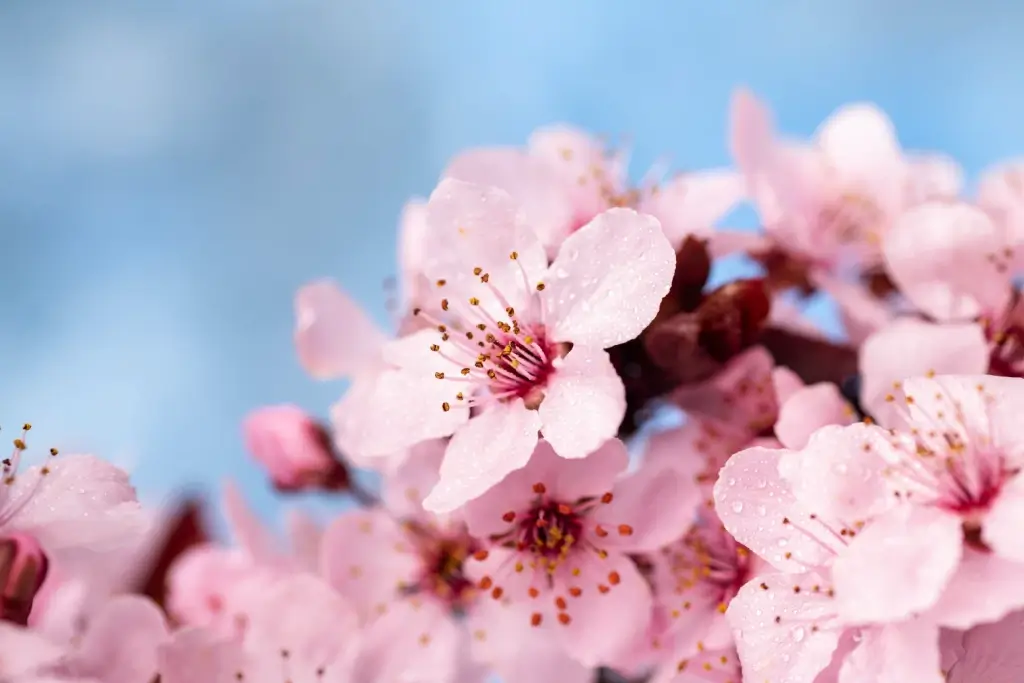
The sakuramori come from different places in Japan. Some work in large parks, such as Hirosaki Park in Aomori. Others belong to families that have cared for trees for many years. In Kyoto, the Sano family has done this job for 16 generations. Local groups in areas near Tokyo also help out. All of them share a love for sakura trees. They use their skills to help trees fight problems like old age and bad weather. Their efforts allow thousands of people to enjoy the Sakura each year.
Hirosaki Park
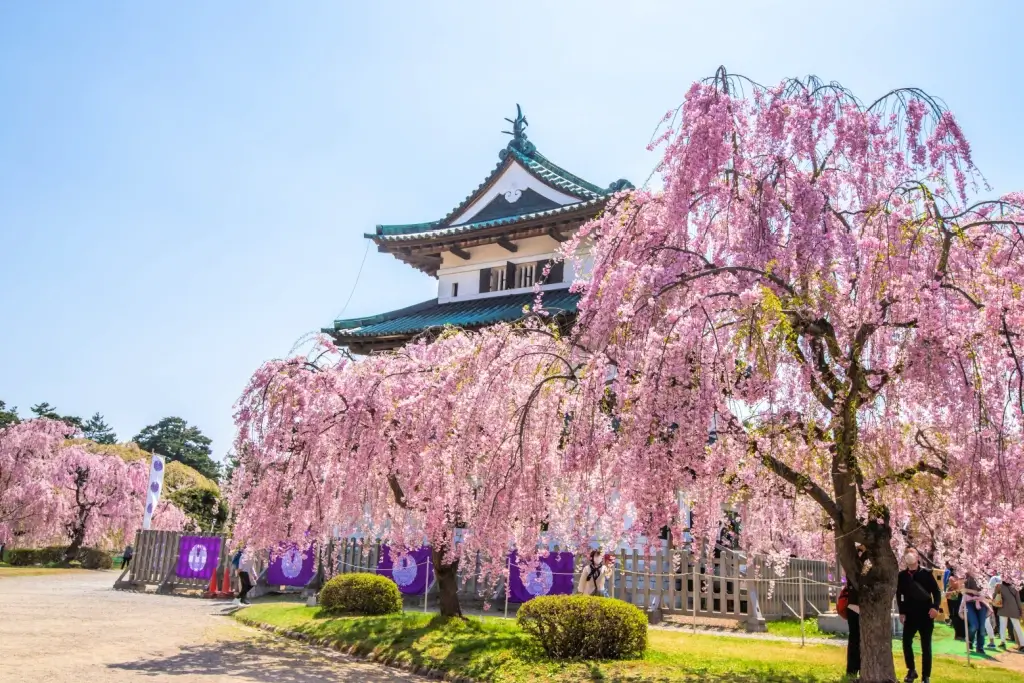
Hirosaki Park has over 2,500 cherry trees. Many of these trees were planted in the 1800s. A team called sakuramori looks after them. They learned special ways to prune trees from nearby apple farmers. This method, known as the Hirosaki Method, keeps trees strong. Workers cut sick branches and make room for new growth. They check roots and add food to the soil. Snow and cold winters make their job tough, but they keep going. Each year, the park fills with visitors who see the results of their care.
The Sano Family
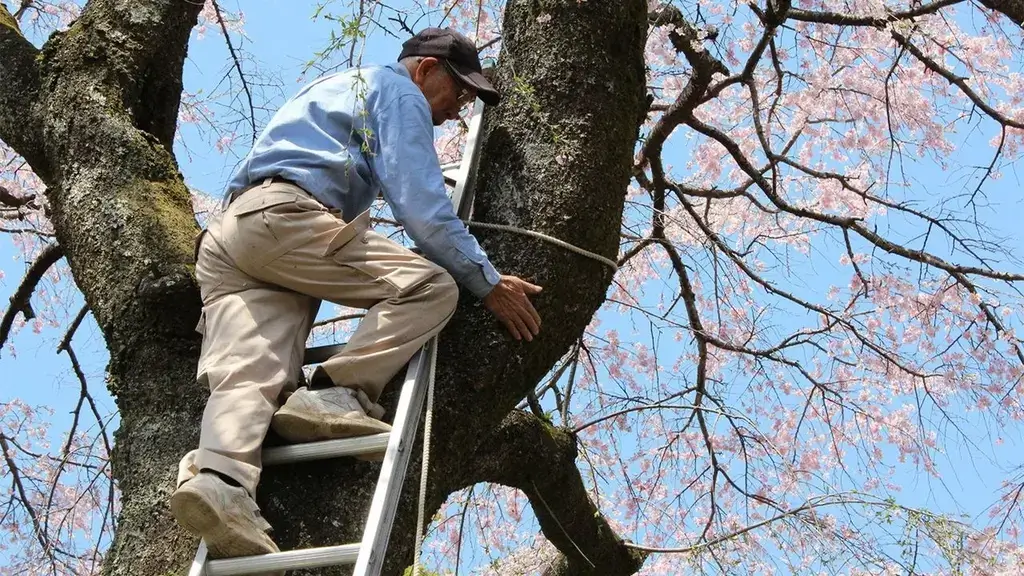
In Kyoto, the Sano family runs a garden full of rare cherry trees. Tōemon Sano has worked with sakura for over 80 years. He wrote a book called Sakura Taikan that tells about different kinds of trees. The family raised a famous weeping cherry for Maruyama Park. Now, Tōemon’s son learns the family ways. They focus on trees that bloom late in the season. This extends sakura viewing time, allowing for more people to enjoy them each year. Their garden covers about 1.5 hectares. Visitors sometimes see these workers, but most of the work happens out of sight to keep the zen of the trees.
Are you looking for great snacks for sakura season? Check out Sakuraco! Sakuraco delivers traditional Japanese snacks, sweets, teas, and more from local Japanese makers right to your door!

Are there sakuramori in Tokyo?
While Tokyo itself does not have a large, formal group with that exact title working across the city’s many parks, people living nearby in Kunitachi City, just outside the capital, have taken on the vital role of sakuramori for their local cherry trees. These dedicated residents care for rows of trees originally planted in the 1930s, patiently growing new saplings from seeds of native varieties such as Yamazakura and Oshimazakura, regularly checking the bark for signs of trouble and improving the soil around the roots to give them the best chance to thrive.
At the same time, they teach visitors simple ways to respect the trees during hanami season, such as picking up all trash after picnics, staying off the delicate root zones, and keeping noise levels low so the trees experience less stress from crowds. Through all this steady effort, the group hopes these cherry trees will remain healthy well past the 100-year mark, and their work naturally builds a strong sense of pride and connection in the neighborhood as everyone sees the blossoms return stronger each spring.
When do they start looking after the trees?
Sakuramori starts work long before spring. In winter, they prune branches to let in light and air. This helps buds grow big flowers. They look for rot or bugs and remove bad parts right away. Soil is tested to determine which trees need what. Water flow matters too, especially after heavy rain. Old trees like Somei Yoshino live about 60 years on their own. With help, they bloom much longer.

These trees face changes today. Warmer weather shifts when they bloom. Some places might not get cold enough for buds to form. Pests move to new areas. Crowds in parks can damage roots by stepping on them. Sakuramori watches these weather patterns closely. They adjust pruning and pick strong spots for new trees. They teach park rules to visitors. Clean streets and no litter help trees stay healthy.
You can also follow some simple steps to help support sakuramori. Simple actions such as walking on paths and not near tree bases. Carrying trash home after picnics. Skip shaking branches for pictures. Join the cleanup days at parks. Learn the names of tree types. These actions ease the guardians’ load. Healthy trees mean better hanami for all.
Why do sakuramori matter so much?
Sakuramori matter so much because they save cherry trees from age, weather, and crowds, so the springs stay beautiful. Teams in Hirosaki, families in Kyoto, and locals near Tokyo all play a part. Their quiet daily work lets millions see pink clouds of blossoms. Next hanami, think of the pruners and planters. Have you ever seen sakuramori before, or have fun sakura memories to share? Let us know in the comments below!

Discover authentic flavors with Sakuraco
Get Sakuraco 
Discover authentic flavors with Sakuraco
Get Sakuraco
Related Articles
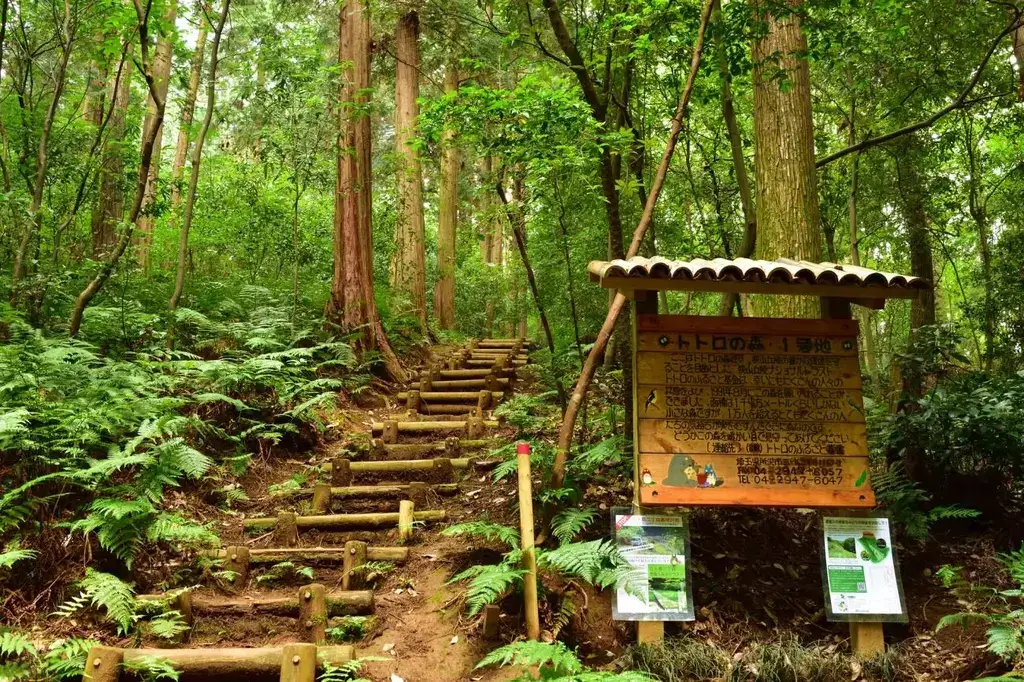
Forest Bathing in Japan: The Ultimate Guide
Japan is known for cultural traditions that promote balance, mindfulness, and a connection with nature. One of the most distinctive is forest bathing, or shinrin-yoku. Despite its name, forest bathing does not involve water.
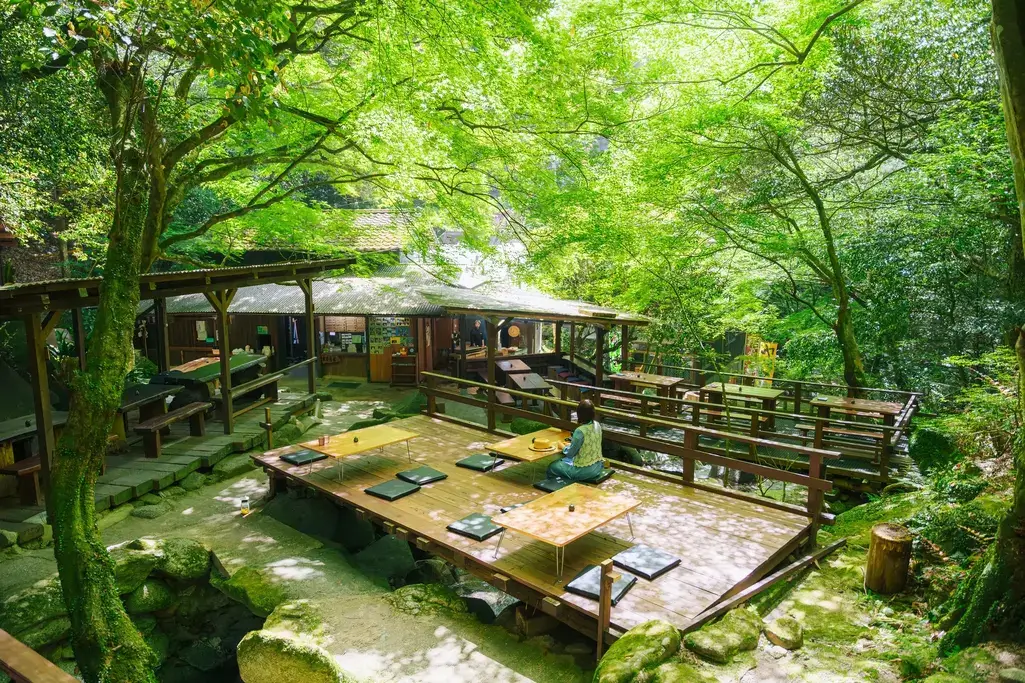
Kawadoko Dining in Japan: A Unique Riverfront Summer Tradition
Japan is home to many seasonal traditions that help people appreciate the changing environment. One of the most distinctive is kawadoko dining, an outdoor dining style that allows guests to enjoy meals beside or above flowing rivers during the warmer months. Known for its cool atmosphere and scenic surroundings, this riverfront dining tradition has become one of Japan’s most memorable summer experiences.
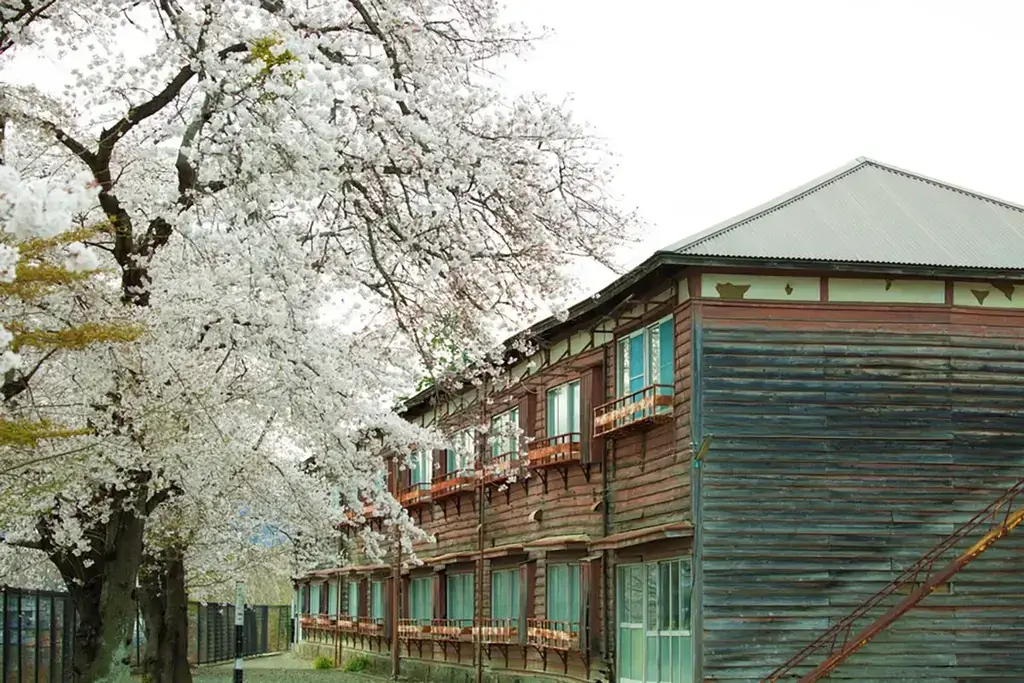
Tomioka Silk Mill: The Factory That Helped Modernize Japan
The Tomioka Silk Mill is one of Japan’s most important industrial heritage sites. Located in Tomioka City in Gunma Prefecture, the mill played a major role in Japan’s modernization during the late 19th century.
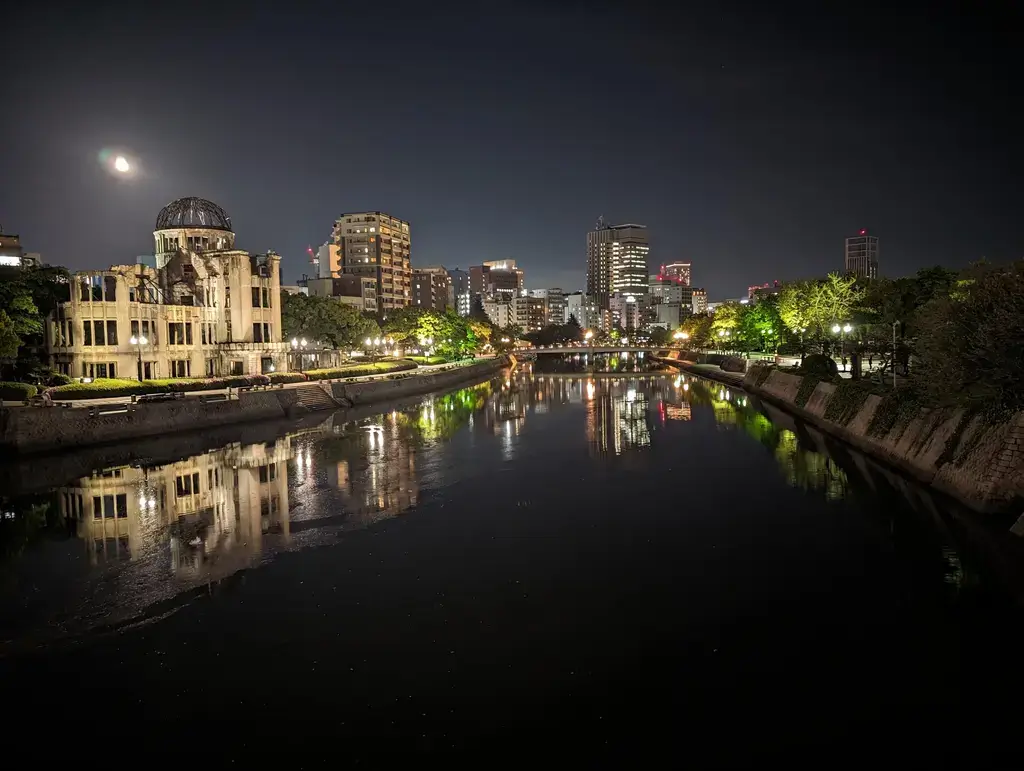
Hiroshima: History, Food, and Scenic Destinations
Hiroshima is one of Japan’s most historically important and culturally rich regions. Located along the Seto Inland Sea in western Japan, Hiroshima Prefecture is known for its history, food, and coastal scenery.