


high prices, rice in japan
Rice in Japan: Why Are the Prices So High?

Karina Ikedo

Posted on May 27, 2025
Share:
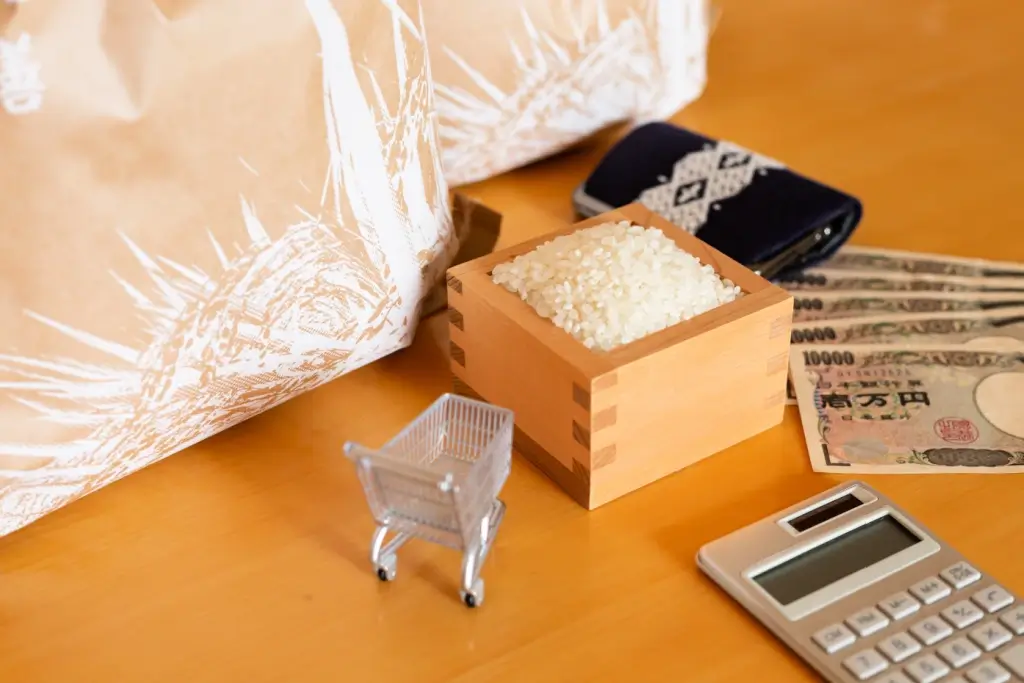
In Japan, rice is more than just food; it represents culture, tradition, and everyday life. Rice has been a key part of Japanese meals and celebrations for hundreds of years. It is essential in matsuri (festivals), rituals, and daily meals. But lately, many people in Japan have faced a big problem: rising rice prices.
Since early 2025, rice has become more expensive, worrying shoppers and government leaders. Keep reading as we explore why rice prices are rising and what is causing this. We will also examine how the government works to fix the problem. Understanding this issue helps us appreciate the value of rice and the efforts to keep it affordable for everyone.
Why are rice prices rising in Japan?
The rise in rice prices is a complex problem caused by more than one thing. First, the 2023 rice harvest was damaged by very high temperatures during the growing season. Rice plants are sensitive to heat, and extreme weather can reduce the amount of rice grown and lower its quality. Because of this, less rice was harvested, which means there was less rice for 2024 and 2025.
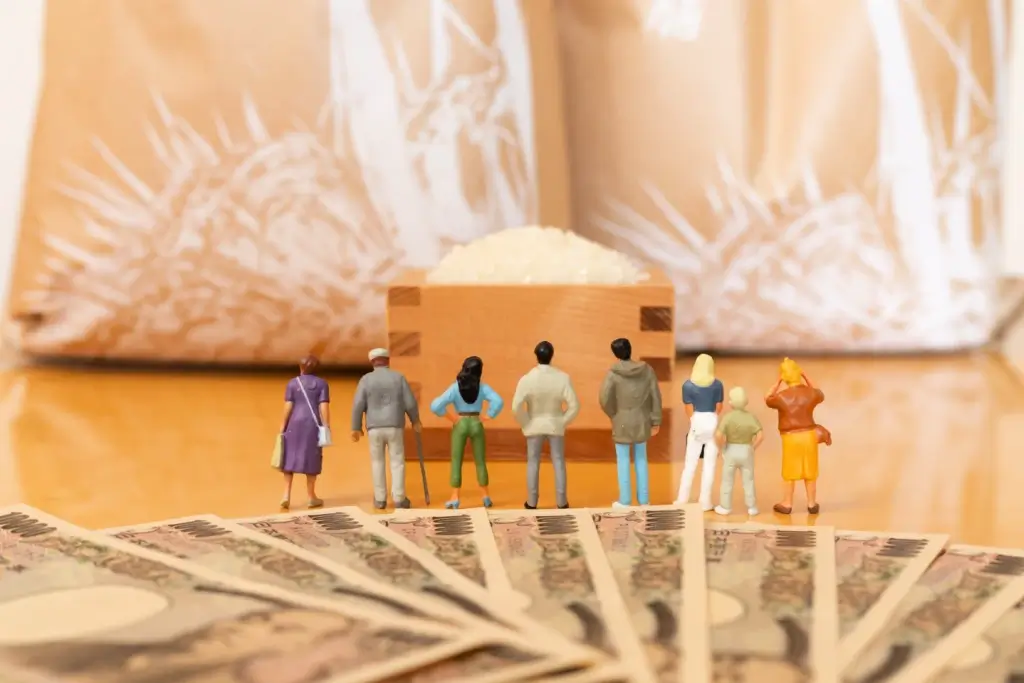
In addition, Japan saw a big increase in rice buying because people were afraid. Last year, a warning was issued about a possible megaquake near the Nankai Trough, a large earthquake zone near the southwestern coast of Japan. After hearing the warning, many people rushed to buy and save Japanese food, especially rice. This sudden buying made rice harder to find in stores and caused prices to go up.
These two problems—less rice from farms and people buying too much—caused prices to go up. By March 2025, the cost of a five-kilogram bag of rice had gone up for 13 weeks in a row. The price was around ¥4,206 (about $30 USD), which is more than double the cost from one year before.
What is the Japanese government doing to address rising rice prices?
Japan’s government is not just watching rice prices increase; it’s working hard to help keep rice affordable. Since 1995, Japan has saved extra rice in case of emergencies. This rice reserve started after a cold summer in 1993, which hurt the rice harvest.
The rice reserve is like a backup plan. It helps during disasters or when there isn’t enough rice. In 2025, the government began using this extra rice. Two big batches, totaling 210,000 tons, were sent to stores across Japan. A third batch of 100,000 tons was also planned for late April.
These steps are meant to give people more rice and help lower prices. Agriculture Minister Taku Eto said the goal is to ensure everyone has enough rice. Prime Minister Shigeru Ishiba also said the government is ready to do more to keep rice prices under control.
For those outside Japan who love Japanese culture, rice is essential to enjoying authentic dishes. Subscription services like Sakuraco offer premium Japanese ingredients, traditional Japanese snacks, teas, and sweets from local Japanese makers right to your door every month so you can experience the taste and tradition of Japan in your kitchen.
Challenges in Stabilizing Rice Prices
Even with these efforts, rice prices are still high. Prices have only dropped a little after stockpile releases. There are a few reasons for this. One is that stockpiled rice may not taste as fresh as newly harvested rice. This difference in quality can make shoppers choose other rice, even if it’s more expensive.
Another reason is that moving rice from storage to stores takes time. It doesn’t happen quickly. Also, many people buy extra rice to be safe. This makes more people want rice. So, even when there is more rice, the high demand keeps prices high.
What can consumers do?
For people in Japan, things might change because rice costs more now. The government is sharing saved rice to lower prices. Some people might eat different foods or less rice for a while. The hot weather in 2023 showed that the climate can affect our food supply. This means farmers and leaders need to be ready for these problems later. Growing food in a way that helps nature and taking care of the Earth are very important. Doing this will help keep food safe and easy to get for everyone.
Why is important to understand the rising rice prices in Japan?
People care about rising rice prices because rice is more than food; it’s part of Japan’s culture and daily life. Prices are rising for natural and social reasons. Extreme weather hurt the harvest, and fears of earthquakes caused panic buying. The government is helping by releasing stockpiled rice to keep prices steady and supply reliable.
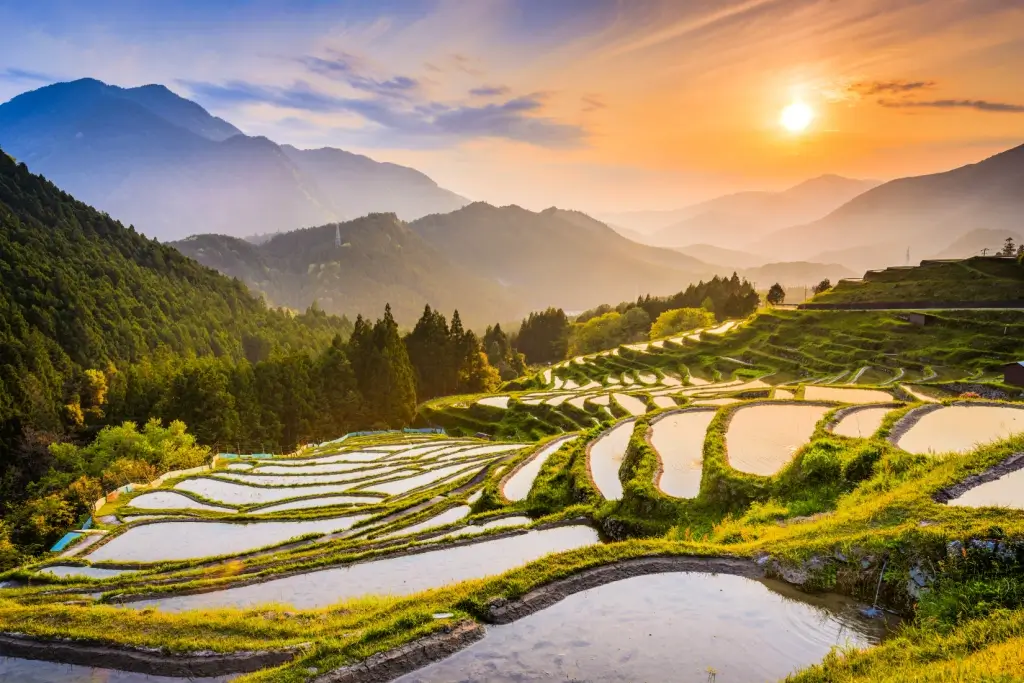
Though the problem is still challenging, these actions, people’s awareness, and climate change help protect this vital crop. Whether you live in Japan or just love Japanese food, knowing this helps you appreciate every bowl of rice more. How do you feel about the rising cost of everyday foods like rice? Have you noticed any changes in the price or availability of rice where you live? Share your thoughts in the comments below!

Discover authentic flavors with Sakuraco
Get Sakuraco 
Discover authentic flavors with Sakuraco
Get Sakuraco
Related Articles
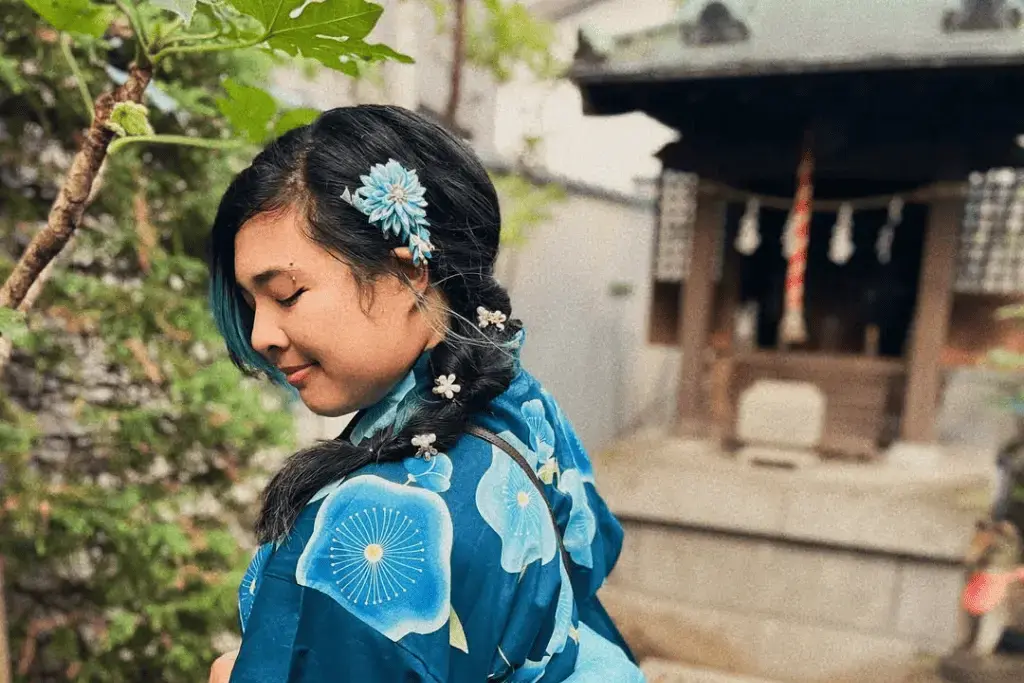
Akidearest Talks About Living in Japan & Creating Content
Excerpt
Akidearest shares her journey as a creator, her experiences living in Japan, thoughts on internet culture, favorite anime, and the everyday moments that continue to inspire her both online and offline.
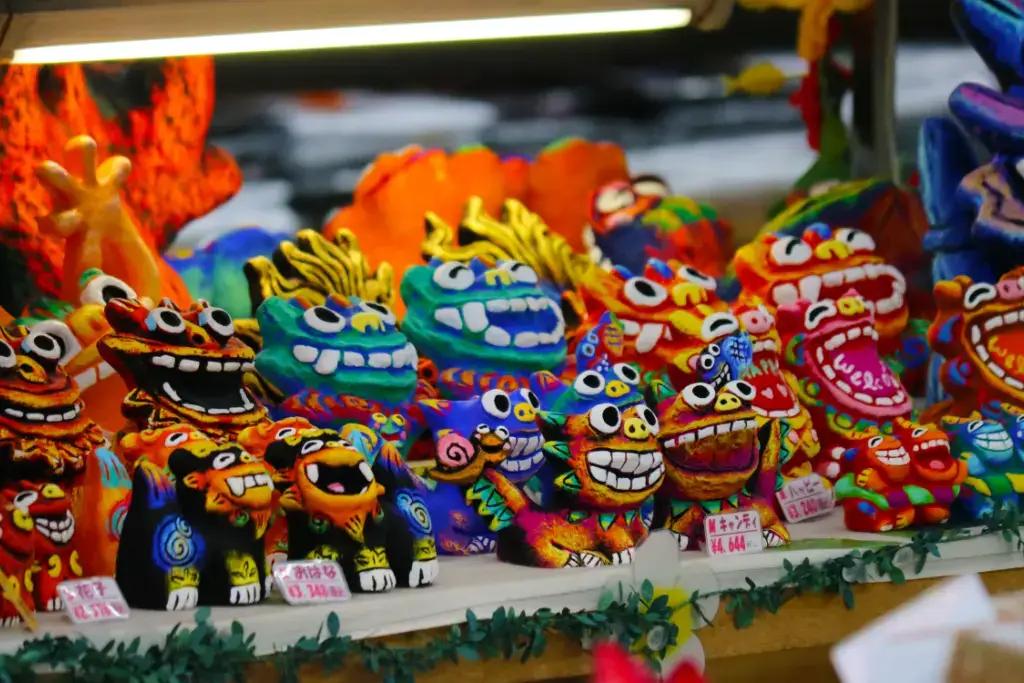
Okinawa Folklore: The Legends of Japan’s Southern Islands
Okinawa is famous for its beautiful beaches, unique culture, and rich history. Located in the southernmost part of Japan, the islands were once the independent Ryukyu Kingdom before becoming part of modern Japan.
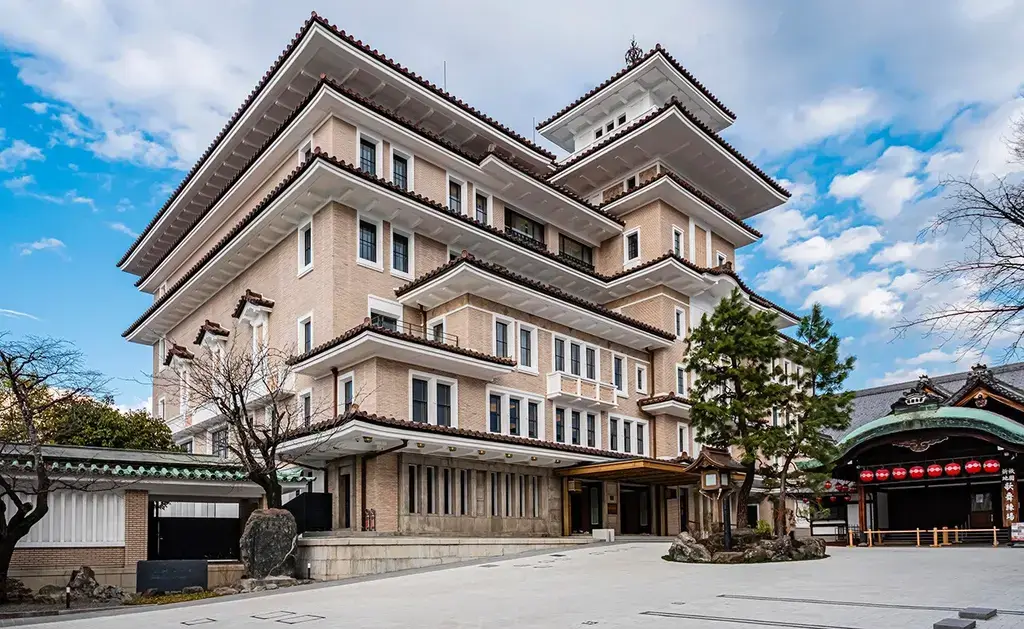
Imperial Hotel Kyoto: A New Chapter for a Historic Gion Landmark
The Imperial Hotel Kyoto represents one of the most significant hotel openings in Japan in recent years. Located in Kyoto’s famous Gion district, the luxury property combines modern hospitality with the preservation of an important cultural landmark.
Samurai Exhibit at the British Museum Showcases Complex History
For many people outside Japan, the word “samurai” immediately brings to mind armored male warriors carrying swords into battle. Films, television, and video games have reinforced that image for decades. But the British Museum’s major 2026 exhibition, “Samurai,” presented a broader, more historically layered interpretation of Japan’s warrior class — including the important role women played within it.