


James Lau
If you asked James Lau what his favourite Japanese food is, he would probably say ramen. If he had to go further, he'd say that he enjoys seafood-flavor ramen. If you pressed him for more information, he'd tell you that he prefers rich broths with thick noodles. Aside from eating ramen, his other hobbies include film and digital photography, playing crane games, and, more recently, collecting Pokémon cards.
Articles by James Lau
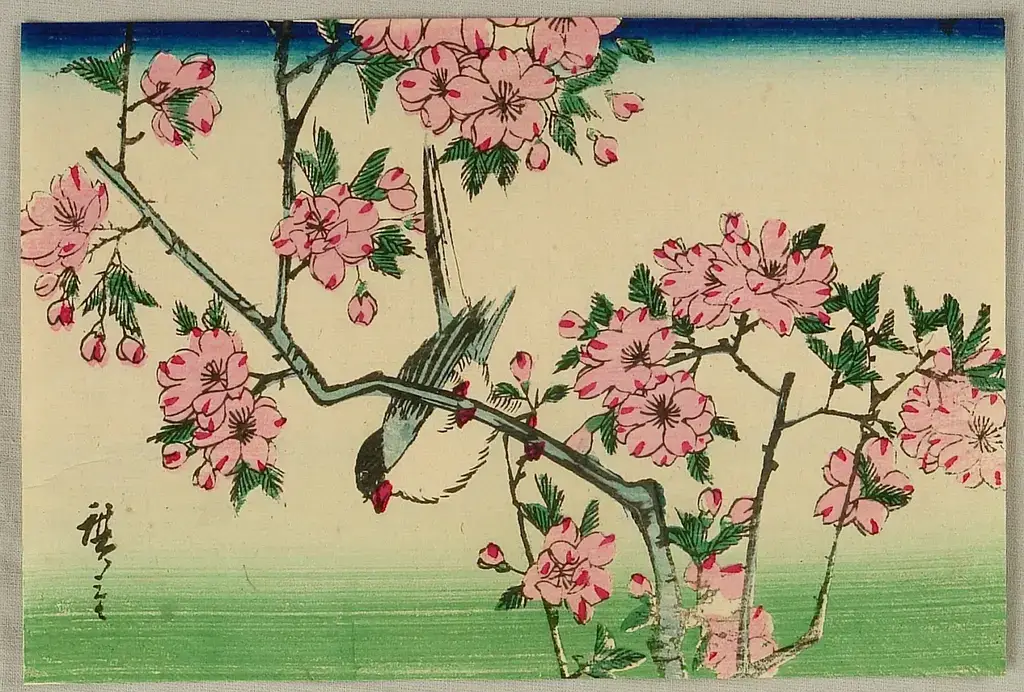
Sakura Poetry in Japan: What Is The History of It?
Sakura poetry often explores themes of love, nature, and the passing of time. Understanding the history of sakura poetry reveals how deeply the cherry blossom is connected to Japanese culture.

Ueno Park: Why is it Tokyo’s Cultural Center?
Few places in Tokyo combine history, culture, and nature as clearly as Ueno Park. Located in one of the city’s busiest districts, the park attracts millions of visitors each year. People come to see museums, temples, cherry blossoms, and wildlife at the zoo.
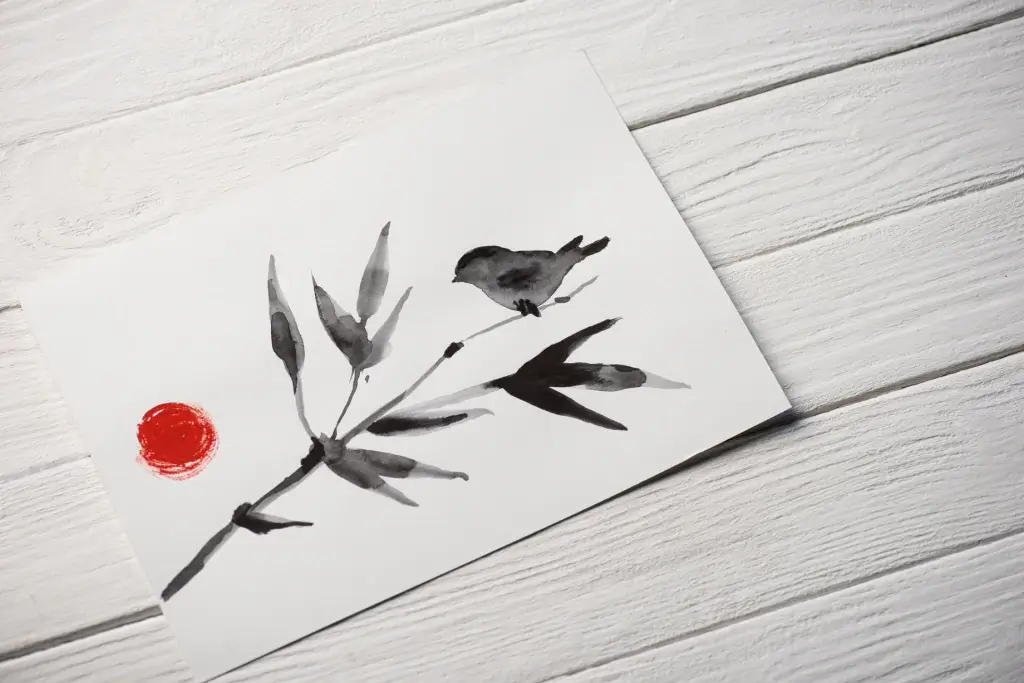
Sumi-e in Japan: The Development of Ink Wash Painting
Sumi-e is a style of ink painting that uses black ink to create images with simple brush strokes. The name comes from the Japanese words for ink, sumi, and painting, e. Artists use brushes, ink, and paper to create landscapes, plants, animals, and calligraphy-like forms.

Ryokan: The History of Japan’s Traditional Inns Developed
A ryokan is a traditional Japanese inn that offers a unique style of hospitality. These inns feature tatami floors, futon bedding, baths, and carefully prepared meals. Today, ryokan are popular with Japanese travelers and international visitors.
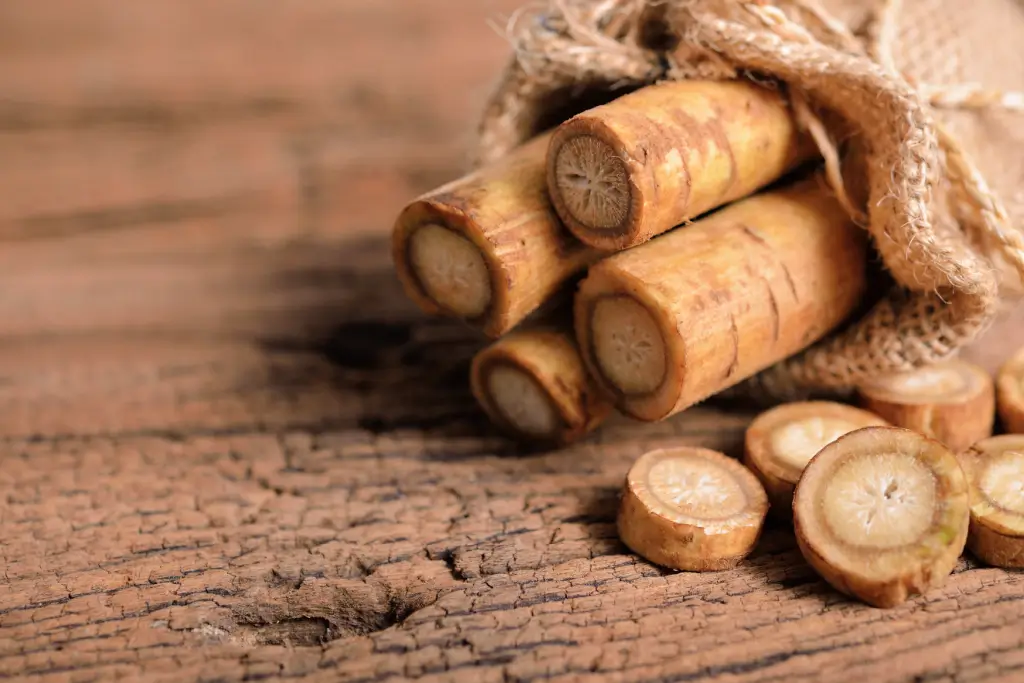
Burdock Root in Japanese Cooking: 5 Traditional Dishes to Try
Burdock root is a long, brown root vegetable that appears in many traditional Japanese dishes. Known as gobo in Japan, it has a crunchy texture and a mild, earthy flavor that works well in soups, snacks, and sweets. T
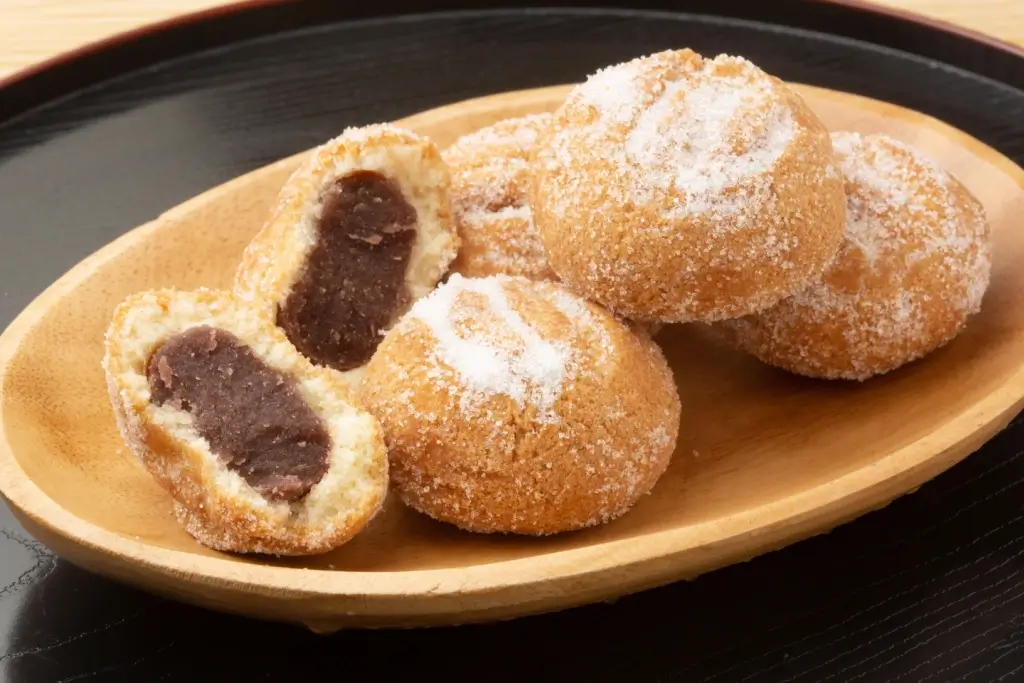
Anko Donuts: A Sweet Combination of Cultures
Anko donuts combine a familiar Western pastry with a classic Japanese filling. These soft, fried treats are filled with sweet red bean paste known as anko. The result is a dessert that blends two food traditions in a simple and recognizable way.