


Sophia Wasylinko
Sophia Wasylinko’s interest in Japanese culture ignited during her gap year when she began watching anime. She volunteered with Japanese exchange students while studying at Vancouver Island University in Nanaimo. In the summer before her final year, Sophia embarked on a solo trip to Tokyo, Kyoto, and Osaka. Her favorite moments included visiting museums and eating local foods. She hopes to return someday, spending more time in Kyoto. Sophia currently works at her local library, reads multiple books at once, and researches new anime to watch.
Articles by Sophia Wasylinko
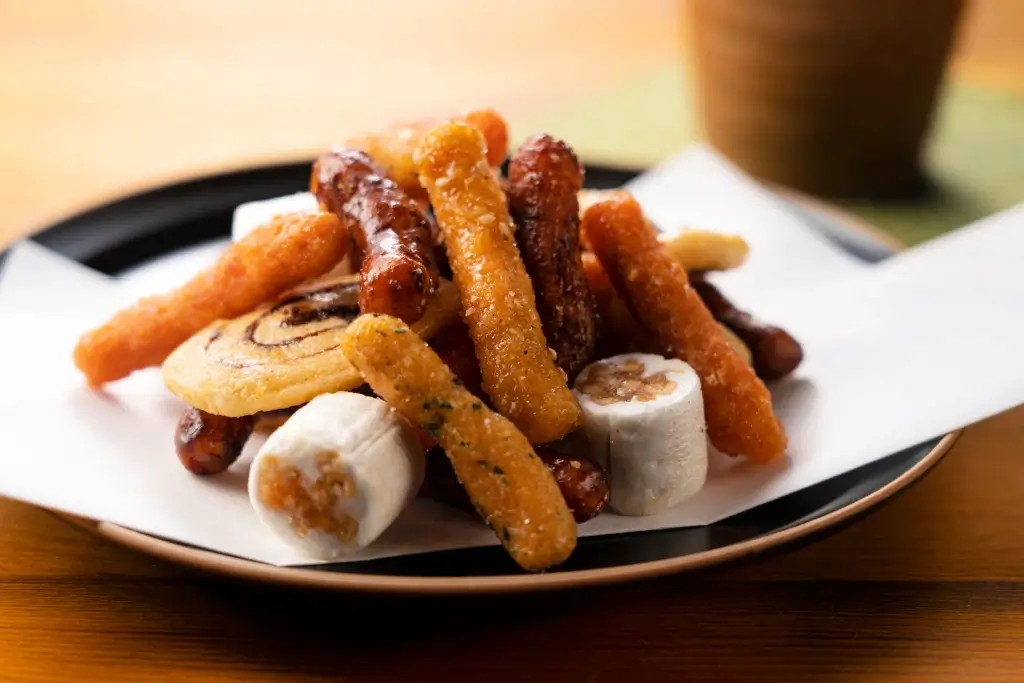
Karinto Flavors From Across Japan That You Should Try!
Karinto (or ” karintō”) is a beloved Japanese snack but remains an obscure treat to many Westerners. Made with simple ingredients, it is the perfect souvenir and can be enjoyed in traditional cafés or while commuting to work and school.
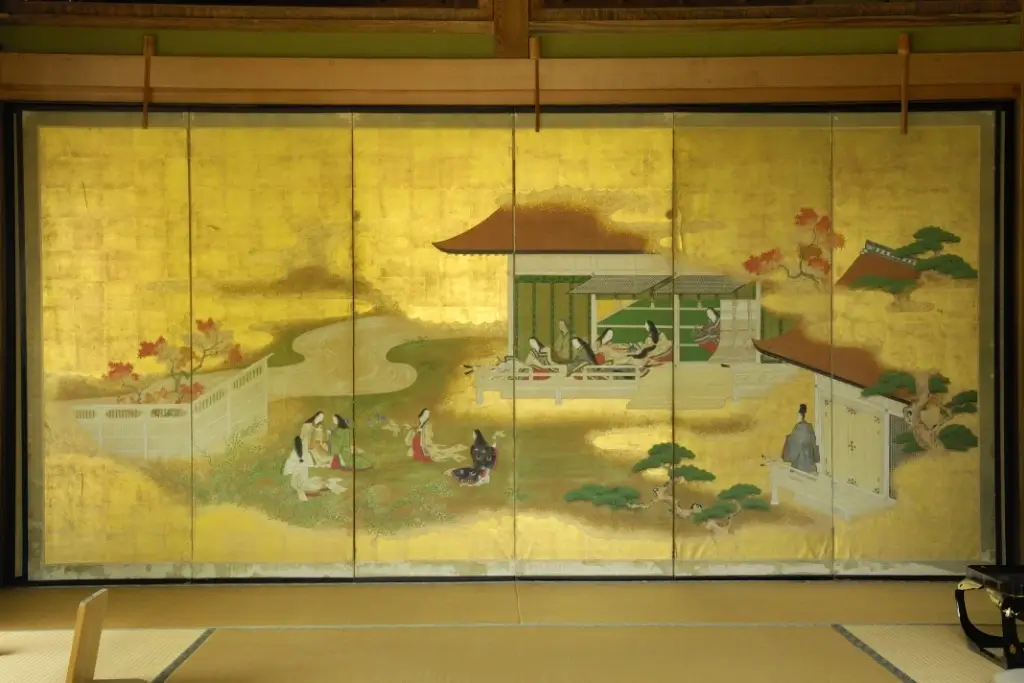
Japanese Screen Paintings: An In-Depth Guide!
Japanese screen paintings are some of the world’s most beloved treasures. Using unique materials and techniques, they capture scenes in history, literature, and everyday life and have been painstakingly preserved for today’s art lovers.
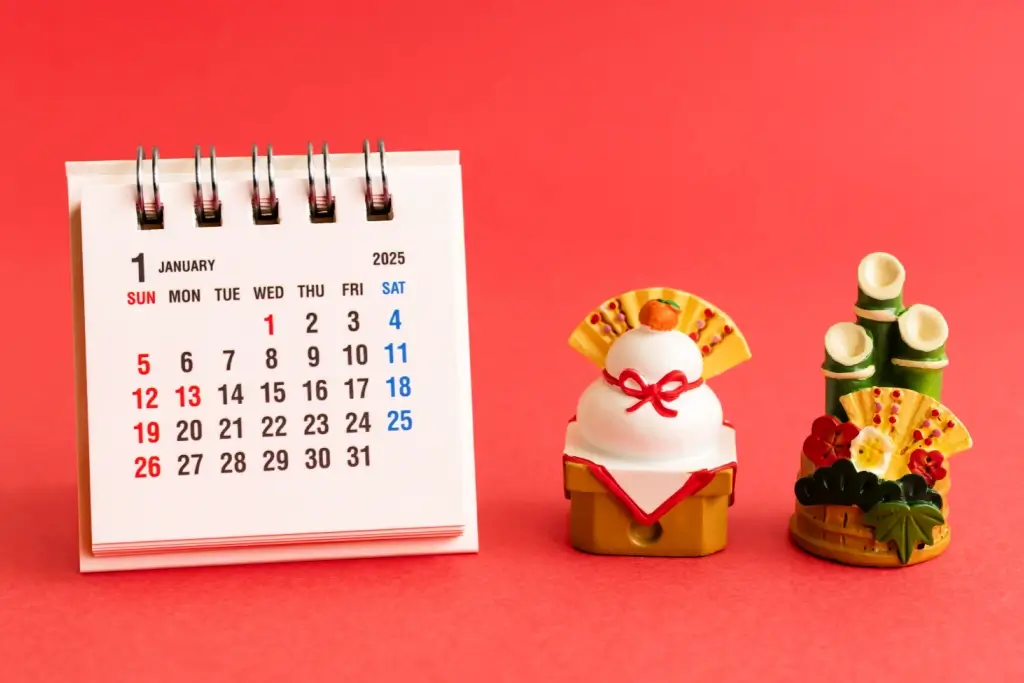
Japanese Calendar: What Are Microseasons?
The Japanese calendar includes many beautiful events, some popular globally and others less known. Kō (microseasons) were once celebrated but replaced by Western seasons
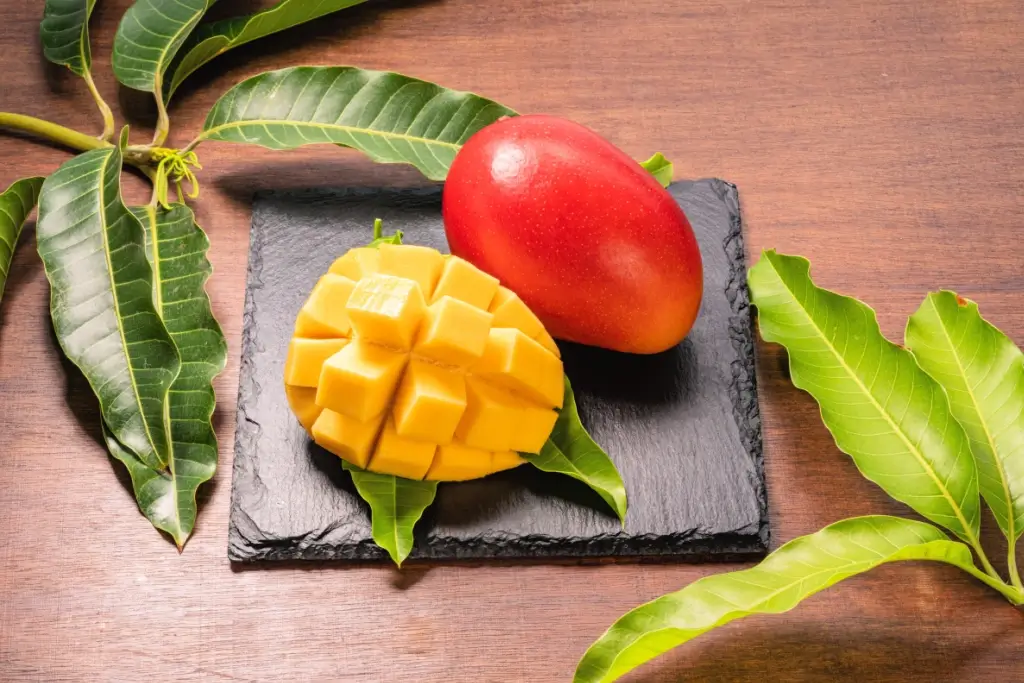
Mango and More: Delicacies from the Miyazaki Prefecture!
Each Miyazaki is worth eating in person, especially since you learn about the region’s rich culinary heritage. Let’s explore Miyazaki mango and other local dishes together.
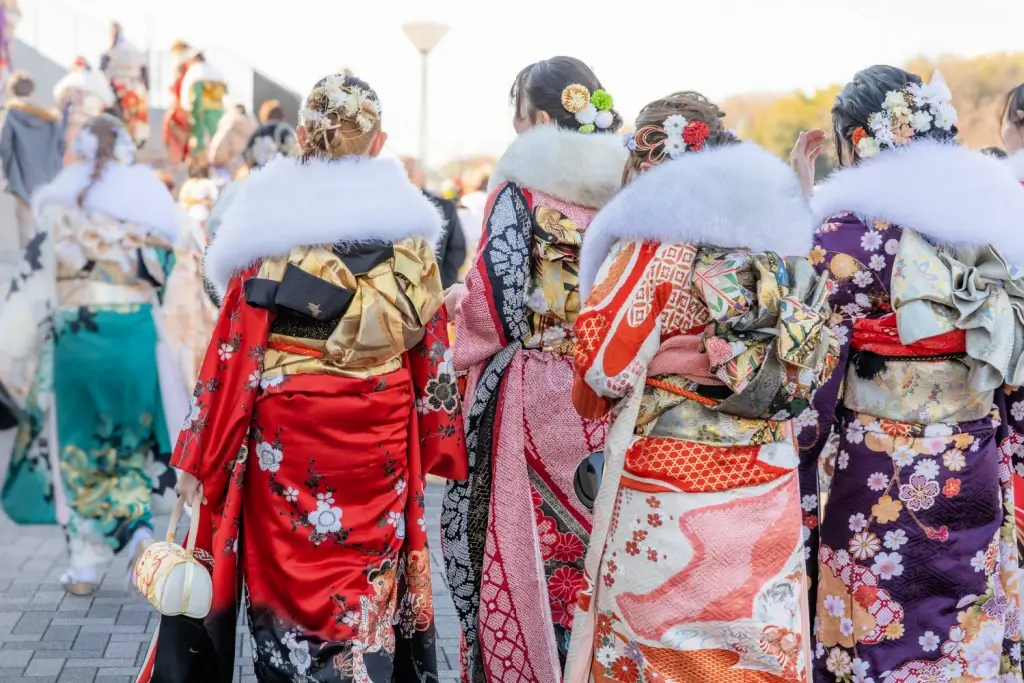
Japan in January: Five Festivals to Welcome the New Year!
These celebrations, from ancient demon and fire rituals to martial arts and armor displays, are worth attending, especially for foreign tourists and first-timers. Here is a closer look at five festivals happening in Japan in January.
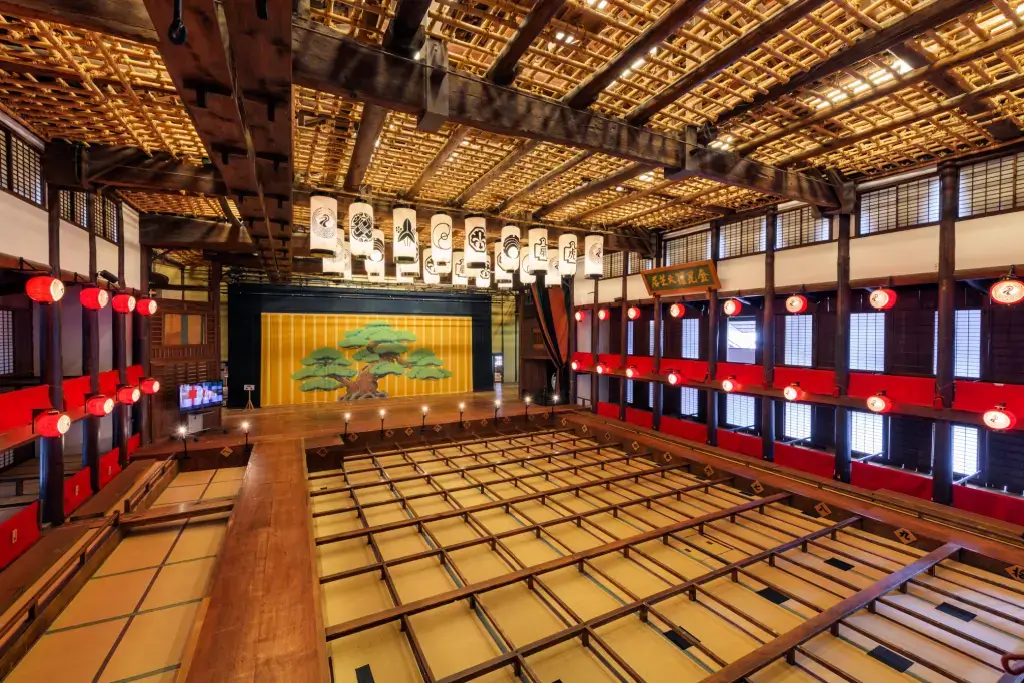
Theater in Japan: Four Oldest Locations to Visit!
When it comes to theater, Japan has been richly blessed and recognized for its contributions. Kabuki, bunraku, noh theater, and other performing arts have been preserved and honed to the present day.