


Japanese Head Spa: What’s The Amazing Secret?

James Lau

Posted on November 11, 2025
Share:
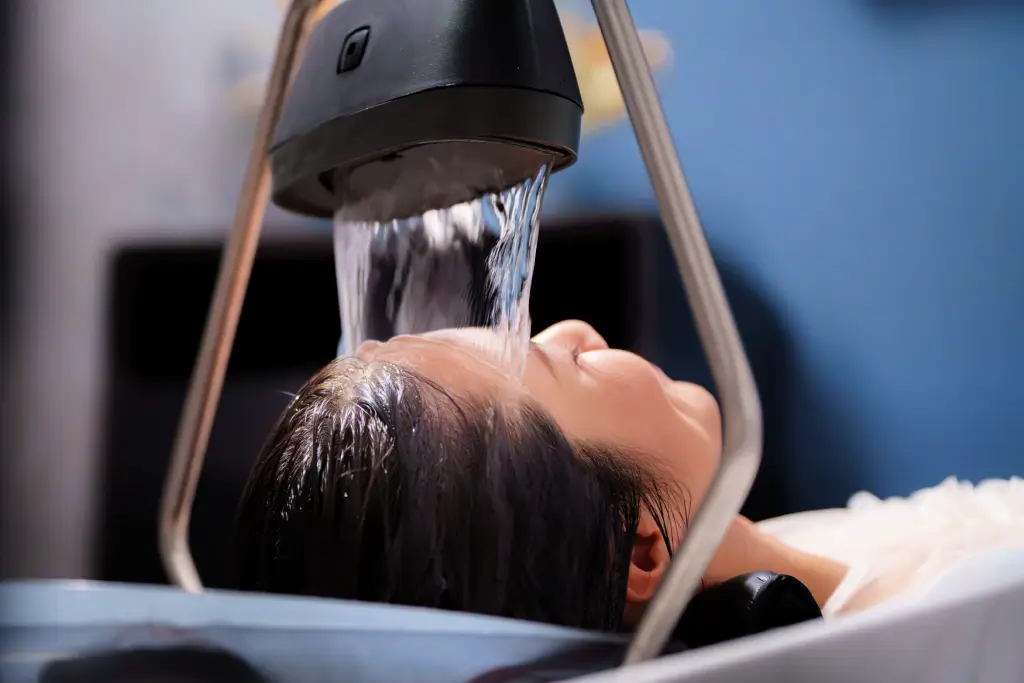
In Japan, self-care is deeply ingrained in culture, and among the many treatments gaining attention worldwide, the Japanese head spa stands out. Unlike regular shampoo treatments, head spas combine deep cleansing, gentle massage, and aromatherapy to refresh both the scalp and the mind. Each session leaves people refreshed and reenergized. It’s no wonder head spas have become one of Japan’s most beloved wellness experiences.
What is a Japanese head spa?
A Japanese head spa is a specialized treatment for the scalp and hair that focuses on relaxation and care. It starts with a scalp check to identify dryness, oil buildup, or sensitivity. The stylist uses a cleansing solution and begins a massage to stimulate blood flow and release tension. Steam and oils are added to enhance the effects and stimulate deep relaxation. Finally, a tonic is applied to protect the scalp and encourage healthy hair growth.
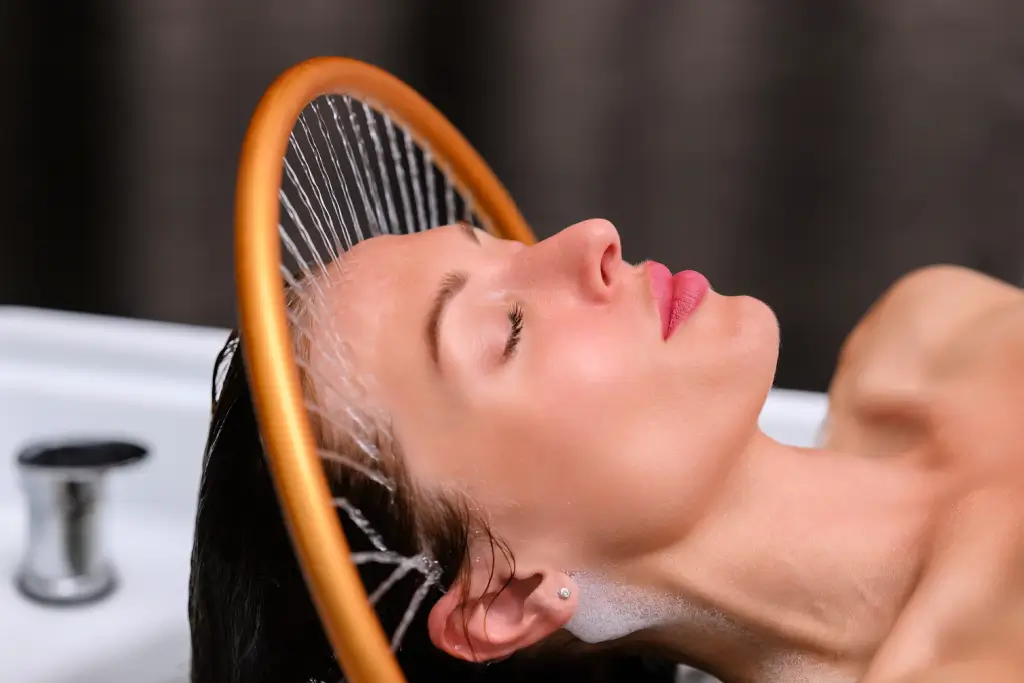
What makes a head spa different from an ordinary salon wash is its purpose and precision. Every step is designed to support both beauty and wellness. The massage not only cleanses the scalp but also relieves stress, improves sleep, and may even help reduce headaches. The use of natural oils, such as yuzu or camellia, adds fragrance and nourishment without the use of harsh chemicals.
The Origins of the Head Spa in Japan
Head spas began appearing in Japanese salons during the early 2000s, when wellness trends started blending with beauty care. They were inspired by Japanese shiatsu massage and Indian ayurvedic techniques. The goal was to help the body by improving scalp health and promoting mental relaxation simultaneously. Busy workers found these treatments effective for reducing tension after long days. Soon, the concept spread nationwide.
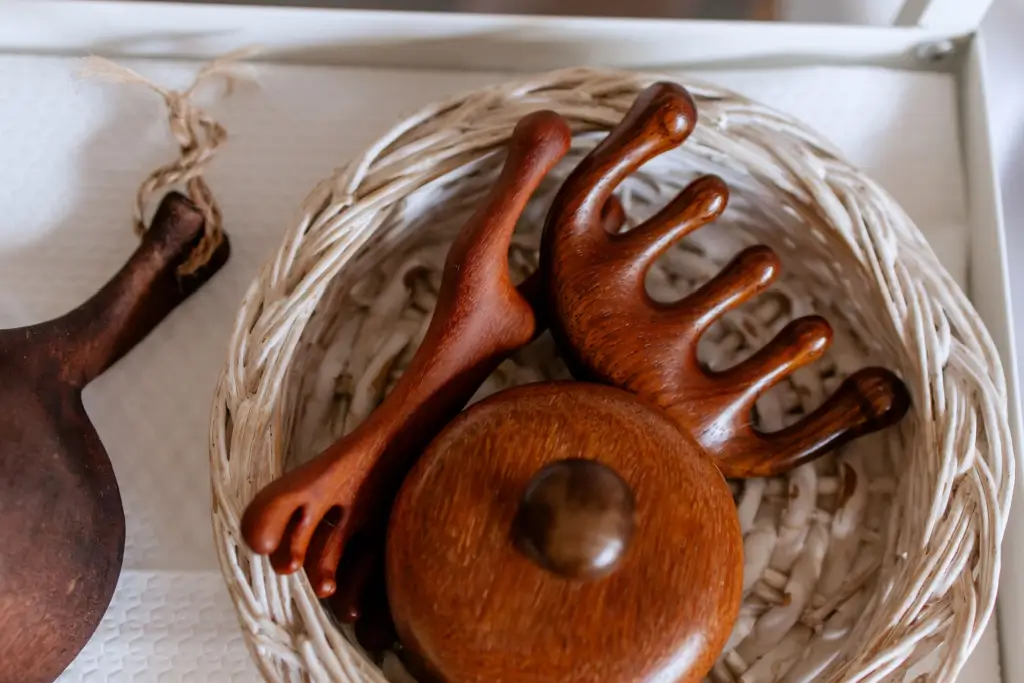
The early popularity of head spas also reflected a broader change in how Japanese people viewed self-care. Instead of luxury, relaxation was viewed as a necessity and something that everyone could benefit from. Many salons began to design peaceful spaces with soft lighting, calming music, and aromatic oils. The environment became just as important as the treatment itself. Over time, the Japanese head spa developed into an experience.
Are you looking for wonderful snacks to enjoy after a day at the spa? Sakuraco delivers traditional Japanese snacks, teas, and sweets from local Japanese makers directly to your door so you can enjoy the latest treats from Japan!
Health and Beauty Benefits of Head Spas
The main goal of a Japanese head spa is to balance beauty and wellness. The massage helps improve circulation, delivering nutrients to the scalp and supporting healthy hair growth. It can also help remove dandruff, reduce dryness, and prevent excessive oil production. Many people notice shinier, thicker hair after a few sessions. These benefits make head spas appealing to anyone who wants to improve hair health naturally.
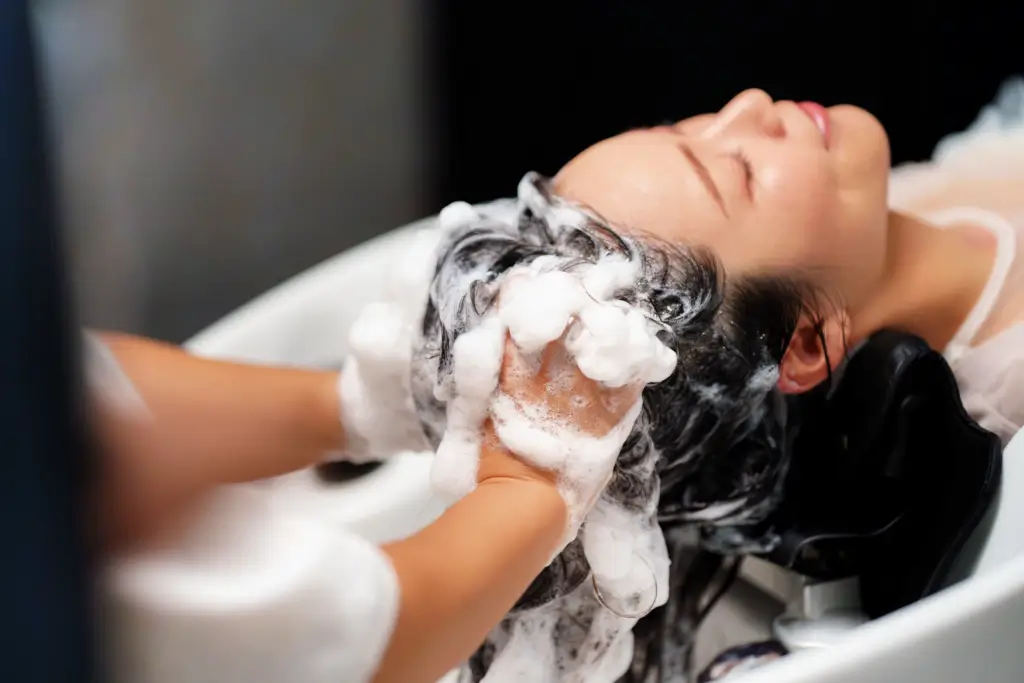
But the effects go far beyond the scalp. The gentle pressure on the head’s acupressure points helps lower stress and calm the nervous system. Some studies even show that regular scalp massage can help reduce cortisol levels, allowing people to feel more relaxed and focused. For those who struggle with tension headaches or insomnia, this can be especially helpful. The result is not just better hair, but a clearer, calmer state of mind.
Why Head Spas Are So Popular in Japan
Head spas have become a fixture of modern Japanese wellness, embodying the nation’s attention to detail and comfort. Stylists are trained not only in technique but also in reading subtle signs of tension or fatigue. This allows them to adjust each session to match the client’s needs. Every movement and scent is intentional, creating a moment of total relaxation. Customers often describe the experience as “a small luxury in daily life.”
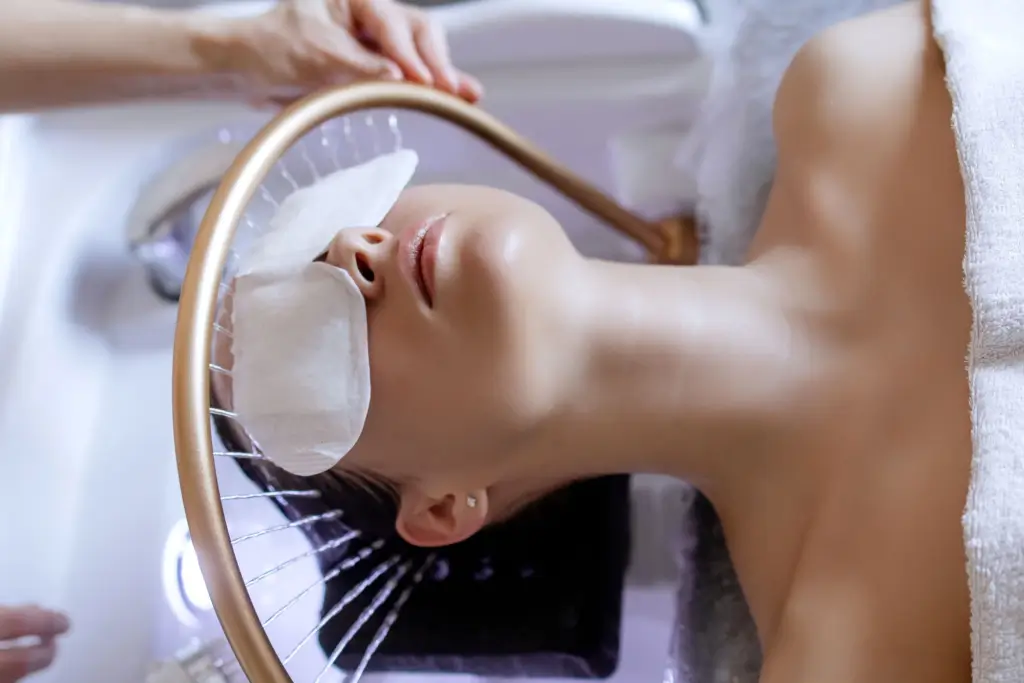
The rise in popularity also connects to Japan’s mindfulness culture. People see the head spa as an affordable way to care for both appearance and mental health. With options ranging from express 30-minute courses to full 90-minute sessions, there’s something for every schedule and budget. Salons also offer combination treatments with facials or aromatherapy for a complete experience.
Would I try a Japanese spa for my head?
I confess, I definitely would, and I’d probably enjoy every minute of it. I’ve always liked getting massages, especially after staying active or traveling. From knife massages in Taiwan to acupuncture, cupping, and even rakkenhō (full body therapeutic massage) in Japan, I’ve found that nothing beats the feeling of release after a good treatment. A Japanese head spa sounds like a gentler, more meditative version of that experience.
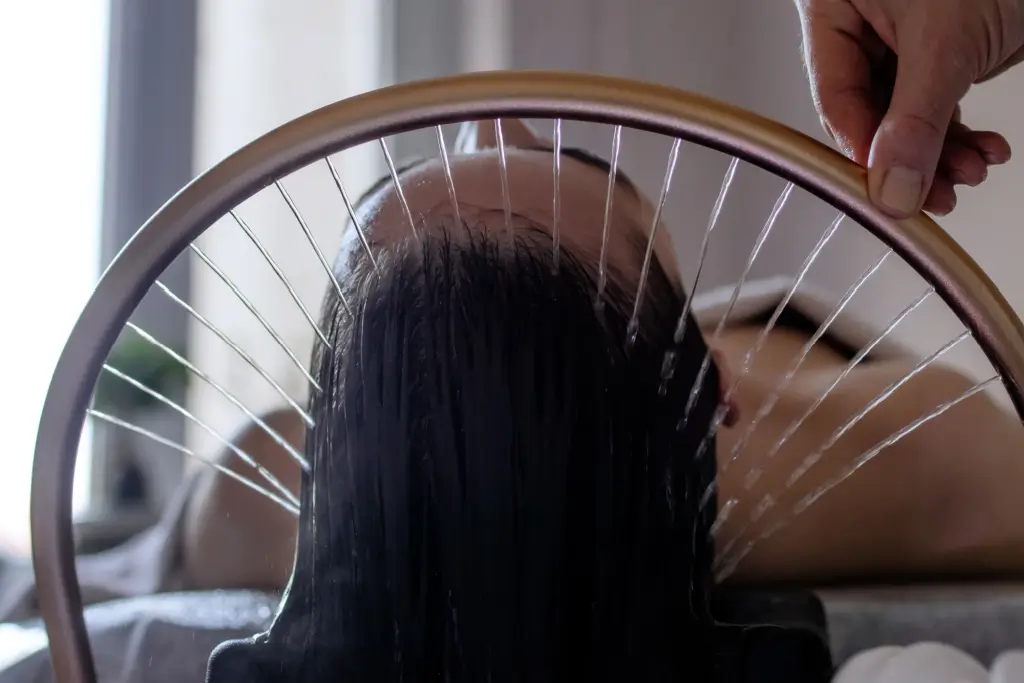
The idea of relaxing in a quiet salon while warm water, oil, and rhythmic touch clear both mind and scalp sounds incredibly appealing. I imagine walking out feeling light, clear-headed, and ready to face the week again. It’s also a chance to experience Japan’s beauty treatments firsthand. For anyone who enjoys self-care, a head spa seems like something worth trying at least once. Have you ever tried a Japanese head spa or something similar? Would you want to try something like it? Let us know in the comments below!
Cited Sources
- Japan Travel. “The Ultimate Guide to Japanese Head Spas in Japan“.
- Good Housekeeping. “I Tried a Viral Head Spa: Here’s My Honest Review“.
- Fashion Magazine. “Everything You Need to Know About Head Spas“.
Discover authentic flavors with Sakuraco
Get Sakuraco 
Discover authentic flavors with Sakuraco
Get Sakuraco
Related Articles
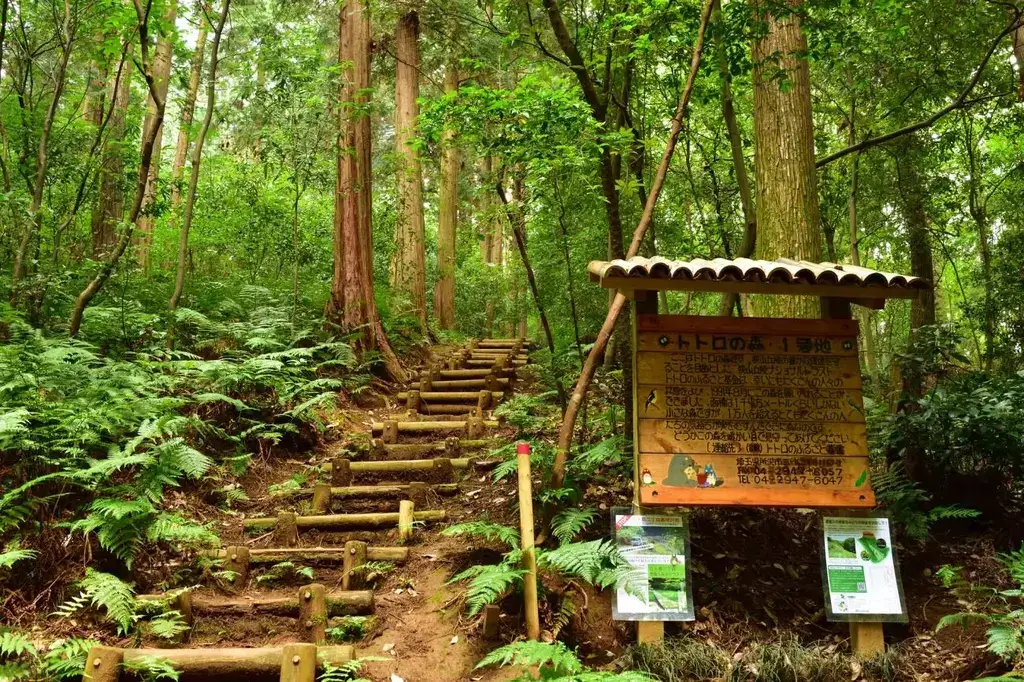
Forest Bathing in Japan: The Ultimate Guide
Japan is known for cultural traditions that promote balance, mindfulness, and a connection with nature. One of the most distinctive is forest bathing, or shinrin-yoku. Despite its name, forest bathing does not involve water.
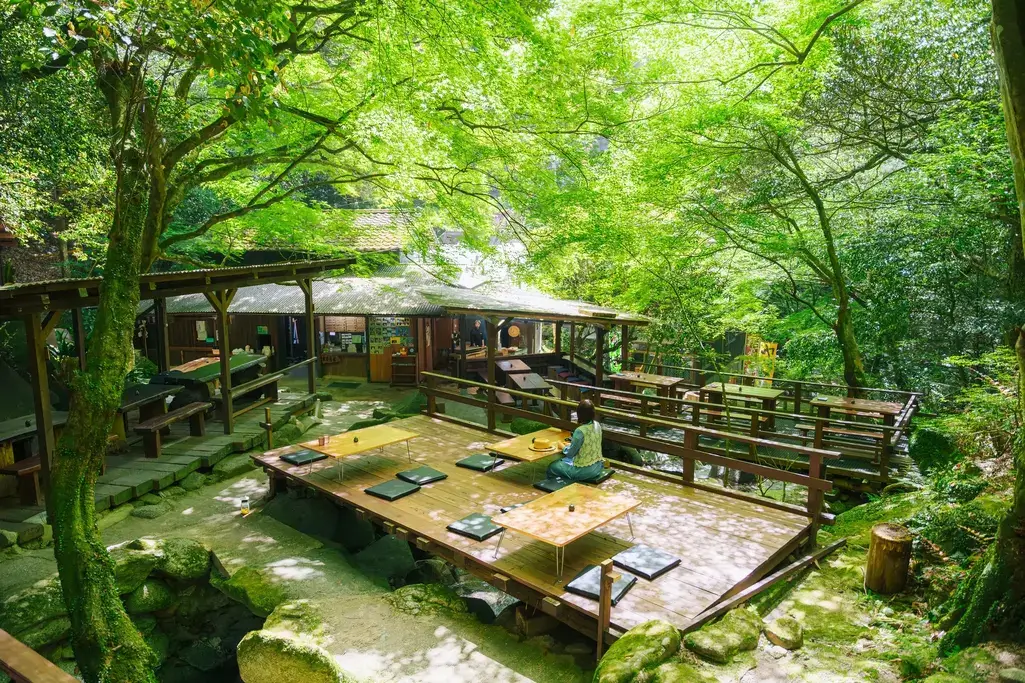
Kawadoko Dining in Japan: A Unique Riverfront Summer Tradition
Japan is home to many seasonal traditions that help people appreciate the changing environment. One of the most distinctive is kawadoko dining, an outdoor dining style that allows guests to enjoy meals beside or above flowing rivers during the warmer months. Known for its cool atmosphere and scenic surroundings, this riverfront dining tradition has become one of Japan’s most memorable summer experiences.
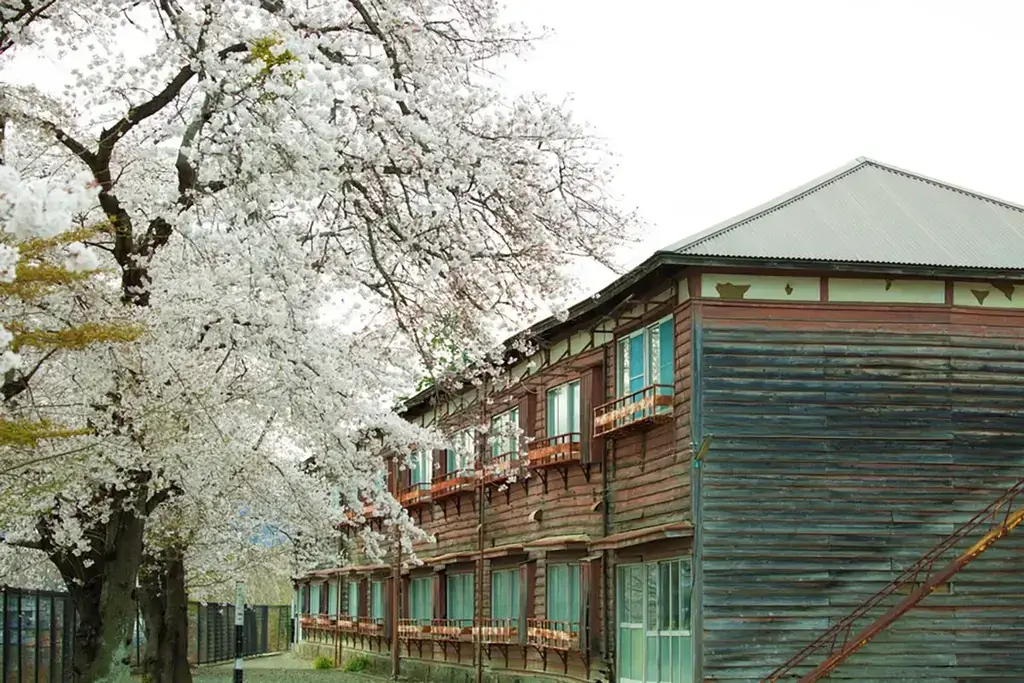
Tomioka Silk Mill: The Factory That Helped Modernize Japan
The Tomioka Silk Mill is one of Japan’s most important industrial heritage sites. Located in Tomioka City in Gunma Prefecture, the mill played a major role in Japan’s modernization during the late 19th century.
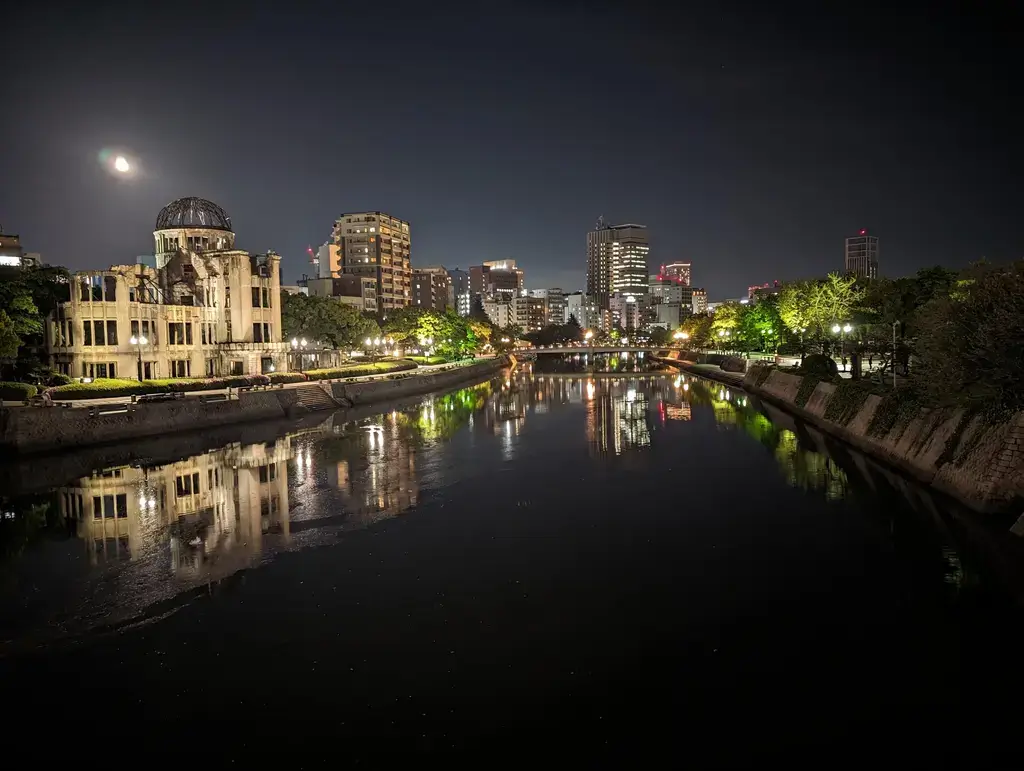
Hiroshima: History, Food, and Scenic Destinations
Hiroshima is one of Japan’s most historically important and culturally rich regions. Located along the Seto Inland Sea in western Japan, Hiroshima Prefecture is known for its history, food, and coastal scenery.