


calligraphy, ceramics, japanese art, lacquerware, origami, ukiyo-e
Japanese Art: Five Amazing Types to Explore This Year!

James Lau

Posted on March 28, 2024
Share:
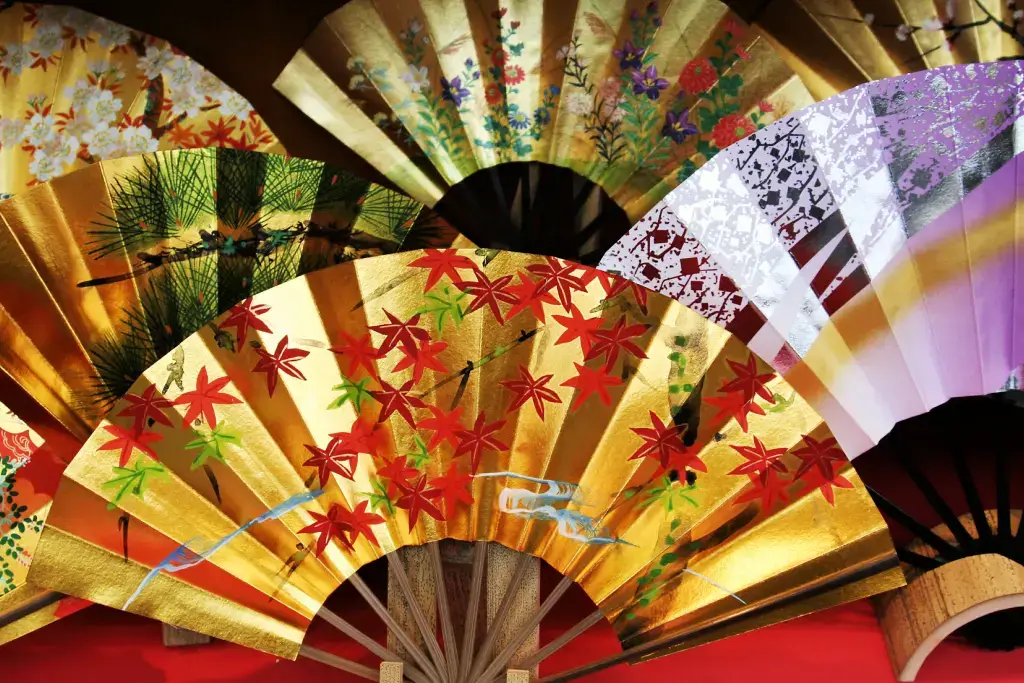
Explore five fascinating Japanese art forms: calligraphy, origami, ukiyo-e prints, ceramics, and lacquerware. We’ll examine their beauty, cultural significance, and why many people find Japanese art unique.
Calligraphy
Japanese calligraphy, also known as shodo, is an art form that has been around since the 5th century. It involves writing beautifully using a brush and ink, focusing on simplicity, and beauty, and being present in the moment. There are many styles of shodo, ranging from basic block to more fluid semi-cursive and cursive styles. The goal is to achieve a state of “mushin,” similar to meditation, where the writer becomes one with the characters they write.
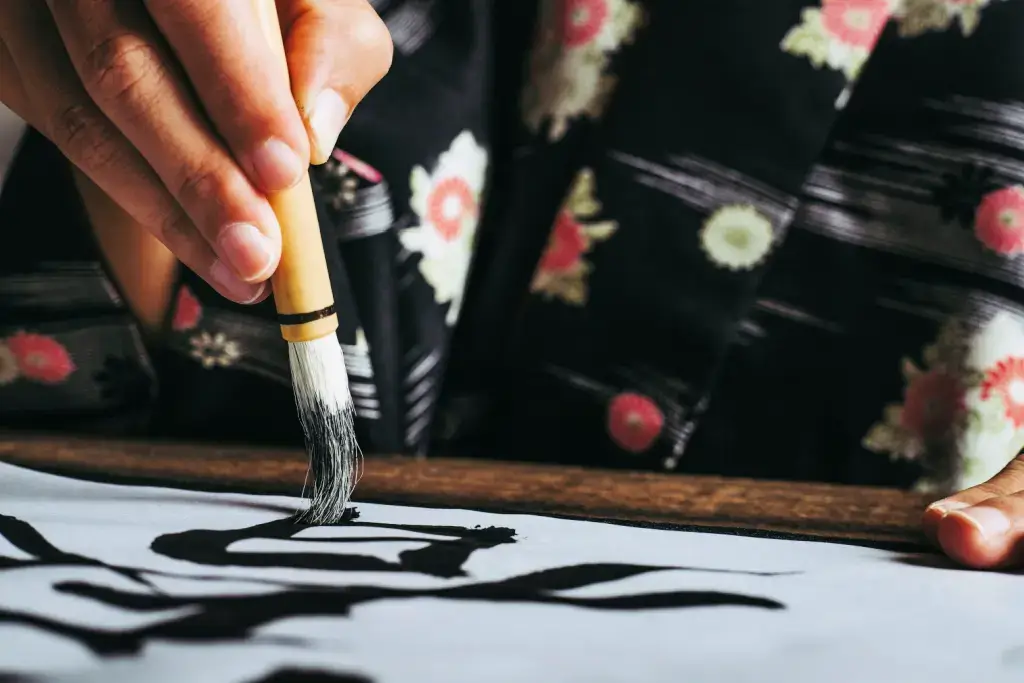
Shodo is significant both culturally and spiritually, with techniques that have been passed down through generations. It combines elements of poetry and literature. Shodo tools include brushes, ink, paper, and inkstone, and the craft involves mastering various brush strokes and techniques. Every piece of calligraphy reflects the artist’s unique style and holds a connection to Japanese culture and tradition, similar to famous paintings.
Origami
Origami is the Japanese art of paper folding that began in the 17th century. It started as gift wrapping for aristocrats and soldiers. Today, it’s more popular because of cheaper paper. The word “origami” comes from the Japanese words “oru” (to fold) and “kami” (paper).
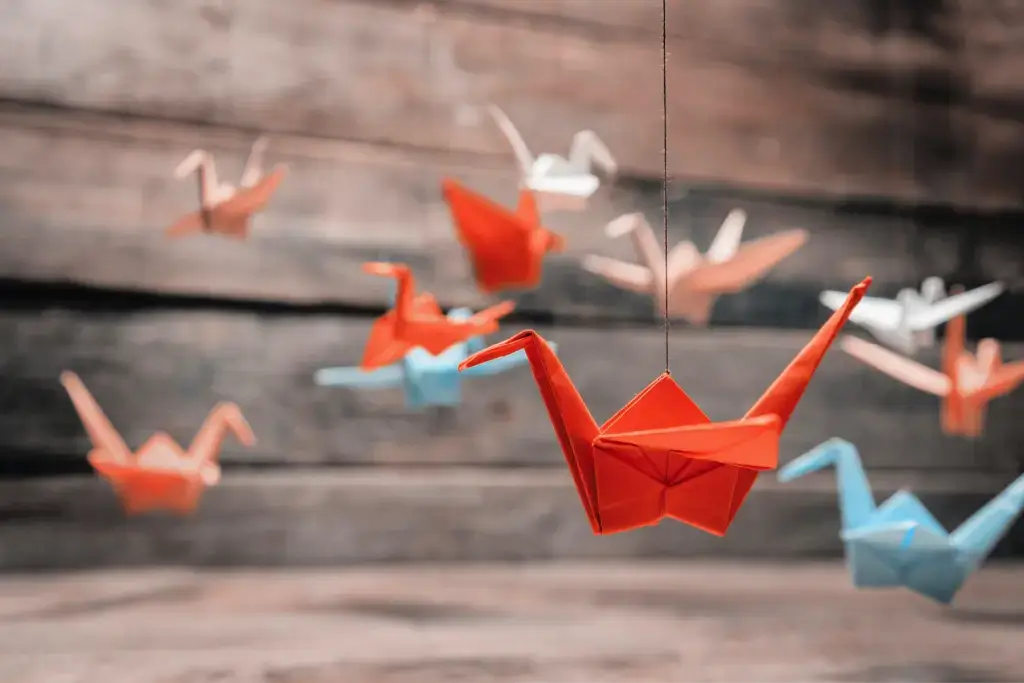
Akira Yoshizawa and Kosho Uchiyama undoubtedly modernized origami. Yoshizawa developed standard techniques and popularized the art form. He introduced the wet-folding technique for softer folds and emphasized natural lines. Uchiyama added to origami’s evolution with instructional books. Today, origami is used in art, design, and education.
Ukiyo-e
During the Edo period in Japan, people loved a kind of art called ukiyo-e. Generally, these woodblock prints showed things from everyday life, like actors, landscapes, and stories. Anyone could afford them, so people from different social classes enjoyed them. Famous ukiyo-e artists like Hokusai and Hiroshige made prints like “The Great Wave off the Coast of Kanagawa”. Making these colorful prints was a team effort.
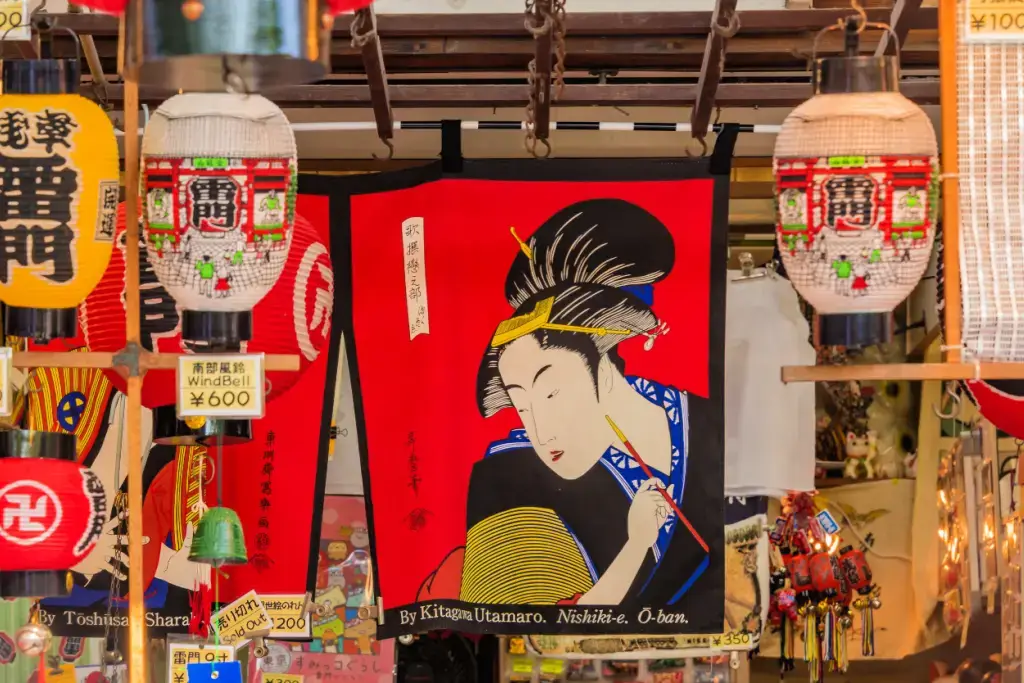
Ukiyo-e prints have also influenced Western art movements like Impressionism. Artists like Vincent van Gogh and Claude Monet were inspired by ukiyo-e. They were first introduced to the West as wrapping paper for goods. The prints became famous and helped connect Japan with the West. Today, ukiyo-e is still an essential part of art history. People celebrate it for its unique style and cultural significance!
Ceramics
Generally, the history of Japanese ceramics started a long time ago. It began with Jomon earthenware and evolved into many styles, including Yayoi pottery. In the Edo period, porcelain production started in Arita. This made Imari ware, which became famous in Europe through trade. Kutani and Seto regions also created unique styles influenced by the tea ceremony.
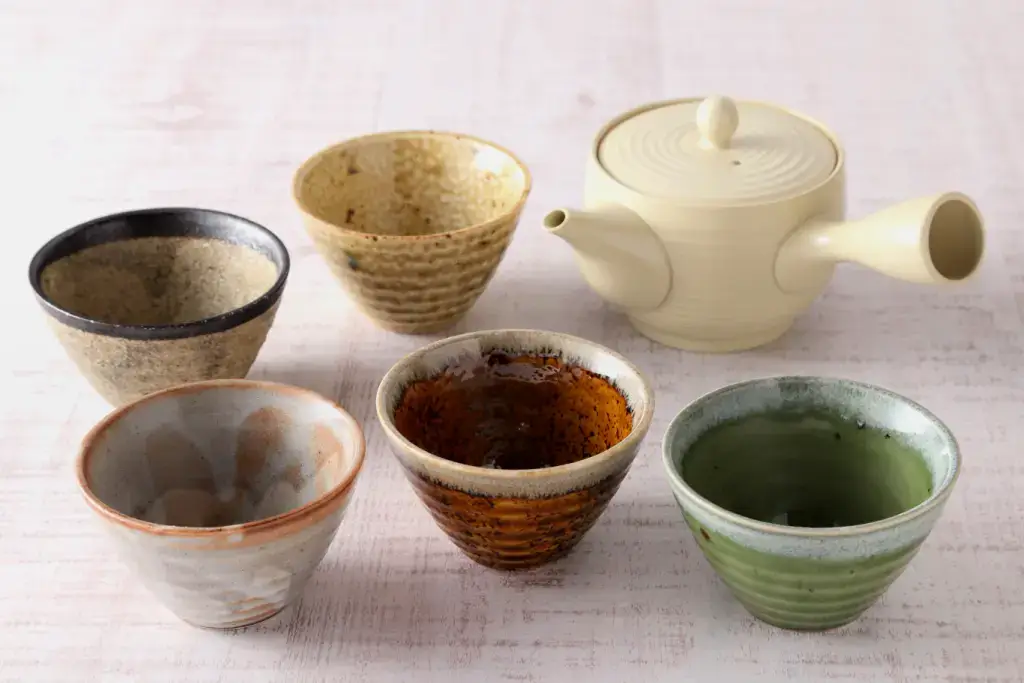
During the Kamakura and Muromachi periods, Seto kilns grew. They also made many wares, including temmoku-style bowls and utensils for the tea ceremony. More specifically, the wabi-sabi aesthetic, emphasizing rustic simplicity, became popular. Japan’s pottery tradition persists, blending traditional techniques with modern industrialized methods. They still make beautiful ceramics today.
Lacquerware
Japanese lacquerware, called urushi, comes from the sap of a Japanese lacquer tree. Initially, people used it for its antibacterial and adhesive properties. But later, it became a tool for functional and decorative items, ranging from everyday utensils to armor and coffins. Different regions of Japan apply urushi to various materials, showcasing different styles of lacquerware.
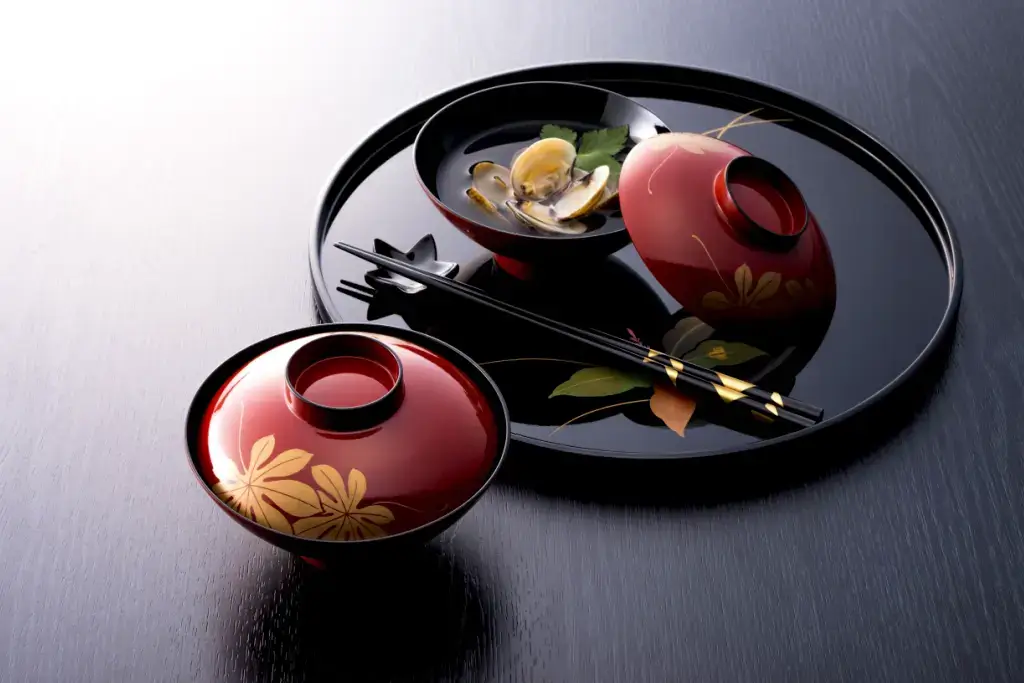
Urushi lacquerware is famous for its durability and beauty. People use careful techniques to decorate it, often using sprinkled gold or silver and mother-of-pearl inlay. Skilled workers harvest resin from urushi trees for cultivation and collection. While urushi lacquerware needs careful maintenance, well-maintained items can last for decades. So, it’s a sustainable and long-term investment.
From calligraphy to origami, each art form tells a story of culture, history, and creativity. Whether you like prints of ukiyo-e or ceramics and lacquerware, you can appreciate and admire something. Start your journey into Japanese art today and discover its beauty!
Why is Japanese art influential?
Japanese art is influential because it shows how the country’s culture, history, and values have changed. Moreover, artists have used many materials for centuries to create beautiful works, like paintings, ceramics, and lacquerware. Generally, it shows us the natural world’s beauty, like mountains, rivers, and flowers. But it also tells us about Japan’s history and society, with pictures of samurai warriors, geishas, and other important figures.
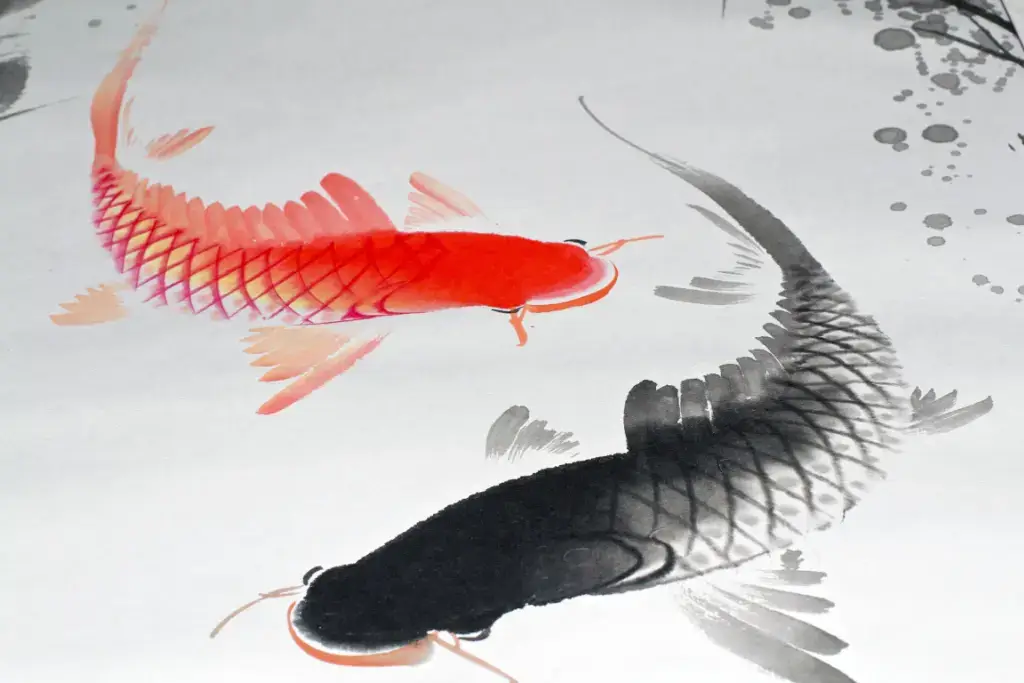
Japanese art has also been influenced by other cultures, especially in Europe. For example, ukiyo-e prints became popular in Europe and inspired the Impressionist movement. Western art movements like Art Nouveau and Art Deco have had an impact on Japanese art, too. In the end, Japanese art is influential because it helps us understand a unique and fascinating culture that has significantly impacted the world. Did you know about these Japanese art forms? Which one do you like the best? Let us know in the comments below!
Discover authentic flavors with Sakuraco
Get Sakuraco 
Discover authentic flavors with Sakuraco
Get Sakuraco
Related Articles
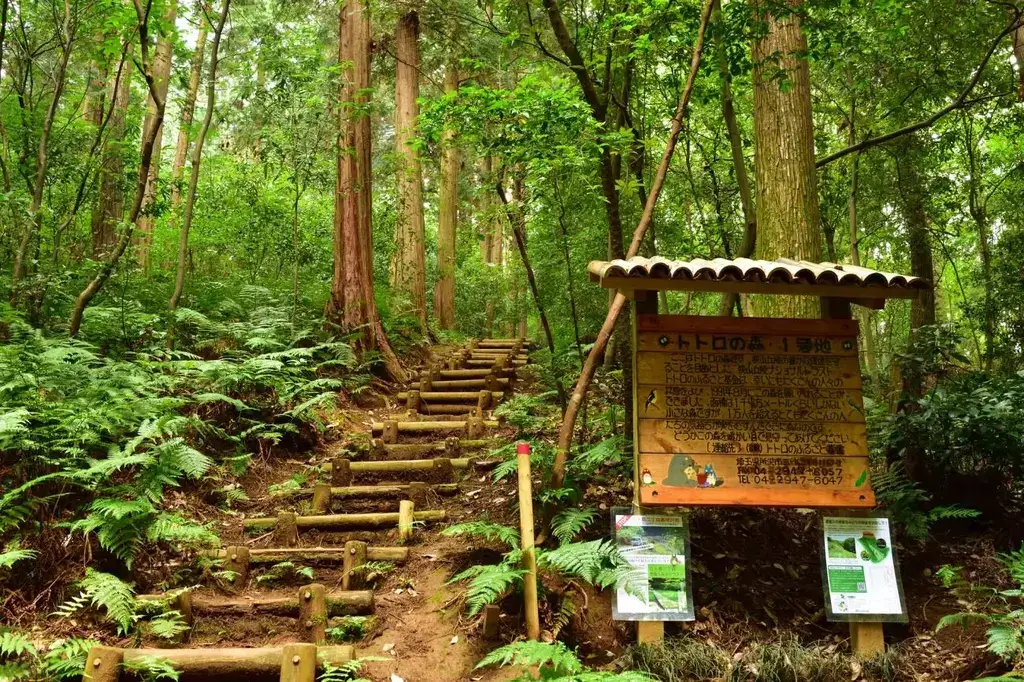
Forest Bathing in Japan: The Ultimate Guide
Japan is known for cultural traditions that promote balance, mindfulness, and a connection with nature. One of the most distinctive is forest bathing, or shinrin-yoku. Despite its name, forest bathing does not involve water.
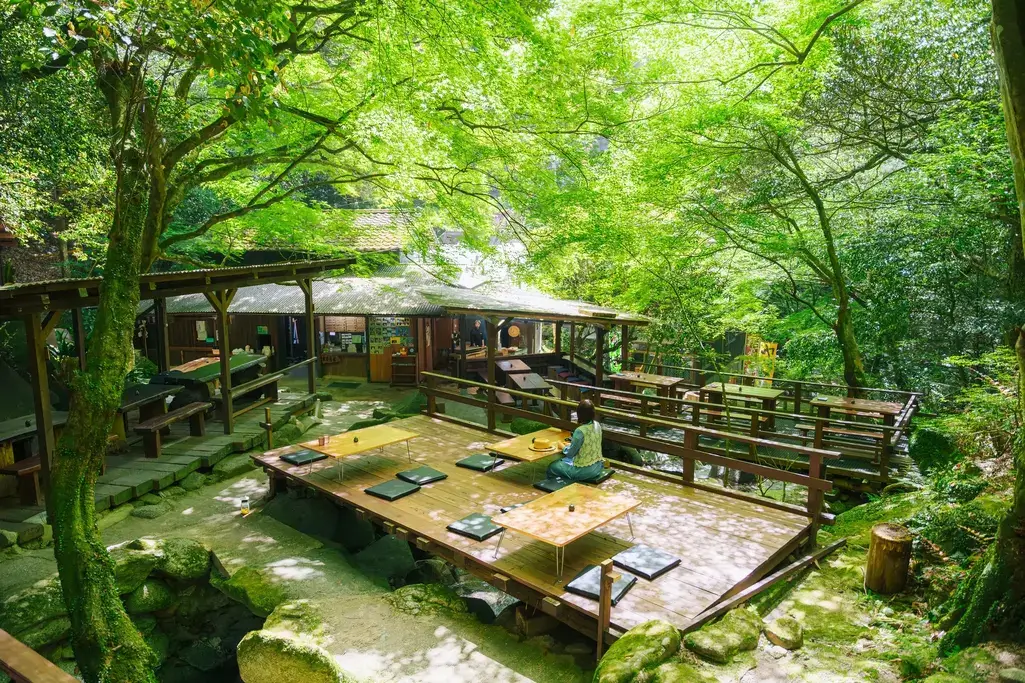
Kawadoko Dining in Japan: A Unique Riverfront Summer Tradition
Japan is home to many seasonal traditions that help people appreciate the changing environment. One of the most distinctive is kawadoko dining, an outdoor dining style that allows guests to enjoy meals beside or above flowing rivers during the warmer months. Known for its cool atmosphere and scenic surroundings, this riverfront dining tradition has become one of Japan’s most memorable summer experiences.
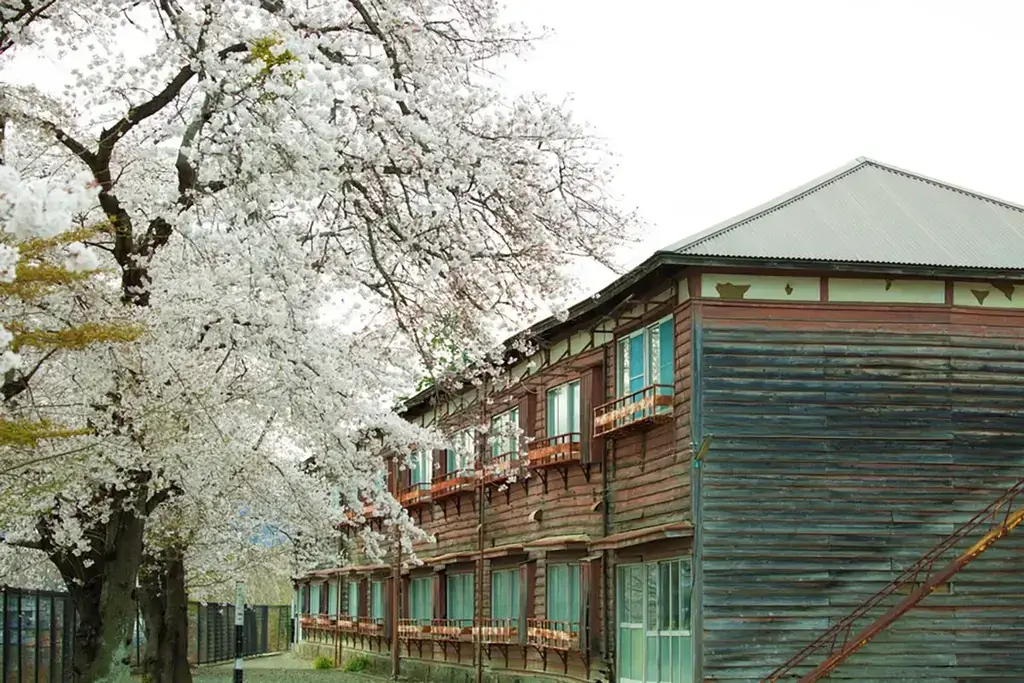
Tomioka Silk Mill: The Factory That Helped Modernize Japan
The Tomioka Silk Mill is one of Japan’s most important industrial heritage sites. Located in Tomioka City in Gunma Prefecture, the mill played a major role in Japan’s modernization during the late 19th century.
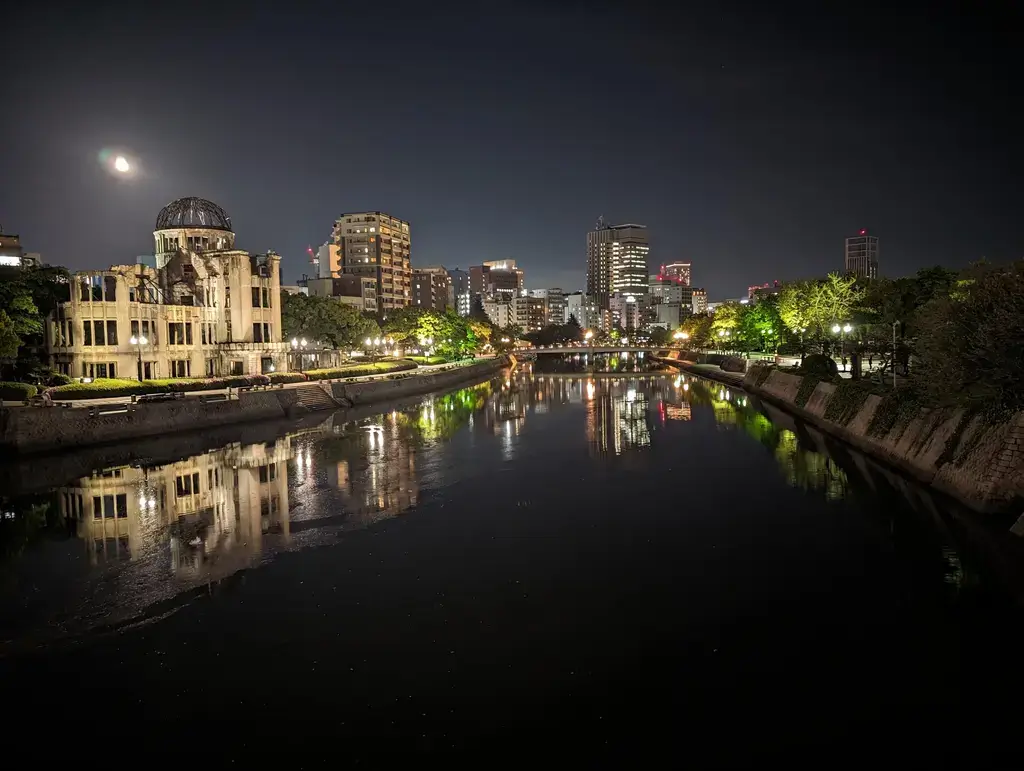
Hiroshima: History, Food, and Scenic Destinations
Hiroshima is one of Japan’s most historically important and culturally rich regions. Located along the Seto Inland Sea in western Japan, Hiroshima Prefecture is known for its history, food, and coastal scenery.