


Wabi Sabi: The Best Natural Japanese Aesthetic

Tokyo Terry

Posted on March 24, 2023
Share:
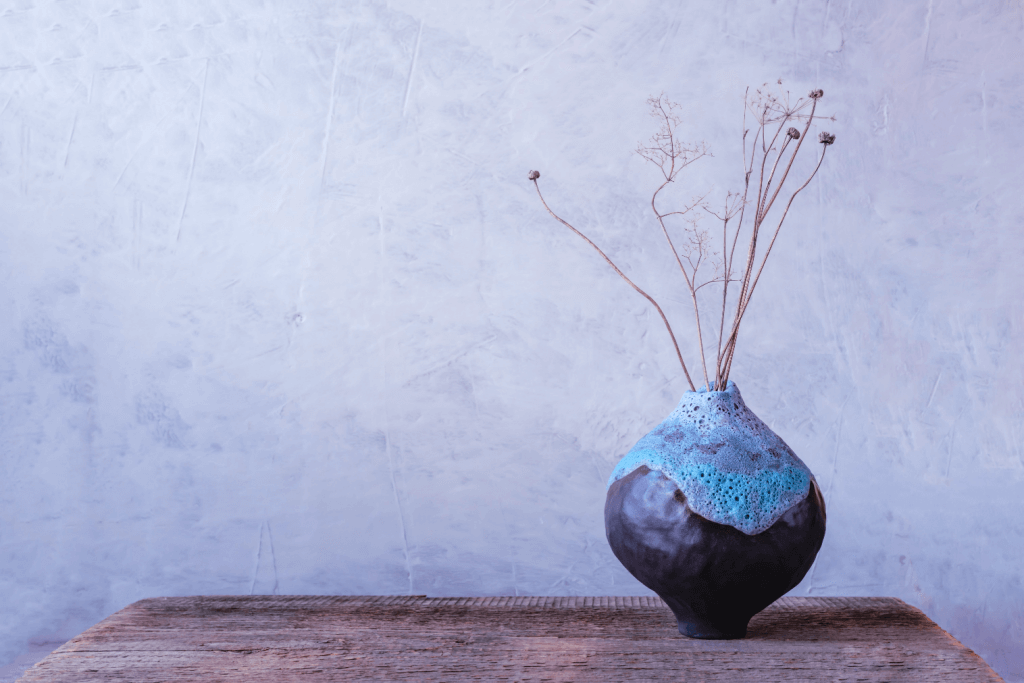
Wabi sabi is so ever-present in Japan that you may not even notice it when you see it. What is it? How did it become so inseparable from Japanese culture? Why is it so popular down there?
Wabi Sabi is Everywhere in Japan
It is so much a part of Japanese design that it is barely noticeable in everyday life. You may have visited a temple and taken photos around the grounds. Or you may have been viewing an art exhibit at a museum.

Wabi sabi is the essence of Japanese design. It promotes appreciation for the beauty of the natural world and an understanding that things are not permanent; but in a state of constant change. Some of the main points of wabi sabi are the expression of simplicity and the appreciation of imperfection. Like many other Japanese philosophies, the roots of this Japanese aesthetic lie deep within Buddhism.
Wabi Sabi and Zen
After the introduction of Buddhism to Japan in the 12th century, the religion evolved into something uniquely Japanese called Zen. Soon afterward, Japanese monks practiced this new spirituality all over the country. As Zen spread throughout Japan, many associated philosophies began influencing other aspects of Japanese culture.
Zen has seven main principles: simplicity, irregularity, understatement, naturalness, suggestion, uniqueness, and stillness. Some of these combined to form the foundation of “wabi sabi. “ It is an appreciation of imperfection, irregularity, and simplicity.
“Wabi” (侘) refers to things that are peaceful and plain in appearance. But many people appreciate their inner beauty despite their basic appearance. The name “sabi” (寂) means “old and worn things.” These remind us of the passage of time.
Wabi Sabi in Japanese Artforms
Zen Gardens
Zen gardens are the most famous Japanese art form expressing wabi sabi. The gardens present a smaller version of the natural world with minimum clutter. Moreover, the arrangement of stones, sand, and plants represents scenery such as forests, rivers, islands, and the ocean. However, people rarely arrange these rocks in a symmetrical design.
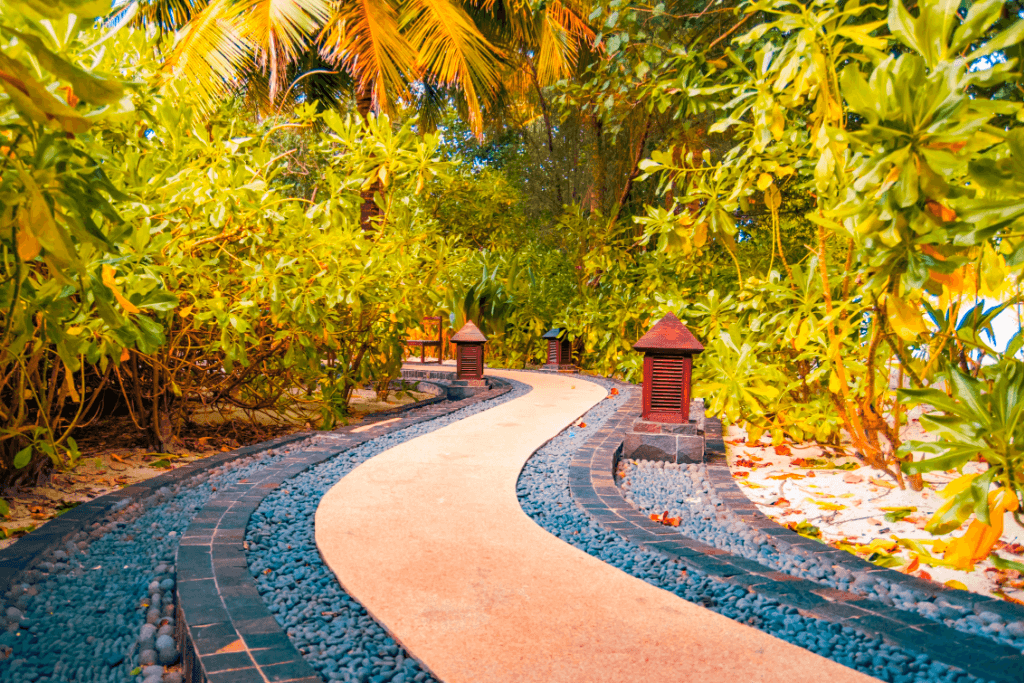
Instead, people ensure that their arrangement appears natural and random – even abstract. In addition, they seldom use bright colors so the observer can focus on the natural stone’s simple form. Strokes in the sand usually represent water, and even these rarely appear straight or uniform. The temples and monasteries of Kyoto are famous for their Zen gardens and prime examples of the application of wabi sabi.
Bonsai
Bonsai is another well-known Japanese art form that applies the principles of wabi sabi. Artists purposefully change trees to miniature versions of their mature forms. The art style consists of trimming the roots and branches, removing the leaves, and closely controlling the plant growth.
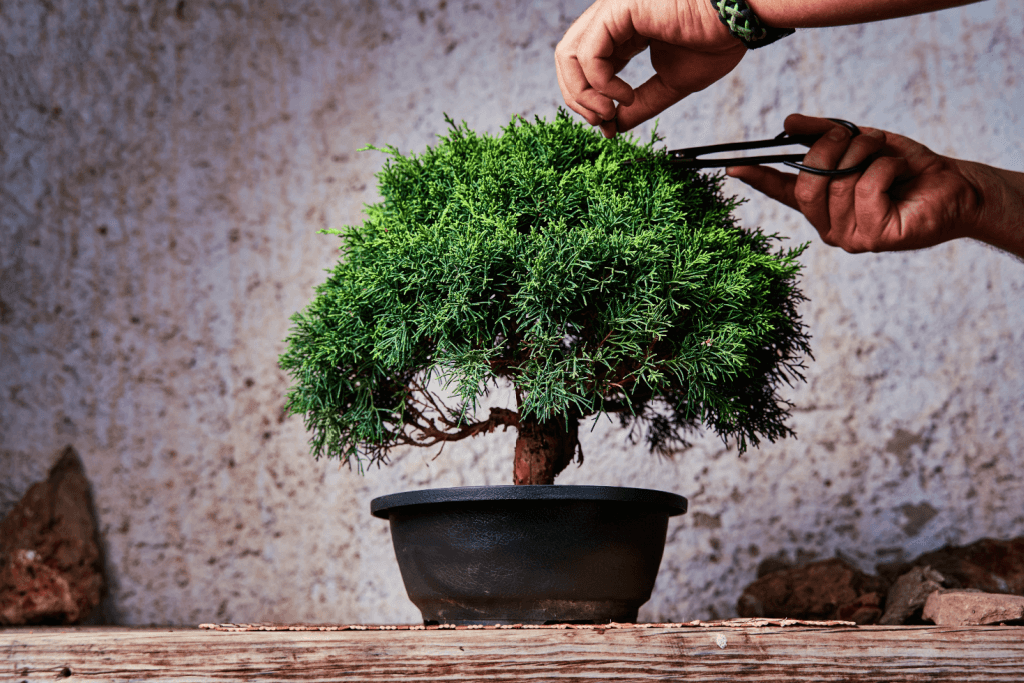
The purpose of this is to make the trees appear old. However, the bonsai should have an irregular shape while still balanced – an essential aspect of wabi sabi. It should also resemble a full-grown, natural tree as much as possible. The viewer can then reflect on the beauty of the forest even while removed from it.
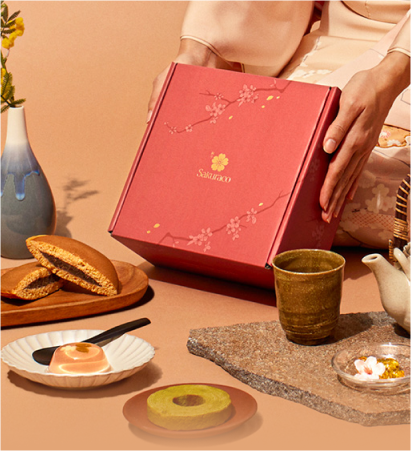
Are you looking to experience even more of traditional Japan? Check out Sakuraco! Sakuraco delivers traditional Japanese snacks, teas, sweets, and snacks from local Japanese makers directly to your door so you can enjoy the latest sweets directly from Japan!

Moss
Moss usually grows in tranquil and untouched locations. Using it in a garden gives the impression that a long time has passed. Both Zen gardens and bonsai rely heavily on moss in their designs because it adds a realistic sense of age, a vital component of wabi sabi.
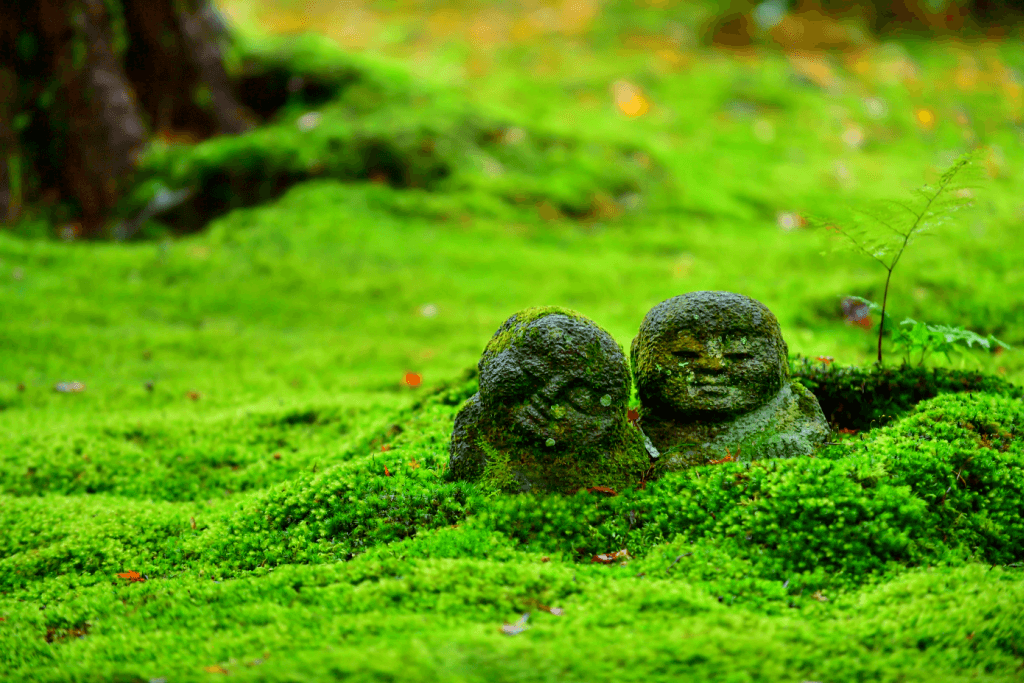
Japan’s most famous moss garden is in the Saiho-ji Temple in Kyoto. According to records, the moss began growing naturally in the garden after a flood. Today, more than 100 kinds of mosses are carefully cared for on the temple grounds, also called the “moss temple.” The mosses growing in a continuous green carpet provide a calm atmosphere of stillness.
Tea Ceremony
Wabi Sabi isn’t only relevant to gardening and the famous Japanese tea ceremony. In the past, it was a much more extravagant event, where the room usually had brightly colored flowers and kitchenware. After the influence of wabi sabi, tea masters replaced their elaborate flower arrangements with ikebana (Japanese flower arrangements).
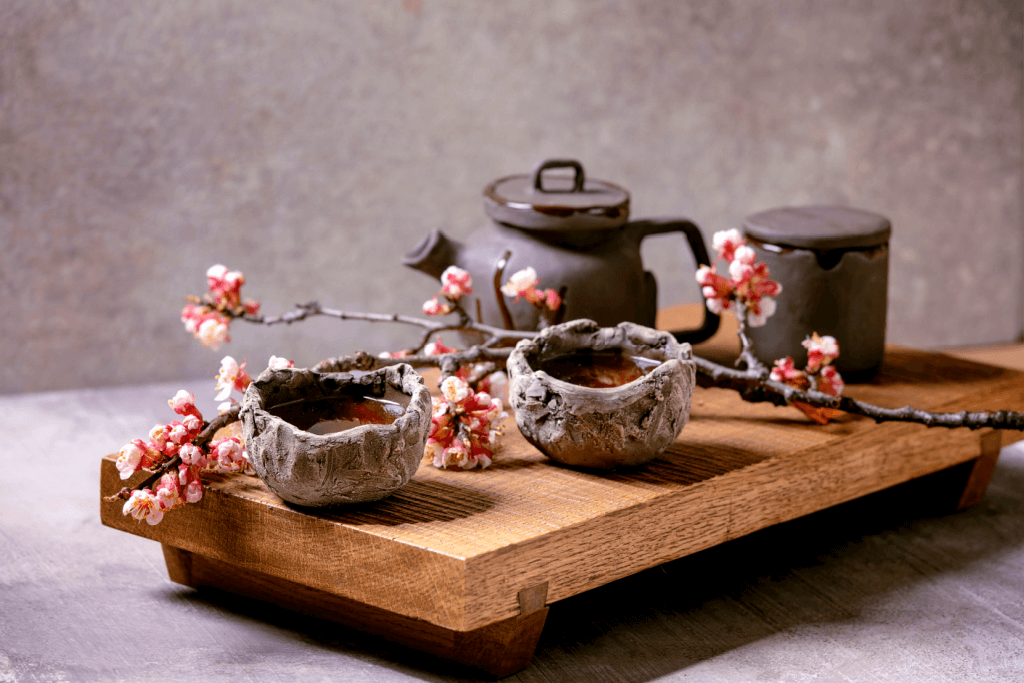
Ikebana, like bonsai, is an art in its own right, which also follows the wabi sabi principles of asymmetry and simplicity. Instead of the colorful tea sets of the past, simple, uneven cups are now used. Sometimes these have been purposefully damaged and repaired to make them appear old and weathered. This, too, has become an art form, kintsugi, where cracks and breaks in kitchenware are repaired with metals like gold or silver to highlight and appreciate imperfections.
Everyday Wabi Sabi
You can skip traveling to a faraway temple or museum to appreciate wabi sabi. You can practice it at home with a simple wildflower arrangement. Or you can try creating your bonsai from a seed or plant that you found growing as a weed. You could visit and appreciate the old shrine near the house. Wabi sabi can become a part of your everyday life if you take the time to observe and contemplate.

Have you ever owned or used ochoko cups before? What did you think of the quality? Let us know in the comments below!
Discover authentic flavors with Sakuraco
Get Sakuraco 
Discover authentic flavors with Sakuraco
Get Sakuraco
Related Articles
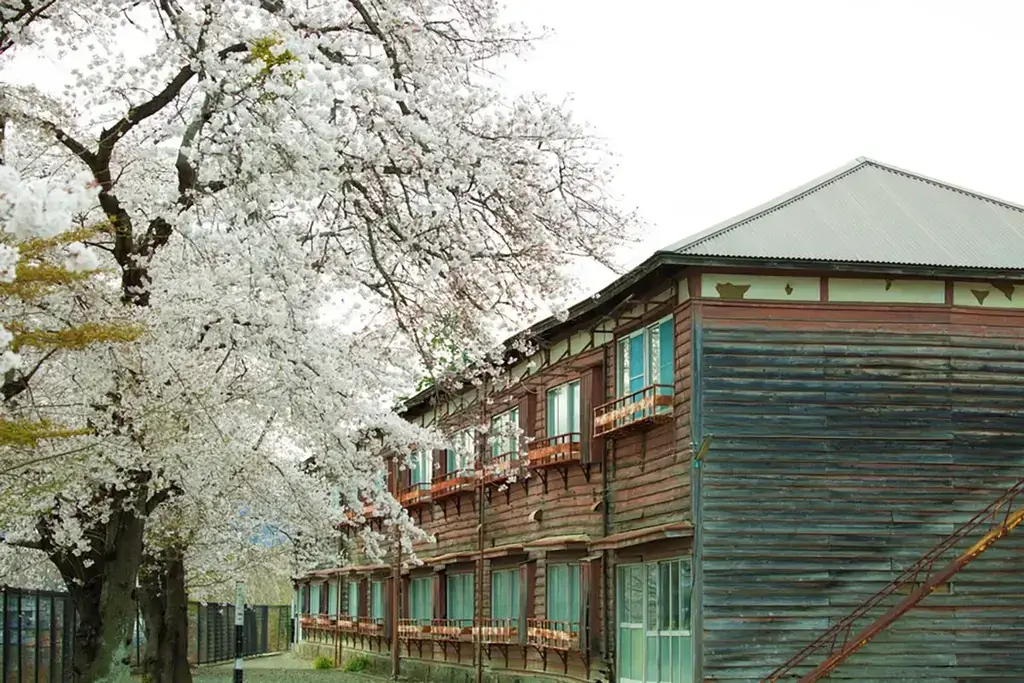
Tomioka Silk Mill: The Factory That Helped Modernize Japan
The Tomioka Silk Mill is one of Japan’s most important industrial heritage sites. Located in Tomioka City in Gunma Prefecture, the mill played a major role in Japan’s modernization during the late 19th century.
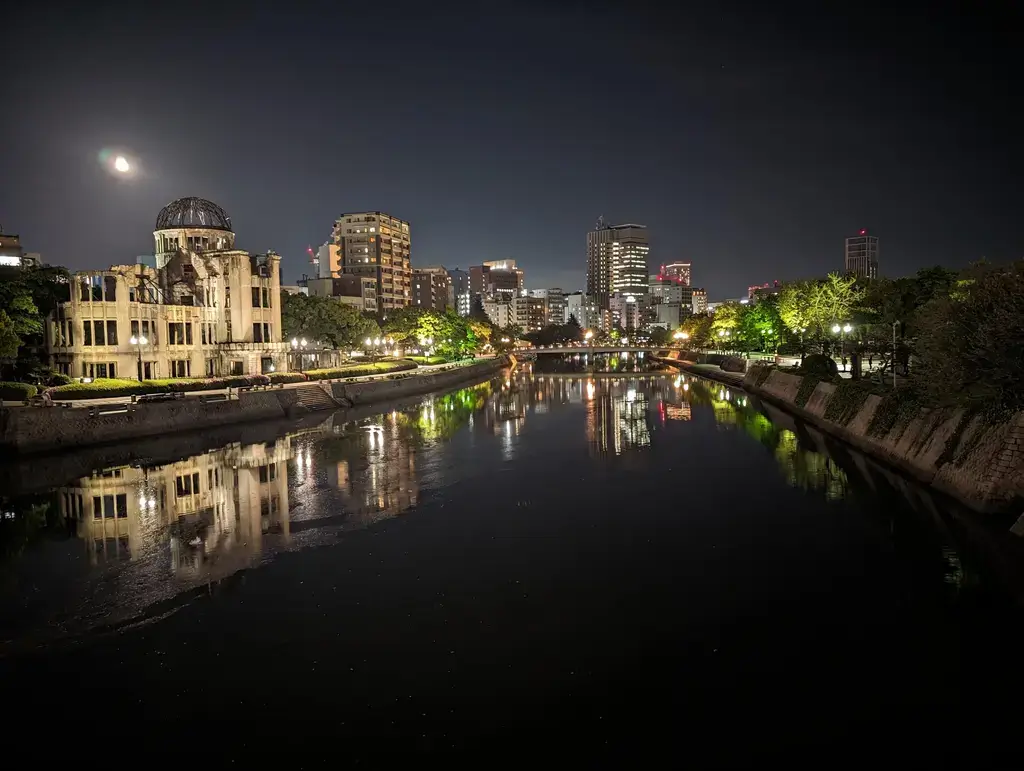
Hiroshima: History, Food, and Scenic Destinations
Hiroshima is one of Japan’s most historically important and culturally rich regions. Located along the Seto Inland Sea in western Japan, Hiroshima Prefecture is known for its history, food, and coastal scenery.
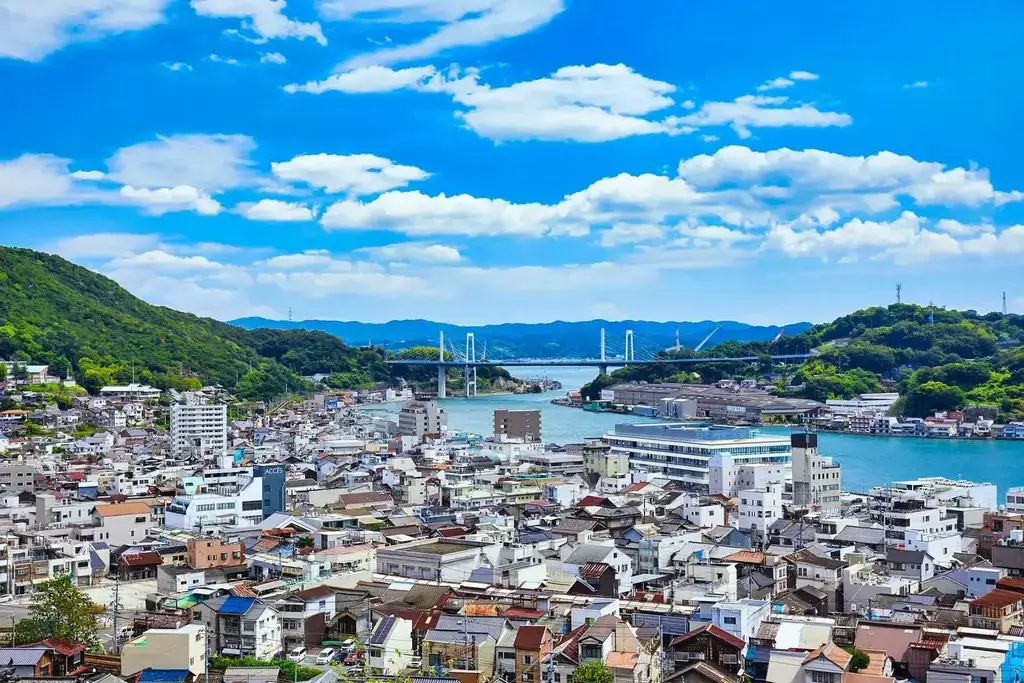
Onomichi: Hiroshima’s Historic Port City by the Seto Inland Sea
Onomichi is one of Hiroshima Prefecture’s most scenic and historic cities. Located along the Seto Inland Sea, Onomichi is known for its hillside temples, narrow streets, old shopping arcades, and waterfront views. The city has long been an important port town and remains popular with travelers seeking a quieter, more traditional side of Japan.
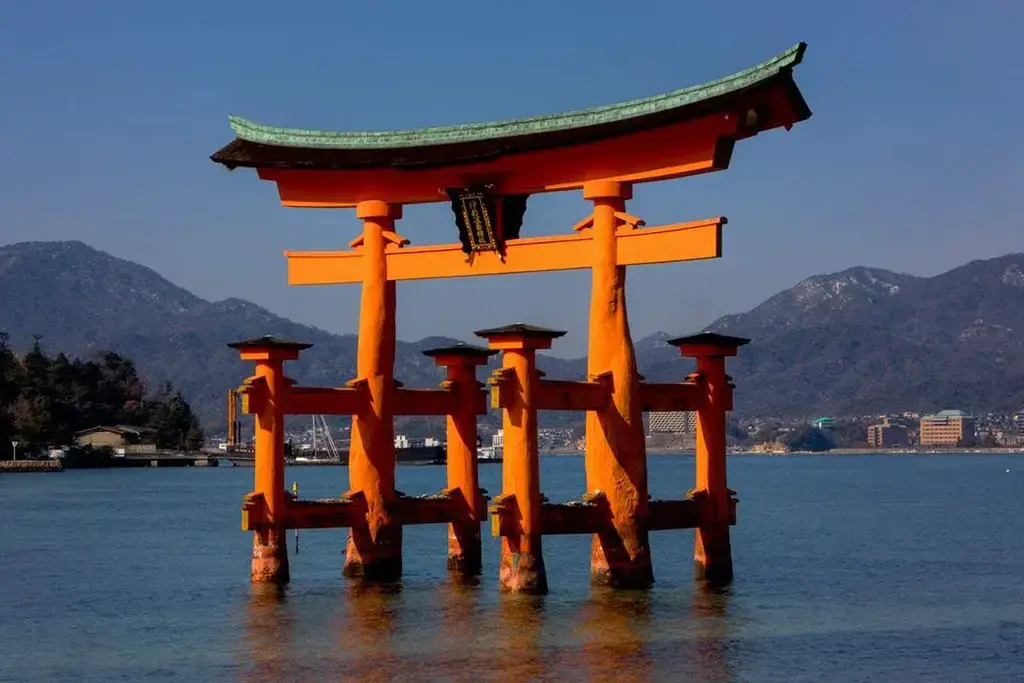
Miyajima: Hiroshima’s Famous Island of Shrines, Deer, and Scenic Views
Miyajima is one of Japan’s most famous islands and one of Hiroshima Prefecture’s best-known tourist destinations. Officially called Itsukushima, the island is better known by the nickname “Miyajima,” which means “shrine island” in Japanese.